Guinea Fowl Symbolism: Meaning, Omens and Free-Range Behavior
Guinea fowl symbolism points to vigilance, community and clear boundaries, drawing on the birds’ flocking behavior and loud alarm calls. Symbolically, a guinea fowl stands for the watcher who speaks up early. The meaning grows straight out of how the bird behaves on a farm or in the wild.
Most people who search for guinea fowl also want to know what the birds are good for, what they cost and whether they get along with chickens. This page answers both sides. The symbolism comes first, then the practical questions about keeping a flock, from free ranging to night roosting and protecting keets.
As a sign, a guinea fowl points to vigilance, belonging and speaking up when something crosses a line. The meaning comes from real behavior. Guineas forage as a group, free range widely and sound an alarm at strangers. For homesteaders, those same traits bring insect foraging and an early warning system, along with noise.
What are guinea fowl good for on a homestead?
Guinea fowl earn their place on a homestead as insect foragers, alarm callers, and a source of eggs and meat. They walk the yard in a loose group and pick insects off grass and low plants. They call loudly when a hawk, a dog or a stranger shows up, so the whole yard hears about it. Their eggs are smaller than chicken eggs, and their meat is darker and leaner.
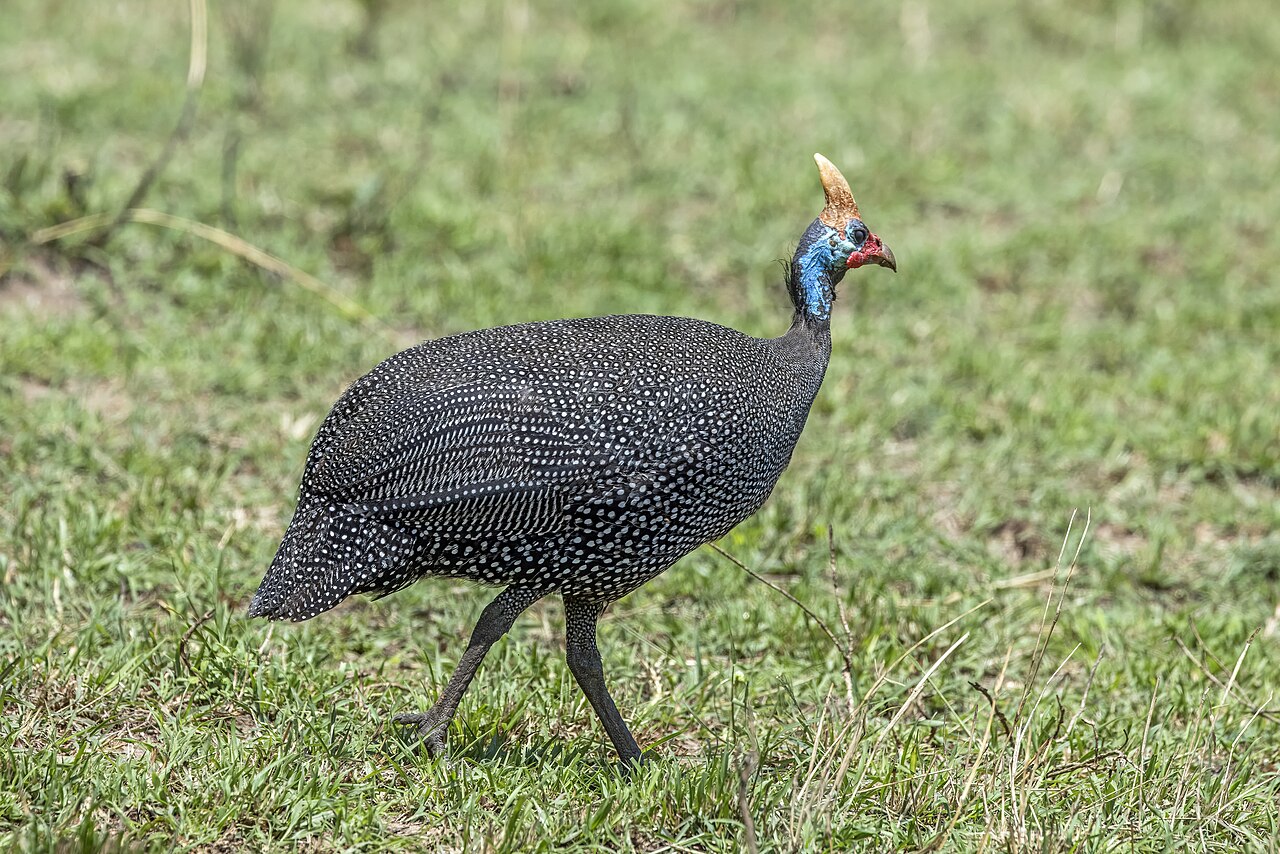
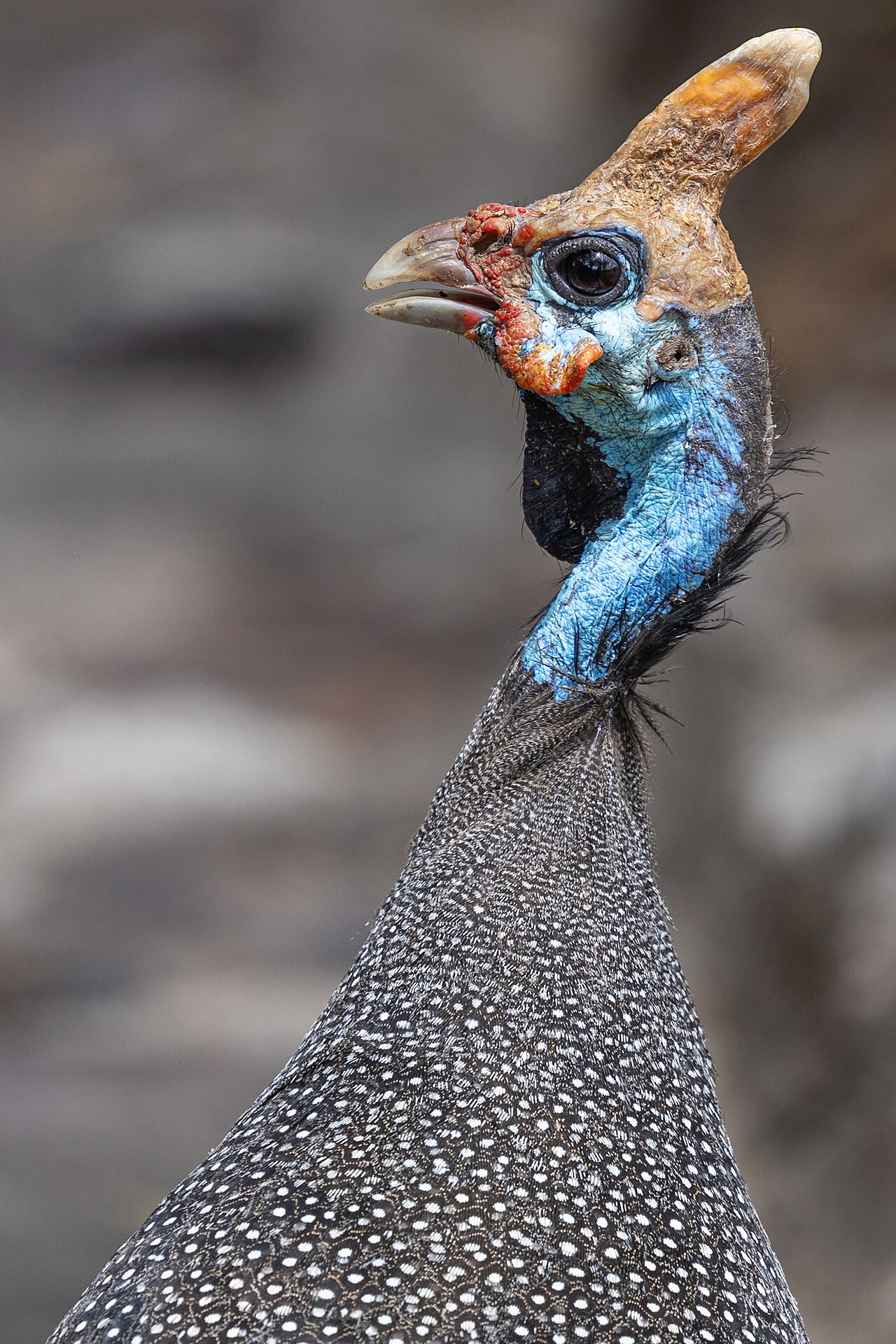
Guinea fowl are game birds native to Africa, and the helmeted guineafowl (Numida meleagris) is the species kept on farms. That wild background explains why they forage more and scratch less than chickens. They range across a property instead of digging up one patch of garden.
Insect foraging helps, but it is not pest control you can count on. A flock eats insects it finds, and that may include ticks, but no flock clears a property of ticks or prevents tick-borne disease. Think of guineas as a helpful extra, not a substitute for other measures.
What does a guinea fowl symbolize?
A guinea fowl symbolizes vigilance, community and the protection of boundaries. Each meaning comes from something the bird does every day. Guineas move as a flock, keep watch for each other and raise a racket when an intruder approaches. The bird’s message is to stay alert and stand with your people.
Vigilance is the strongest theme. A guinea can draw attention to an unfamiliar animal or disturbance with its loud calls. That makes the bird an image of early warning and of trusting the first sign that something is off. Community follows from the flock. A lone guinea is restless, and the group stays together when it forages and when it settles down for the night.
Boundaries are the third meaning. Guineas defend their space loudly and push back against birds and animals they do not accept. The name, by contrast, carries no spiritual message. Nigeria’s National Agricultural Extension and Research Liaison Services traces the name to the Guinea coast of Africa. Bird symbolism gives the wider frame for reading birds as signs, and Albatross symbolism works as its own separate reading.
What does a guinea fowl mean at a glance?
A guinea fowl stands for watchfulness, togetherness and a firm line, and each meaning matches a behavior you can see. This table puts the reading next to the real trait and the practical takeaway, so you can tell the two apart.
| Theme | Behavior behind it | What it asks of you |
|---|---|---|
| Vigilance | Loud alarm calls at hawks, dogs and strangers | Notice early warning signs |
| Community | Foraging and roosting as a tight flock | Stay close to your people |
| Boundaries | Chasing off birds they do not accept | Say clearly where your limits are |
| Independence | Wide free ranging away from the coop | Trust your own path |
| Voice | Constant calling within the flock | Speak up instead of staying quiet |
How do guinea fowl behave when they free range?
Free-ranging guinea fowl can wander beyond the yard, fly well and call frequently as they forage. They follow fence lines, cross into neighboring yards and often roost in trees if nothing else is offered. That independence is the trait behind the bird’s meaning of trusting your own path.
Guineas eat bees and other flying insects they can catch. Beekeepers sometimes see them snapping up bees near a hive entrance. Whether that matters depends on how big the flock is and how close it forages to the hive.
Keepers who want their birds to come home tend to keep young guineas confined first, so they learn where home is before they get full freedom. Releasing a few birds at a time while the rest stay in the coop helps the flock return together.
How much is a guinea hen worth?
A guinea hen has no single market price. As a dated example, an IVRI rate list revised on 14 November 2024 lists adult female guinea fowl at ₹200 per bird. This provides an Indian institutional reference price; current local offers may differ substantially.
Compare offers for confirmed hens of similar age, color and laying history, and check whether the price covers one bird or a pair. Unsexed keets are a different purchase from adult hens. Ask about health and previous housing, and remember that a bird accustomed to its previous coop still needs acclimation after moving.
Can you keep guinea fowl with chickens?
Yes, guinea fowl can live with chickens, but compatibility depends on the individual birds as well as space and introductions. Guineas raised alongside chickens from a young age tend to settle in more easily. Adults brought in later need time and room.
Give the flock several feeders, waterers and perches so no bird can guard them all. Guineas can be pushy, and some chase chickens around the yard. Watch the first weeks closely and separate any bird that keeps causing injuries.
Male guineas sometimes try to mate with chicken hens. A mating attempt alone does not establish successful fertilization or hatching, although viable guinea fowl and chicken hybrids have been documented. Persistent mating attempts can cause stress, feather damage or injury, so separate the birds if hens cannot escape the male.
Will guinea fowl go into a coop at night?
Guinea fowl can learn to enter a coop at night, but training does not guarantee their return, and some still choose high tree roosts. Keep new birds in the coop for a while so it becomes home. Later, a little feed in the coop at dusk gives them a reason to come back.
Offer high perches inside, because guineas like to roost up off the ground. A coop with poor perches gives them a reason to choose a tree branch instead. Shut the door every night once the birds are in.
A clean coop also makes it easier to keep an eye on the flock. Guinea fowl poop is easier to inspect on clean bedding than among grass and leaves.
What predators eat guinea fowl, and what do keets need?
Guinea fowl are hunted by foxes, raccoons, hawks, owls, dogs and other predators, depending on where you live. Birds that roost outdoors are the most exposed, especially at night. Ask your local extension office which predators are common in your area.
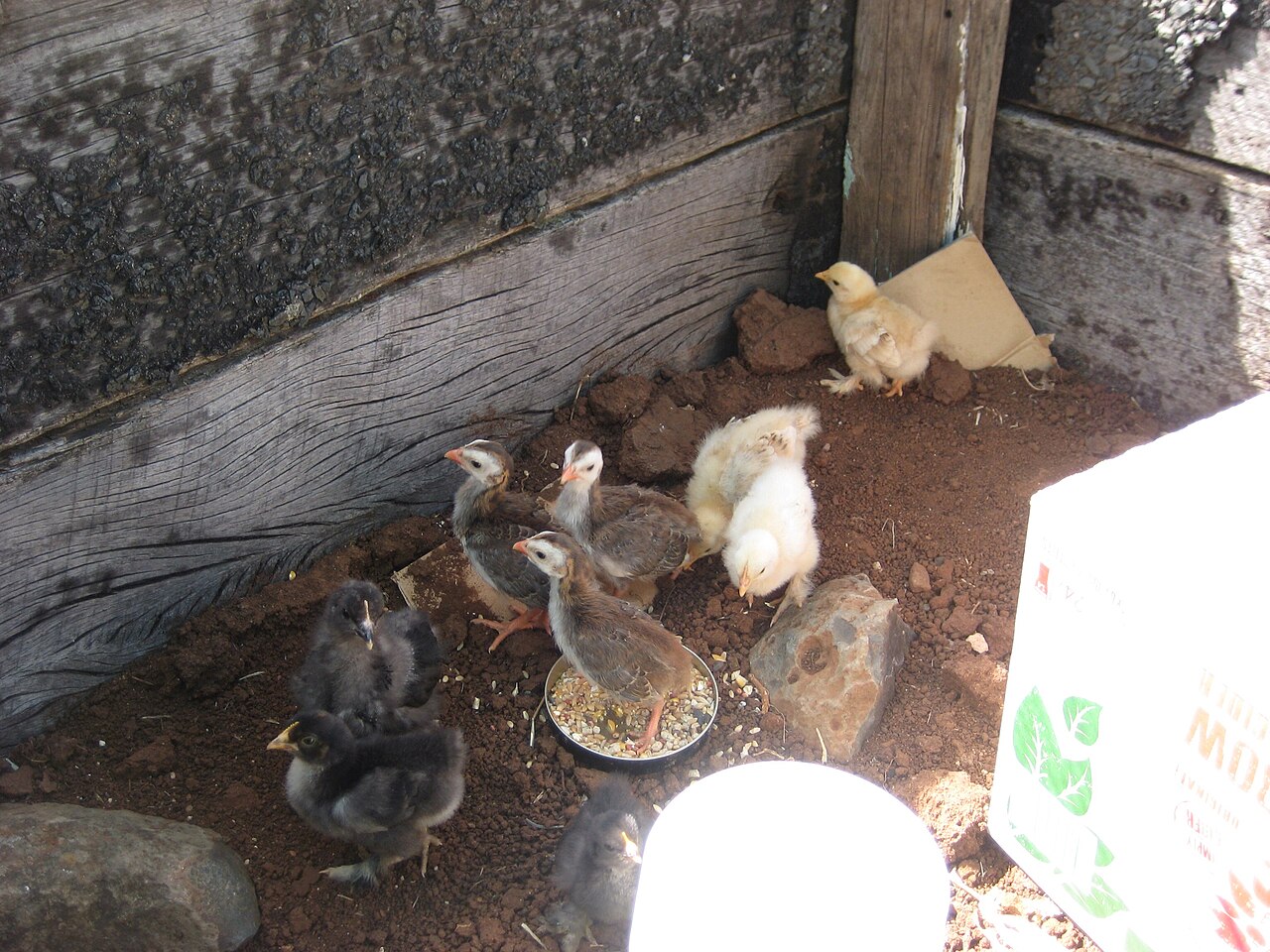
A closed coop with hardware cloth over every opening is the best protection after dark. Daytime losses happen more often to birds that stray far from the yard. Free ranging always carries some risk.
Keets need a warm, dry brooder and an age-appropriate gamebird starter with enough protein for guinea keets. Ordinary chick starter may supply too little protein. Damp ground and chilling are dangerous for young keets. Follow your hatchery’s instructions for feed and heat, and provide clean drinking water.
What are the downsides of raising guinea fowl?
The biggest downsides of raising guinea fowl are noise, wandering and conflict with other birds or neighbors. They call loudly and often, at visitors and at things you will never see. In tight neighborhoods that can lead to complaints. Check your state or local poultry rules before you buy.
Guinea fowl sounds vary between hens and males, and the calls explain much of the noise problem. Wandering birds can also end up in a neighbor’s garden or on the road.
Frequently Asked Questions
Can Muslims eat guinea fowl?
Yes. Islamweb’s fatwa 246640 explicitly permits eating guinea hen. The meat must also meet Islamic slaughter requirements; Islam Q&A’s ruling on permissible birds distinguishes a lawful species from meat that has been properly slaughtered. For a particular product, check its halal certification or consult a qualified Islamic scholar.
Can a guinea fowl crossbreed with a chicken?
Yes, guinea fowl and chickens can produce viable hybrids, although this is an unreliable breeding route. A 2019 study archived by the U.S. National Library of Medicine produced live hybrids from chicken males and guinea hens, and the surviving hybrids were sterile males. Mating, successful fertilization, hatching and offspring fertility are separate outcomes.
Will male guineas try to mate with female chickens?
Yes, male guineas sometimes try to mate with chicken hens. This is about behavior, not breeding. Watch for stressed hens or feather damage, and give them space to get away from a persistent male.
Is seeing a guinea fowl a good or bad omen?
A guinea fowl carries a positive meaning of vigilance and belonging, with a caution to protect your boundaries. A calm flock points to companionship and mutual support. An alarmed bird emphasizes noticing trouble and speaking up before a problem grows.
Do guinea fowl fly?
Yes, guinea fowl fly well over short distances and can clear fences and reach tree branches. That is why they often roost up high when no coop is offered. A secure covered run provides physical containment; training birds to return at dusk does not keep them inside an open run during the day.
Are guinea fowl hard to keep?
Guinea fowl can be challenging to keep, especially during brooding and acclimation. Keets need careful warmth, dryness and suitable feed, while adults may resist returning to the coop. Noise, wandering, predator exposure and conflict with chickens can remain ongoing management problems after the flock settles.