Bee Sounds: How Bees Buzz and What Each Hum Means
Bee sounds come from wings, not from a voice. A honey bee (Apis mellifera) beats its wings roughly 200 times a second, and that vibration is the buzz at a flower bed. Deeper buzzes belong to bumblebees (Bombus) or carpenter bees (Xylocopa), and a rushing roar is a swarm on the move.
The practical questions are why the pitch changes and what a hum inside a wall means. The cultural side of the buzz lives in bee symbolism.
Bees make their noise by vibrating their flight muscles, which drives the wings and shakes the thorax. Faster wingbeats mean a higher pitch, so small honey bees sound thin while bumblebees sound deep. A bee that is stuck or alarmed buzzes louder because it pumps those muscles without flying.
| Bee sound | What it sounds like | When you hear it | Easy to confuse with |
|---|---|---|---|
| Honey bee foraging | Thin, steady, mid-pitch hum | Warm daylight, spring to fall | Hover flies, which hang still in the air |
| Bumblebee | Deep, slow drone | Cool mornings, early spring to first frost | Carpenter bee, which is shinier |
| Carpenter bee | Loud, low buzz with a hovering whine | Spring, near eaves and deck rails | Bumblebee, which is fuzzy all over |
| Swarm | Rushing roar from thousands of bees | Late morning, mostly late spring | Distant lawn equipment |
| Defensive buzz | Sharp, rising, aimed at your face | Whenever a nest is disturbed | Yellowjackets, which are wasps |
How Do Bees Make Their Noise?
Bees make their noise with muscles, not vocal cords. Two sets of flight muscles inside the thorax pull against each other and snap the body in and out of shape, and the wings ride along with that motion. A smaller bee flaps faster and sounds higher.
A bee that buzzes on a flower without flying has unhooked its wings from the muscles. The shaking thorax knocks pollen loose from tomatoes and blueberries, one reason the U.S. Fish and Wildlife Service counts native bees among its priority pollinators.
What Does a Swarm of Bees Sound Like?
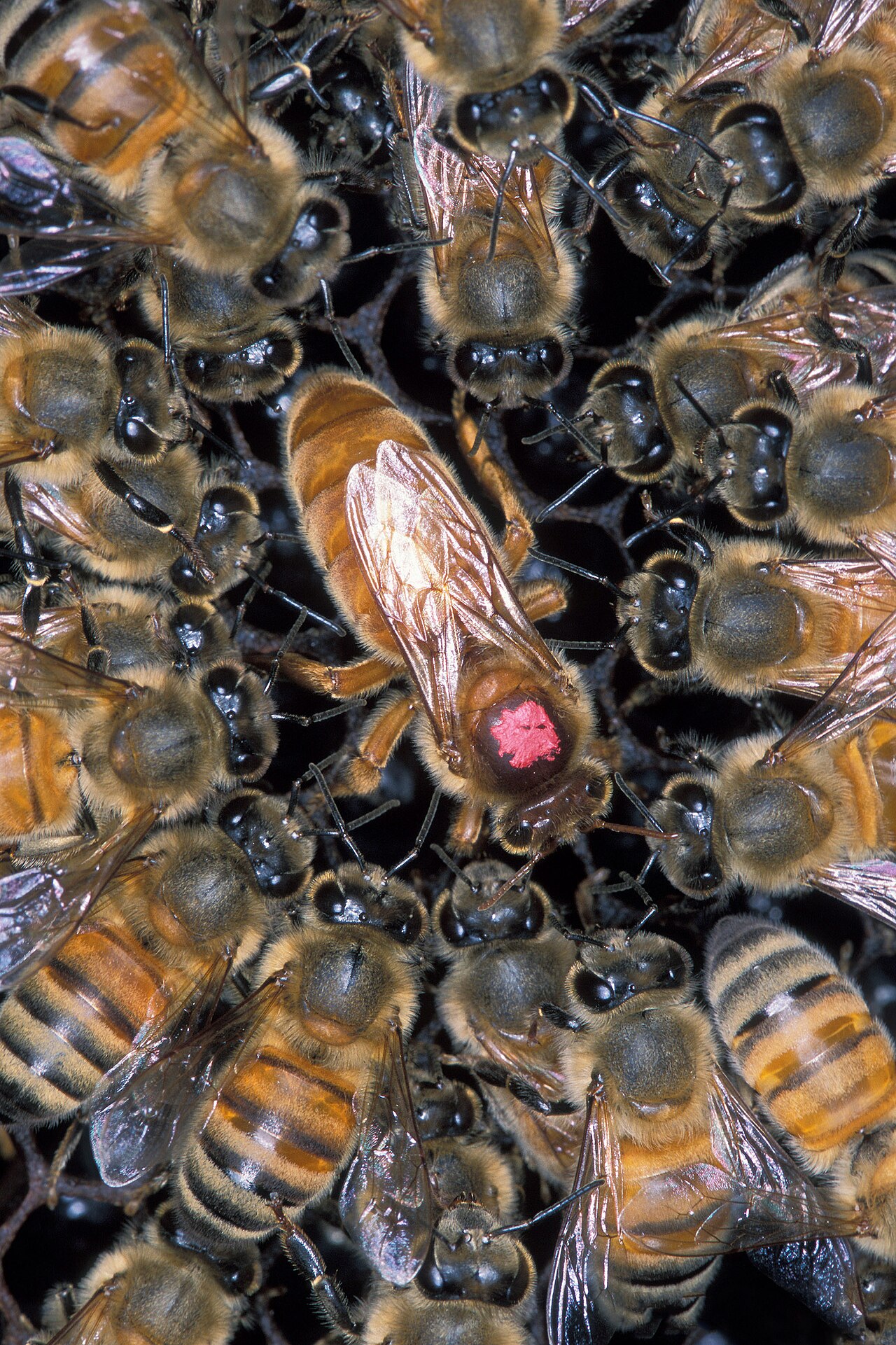
A swarm of bees sounds like a low roar that moves. Thousands of honey bees leave a crowded colony with the old queen, and the combined wingbeats sound like a distant leaf blower.
Within an hour or so the swarm settles into a hanging cluster, and the roar drops to a steady hum while scouts search for a new home. A settled swarm is typically calm, because it has no comb or brood to defend. A local beekeeper will usually collect it for free.
Which Bees Make a Loud Buzzing Sound?
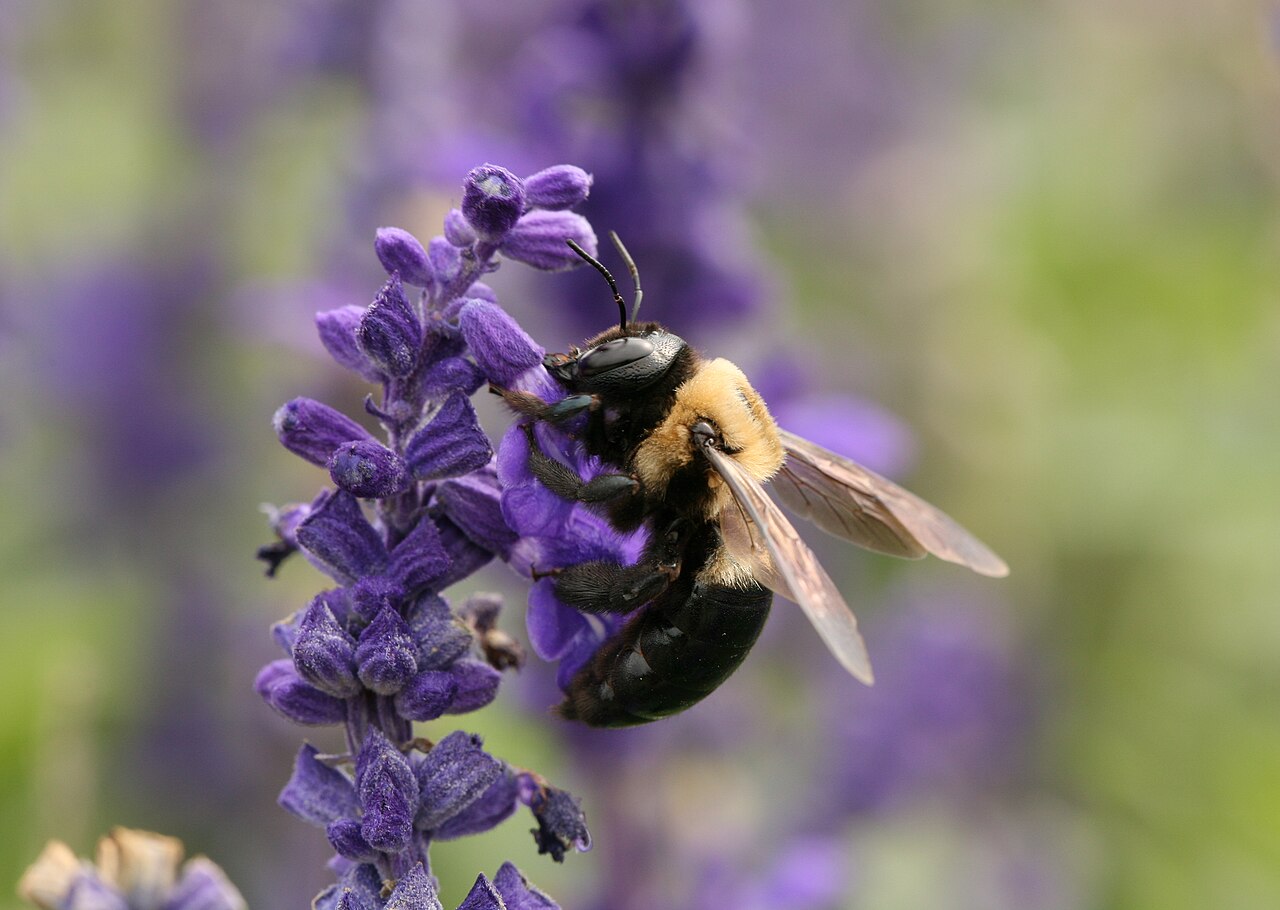
Bumblebees and carpenter bees make the loudest buzzing sound of the bees Americans commonly meet. Large bees beat their wings more slowly, which drops the sound into a deep register that carries farther.
Telling the two apart by ear is hard, so use the body. A carpenter bee has a shiny black abdomen and hovers near wood. A bumblebee is fuzzy all over and works flowers low to the ground. Yellowjackets sound similar but are wasps with a pinched waist. Grunting and tearing near a hive at night are bear sounds.
A Buzz in the Wall, Attic, or Ceiling
A steady hum inside a wall on a warm day usually means a honey bee colony has moved into the cavity. The hum rises and falls with the heat as workers fan the comb, and outside you will see a line of bees at a gap in the siding. Colonies in walls should be removed with the comb, not just sprayed, because abandoned honey draws ants and stains the ceiling.
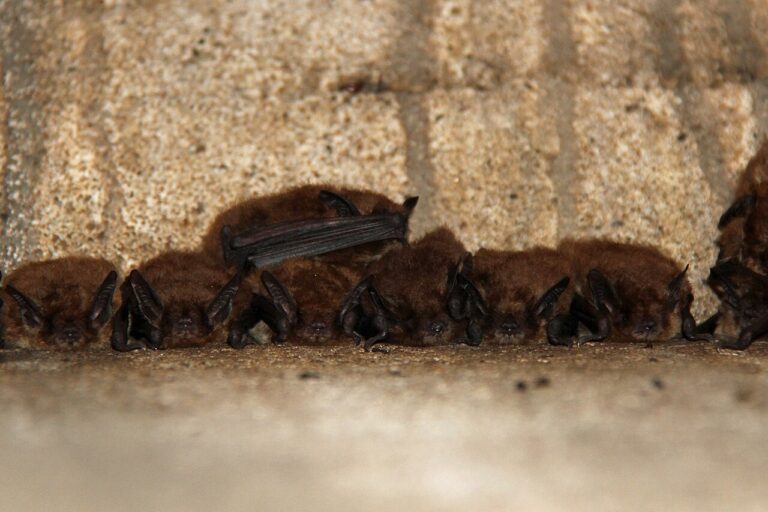
Scratching or squeaking after dark is a different animal, usually the bat sounds of a roost. A rasping screech from the attic at night is closer to barn owl sounds. A flat electronic hum that never changes is a fixture, or in a yard a bird deterrent sound device.
Frequently Asked Questions
What is the bee sound called?
The bee sound is called buzzing, a word that imitates the noise itself. Beekeepers add a few terms. A queen’s high, repeated “toot” and the “quack” of rival queens still in their cells are together called piping, and a loud, agitated colony is described as roaring.
Do bees make a noise at night?
Bees rarely fly at night, but a colony does make a noise after dark. Workers inside the hive or wall fan their wings to cool the comb and dry nectar into honey, a soft, even hum. A buzz outside at night usually means bees drawn to a porch light.
Is bee sound dangerous?
The sound itself is harmless, but the pitch reports the bee’s mood. A steady, mid-pitch hum means foraging, and the bee will leave on its own. A sharp, rising buzz that follows your head is a guard bee warning you off a nest, and that is the moment to walk away calmly rather than swat.
Is it true that if you leave bees alone they won’t sting you?
For foraging bees it is nearly always true, since a honey bee stings only in defense and dies afterward. The exception is near a hive, where guard bees defend a zone of several feet around the entrance. Keep mowers and string trimmers away from it, because the vibration reads as an attack.