Elephant Dream Meaning: Good Omen or Warning?
An elephant dream is a good sign far more often than a bad one. The elephant dream meaning that most readers land on is wisdom, strength and protection, the qualities of an animal that moves slowly, remembers everything and shields its young. The exceptions are specific. An elephant that charges, tramples or dies in the dream carries a warning, and the warning is about pressure or loss in your waking life, not about fate.
Dream symbolism is interpretation, not prediction. The reading depends on four things: what the elephant did, its color, how you felt on waking and which tradition you grew up in.
An elephant dream is usually a good omen of wisdom, strength and protection. Calm, ridden, fed or baby elephants point to stability, and a white elephant is a rare blessing. A charging, chasing or dying elephant warns of pressure or loss that is building. When the scene is unclear, your feeling on waking decides.
Is an Elephant Dream Good or Bad?
An elephant dream is usually good when the elephant is calm and turns into a warning when it is aggressive, injured, dying or held captive. The animal itself carries no curse. Across cultures, elephant symbolism leans toward steadiness and protection. What decides the reading is behavior. So before you look up anything else, replay the scene and ask one question. What was the elephant doing?
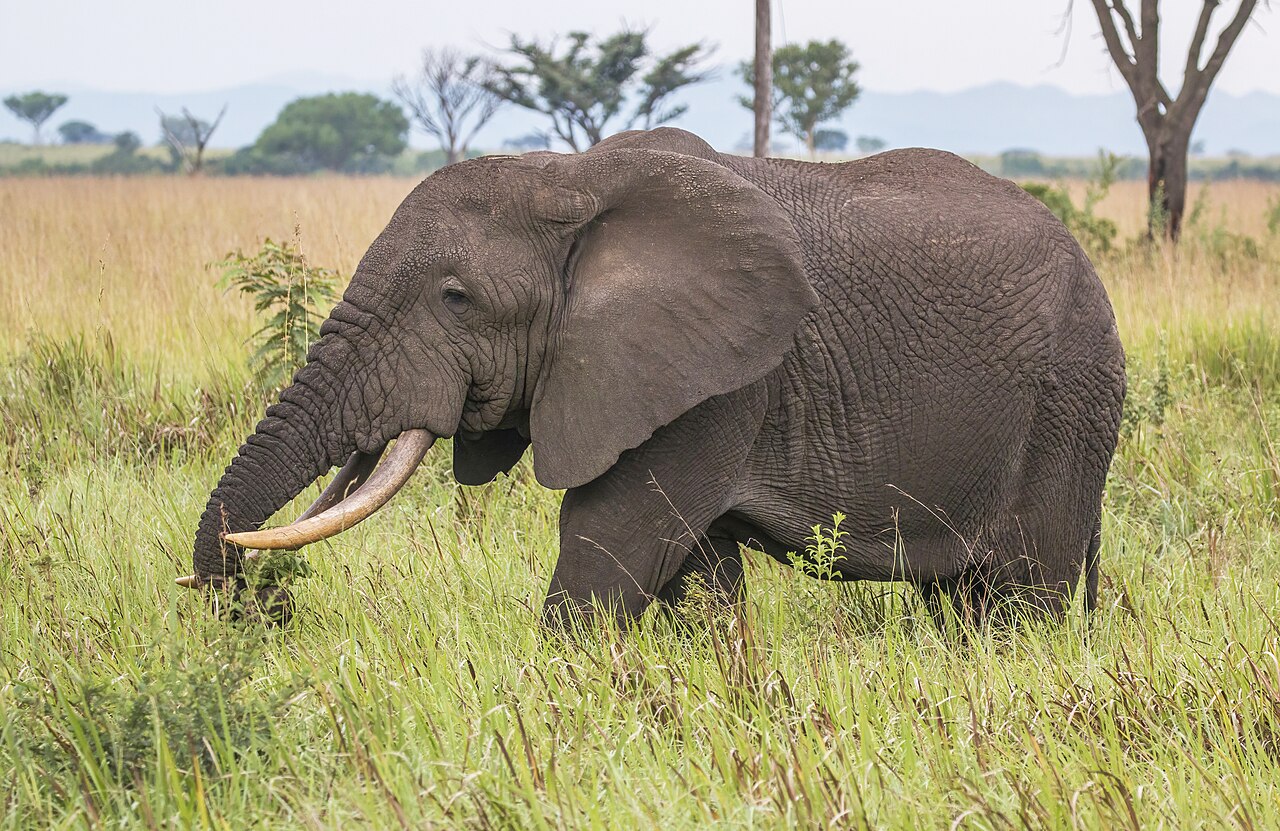
A healthy elephant walking, grazing or standing near you is a good omen for stability. It stands for a support structure that holds, a plan that is working at its own pace and a protector who has not gone anywhere. The dream shows the strength they still have, not the strain they feel.
An aggressive or dying elephant is an early warning, not a sentence. A charging elephant says that something large in your life is coming at you faster than you are facing it. A dying one says that a source of strength is fading and needs attention. Both readings share a useful feature. They flag pressure before it peaks, which gives you time to move.
Borderline scenes come down to how you felt. A distant, silent elephant on a horizon is peace to one dreamer and dread to another, and the dream does not tell you which. Your body does. If you woke calm, read it as a steady presence watching over you. If you woke uneasy, read it as a large issue you have been keeping at arm’s length.
Why Do Elephants Appear in Your Dreams?
Elephants appear in dreams because something in your waking life is big, slow and hard to ignore. The mind reaches for the largest land animal it knows when it wants to picture weight. That is why elephant dreams cluster around deadlines, family obligations, debts and decisions you have been postponing.
Recent exposure feeds the imagery too. A zoo visit, a documentary, a child’s picture book or a news story about elephants places the animal in a dream within a day or two. That does not make the dream meaningless. It means the mind borrowed a fresh image to carry an older concern. Ask what felt heavy that week, and the elephant will fit the shape of it.
The phrase “elephant in the room” names the other common trigger. There is an issue nobody in your home or workplace names openly, and everyone walks around it. A dream elephant standing quietly in a kitchen or an office is that issue made visible. A heavy responsibility or a slow decision takes the same form. If a small animal sits beside the elephant, the dream has shifted focus to minor nagging worries, the kind that a mouse dream handles on its own.
Core Meanings: Wisdom, Memory, Strength and Family
The elephant in a dream stands for long memory, patient strength and family bonds. Memory comes first because the elephant’s reputation for never forgetting is the first thing most people know about it. In a dream, that memory points to a past lesson or an old hurt resurfacing for review. Something you thought was filed away wants another look.
Strength is the second meaning, and it is a particular kind. An elephant does not need to charge to be powerful. It moves a fallen tree by leaning on it. Dream elephants carry that image of power used without aggression, quiet authority that does not raise its voice. If you have been wondering whether you are strong enough for a task, a calm elephant is the dream’s answer.
Family runs through the whole symbol because of how elephants live. African elephant (Loxodonta africana) herds are led by an older female, the matriarch, and the young grow up surrounded by aunts and cousins. A herd in your dream points to family bonds, especially the ones held together by an elder. Steady progress is the final thread. Your plan works if you keep pace, and the elephant never hurries. Where a wolf dream stresses loyalty to the pack, the elephant stresses lineage and the elders who hold it together.
Peaceful Elephant Dreams: Seeing, Riding, Feeding
Peaceful elephant dreams point to a stable phase ahead, and the details tell you what kind. Watching a calm elephant from a distance means the stability is coming but you are not yet part of it. You are observing a solid situation from the outside, a family or a workplace that is settling after upheaval. Give it time and the distance closes.
Riding an elephant means you are steering a large undertaking and steering it well. Riders in these dreams feel height and control rather than fear, and the elephant goes where they ask. Take it as a verdict on your own competence. The project is big, and you are on top of it. If the elephant ignores your direction, the undertaking has its own momentum and you are a passenger more than a driver.

Feeding or petting an elephant is about support, either support you give or support you are about to receive. People who are caring for a parent or raising a child know this dream well. An elephant bathing or spraying water with its trunk is emotional release after a tense stretch, the dream version of a long exhale. An elephant that touches you with its trunk is acceptance. Someone you respect has let you in, or is about to.
Being Chased by an Elephant in a Dream
Being chased by an elephant means you are avoiding a large, unresolved issue, and the issue is gaining on you. Chase dreams of any kind are about avoidance. The elephant version says the thing you are avoiding is not small, and it is not going to shrink while you look away. Most people who dream this already know what the elephant is. The dream just removes the option of pretending otherwise.

Elephant Attack and Stampede Dreams
Being attacked or trampled points to workload or obligations that feel overwhelming. The weight has stopped being something you carry and has become something that lands on you. A stampede widens the picture. Events are moving faster than you can manage, and more than one large thing is in motion at once. Stampede dreams arrive in weeks when work, family and money all demand attention on the same day.
The escape matters as much as the threat. If you outran the elephant, hid from it or calmed it, the dream has shown you that you already have the capacity to cope. Your mind built the danger and then built the way out. If a different large animal chased you, the meaning shifts: a bear dream chase usually centers on anger or confrontation rather than load.
Baby Elephant and Mother Elephant Dreams
A baby elephant in a dream is a new project or a fresh start that needs patience. Elephant calves grow slowly and depend on the herd for years, so the dream pairs the excitement of something new with a warning against rushing it. A business idea, a relationship or a creative plan that appears as a calf will reward steady care more than speed.

A mother elephant with her calf is your protective instinct toward someone close. Parents dream this about children, but so do older siblings, teachers and friends who have taken on a caretaking role. The mother in the dream is you, and the calf is the person you are shielding. A calf that stays close under the mother’s trunk means that protection is working.
A lost or orphaned calf reverses the picture. Here you are the calf, and the dream says you feel unsupported or left behind. It appears after a move, a breakup or the loss of a mentor. Rescuing a baby elephant turns the dream outward again. You are ready to take on responsibility for someone or something that cannot yet stand on its own, and the dream confirms you have the strength to do it.
Dead, Sick or Trapped Elephant Dreams
A dead elephant in a dream marks the end of a life phase or the fading of a protector figure. Because the elephant carries wisdom and strength, its death says a source of those qualities is leaving your life. For one dreamer that is a grandparent or a mentor. For another it is a role held for years and now set down. Grief in the dream is normal and does not make the omen worse.
A sick or injured elephant is depleted strength, and it is a burnout signal. The animal that should be the strongest in the scene cannot stand, which is how exhaustion feels from the inside. Take the dream literally enough to check your sleep, your workload and your reserves. A chained or caged elephant is suppressed potential. Rules, habits or another person’s expectations are holding back something large in you.
A circus elephant adds performance to the restriction. You feel used, or you are performing for the approval of others instead of acting on your own judgment. These endings and confinements are not all loss. Endings in dreams mean transformation, the clearing of ground before something new grows, the same rebirth theme behind most bat dreams.
White Elephant Dream Meaning
A white elephant in a dream is a rare blessing, and the meaning comes straight from Southeast Asia. In Thailand, white elephants belong to the king by tradition and are kept for royal ceremony rather than ordinary labor. A white elephant in your dream borrows all of that: honor, favor and a gift you did not earn through effort.
The English idiom pulls the other way. A “white elephant” in American speech is a costly possession nobody wants, the house that eats your savings or the gift exchange prize everyone tries to pass on. If your dream white elephant felt like a burden rather than a wonder, that second meaning applies. Something impressive in your life costs more than it gives.
Which Color Elephant Is Lucky in a Dream?
White is the luckiest elephant color in dream lore, for the royal and religious reasons above. A gold elephant, a common good-luck figurine in Indian and Thai homes, reads as prosperity. Gray, the natural color, is not unlucky, only neutral: everyday stability with no special charge.
A black elephant is hidden fear or untapped power you have not used yet. The darkness hides the animal’s outline, so the dream is about something large you cannot fully see in yourself. A pink elephant is illusion or wishful thinking, drawn from the old idiom “seeing pink elephants” for hallucinations after too much drink.
Spiritual Meaning of an Elephant Dream
The spiritual meaning of an elephant dream is a call to slow down and ground yourself before you act. The elephant plants each foot before it shifts its weight. Spiritual readings take that gait as instruction. Whatever decision is in front of you, the dream asks you to feel the ground first.
The second thread is ancestry: a dream elephant asks you to look at family lineage, a story you never asked about or a pattern that runs through generations and has reached you.
The third thread is inner authority. An elephant sets boundaries by standing where it stands. It does not snarl, and it does not need to. If you have been struggling to say no, the elephant models how to do it calmly and without force.
Elephant Dreams in Hinduism
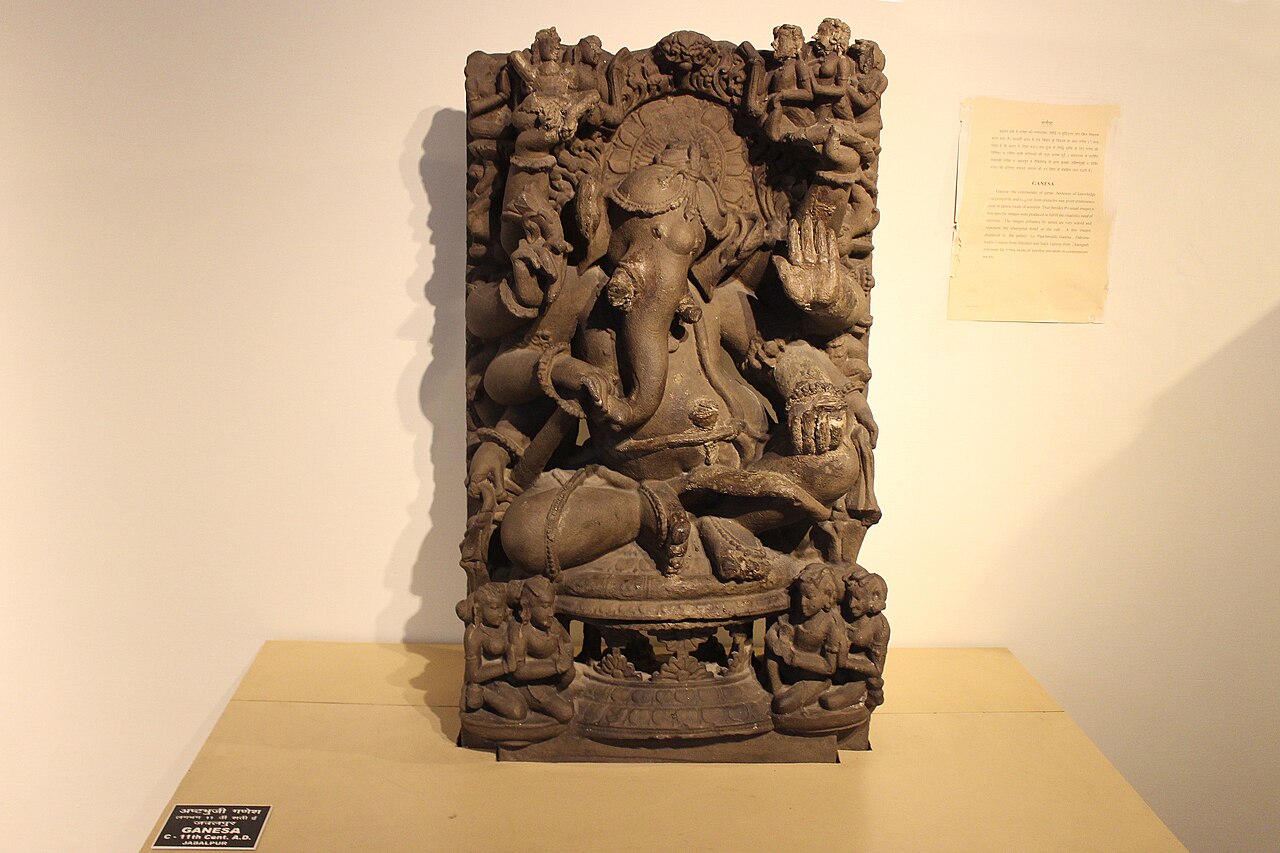
In Hinduism, an elephant dream belongs to Ganesha, the elephant-headed god who removes obstacles. Ganesha is among the most widely worshipped deities in India, and his image sits at doorways, on dashboards and at the start of ceremonies. Hindus invoke him before new ventures, journeys and examinations. An elephant in the dream of someone raised in that tradition marks a beginning, and it tells the dreamer the path ahead has been cleared.
A second Hindu figure is Airavata, the white elephant who serves as the mount of Indra, the god of rain and storms and king of the gods. Airavata appears in Hindu art as a many-tusked white elephant carrying Indra across the sky. Seen through this tradition, a white elephant in a dream signals the backing of a powerful ally. Rain and fertility follow in Airavata’s wake, so the dream also points to abundance after a dry stretch.
Elephant Dreams in Buddhism
Buddhism holds the most famous elephant dream of all. Queen Maya, mother of the Buddha, dreamed that a white elephant entered her side, and the court seers took the dream as the sign of her son’s conception. She gave birth at Lumbini, in present-day Nepal, a site that remains a Buddhist pilgrimage destination. Because of that story, Buddhist tradition treats the white elephant as a herald of an extraordinary arrival, and an elephant dream before a birth or a major life change still carries that weight for Buddhist dreamers.
What Does the Bible Say About Elephants? Prophetic Meaning
Protestant Bibles never name the elephant directly, and the word appears only in the books of Maccabees, which Catholic and Orthodox Bibles include, so there is no verse that tells a Christian what an elephant dream means. What the text does mention is ivory. In 1 Kings 10, verse 22, Solomon’s ships return every three years carrying gold, silver, ivory, apes and peacocks, and ivory appears again in 1 Kings 10:18, where Solomon makes a great ivory throne overlaid with gold. The elephant is present through its tusks, as a sign of wealth from distant lands.
War elephants do appear in 1 Maccabees 6, a book in the Catholic and Orthodox canons but not in most Protestant Bibles. The Seleucid army brings elephants against the Jewish forces, and the soldier Eleazar dies killing one. Some commentators identify the behemoth of Job 40 as an elephant, others argue for a hippopotamus, and the text does not settle it. The animal in Job is described by its strength and its calm in the river, qualities both candidates share.
The prophetic meaning of an elephant dream, in the sense used by Christian dream interpreters, is a big assignment. The dreamer is being handed something large and asked to carry it with patience and strength. That meaning comes from the animal’s character rather than from any scripture, and no church doctrine fixes it. If you want a biblical anchor, the closest is the ivory of Solomon, which ties the elephant to resources that arrive from far away and in their own time.
What to Do After an Elephant Dream
After an elephant dream, name the life area that felt heaviest during that week. Work, money, family, health or a relationship. The elephant is the weight of one of them, and you will know which as soon as you ask honestly. Write the answer next to the dream. Over months, a journal like that shows patterns no single dream shows.
If the dream recurs, decoding is no longer enough. A repeating elephant is an issue that has not moved, and the dream will keep returning until the issue does. Pick the smallest concrete action you can take toward it and take it within the week. Herd scenes and family scenes have their own instruction. Reach out to an elder or a relative, especially one you have been meaning to call.
Most elephant dreams need nothing more than a note and a conversation. Nightmares are different. If elephant dreams, or any dreams, repeatedly wake you and disrupt your sleep over weeks, raise it with a doctor. Persistent nightmares point to stress or sleep problems that respond to treatment, and no amount of symbolism replaces that conversation.
Rare Elephant Dream Scenarios at a Glance
These less common scenes follow the same rule as the rest of this guide: behavior first, then feeling.
| Rare dream scenario | Omen | Life area it points to |
|---|---|---|
| Elephant talking to you | Good, a message from your own wiser judgment | A decision where you already know the answer |
| Elephant crying | Mixed, grief that wants acknowledgment | Family, an unmourned loss or a strained bond |
| Elephant giving birth | Good, a long effort finally delivering | Career or creative work that took years |
| Elephant statue | Neutral, strength that is admired but not used | Personal potential sitting on a shelf |
| Elephant temple parade | Good, public honor and community support | Reputation, standing among friends or colleagues |
| Elephant sitting on you | Warning, an obligation has you pinned | Work or money, a load that must be renegotiated |
Frequently Asked Questions
Does dreaming of an elephant mean pregnancy?
No, not as evidence. Indian religious stories link an elephant dream to a coming child: in Buddhism Queen Maya dreams of a white elephant before the Buddha’s birth, and in Jainism Queen Trishala’s first auspicious dream before Mahavira’s birth is a white elephant. No research shows that dreams predict pregnancy. If you are hoping or worried, the dream reflects that feeling rather than announcing a result.
What does a raised elephant trunk mean in a dream?
A raised trunk in a dream means good fortune arriving, and the meaning borrows from Chinese feng shui, where an elephant figure with its trunk up is placed to attract luck and success. In the dream, a lifted trunk is a greeting or a trumpet. Either way, the elephant is announcing something welcome rather than warning you.
What do elephant tusks mean in a dream?
Tusks in a dream stand for defense of what you value. Tusks are elongated incisor teeth, and elephants use them to dig, strip bark and protect themselves. A dream that focuses on tusks points to something you are guarding, a boundary you have drawn or a resource you refuse to give up. Broken tusks mean that defense has been breached.
Why do children dream about elephants so often?
Children dream about elephants because children’s dreams contain more animals than adult dreams do, and elephants are among the first large animals a child learns. Picture books, toys and zoo visits keep the image close. A child’s elephant dream is harmless. It becomes worth attention only if it frightens the child repeatedly.
What does a flying elephant in a dream mean?
A flying elephant means overcoming self-doubt about something you considered a weakness. The image comes from Disney’s Dumbo, the elephant mocked for his oversized ears who learns they let him fly. In a dream, the heaviest animal rising into the air says that the trait you were ashamed of is the one that lifts you.
What is the luckiest animal in the world?
There is no single holder of that title, but the elephant is among the most widely named. Feng shui places elephant figures with raised trunks for luck, Hindu homes greet Ganesha at the door and Thai tradition honors the white elephant. Other cultures name the dragon, the koi carp or the ladybug.
Sources
- Encyclopaedia Britannica, Ganesha, Hindu deity
- Bible Gateway, 1 Kings 10:22 (ESV)
- Bible Gateway, 1 Maccabees 6 (NRSVCE)
- Bible Gateway, Job 40 (ESV)