Spiritual Meaning of Seeing a Rabbit: Omens, Crossings and Repeat Sightings
The spiritual meaning of seeing a rabbit centers on fertility, fresh starts, and alertness. A rabbit survives by noticing danger first and moving fast, so its appearance points you toward a choice you have been putting off and toward a season of growth that needs protecting. Seeing one is a good sign far more often than a bad one.
Context sharpens the message. A rabbit that crosses your path, shows up in your yard every evening, or appears white or tiny each says something slightly different, and the biology behind the sighting matters as much as the symbol. A rabbit at dusk in a suburban yard is ordinary behavior, and an ordinary visit still carries weight when it lands at the right moment in your life.
As a sign, a rabbit points to fertility, new beginnings, and staying alert before a decision. Repeated sightings press the same message harder and ask you to act on a plan you keep postponing. A rabbit crossing your path marks a turn in direction, not bad luck, and no scripture names it an omen.
What Is the Spiritual Meaning of Seeing a Rabbit?
Seeing a rabbit points to fertility, renewal, and alert attention. The rabbit breeds fast, feeds close to cover, and freezes before it runs, and each habit maps onto a message. Fertility stands for growth in any form, from a family to a business to a new skill. Alertness stands for the instinct that spots trouble before it arrives.
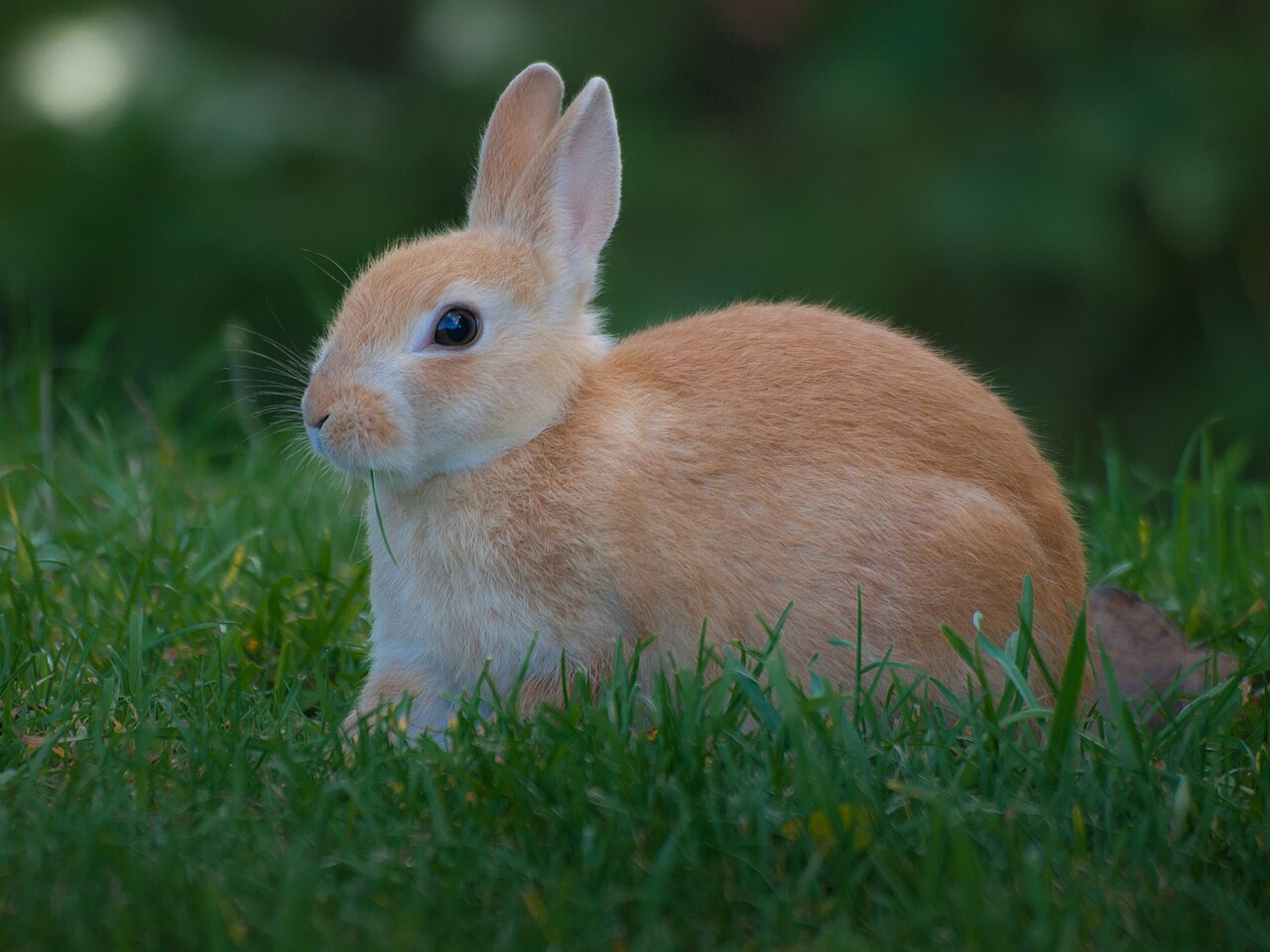
The meaning is an interpretation, not a fact about the animal and not a forecast. A rabbit has no plan for you. It is eating clover and watching for hawks. The value of the sighting lies in what you bring to it, the question already on your mind when the rabbit stops and looks back at you.
Where and when the rabbit appears shifts the message. A single calm rabbit in the open points to patience paying off. A rabbit that bolts across the road points to a quick decision. Repeated visits point to unfinished business that keeps asking for your attention, and the setting tells you which part of life it concerns.
| Sighting | Symbolic message | What the rabbit is actually doing |
|---|---|---|
| Crosses your path | A turn or decision ahead | Moving between cover and feeding ground |
| Same rabbit, again and again | A message you keep ignoring | Reusing runways inside a small home range |
| In the yard at dusk | Patience and quiet growth | Feeding in its crepuscular activity window |
| White rabbit outdoors | A pull toward something new | Lost pet or rare albino, not a wild cottontail |
| Baby rabbit alone | Something young that needs space | Resting in or near a hidden nest |
| Dead rabbit | An ending and a release | Possible disease, handle only with gloves |
Is Seeing a Rabbit a Good Omen?
Yes, seeing a rabbit is a good omen in most settings, tied to luck, abundance, and new growth. The animal’s fast breeding made it a symbol of plenty, and a rabbit in your garden points to things taking root. A sighting at the start of a project, a move, or a relationship works as encouragement to keep going. The rabbit shows up where food is good and cover is close, and that pairing of plenty and safety is the heart of the positive message.
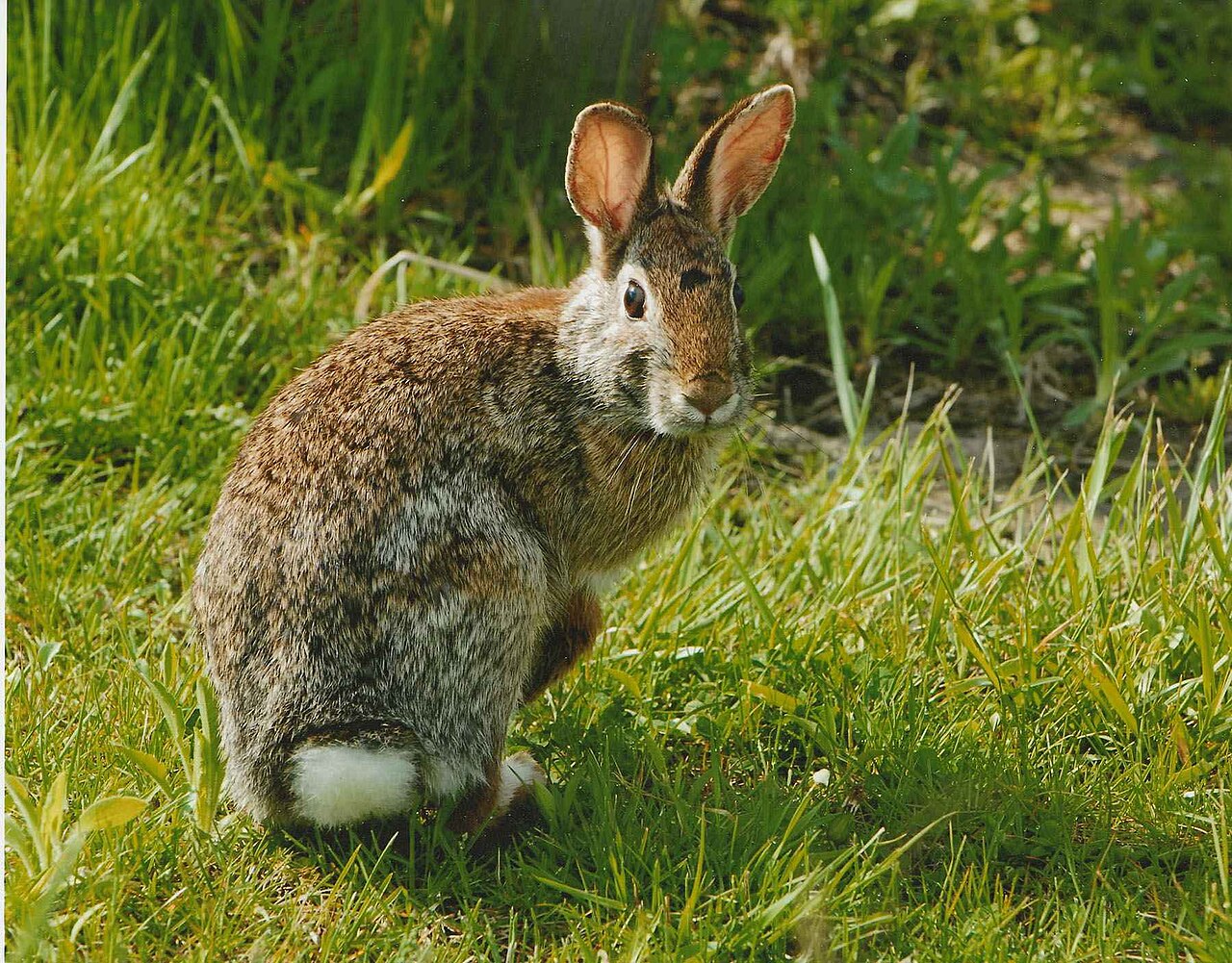
Warning readings exist, and they come from named places. In British folklore the animal that crosses your path and brings bad luck is the brown hare (Lepus europaeus), not the rabbit, and the belief grew from the hare’s old link with witches. The rabbit carries a caution of its own. Its whole life is vigilance, so a sighting tells you to check a deal, a route, or a promise twice before you commit.
The best use of a rabbit sighting is a pause. Stop where you are, notice what you were thinking about, and ask whether that thought needs more care or more courage. A rabbit freezes for a moment before it runs, and you can borrow that habit before you answer a hard message or sign a lease. Fear of a bad omen helps nobody, and a rabbit gives you no reason for it.
What Does It Mean When a Rabbit Crosses Your Path?
A rabbit crossing your path means a decision or a change of direction is close, and it asks you to move with care rather than haste. The animal crosses open ground only when it has to, between the cover it hides in and the food it needs. That makes the crossing a picture of risk taken for a good reason. When it happens to you, look at the choice you are weighing and the reason behind it.
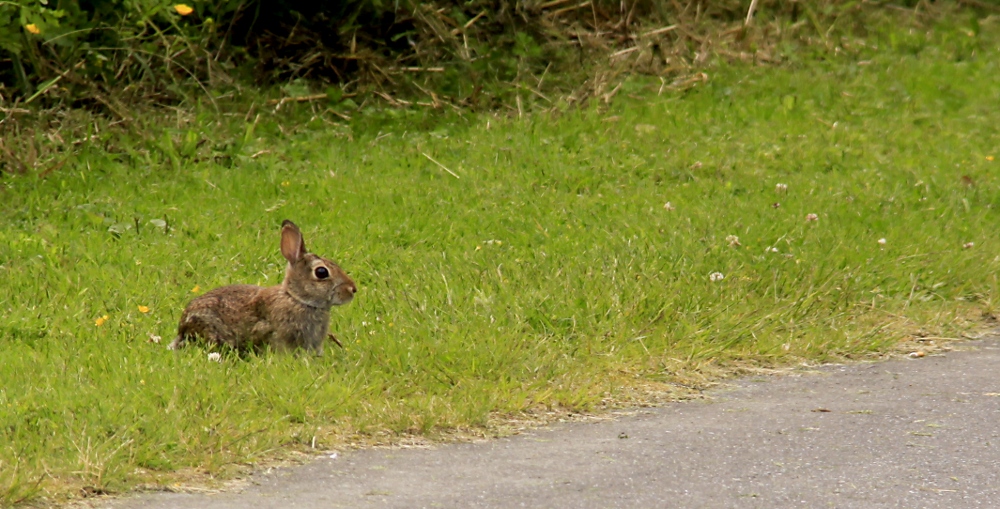
The direction and pace add detail. A rabbit that crosses calmly and keeps grazing on the far side points to a smooth transition that needs no drama. A rabbit that sprints in front of your car points to a fast change you need to meet with full attention, and also to the plain fact that rural roads deserve a slower speed at dawn and dusk. A rabbit that stops in the middle and looks at you asks you to stop too, before you choose.
Keep the rabbit apart from the hare here. British folklore about an unlucky animal on the road belongs to the hare, and so does the long link between hares, witches, and the moon. Hare symbolism and moon lore carry their own history, and moving those warnings onto a backyard cottontail mixes up two different animals. The Eastern cottontail (Sylvilagus floridanus), the rabbit most Americans see crossing a trail or a driveway, carries none of that baggage. Its crossing is a nudge toward a decision, made by an animal that weighs every step.
Rabbit Spirit Animal and Medicine: What Does a Rabbit Symbolize?
A rabbit symbolizes fertility, speed, and sensitivity to danger, and as a spirit animal it stands for a person who senses a room quickly and lands on their feet. Rabbit medicine is a modern spirit animal teaching, not a documented tradition of any single nation. It treats the rabbit’s traits as tools you can borrow when life asks for them. The teaching works best as a mirror for your own habits, not as a rule set.
Each trait has a bright side and a shadow side. Fertility becomes creativity and the ability to start many things, and its shadow is energy scattered across too many starts. Speed becomes quick thinking and fast recovery, and its shadow is running before you understand the threat. Sensitivity becomes intuition, and its shadow is fear that keeps you frozen long after the hawk has gone.
Rabbit medicine calls on the rabbit when fear is running the show. The teaching asks you to name the fear, check whether the danger is real, and then move with purpose. People who feel drawn to the rabbit as a totem tend to be gentle, observant, and fast to adapt to new places. Rabbit symbolism and omens in depth reach further than single sightings, from moon myths to trickster tales and totem meanings.
What Does a Dead Rabbit Symbolize Spiritually?
A dead rabbit symbolizes an ending and a release, the close of a phase that has run its course, and it is not a curse. Fertility and new life are the rabbit’s core meaning, so its death points to a cycle completing rather than to harm coming your way. Treat it as a prompt to let go of a plan, a habit, or a worry you have outgrown.
Safety comes before symbolism with a dead rabbit. Tularemia is a potentially serious illness caused by the bacterium Francisella tularensis, and rabbits, hares, and rodents are especially susceptible and often die in large numbers during outbreaks, according to the CDC page on tularemia. Skin contact with infected animals is one way people get infected. Wear gloves to move the body, and avoid mowing over it.
One dead rabbit on a lawn is a natural event, and several in a short span are a reason to call your state wildlife agency. Dead rabbit meaning depends on location and timing, and safe disposal follows a few fixed steps.
What Do Rabbits Symbolize Biblically?
In the Bible, the rabbit appears as an unclean animal under the dietary law, not as a symbol of luck or a sign from God. Leviticus 11:6 and Deuteronomy 14:7 list it among the animals Israel must not eat, because it chews the cud but does not have a divided hoof. Those are the only two passages that name it, and both sit inside food lists. Neither verse gives the animal a spiritual role beyond that rule.
The Hebrew word is arnevet, and English Bibles disagree on the animal. The King James Version says hare, while the New International Version says rabbit. The word most likely meant a hare, since wild hares lived in ancient Israel and the European rabbit did not. Check your own translation before you build a meaning on the English word.
The phrase about chewing the cud describes what an ancient observer saw, a rabbit or hare moving its jaw almost constantly. Rabbits are not ruminants. They practice cecotrophy, eating soft pellets from the cecum to digest plant fiber a second time, and that looks like cud chewing but works differently. No verse calls the rabbit an omen or a message from God, so any claim that scripture treats a rabbit sighting as a sign has no text behind it.
Rabbits in Other Religions and Cultures
Rabbits and hares sit at the center of moon myths in East Asia. In Chinese folklore the Jade Rabbit lives on the moon with the goddess Chang’e and pounds the elixir of immortality with a pestle, an image that returns every Mid-Autumn Festival on mooncake boxes. In Japanese folklore the tsuki no usagi, the rabbit in the moon, pounds rice into mochi instead. Look at a full moon, and the dark patches form the shape of the animal bent over its mortar.
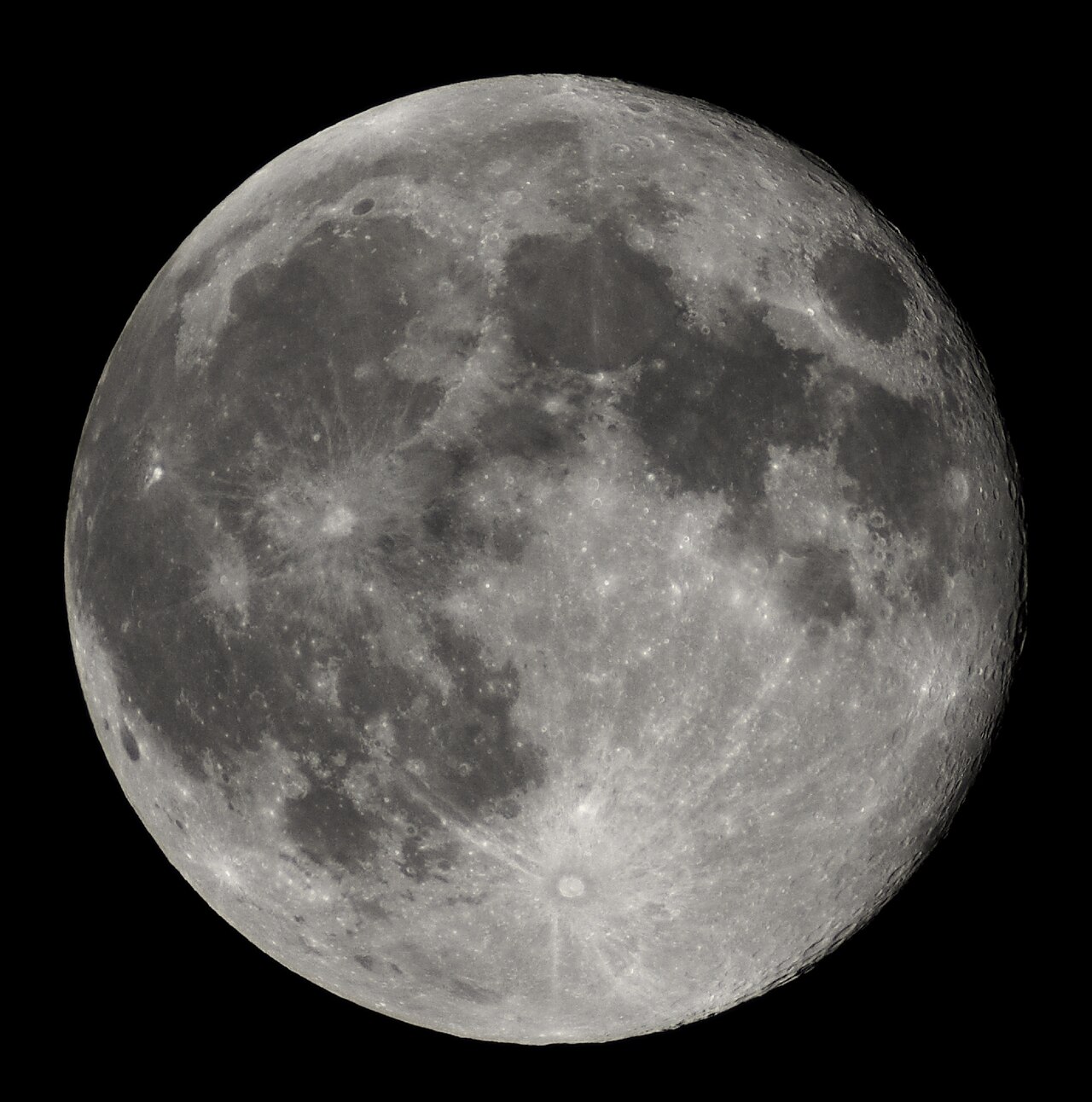
Buddhism gives the moon animal a moral story. In the Sasa Jataka, one of the tales of the Buddha’s earlier lives, a hare has no food to offer a hungry traveler and throws itself into the fire instead. The traveler is the god Sakka in disguise, and he paints the hare’s image on the moon to honor the sacrifice. In Aztec religion, the Centzon Totochtin, the four hundred rabbits, were gods of pulque and drunkenness, a crowd of divine rabbits tied to feasting rather than to omens.
In Cherokee tradition, Rabbit is a trickster, clever and boastful and caught out by his own schemes. James Mooney recorded these stories in Myths of the Cherokee (1900), including the tale of how Rabbit stole the Otter’s coat. Boudica, queen of the Iceni, released a hare from the folds of her dress before her final battle against Rome and took its running direction as a sign of victory, as Cassius Dio describes. That omen belongs to the hare and to ancient Britain, not to the cottontail in an American yard.
Rabbit Sightings by Situation: Yard, Dusk, White Rabbit, Baby Rabbit
Yard and dusk sightings are normal rabbit behavior, and the meaning comes from the timing in your life, not from rarity. Rabbits are crepuscular rather than nocturnal, active around dawn and dusk when low light gives them cover from hawks. A rabbit on your lawn at sunset is on its regular shift. The message it carries is steady growth and patience, a reminder that quiet routines build results.
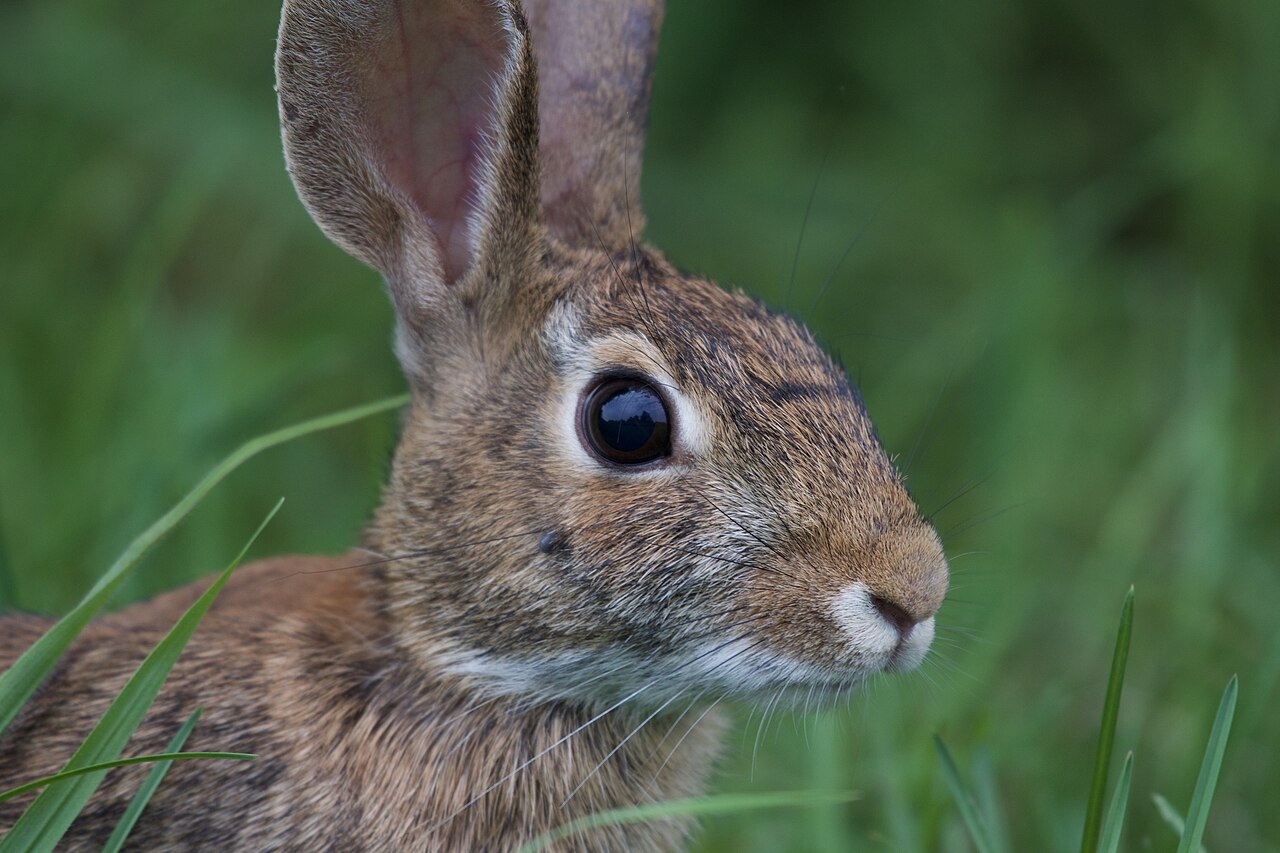
A white rabbit outdoors is either a domestic rabbit that escaped or was dumped, or a rare albino, since wild Eastern cottontails are brown with a white tail. No documented tradition makes a white rabbit an omen. A pet rabbit is poorly equipped for life outside, so the practical response is to contact a local animal shelter or rabbit rescue. Helping it home is the most useful thing that sighting asks of you.
A baby rabbit in your yard belongs in its nest, and the mother stays away during the day so she does not lead predators to it. Leave it where it is, keep pets and the mower away, and do not carry it indoors. The young rabbit also carries the sighting’s message, something new in your life that needs room more than handling.
Frequently Asked Questions
Why do I keep seeing rabbits?
Eastern cottontails live in a small home range and use the same runways along garden edges, so the same rabbit returns on schedule. The repeat still carries weight. A rabbit that keeps crossing your days points to unfinished business, a call you have not returned or a step you keep circling.
Is seeing a white rabbit lucky?
No. No documented tradition makes a white rabbit lucky. The modern link to new adventures comes from Lewis Carroll’s White Rabbit in Alice’s Adventures in Wonderland (1865), who leads Alice into a new world. Outdoors, a white rabbit is most likely a lost pet that needs help.
What does saying “rabbit rabbit” on the first of the month mean?
Saying “rabbit rabbit” as your first words on the first day of a month is a luck custom from English and American folk practice. It appears in Notes and Queries as early as 1909. The idea is that a lucky phrase spoken first sets the tone for the whole month.
Does seeing a rabbit mean pregnancy?
No. A rabbit sighting does not predict pregnancy, and no study or scripture links the two. The rabbit’s fast breeding made it a symbol of fertility, so the sighting fits a hope for growth, a family, or a creative project. Treat it as encouragement, not as a forecast about your body.
Is a hare the same as a rabbit?
No. Hares belong to the genus Lepus, have longer ears and legs, and give birth to furred young with open eyes, while cottontail kits are born naked and blind. The difference matters for symbolism, since British crossing-path omens, Boudica’s battle omen, and the Sasa Jataka all concern hares.
Can people catch a disease from wild rabbits?
Yes. People can get tularemia through contact with infected animals, especially rodents, rabbits, and hares, and the CDC reports naturally occurring cases from every US state except Hawaii. The illness can be life-threatening, but most infections can be treated successfully with antibiotics. Symptoms vary by route of infection.
Sources