Baby Mosquito Bites: What Soothes and When to Worry
A mosquito bite on a baby can look alarming, but most need only home care. A few signs, like spreading redness or a fever, mean the bite needs a pediatrician instead of a home fix.
Most mosquito bites on a baby need only soap, water and a cool compress, plus trimmed nails and a cool room for sleep. Under 2 months, use nets and clothing only, then add an EPA-registered repellent within its label age. Call the pediatrician for spreading redness, oozing or fever. Emptying standing water kills baby mosquitoes.
Why Babies Need Extra Protection From Mosquito Bites
Babies need extra protection because mosquito bites carry real disease risk in the US and a baby cannot defend itself. Infected mosquitoes spread West Nile virus throughout the United States, and the bite of an infected mosquito is the most common way people catch it.
Mosquitoes pick up the virus by feeding on infected birds. Baby birds and adult birds in your yard can carry the virus, which circulates between birds and Culex mosquitoes.
Blue jays and crows are among the birds most often killed by West Nile virus, so a dead one in the yard can signal the virus is active nearby.
A baby can’t swat, roll away or tell you a mosquito is landing. No vaccine or medicine prevents West Nile virus in people, so stopping the bite is the only protection.
What Happens When a Mosquito Bites a Baby
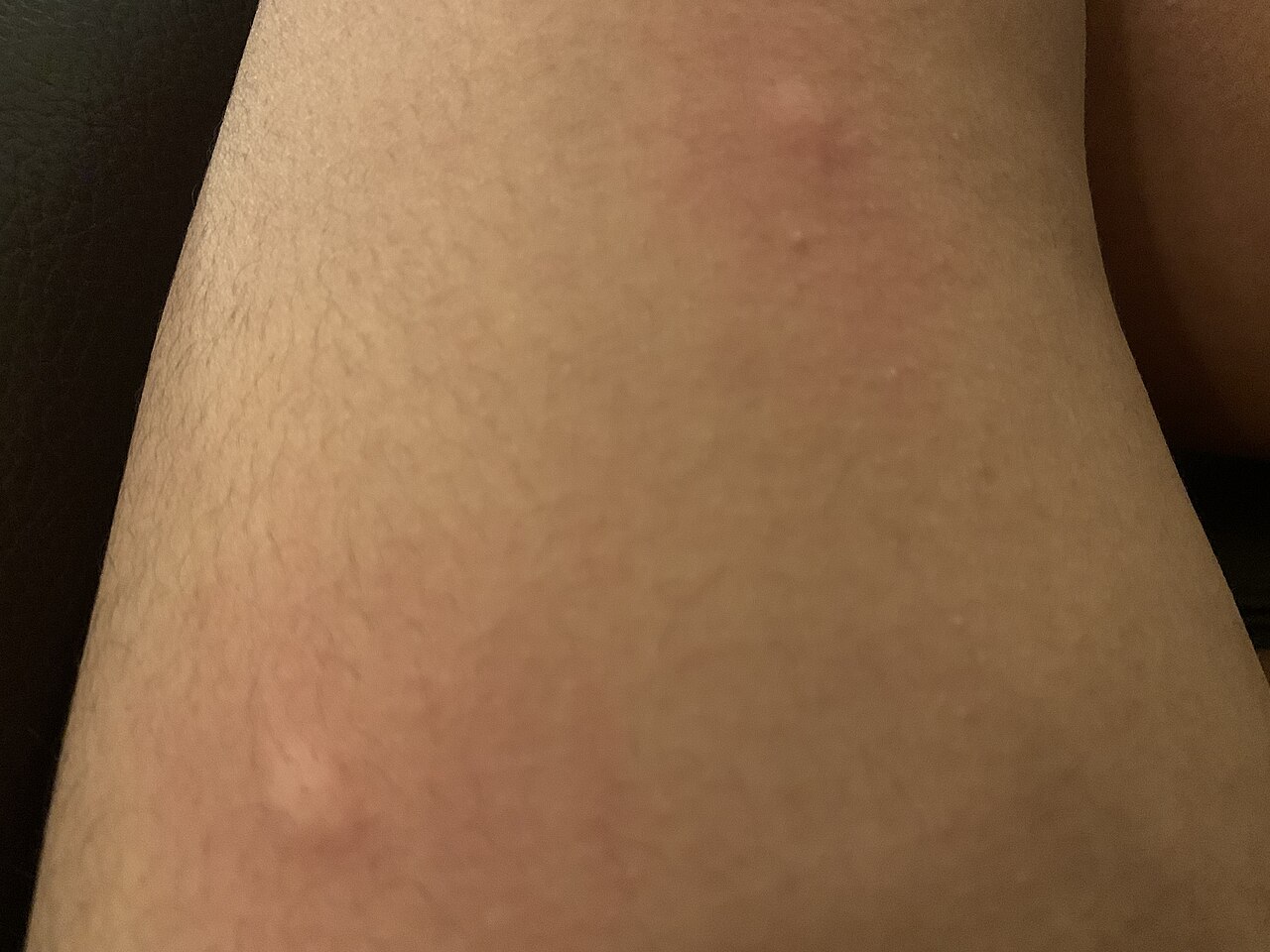
A mosquito bite on a baby turns into a puffy red bump, and on young skin it can look larger than the same bite on an adult. Wash the spot with soap and water. Then hold a cool, damp cloth on it for a few minutes and trim your baby’s nails so scratching does less damage.
Keep the nursery cool and dress your baby in light cotton sleepers with covered arms. Ask the pediatrician before using any anti-itch cream or antihistamine.
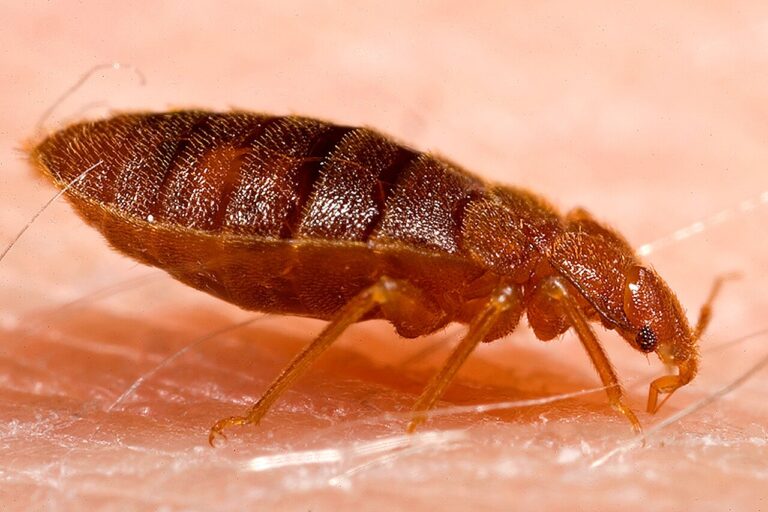
Bumps with no mosquitoes around can have another source, such as fleas or bed bugs. Small bumps in a row or cluster after sleep point more often to bed bugs, so check the crib mattress seams. A baby centipede turns up in bathrooms and basements but rarely bites people.
When a Baby’s Mosquito Bite Needs a Doctor
Call the pediatrician when a bite gets worse instead of better, or when your baby runs a fever after bites. Spreading redness, warmth or swelling that keeps growing is a sign of a skin infection from scratching. Oozing, crusting or pus on a scratched bite needs a check too.
Fever is a common symptom of West Nile virus, and illness can be severe. Most infections cause no symptoms at all. A baby who is feverish, unusually sleepy or fussy after bites needs a call to the pediatrician the same day. For a baby under 3 months, a temperature of 100.4 F (38 C) or higher needs a call right away, not later that day.
Safe Mosquito Repellents for Babies and Toddlers
A safe repellent for a baby is an EPA-registered product used at or above the minimum age printed on its label. Skin repellents registered with the EPA use one of a short list of active ingredients, namely DEET, picaridin, IR3535, oil of lemon eucalyptus (OLE), PMD or 2-undecanone. The CDC advises no insect repellent at all on babies younger than 2 months, and no OLE or PMD products on children under 3 years.
An adult applies it. Spray onto your own hands, then rub a thin layer onto exposed skin. Skip your baby’s hands, eyes and mouth, plus any cut or irritated skin, because babies put their hands in their mouths.
Wash treated skin with soap and water once you’re back indoors. Under 2 months, netting and covering clothing are the whole plan, with no spray at all.
Nets, Clothing and Screens for Protection Without Spray
You protect a baby from mosquitoes at home with barriers first. Drape netting over the crib, stroller or play yard so it stays taut and outside the sleep space, with the edges tucked and no gaps.
Dress your baby in long, light-colored sleeves and pants on warm evenings.
Check window and door screens before warm-weather nights and patch every hole. Mosquito sounds in the nursery after dark mean one got inside, so turn on the light and find it before your baby goes back down.
When Mosquitoes Bite Most by Time of Day and Season
Mosquitoes bite most from dusk through the night, but some species bite in daylight. Culex mosquitoes, the group most linked to West Nile virus, feed from dusk into night. Aedes species bite mainly during the day, so shade alone is no protection.
In most of the US, July through September is the worst stretch for mosquitoes, and most West Nile cases occur from summer through fall. Plan park time and walks away from dusk, and keep the stroller net packed anyway.
Bats hunt flying insects, mosquitoes among them, in those same dusk hours, but they don’t eat enough to replace a stroller net.
Baby Mosquitoes and How to Stop Larvae in Standing Water
You kill baby mosquitoes by taking away their water. The larvae, called wrigglers, hang just below the surface of still water and grow there until they become biting adults.
Empty and scrub buckets, toys, plant saucers and kiddie pools after every rain. Refresh birdbath water regularly, since larvae grow in it unnoticed.
Clear clogged gutters and sagging tarps that hold rainwater. For water you can’t drain, such as a pond or rain barrel, Bti mosquito dunks kill the larvae of mosquitoes, black flies and fungus gnats. They don’t harm people, pets or bees, but they don’t kill pupae or adult mosquitoes.
| Stage | What it looks like | Where you find it at home | How to stop it |
|---|---|---|---|
| Egg | Tiny dark specks or floating rafts | Rims of buckets, saucers and old tires | Scrub containers, don’t just rinse |
| Larva (wriggler) | Small bodies hanging under the surface | Birdbaths, kiddie pools, gutters | Dump the water or add Bti dunks |
| Pupa (tumbler) | Comma shape that tumbles when disturbed | The same still water as larvae | Drain before adults emerge |
| Adult male | Slender fly with feathery antennae | Shady shrubs and plants | Cut back standing water nearby |
| Adult female | Slender fly that lands to feed on skin | Porches, strollers, the nursery at night | Nets, screens, clothing, label-age repellent |
Frequently Asked Questions
Can West Nile virus pass from mother to baby?
Yes, but rarely. The CDC lists mother to baby as one of the few ways people pass West Nile virus, alongside blood transfusions and organ transplants. Most infections still come from the bite of an infected mosquito, and there is no vaccine or medicine, so preventing bites is the best protection for everyone, including a pregnant parent.
Can a sick family member give West Nile to a baby?
No, not through everyday contact. West Nile virus does not spread through coughing, sneezing or touching, and people are dead-end hosts, so their blood does not carry enough virus to infect a biting mosquito. A sick sibling or parent can hold the baby.
Do dryer sheets repel mosquitoes?
No. Dryer sheets are made to scent laundry, not to repel insects, and they give no reliable protection against bites. Keep them out of cribs, strollers and car seats, where a baby can grab and mouth them.
What smell do mosquitoes hate?
Citronella is the best-known plant scent sold to keep mosquitoes away, but its effect fades fast, so candles and wristbands give short, patchy protection. Citronella candles also put smoke and an open flame near a baby, so keep them away from the stroller and play yard.
What eats baby mosquitoes?
Dragonfly nymphs and small fish eat mosquito larvae in ponds and water gardens. Containers, saucers and birdbaths rarely hold predators, so emptying them stays the main job around a home with a baby.
Sources