Red Diamond Rattlesnake: California’s Largest Rattler and How Dangerous It Is
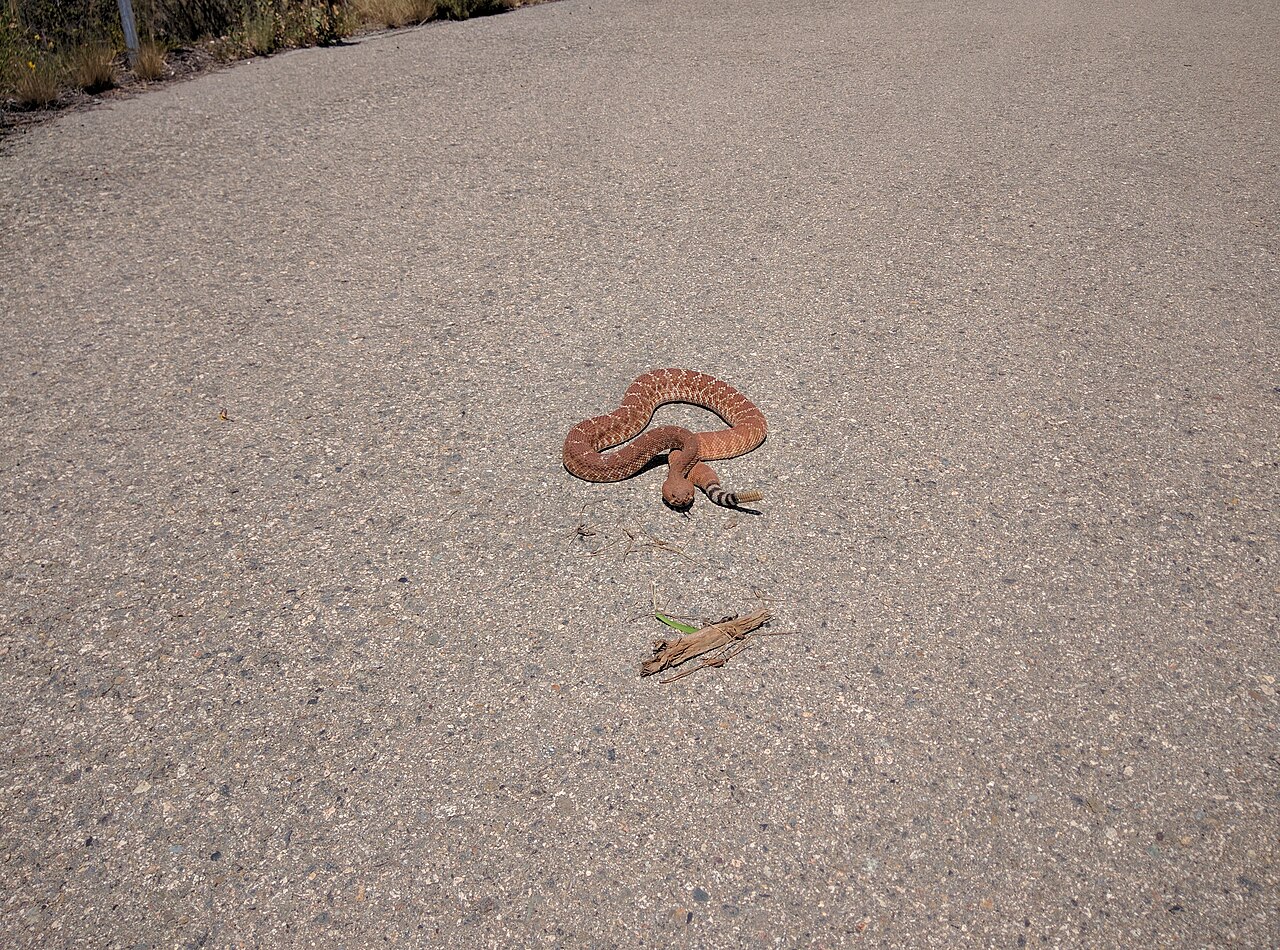
The red diamond rattlesnake is the largest rattlesnake in California, a heavy bodied pit viper with brick red to pinkish scales, pale edged diamond blotches and a black and white banded tail. Adults usually measure 3 to 4.5 ft (91 to 137 cm), and the biggest verified individuals pass 5 ft (152 cm).
Most encounters happen on a rocky chaparral slope, a coastal canyon trail at dusk, or a suburban yard backing onto open ground. The snake is slow to rattle, which is why hikers in San Diego and Riverside counties walk past one without knowing it was there.
The red diamond rattlesnake (Crotalus ruber) is a venomous pit viper of southwestern California and Baja California, 3 to 4.5 ft long, reddish brown with white bordered diamond blotches and a black and white tail. Its venom is moderately toxic but delivered in large volume, so every bite is a medical emergency. It is a California Species of Special Concern.
| Feature | Red diamond rattlesnake |
|---|---|
| Scientific name | Crotalus ruber |
| Adult length | 3 to 4.5 ft (91 to 137 cm), records over 5 ft (152 cm) |
| Color | Brick red, tan pink or rusty brown with white edged diamonds |
| Venom | Mainly hemotoxic, low toxicity per drop, very high yield |
| Range | Southwestern California south through Baja California |
| Status | California Species of Special Concern |
How to identify a red diamond rattlesnake
Start with color, because no other rattlesnake in California is this red. The ground color runs from dusty pink through tan to strong brick red, and 28 to 42 dark diamond shaped blotches run down the back, each outlined in cream or white scales.
The tail settles it. This species has crisp black and white bands above the rattle, the black ones roughly as wide as the white. Its neighbor the Mojave rattlesnake shows white bands much wider than the black, and the western diamondback looks salt and pepper rather than red. Two pale diagonal stripes cross the face, and the head is broad and clearly wider than the neck.
How venomous is a red diamond rattlesnake?
Venomous enough to put an adult in intensive care, though not among the most toxic rattlesnakes in North America. Its venom potency sits well below that of the Mojave rattlesnake, because most populations lack the neurotoxin that makes Mojave bites so feared. What Crotalus ruber has instead is size: a large adult can deliver several hundred milligrams of venom in one bite.
The venom is primarily hemotoxic. It destroys tissue around the bite, interferes with clotting, and causes rapid swelling, intense pain and internal bleeding. Treatment is antivenom in a hospital, not a tourniquet, not a cut, not suction. Keep the person calm, hold the limb below heart level, remove rings and watches, and call 911.
Where red diamond rattlesnakes live
The entire United States range sits in one corner of southwestern California: Orange, Riverside, San Bernardino, San Diego and Imperial counties, from the coast inland to the desert edge, then south through almost all of Baja California and onto several Gulf of California islands. It occurs from sea level to about 5,000 ft (1,520 m).
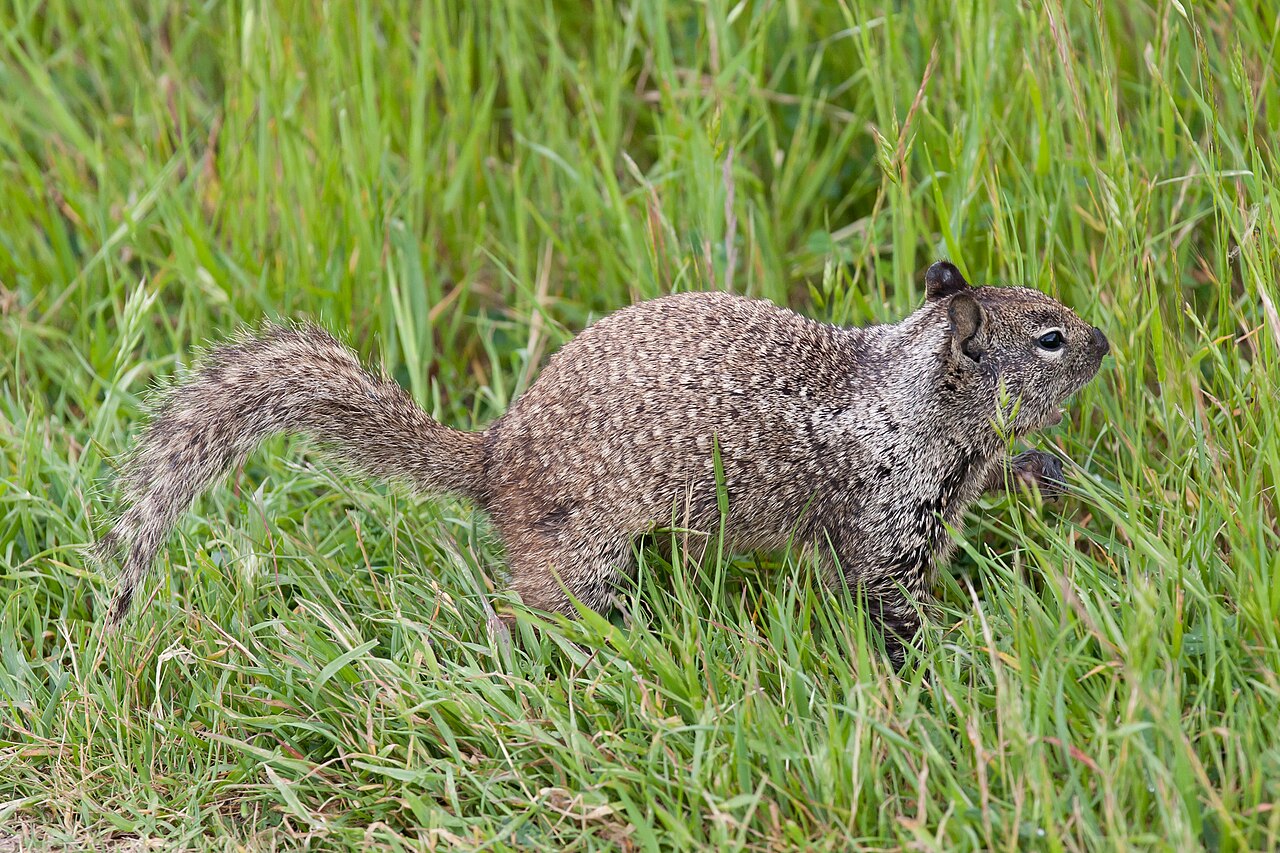
Within that range it wants heavy cover on broken ground: coastal sage scrub, chaparral, rock outcrops, boulder piles and dense cactus thickets. Ground squirrels, wood rats, rabbits and lizards make up most of the diet, and adults ambush from the same crevices year after year. Kingsnakes and raptors such as the red shouldered hawk hunt them in turn.
Is the red diamond rattlesnake protected in California?
It carries a status, but not the kind most people assume. The California Department of Fish and Wildlife lists Crotalus ruber as a Species of Special Concern, an advisory designation that flags habitat loss and road mortality without the legal shield a threatened or endangered listing would bring. Housing development across coastal San Diego and Riverside counties is the main pressure on the population.
Can you get fined for killing a rattlesnake in California? Yes, in some places. Killing or collecting reptiles is prohibited in state parks, national parks and most preserves, and state take rules have changed in recent years. Confirm the current regulations with the California Department of Fish and Wildlife first, and remember that a snake left alone almost always leaves on its own.
What attracts rattlesnakes to your yard?
Rodents and cover, in that order. A rattlesnake follows wood rats and ground squirrels, and those follow bird seed, fallen fruit, pet food and compost. Once prey is present the snake needs shade: a wood pile, a rock border, dense ivy, a gap under a shed, or stacked lumber where you would otherwise only find wood spiders.
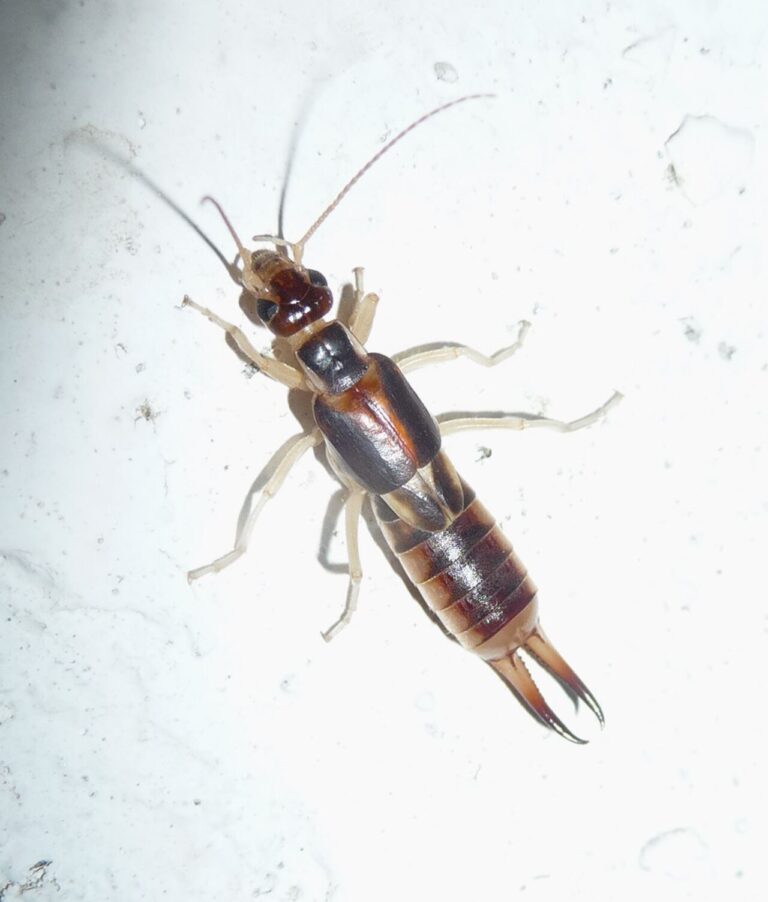
Remove the cover and the rodents and the snake has no reason to stay. Keep grass short, move wood piles off the ground and away from the house, seal gaps wider than half an inch, and rake leaf litter where earwigs gather and draw in lizards. What smell do snakes hate most? Sulfur, mothballs, cinnamon and clove oil all get recommended, and none has held up in controlled tests, much like the folk remedies aimed at a red house spider indoors.
Frequently Asked Questions
Can you survive being bitten by a diamondback rattlesnake?
Almost always, if you reach a hospital. Roughly 7,000 to 8,000 people are bitten by venomous snakes in the United States each year and about five die, a survival rate above 99 percent with antivenom. Untreated bites from large diamondbacks are far more dangerous, and permanent tissue damage is common.
What is the deadliest rattlesnake?
Two answers, depending on the measure. The eastern diamondback (Crotalus adamanteus) causes the most serious and fatal bites in the United States because of its size and venom yield. The Mojave rattlesnake has the most toxic venom per drop, thanks to a neurotoxin the red diamond rattlesnake usually lacks.
What do you smell if a rattlesnake is near?
Some people report a musky, cucumber like or slightly sour odor, which comes from musk a disturbed snake releases from glands near the tail. It is real but unreliable: the smell only appears once the animal is already alarmed, and plenty of encounters happen with no odor at all. Never treat your nose as a detection system.
Why do you bury a rattlesnake head?
Because a severed head keeps its bite reflex for up to an hour and the fangs stay loaded with venom. People and dogs have been envenomated by stepping on or picking up a detached head. If a snake has been killed, the head gets buried deep or sealed in a container, never left on the ground.