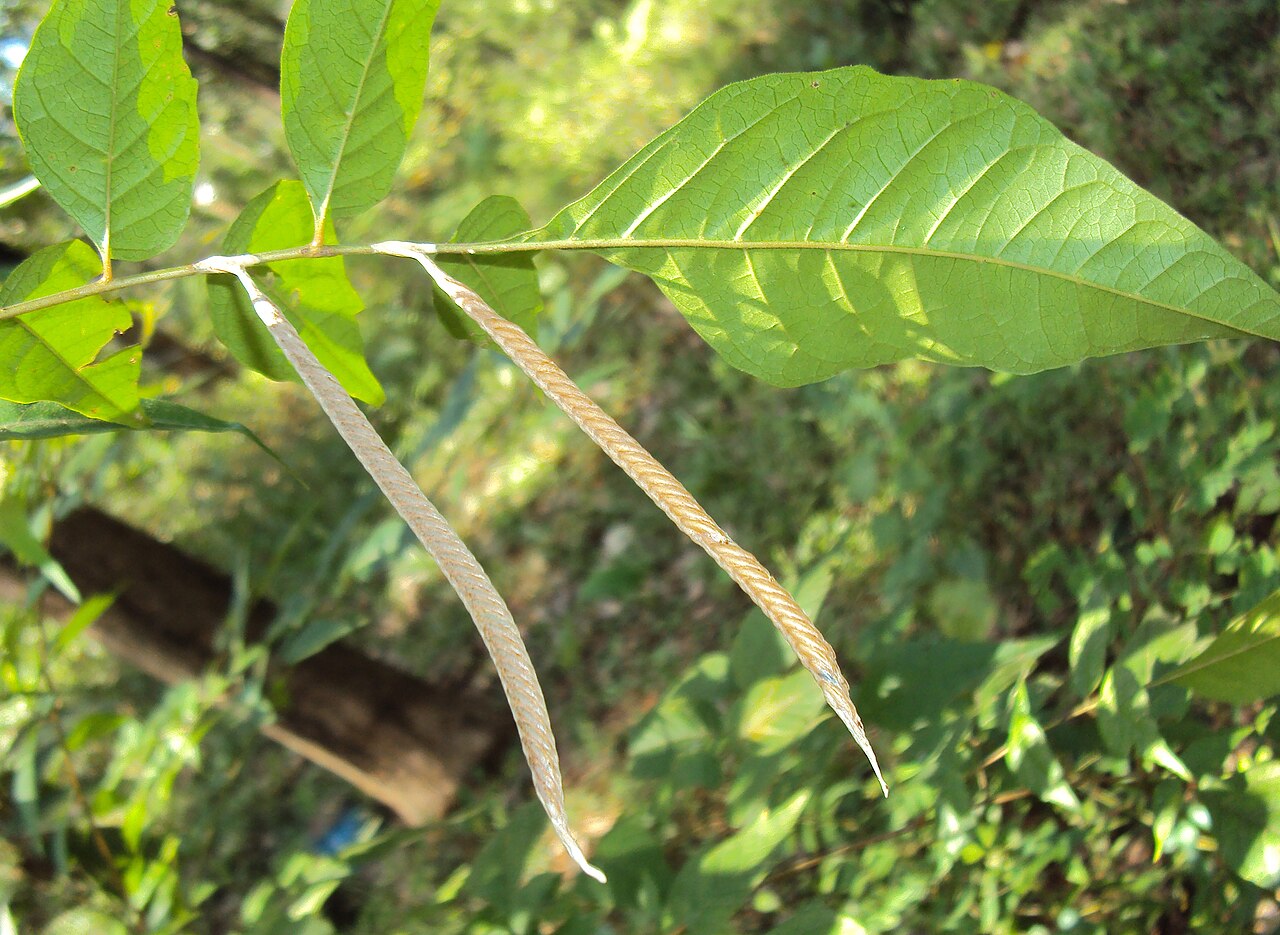
Praying Mantis Eggs: What the Case Is and When It Hatches
Praying mantis eggs are not laid one by one. A female packs 50 to 400 of them into a single foam case called an ootheca, glues it to a stem, fence rail or siding board in late summer, and then dies before winter. That tan, papery lump you found on a twig in October is the whole next generation of mantises in your yard.
Most people meet praying mantis eggs by accident, while pruning in fall or cleaning a garden bed in spring. The case looks like hardened spray foam and is easy to knock off without knowing what it was.
Praying mantis eggs come in a foam case called an ootheca that holds 50 to 400 eggs. Laid in late summer or fall, it overwinters outdoors and hatches in spring once temperatures hold near 70 F (21 C) for a week or two. Leave it outside and do not bring it into a heated house.
| Question | Quick answer |
|---|---|
| Eggs per case | 50 to 400, depending on species and female size |
| Cases per female | 1 to 6 over one fall |
| When laid | Late August through October in most of the US |
| When it hatches | Spring, after 3 to 6 weeks of warmth above 70 F (21 C) |
| Case size | 0.5 to 2 in (1 to 5 cm), tan to light brown |
| Survival to adult | Roughly 1 in 5 nymphs, often far fewer |
What a Praying Mantis Egg Case Looks Like
An ootheca starts as a whipped froth from glands at the tip of the female’s abdomen and hardens within hours into a light, corky shell. Shape identifies the species. The Chinese mantis (Tenodera sinensis) leaves a rounded tan blob the size of a walnut, the European mantis (Mantis religiosa) a narrower elongated case, and the native Carolina mantis (Stagmomantis carolina) a slim flattened case with a ridge down one side.
Cases turn up on woody stems, ornamental grasses, deck rails, brick and patio furniture, usually 1 to 4 ft (30 to 120 cm) off the ground. Fresh ones are firm and tan. If it is chalky white, hollow, and shows a row of tiny exit flaps along the ridge, it hatched last spring. For comparison with other insect clutches, see ladybug eggs and stink bug egg masses.
How Long Does a Praying Mantis Egg Take to Hatch?
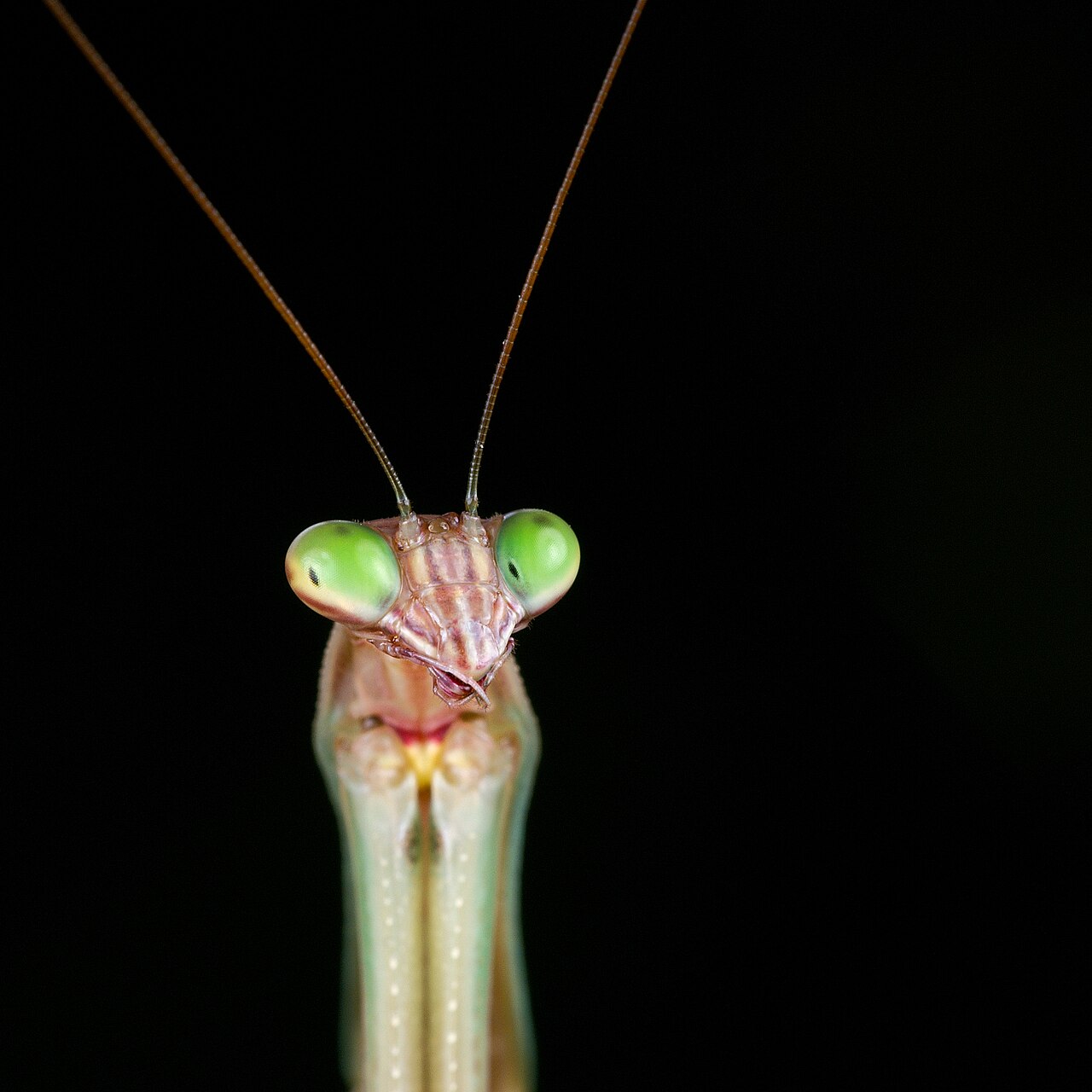
It depends on when you start counting. Eggs laid in September do not develop through winter, they sit in diapause, a paused state most temperate species require before they will hatch at all. That cold period is why a case kept on a warm windowsill often produces nothing.
Once spring warmth arrives, development takes about 3 to 6 weeks at steady temperatures near 70 to 80 F (21 to 27 C). In practice that puts hatching between late April and early June across most of the US, and hatching is fast when it comes. The nymphs emerge over 1 to 2 hours, dangle from silk threads, and scatter within minutes. Each one is a miniature adult, and what happens next is covered in our guide to the praying mantis nymph stage.
What to Do If You Find a Praying Mantis Egg Sack
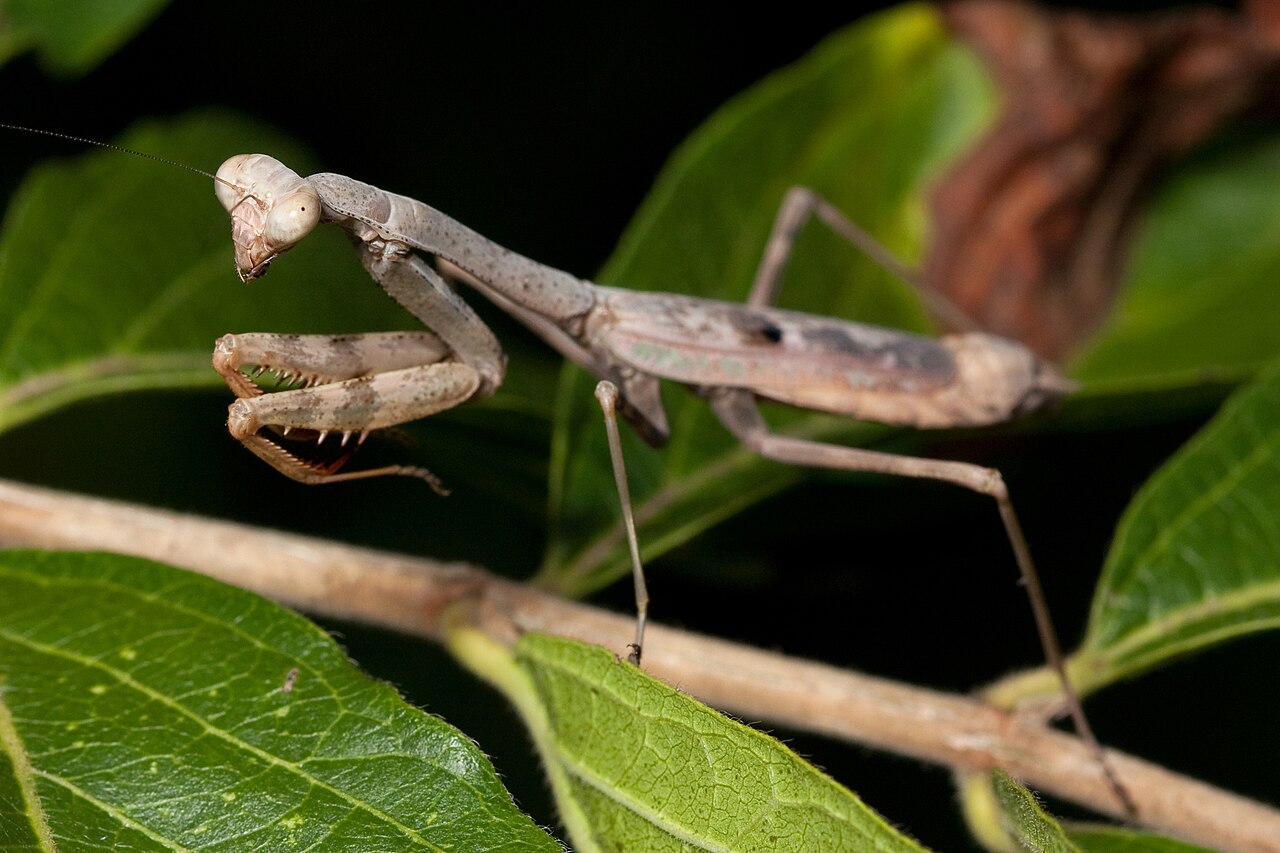
Leave it where it is. That is the right answer in nearly every case, because the female chose a site with the wind exposure and humidity her eggs need. If the branch has to come off, cut the stem a few inches on either side of the case and wire or tie that section to another shrub in the same yard, at a similar height, out of direct afternoon sun.
If the case is on siding or a mailbox, slide a putty knife flat under the base, lift, and attach it outdoors with a twist tie. The one thing to avoid is bringing it inside. A heated room triggers early development, and a few hundred nymphs hatching indoors in February will cannibalize each other within days.
Should You Destroy Praying Mantis Eggs?
It turns on which species laid the case. Native mantises such as the Carolina mantis belong in North American insect communities and are worth keeping. The Chinese and European mantises are introduced, large enough to take hummingbirds and pollinators, and some conservation groups recommend removing their cases.
For a typical home garden, destroying a case buys you very little. Mantises eat pest and beneficial insects alike, so they are not the pest control tool they are sold as, but they do no measurable harm either.
How Long Will a Mantis Live After Laying Eggs?
Not long. A female that lays in September usually has 2 to 8 weeks left, and the first hard frost ends it. She may produce several cases in that window, each smaller than the last. Adults of temperate species do not overwinter.
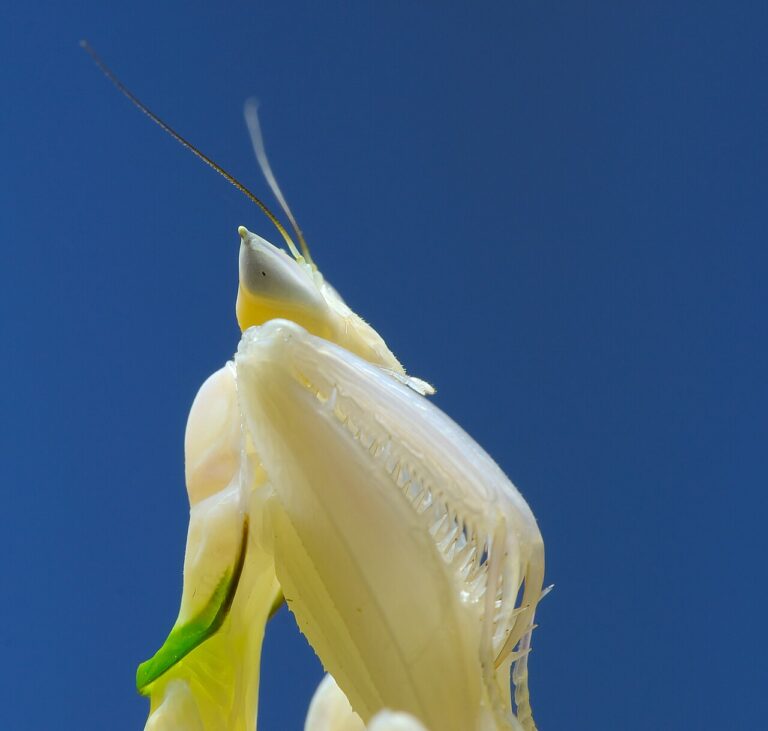
Sexual cannibalism shortens that window for males, though it is far less universal than its reputation suggests, and field studies put it well below the rates seen in lab containers. The details of that pairing are in our guide to the female praying mantis, and the tropical species that break most of these rules include the striking orchid mantis. For regional timing where you live, county extension offices such as University of Illinois Extension publish local mantis records.
What Smells Do Praying Mantises Hate?
There is no reliable repellent, which is worth saying plainly. Mantises are ambush predators that stay where prey is, and the citrus, peppermint and vinegar sprays sold for insect control have no tested effect on them.
The same goes for the case. Nothing sprayed on an ootheca stops it hatching, and oil based products may kill the eggs outright rather than move them. To get fewer mantises on a patio, cut the night lighting that draws the moths and flies they hunt.
Frequently Asked Questions
My praying mantis laid eggs. What should I do?
If she laid on a potted plant or in an enclosure, move the whole container to an unheated garage or shed for the winter, then put it outdoors in April. If she laid on a garden plant, do nothing at all. The case is built to survive snow, ice and rain without any help.
How many praying mantis eggs are in one case?
Between 50 and 400, with Chinese mantis cases at the high end and small native species near the low end. Very few reach adulthood. Birds, ants, spiders, parasitic wasps and older siblings take most of them in the first weeks after hatching.
What is the natural enemy of a praying mantis?
Egg cases are attacked by tiny parasitic wasps that lay inside them, and hatchlings are eaten by ants, spiders and birds. Adults are taken by birds, shrews and bats. Larger mantises also kill each other, which makes other mantises one of their most consistent predators.
Will a praying mantis bite you if you pick it up?
Rarely, and it is harmless when it happens. A mantis has no venom and no sting. A large female may grab a finger with her spined forelegs and pinch hard enough to startle you, but the skin is seldom broken. She is not poisonous to touch, and neither are her eggs.
What’s the lifespan of a praying mantis?
About one year in temperate North America, and most of that is spent as an egg or a nymph. Hatchlings appear in spring, molt six to nine times through summer, reach adulthood in late summer, and die with the first hard frost. Tropical species can live noticeably longer.
Can you buy praying mantis egg cases for the garden?
Yes, usually as Chinese mantis cases sold for pest control. Results are modest. The nymphs scatter at once, eat whatever they meet including each other, and rarely stay in the bed you released them in.