Are Rabbits Nocturnal? No, They Are Crepuscular: Here Is Why
Rabbits are not nocturnal. They are crepuscular, which means their two big activity peaks fall at dawn and at dusk, and the question “are rabbits nocturnal” almost always comes from seeing one grazing in the half light before sunrise. A rabbit in your yard at 5 a.m. is not breaking its schedule. It is keeping it.
The confusion is easy to understand. Most people are asleep during the two windows when rabbits are busiest, so the only sightings they get are in near darkness. Pet owners run into the same thing from the other side: a house rabbit that bangs around its pen at 4 a.m. looks nocturnal, even though it will sleep through most of the afternoon. Below is what the schedule really looks like, hour by hour, for both wild cottontails and pet rabbits, plus what draws wild rabbits into a yard after dark and what hunts them there.
Rabbits are crepuscular, not nocturnal. They are most active in the two hours around sunrise and the two hours around sunset, rest through the middle of the day, and sleep in broken stretches at night. Low light gives them cover from both daytime hawks and fully nocturnal predators.
| Time of day | Wild cottontail | Pet rabbit |
|---|---|---|
| Before dawn to about 8 a.m. | Peak feeding, grazing in the open | Awake, loud, begging for food |
| Mid morning | Retreats to brush or a form | Grooming, then first nap |
| Midday to mid afternoon | Deep rest, rarely visible | Longest sleep block of the day |
| Late afternoon to dark | Second peak, heavy feeding | Second peak, binkies and chewing |
| Middle of the night | Short feeding bouts, light sleep | Short feeding bouts, light sleep |
Are Rabbits Nocturnal or Crepuscular?
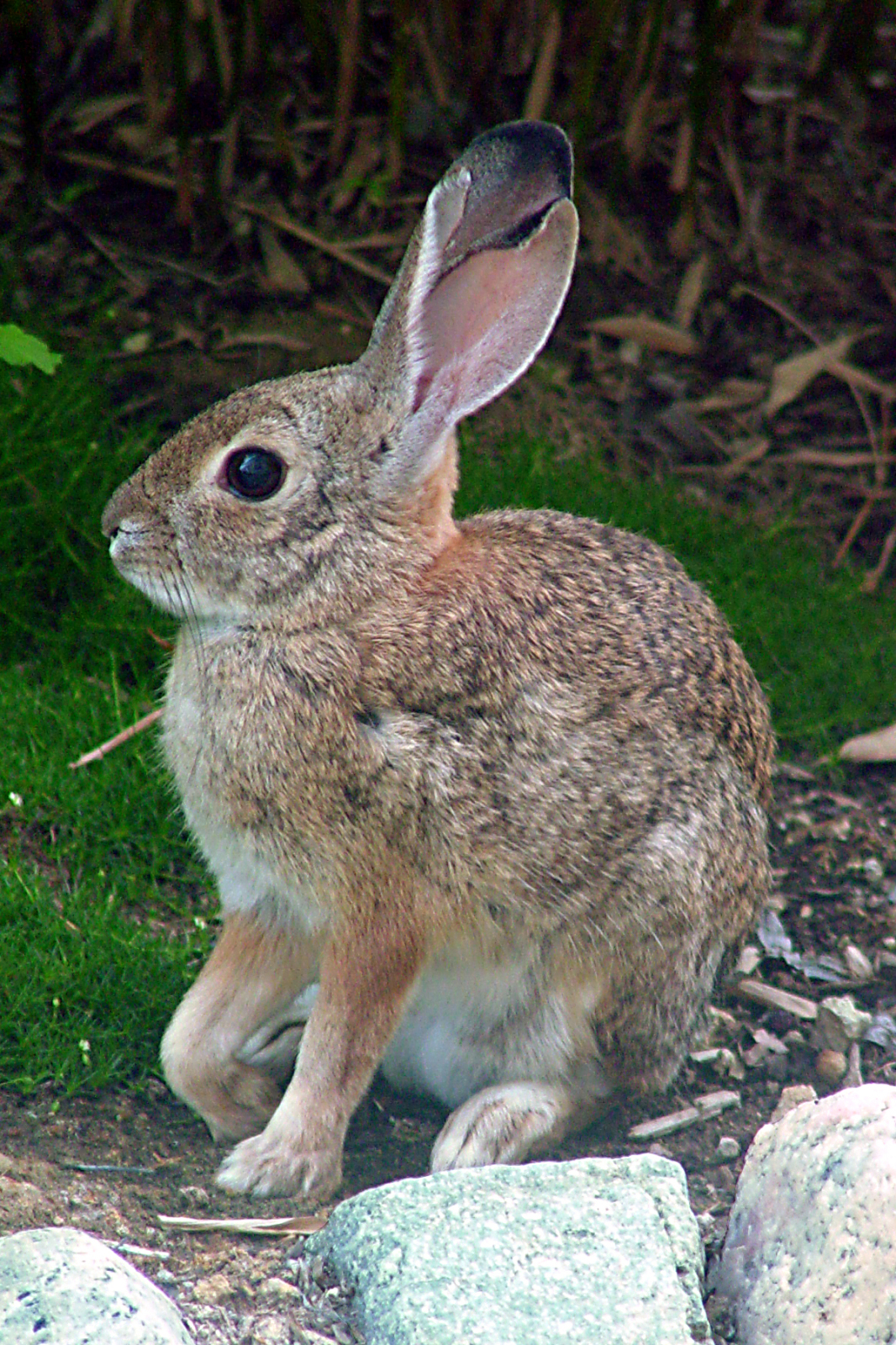
Crepuscular is the correct word, and it is not a technicality. A nocturnal animal does the bulk of its work in full darkness and sleeps through daylight. A crepuscular animal concentrates its activity into the narrow bands of twilight at each end of the day. Eastern cottontails (Sylvilagus floridanus), desert cottontails (Sylvilagus audubonii), and domestic rabbits (Oryctolagus cuniculus) all follow the twilight pattern.
The physical evidence backs it up. A rabbit’s eye is built for dim light, not for blackness: it has a high proportion of rod cells and a reflective layer behind the retina, but it lacks the extreme adaptations that true night hunters carry. In full dark a rabbit sees poorly enough that it leans heavily on hearing and smell instead. Twilight is the light level its vision is actually tuned to.
Are Rabbits Active at Night?
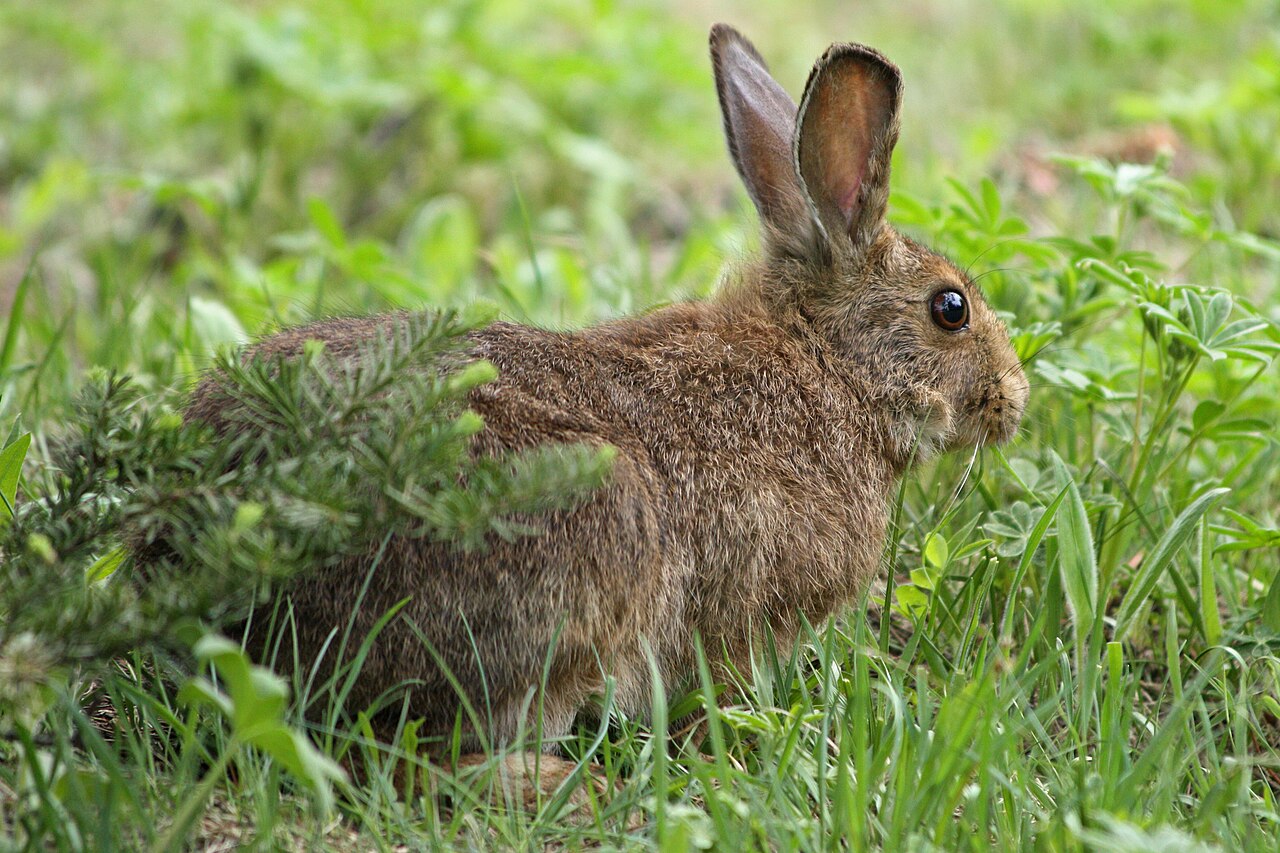
Yes, but not in the sustained way a raccoon or an opossum is. Wild rabbits take short feeding bouts through the night, often ten to twenty minutes at a time, then settle again. Cameras set on suburban lawns pick up this pattern reliably: scattered small visits after midnight, then a long hard feeding session as the sky starts to lighten.
So if you see a rabbit at 1 a.m., nothing is wrong with it. You have caught one of the in between bouts. The animal is not running a nocturnal schedule; it is filling gaps between the two peaks that matter. For animals that genuinely work the whole night, see our list of nocturnal animals.
Do Rabbits Come Out to Eat at Night?
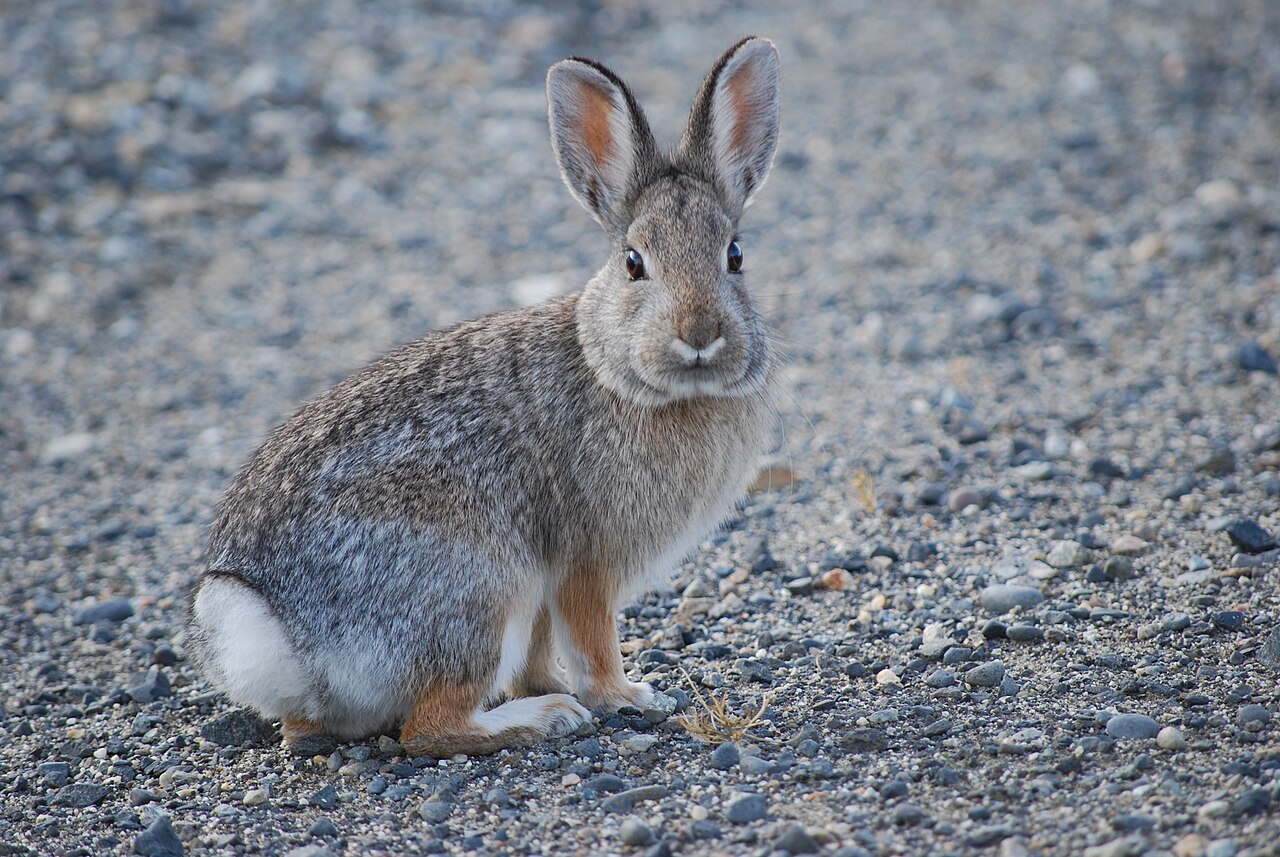
They eat at night, and they also eat twice. Rabbits practice cecotrophy: they produce soft, nutrient rich pellets called cecotropes, usually during the resting hours, and eat them directly as they are passed. This second pass through the gut is where much of their protein and B vitamins come from, and it is the reason a rabbit can graze fast in the open and finish digesting later in safety.
That habit shapes the whole schedule. The dangerous work, cutting grass and clover in the open, gets compressed into the twilight windows. The safe work, reprocessing what was swallowed, happens in cover during the day and through the night. If you never see your pet rabbit eating cecotropes, that is normal; they take them straight from the source.
Why Rabbits Evolved a Dawn and Dusk Schedule
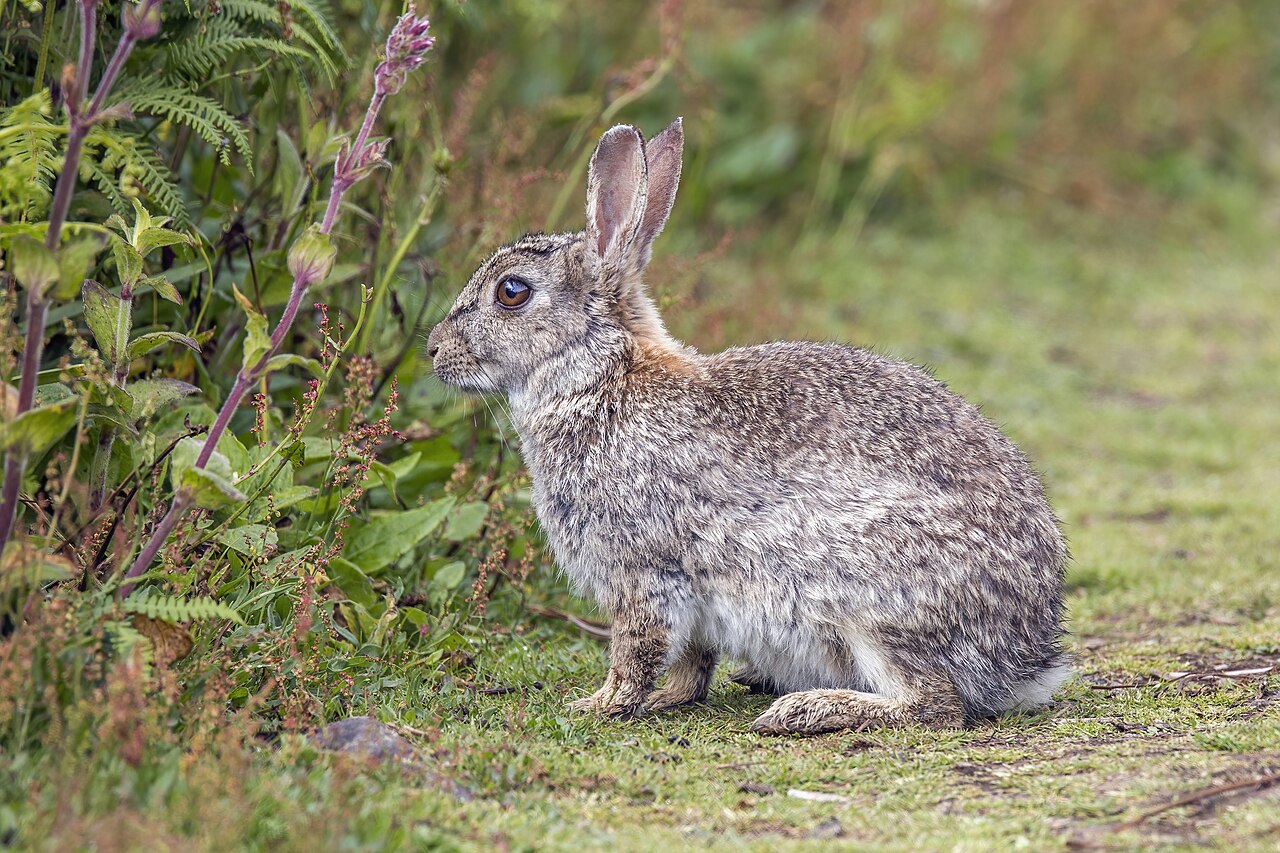
Twilight is a gap in the predator roster. Hawks and other daytime hunters rely on bright light and are mostly off duty at dusk. Owls, foxes, and coyotes hunt best in full darkness. Rabbits slot themselves into the seam between those two shifts, when neither group is at its sharpest.
Body temperature matters too. Rabbits shed heat poorly, since they cannot sweat and rely on blood flow through their ears. Feeding in the cool of early morning and evening avoids the worst heat load of the day, which is why desert species hold to the pattern even more strictly than eastern ones. Several yard mammals arrived at similar compromises; compare the schedules of deer and squirrels.
A Rabbit’s Day, Hour by Hour
The pre dawn block is the heaviest feeding of the entire day. A wild cottontail leaves cover roughly an hour before sunrise and grazes hard until the light is full, then moves back into brush. Around mid morning it settles into a form, a shallow depression pressed into grass or soil, and mostly stays there.
Midday is the quiet hole in the schedule. The rabbit dozes with its eyes partly open, ears up, in short sleep cycles that last only a few minutes each. Late afternoon brings the second peak, which usually runs until an hour or so after sunset. After that comes the broken night: rest, short feeding bouts, more rest, until the cycle turns over again before dawn.
Are Wild Rabbits Nocturnal in the Winter?
Rabbits do not hibernate, and winter does not flip them to a night schedule. What changes is the timing of the twilight windows themselves, which slide earlier and closer together as days shorten. A rabbit that fed at 8 p.m. in July may be finished by 5 p.m. in December.
Cold pushes activity toward the warmer end of each window and stretches it out. When snow covers ground forage, rabbits shift to bark, twigs, and buds, which means more time spent working shrubs and young trees. This is when orchard and garden damage spikes, and it is the season when homeowners most often mistake heavier daytime feeding for a change of habits. It is not a change of habits. It is hunger.
Do Pet Rabbits Keep the Same Schedule?
Mostly yes, with a household shift. Pet rabbits keep the crepuscular peaks, so early morning and evening are when they eat, dig, chew, and demand attention. Many will partly adjust their timing to when their people feed them, and a rabbit fed at 7 a.m. and 7 p.m. will usually plan its noise around those two events.
What does not change is the middle of the day. A pet rabbit that sleeps from 11 a.m. to 4 p.m. is behaving exactly as it should, and waking it repeatedly for handling is a common source of stress. Feed on a steady schedule, keep hay available at all times, and let the afternoon rest block alone. Young rabbits nap even more, in shorter and more frequent stretches.
What Is the 3-3-3 Rule for Bunnies?
The 3-3-3 rule is an adoption guideline, not a biology fact, and it describes how long a new rabbit takes to settle: about 3 days to stop feeling acutely threatened, about 3 weeks to learn the household routine, and about 3 months to show its full personality. It comes from shelter practice and is applied to dogs and cats as well.
It is worth knowing because it overlaps with the schedule question. In the first days a frightened rabbit hides through the light hours and only moves at night, which looks nocturnal. As it settles, the normal dawn and dusk peaks reappear. If a rabbit is still strictly night active after several weeks in a quiet home, treat that as a sign of ongoing stress rather than a preference.
What Kills Rabbits at Night Naturally?
Almost everything with teeth. Great horned owls, red foxes, coyotes, bobcats, weasels, and free roaming domestic cats all take rabbits, and owls and foxes do most of that work after dark. Domestic dogs account for a large share of suburban losses, often by chasing rather than catching, since rabbits can die from the stress of a pursuit alone.
Adult survival in the wild is genuinely poor. Most wild cottontails do not reach their second year, and annual mortality above 70 percent is common in studied populations. That pressure is exactly why the twilight schedule exists, and why any rabbit outside cover moves in short bursts with long pauses. Foxes overlap with the dusk window closely enough to make it the riskiest hour of the rabbit’s day.
What Attracts Rabbits to My Yard?
Three things: food, cover, and edges. Clover, dandelion, young vegetable shoots, tulips, and fresh lawn growth are all first choice forage, and a fertilized lawn is more attractive than a neglected one. Cover means brush piles, deck skirting, dense shrubs, tall grass along a fence, and anything a rabbit can bolt under within a few seconds.
The edge between the two is what really sets the yard up. A rabbit wants to feed within a short dash of shelter, so lawn that runs straight into a hedge or woodpile is ideal. Removing the cover usually does more than removing the food. Fencing works if it is at least 2 ft high (60 cm) with the bottom 6 in (15 cm) buried or bent outward, since rabbits push under fences far more often than they jump them.
What Smell Do Rabbits Hate the Most?
Predator scent outperforms everything else. Commercial repellents built on blood meal, dried blood, or predator urine work because they signal danger rather than merely tasting bad. Among plants, strong sulfur and mint compounds rank highest: garlic, onion, chives, marigold, lavender, and catnip are the ones rabbits consistently avoid.
Living With a Rabbit That Wakes at 4 a.m.
You will not convert a rabbit to your schedule, so the goal is to make its schedule quieter. Give it something legal to do during the pre dawn peak: a stuffed hay rack, a cardboard box to shred, a dig box filled with shredded paper. Most 4 a.m. banging is boredom with an audience, and a rabbit that has work to do makes less of it.
Physical fixes help as much as enrichment. Put the pen on a rug rather than a bare floor, swap metal bowls for heavy ceramic ones, and move the setup out of the bedroom. Feed the morning portion when you get up, never in response to noise, or you will train the noise. A varied diet with the right treats also settles the routine; see which fruits are safe before you use them as rewards.
The U.S. Fish and Wildlife Service publishes regional guidance on living alongside native wildlife, including cottontails, at fws.gov.
Related reading: Types of Rabbits.
Frequently Asked Questions
Are rabbits nocturnal or diurnal?
Neither. Rabbits are crepuscular, with activity peaks at dawn and dusk. They rest through the middle of the day and sleep in broken stretches at night, taking short feeding bouts between sleep cycles. Calling them nocturnal or diurnal misses the pattern in both directions.
Are wild rabbits nocturnal?
No. Wild cottontails follow the same crepuscular schedule as pet rabbits, feeding hardest in the hour before sunrise and the hour after sunset. They are seen at night more often than during the day simply because people are outdoors less at 5 a.m.
Are hares nocturnal?
Hares lean further toward night activity than rabbits do. Snowshoe hares (Lepus americanus) and black tailed jackrabbits (Lepus californicus) are often described as nocturnal to crepuscular, feeding well into full darkness. They also rest in open forms rather than burrows.
Why can’t you wet a bunny?
Rabbit fur holds water against the skin and dries very slowly, so a wet rabbit chills fast and can go into shock. Full baths are dangerous. Clean soiled fur with a damp cloth on the spot only, or use a dry cornstarch based method, and dry the animal thoroughly.
What animal are rabbits afraid of?
Rabbits react most strongly to birds of prey and to canids. A hawk shaped shadow triggers an instant freeze or bolt, and the scent of fox, coyote, or dog clears a yard quickly. Domestic cats and even people moving overhead produce the same startle, since the cue is shape and motion from above.
Do rabbits sleep with their eyes open?
Often, yes. Rabbits have a third eyelid that keeps the eye moist while it stays partly open, which lets them rest without losing their view of the surroundings. A rabbit lying flat with closed eyes and relaxed ears is deeply asleep and fully comfortable with you.