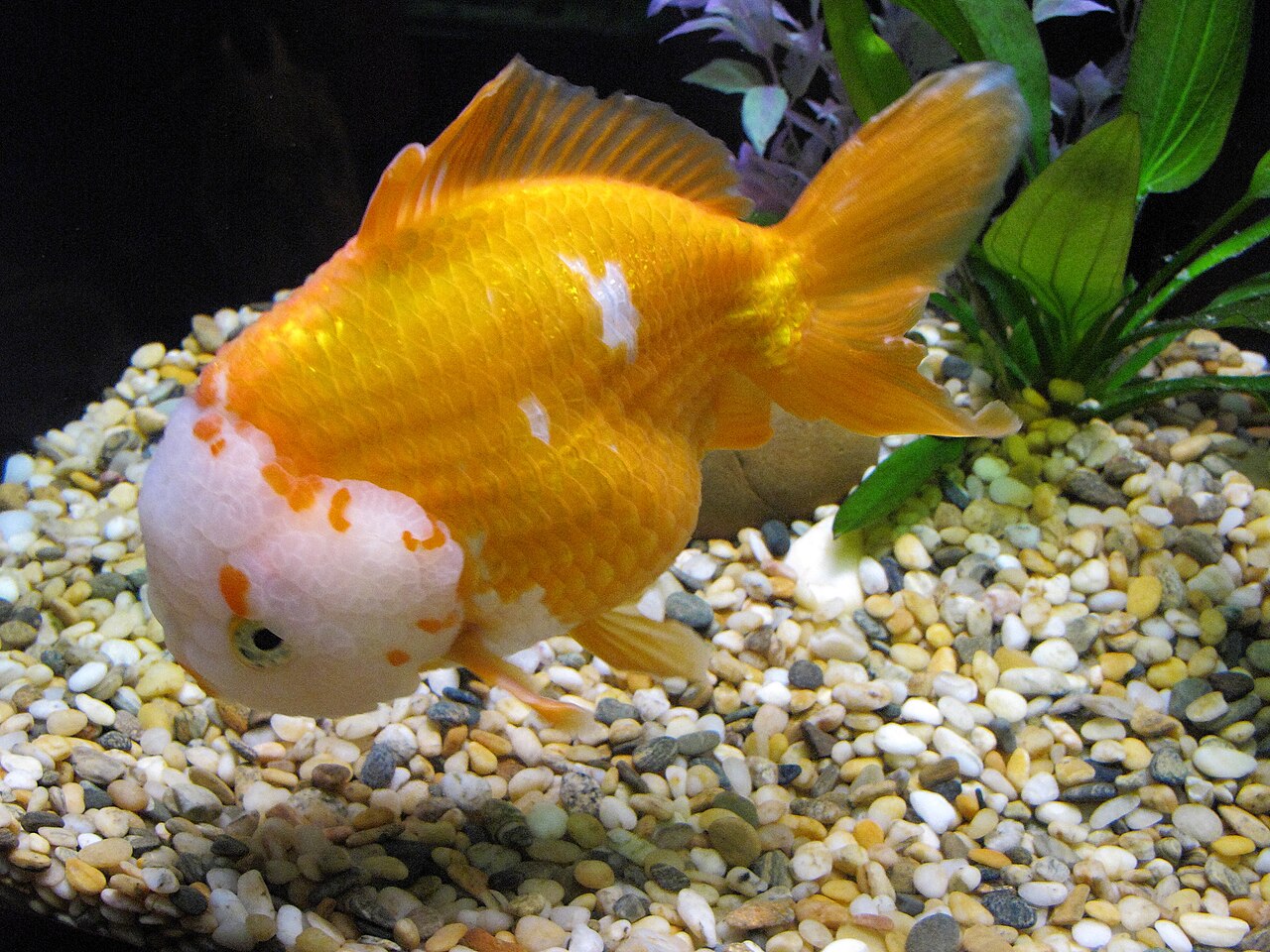
Do Goldfish Have Good Memory? Yes, and It Lasts Months
Goldfish have far better memories than their reputation suggests, so the honest answer to the question do goldfish have good memory is yes. Laboratory work going back to the 1960s shows that a goldfish (Carassius auratus) can learn a task, hold onto it for months, and perform it again the first time the cue returns. The three second memory line is folklore, not biology.
The myth survives because goldfish memory looks nothing like ours. A goldfish does not replay events. It stores associations between a signal and an outcome, which is exactly the memory a fish needs in a pond where food, shelter and danger all arrive on patterns. Once you know what to watch for, you can see it working in your own tank inside a week.
Goldfish have good memories. Studies show they retain trained associations for at least three months, and they learn feeding spots, tank mates and the people who feed them. The famous three second memory span has no research behind it. A goldfish links a cue to a reward and keeps that link for months.
| Memory question | What the evidence shows |
|---|---|
| Trained task retention | At least 3 months, in some tests longer |
| Learning a feeding time or spot | 3 to 7 days in a home tank |
| Recognizing individual people | Yes, by shape, color and position at the glass |
| Maze and lever tasks | Solved, then repeated after weeks away |
| Avoiding a place where something bad happened | Remembered for months |
| Source of the three second claim | No study, only repetition |
Where the Three Second Goldfish Memory Myth Came From
Nobody has ever published a study finding a three second memory in fish. The number spread through pet shops, cartoons and trivia columns, picking up variants along the way, which is why you also hear seven seconds and ten seconds for the same animal. Competing numbers for the same claim are a reliable sign that no measurement sits underneath any of them.
The myth also served a purpose. A fish that forgets everything cannot be bored, so a one gallon bowl sounds humane. That reasoning is backwards, and it is one reason the standard goldfish care advice you find on packaging is so often wrong about tank size.
How Long Is a Goldfish’s Memory Span?
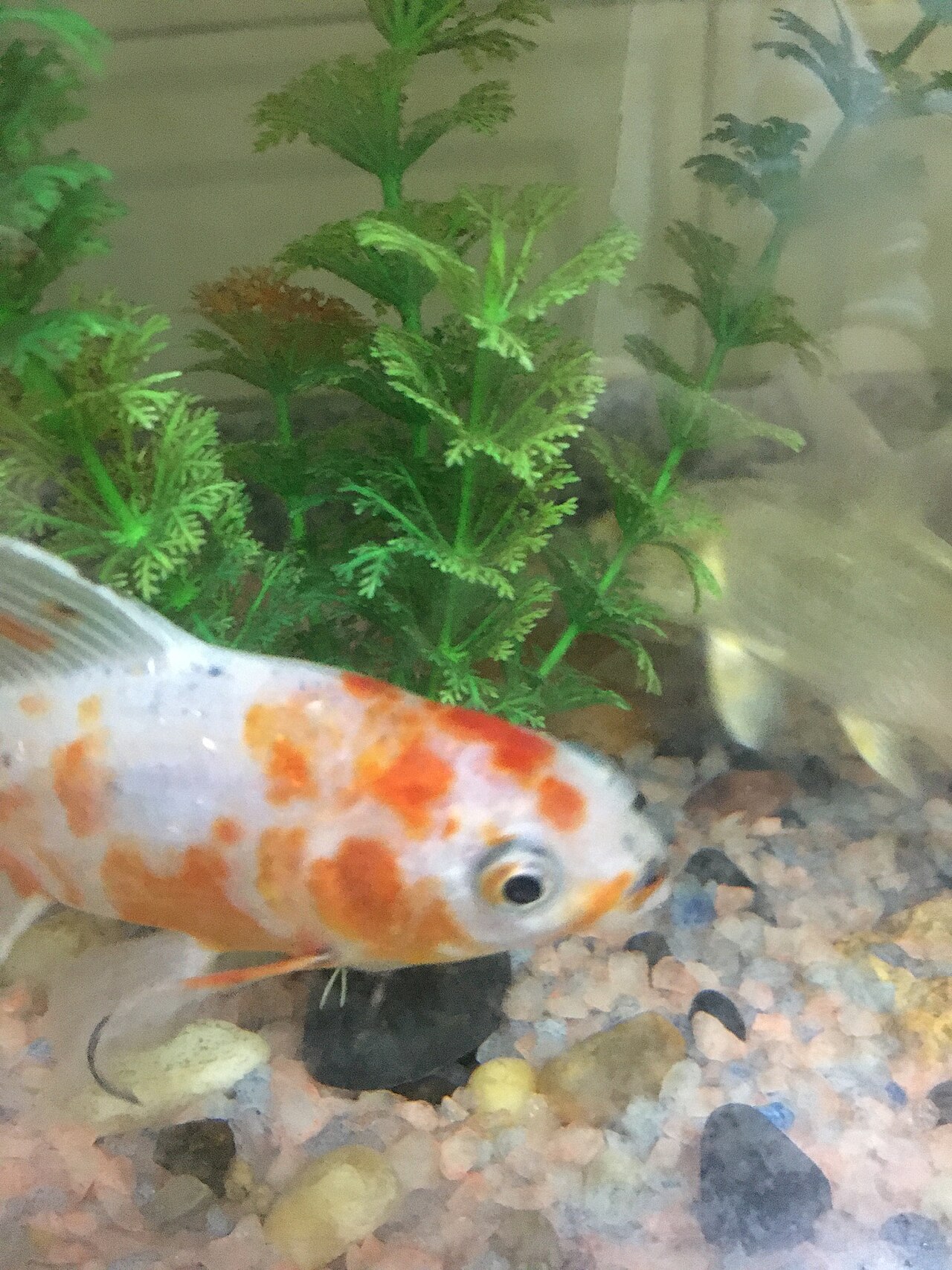
Researchers measure fish memory by training an association and then testing how long it survives. Goldfish trained to press a lever or swim to a signal for food still respond correctly after three months without practice. In avoidance experiments, where a light or sound precedes something unpleasant, the learned response holds for a comparable stretch.
Work summarized by Britannica and by aquarium research groups also shows goldfish learning time of day. Fish fed at a fixed hour gather at that end of the tank before the food appears, which requires both a stored association and a sense of when to use it. That is not a three second window by any definition.
Can Goldfish Remember People?

Yes. Goldfish distinguish the person who feeds them from strangers and will rise to the surface for a familiar figure while holding back from an unfamiliar one. They are reading gross visual cues, shape, color, height and the direction you approach from, rather than facial detail.
You can test it without equipment. Feed from the same side of the tank for a week wearing the same shirt, then have someone else approach in different clothing. The difference in how the fish crowd the glass is usually obvious, and it is more pronounced in slower fancy varieties that rely heavily on learned feeding routines.
How Intelligent Is a Goldfish?
Goldfish sit in the middle of the fish intelligence range and at the top of the common aquarium species. They navigate simple mazes, learn to push or nudge targets, tell colors and shapes apart, and adjust behavior after a single bad experience. Hobbyists have trained them to swim through hoops and follow a wand, all on food rewards.
What they lack is flexibility outside those learned patterns. A goldfish will not solve a genuinely novel problem the way a corvid does, and it has no capacity to plan. Its memory is excellent at the job it evolved for, which is remembering where and when food shows up and which tank mates and visual patterns it has seen before.
Do Goldfish Get Attached to Their Owners?
Attachment is the wrong word, but the behavior behind the question is real. Goldfish learn that a particular person means food and safety, and they act on it: approaching instead of fleeing, taking food from fingers, following a hand along the glass. Fish kept alone with frequent handling of the tank show this faster than crowded fish.
That association is worth protecting. Chasing a goldfish with a net teaches the opposite lesson just as efficiently, and the fish will remember it for weeks. Consistent feeding with the right diet and portion size is what builds the response you are looking for.
Frequently Asked Questions
Which fish has the most memory?
Cichlids, particularly African species that guard territories and recognize individual rivals, are the strongest performers in memory tests, along with cleaner wrasses that track hundreds of client fish. Goldfish and their relatives the carp do well too, holding trained associations for months. No aquarium fish is memoryless.
Who has the shortest memory?
No animal has a three second memory. Among vertebrates, very small short lived species such as some killifish show the briefest retention, measured in days rather than seconds. Even insects retain learned associations for days. The short memory animal of popular trivia does not exist in the research.
Are fish or dogs smarter?
Dogs outperform goldfish on social tasks, following human gestures and learning many commands. Fish match or beat dogs on spatial memory and can recall a route through a maze longer than expected. They solve different problems, so ranking them on one scale says more about the test than the animal.
Can fish recognize humans?
Yes. Goldfish, koi, cichlids and archerfish have all been shown to tell people apart in controlled tests, and archerfish can do it from human face images. In a home tank the fish is using clothing, size and approach direction, so changing your routine briefly resets the response. It returns within days, much like the recall behind their long lifespans and the routines that poor sighted varieties depend on.