Freshwater Angelfish: 3 Species, Tank Size and Fish to Avoid
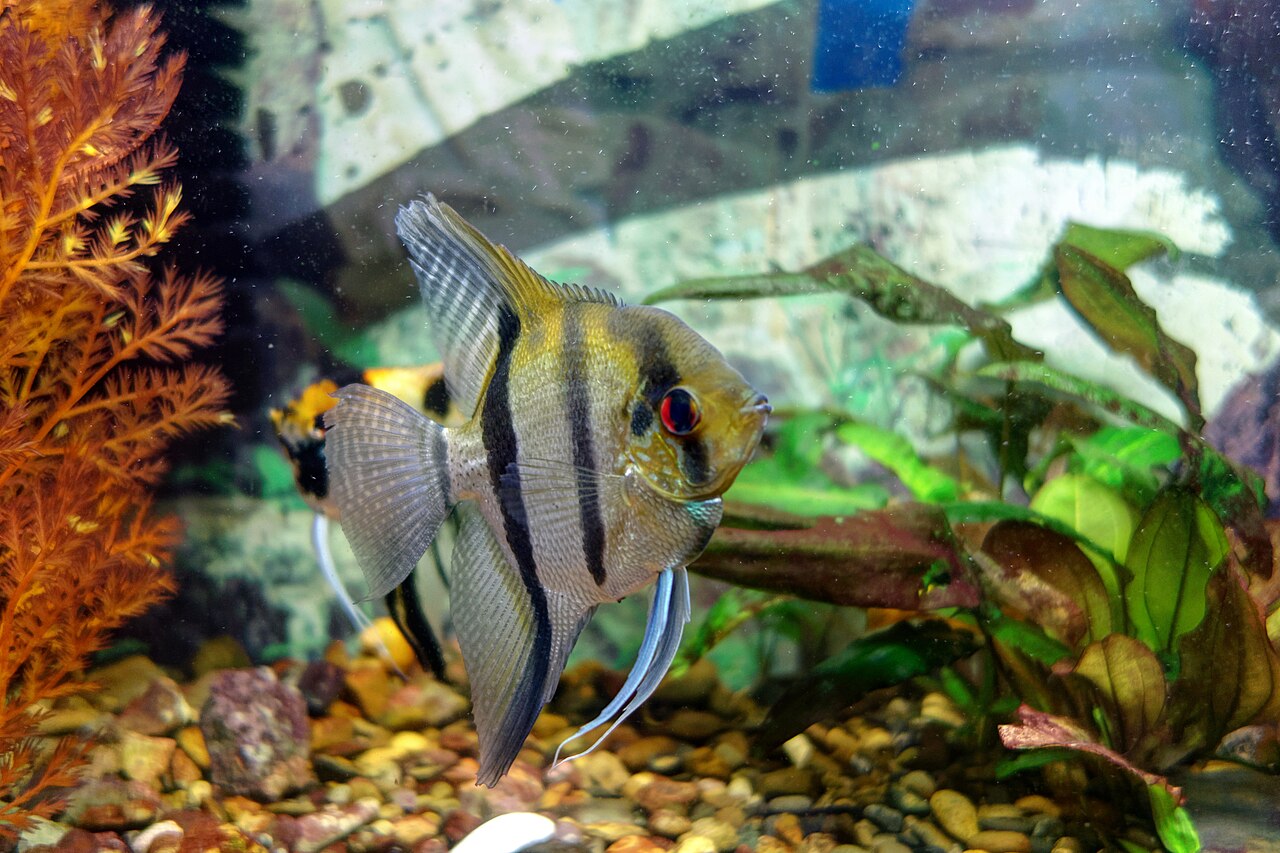
Freshwater angelfish are tall, slow moving cichlids from the Amazon basin, and every fish sold under that name belongs to the genus Pterophyllum. Three species exist: the common angelfish (Pterophyllum scalare), the altum angelfish (Pterophyllum altum) and Leopold’s angelfish (Pterophyllum leopoldi). Almost every fish in a US pet store is P. scalare or a color strain bred from it.
They are sold as community fish, which is only half true. A freshwater angelfish is a cichlid with a cichlid’s temper, it grows taller than most beginners expect, and it treats small tank mates as food. Get the tank height, the group size and the neighbors right and it is one of the easiest large fish to keep.
Freshwater angelfish are Amazonian cichlids in the genus Pterophyllum, reaching about 6 in (15 cm) long and 8 to 10 in (20 to 25 cm) tall. They need a tank at least 18 in tall, water at 78 to 84 F (25 to 29 C), and either a single pair or a group of five or more.
| Quick facts | Freshwater angelfish |
|---|---|
| Species in the trade | P. scalare, rarely P. altum and P. leopoldi |
| Adult size | 6 in (15 cm) long, up to 10 in (25 cm) tall |
| Minimum tank | 29 gal for a pair, 55 gal for a group |
| Water | 78 to 84 F (25 to 29 C), pH 6.5 to 7.5 |
| Lifespan | 8 to 10 years, occasionally 12 |
| Price | 8 to 20 USD for common strains, 60 USD and up for altum |
| Temperament | Peaceful until breeding, then territorial |
The Three Freshwater Angelfish Species
Pterophyllum scalare is the fish behind every koi, marble, veil and platinum strain on the shelf. It is forgiving about water chemistry after generations of tank breeding and is the only sensible starting point. Wild caught stock exists but offers nothing a beginner needs.
P. altum is the giant, taller than a hand span and marked with deeper vertical bars. It demands soft, acidic water and a tank at least 24 in tall, and it costs several times as much. P. leopoldi is the smallest and most aggressive of the three, identified by the black blotch under its dorsal fin. Neither should be a first angelfish. Nothing here relates to the marine saltwater angelfishes that share the common name, including the queen angelfish of Caribbean reefs.
How Many Freshwater Angelfish Should Be Kept Together?
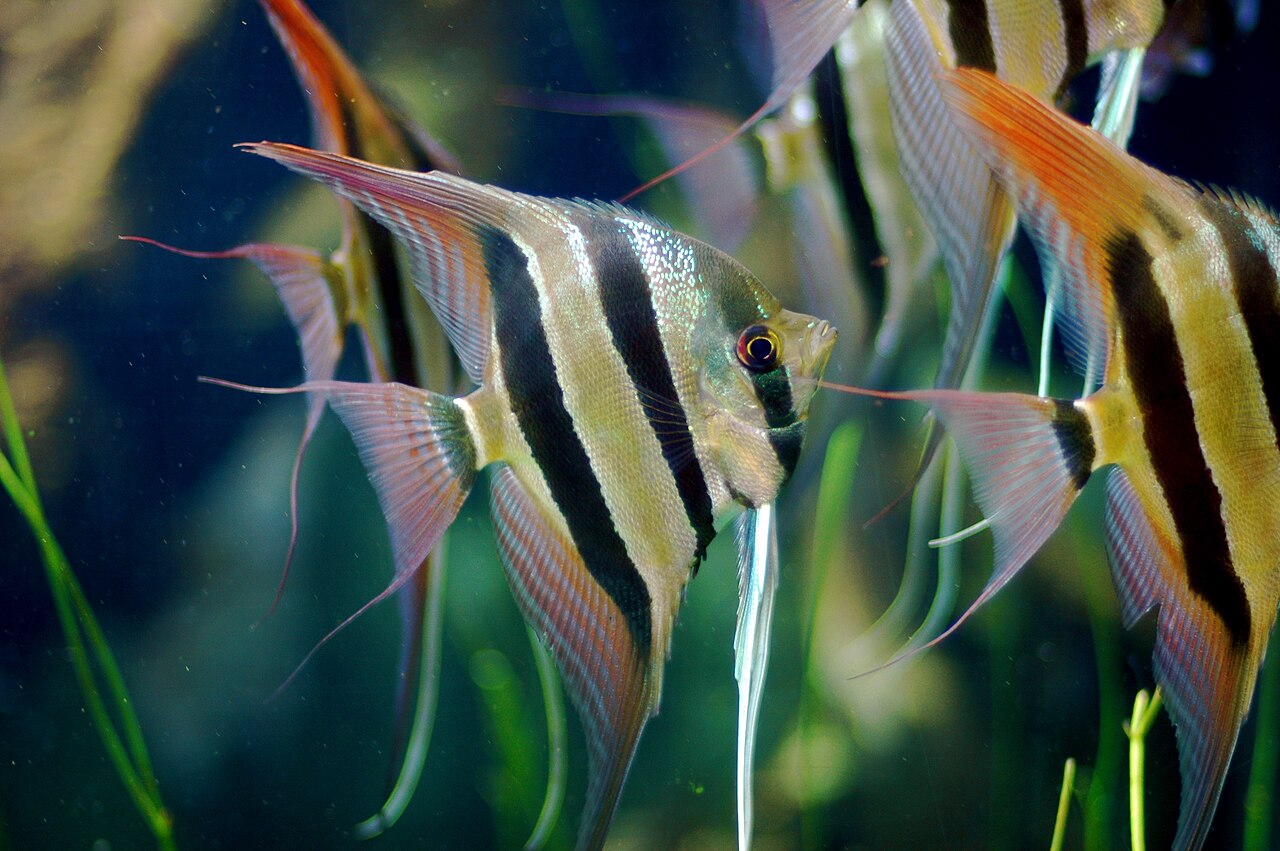
Keep either two or five and up, never three or four. A bonded pair works well and will defend a corner. In groups of five or six, aggression spreads across enough fish that no single individual gets bullied to death. Three or four is the bad middle: a pair forms, then drives the extras into a corner with nowhere to go.
A group of five needs 55 gallons with height, planted or hardscaped so sight lines are broken. Angelfish sort out a hierarchy through lip locking and chasing in the first weeks, which looks worse than it is. Casualties usually mean the tank was too short or too open, not that the fish were mismatched.
Are Freshwater Angelfish Easy to Keep?
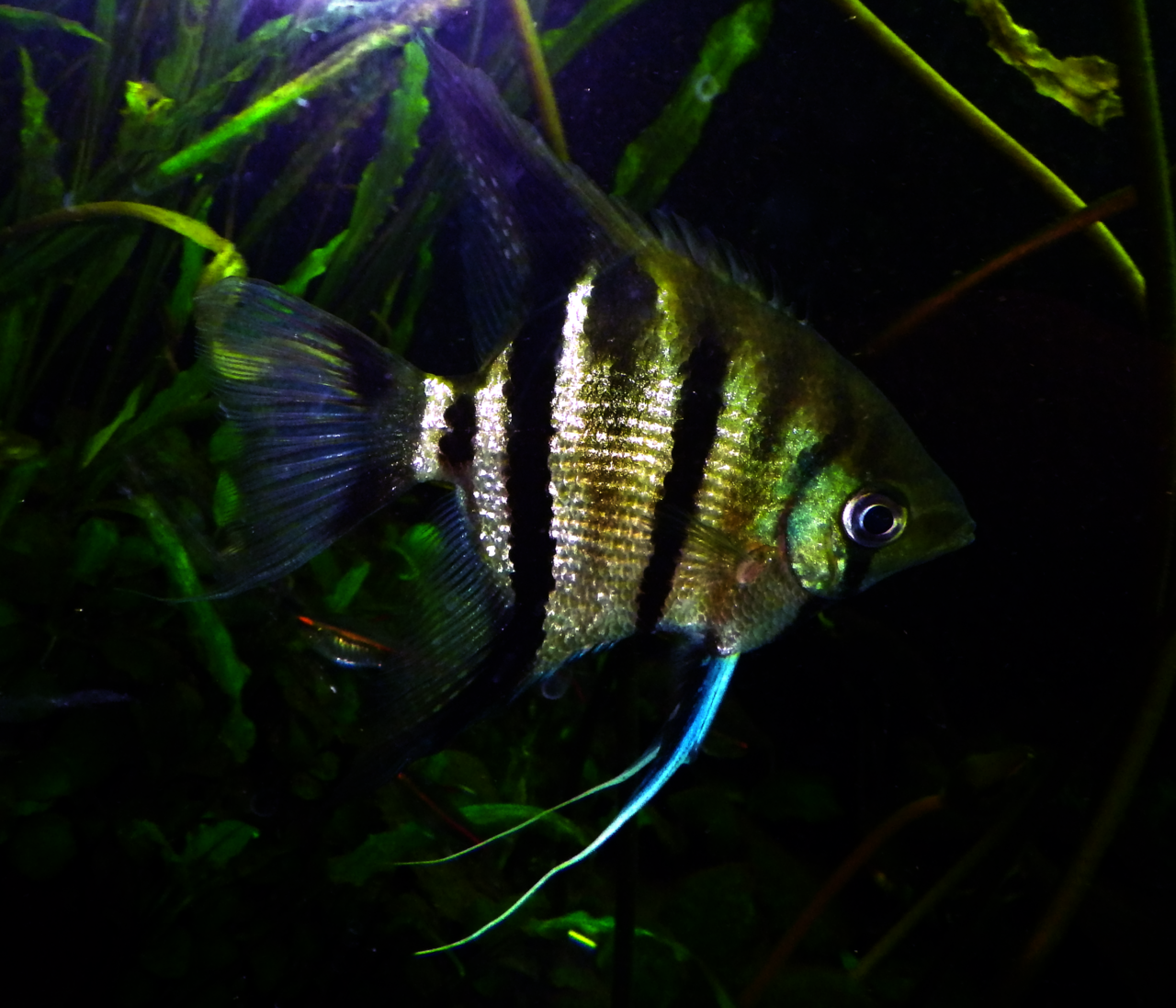
They are easy for anyone who has already run a stable tank for six months. Angelfish need warm water at the top of the tropical range, low flow, and no ammonia or nitrite at all, because their tall unprotected bodies show fin damage and stress bars quickly. A heater, a sponge or canister filter and weekly water changes of 25 percent cover most of it.
The real difficulty is patience. Angelfish are slow, deliberate feeders that lose out to fast fish at the surface, so they need a pause after the flakes hit the water. Feed a varied diet of quality flake, frozen bloodworms and brine shrimp twice a day, and skip anything that sinks straight into the substrate.
What Fish to Avoid With Angelfish?
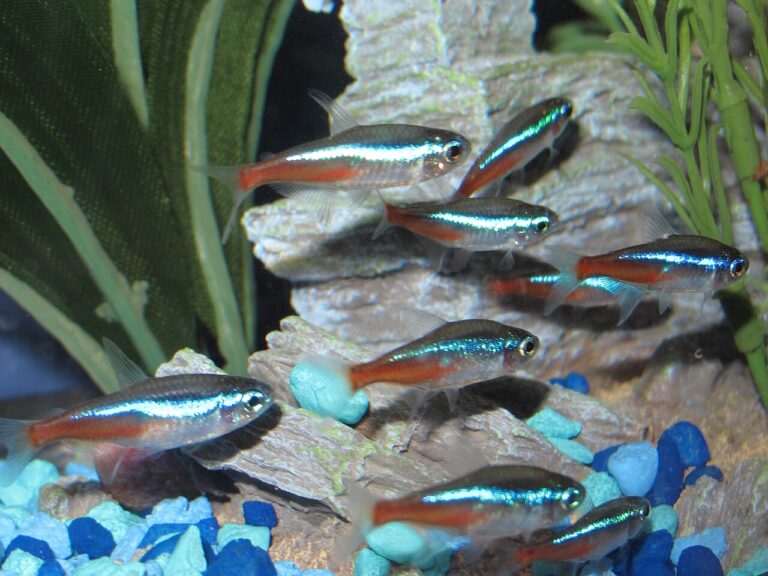
Avoid anything that nips long fins and anything small enough to swallow. Tiger barbs, serpae tetras and most danios will shred the trailing fins. Neon tetras, ember tetras, dwarf shrimp and guppy fry go the other way and become food, no matter how peaceful the angelfish looked in the shop.
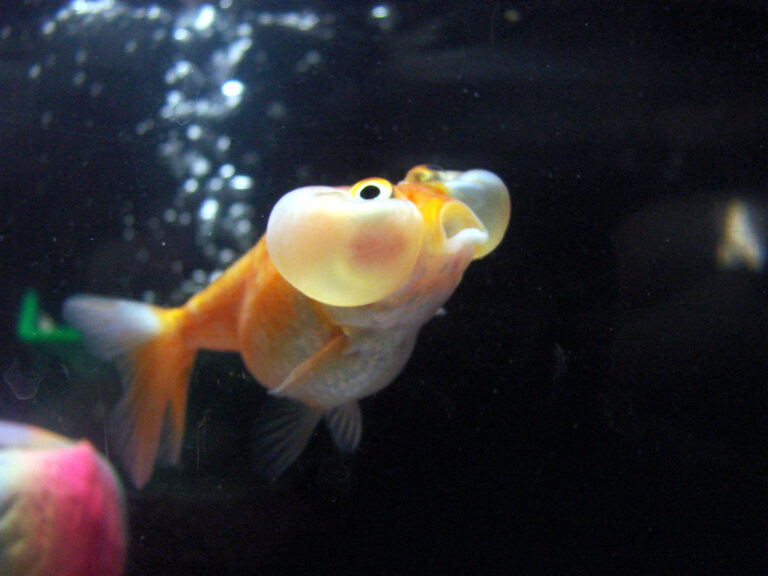
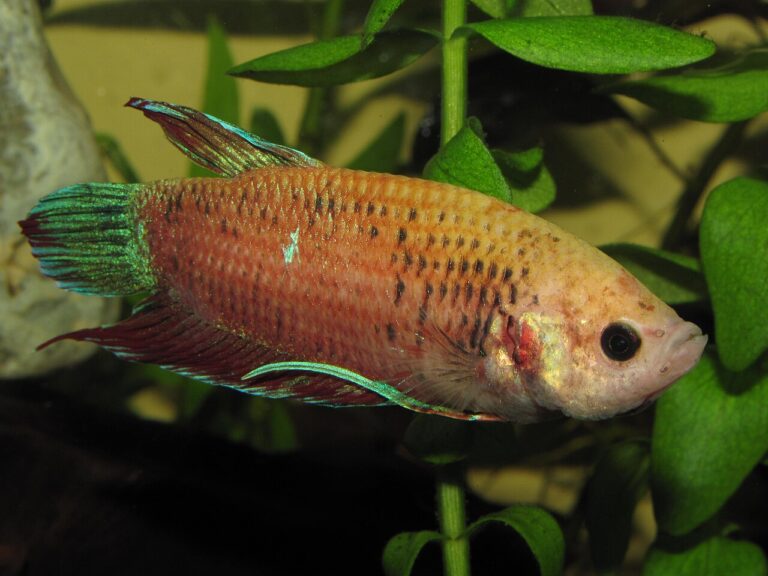
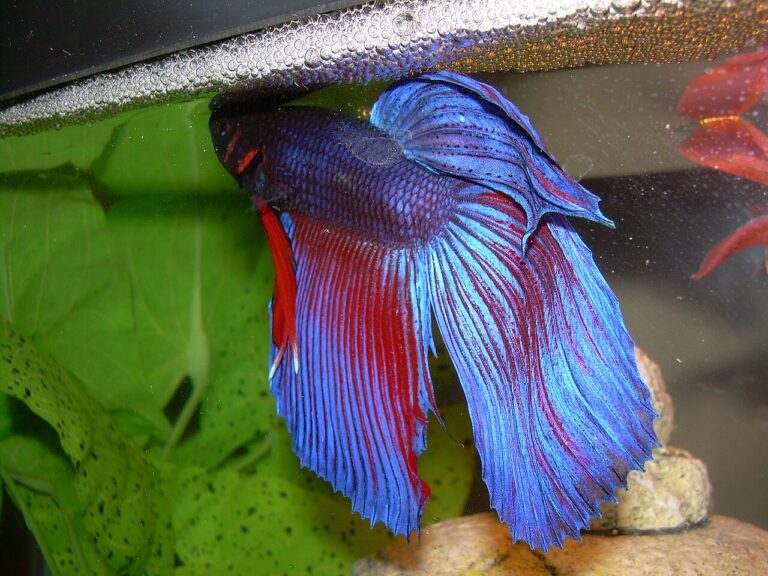
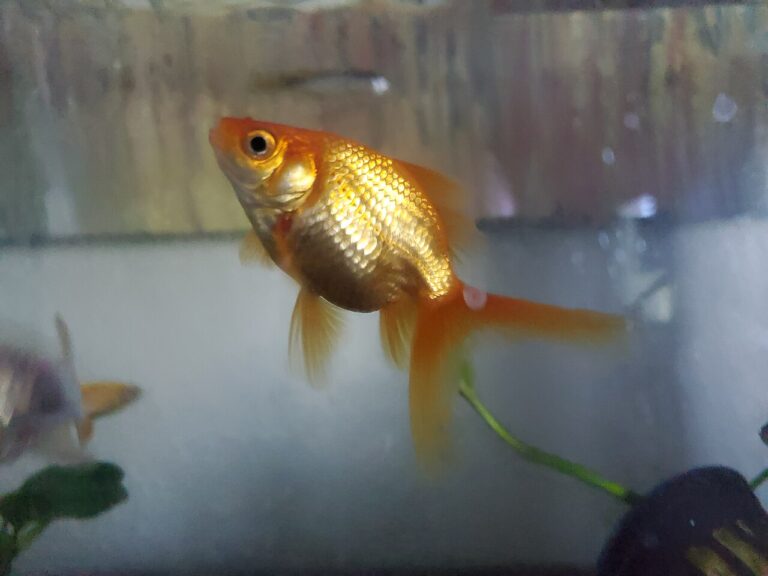
Also skip cold water fish entirely. A goldfish kept at 84 F is being slowly cooked, so the common beginner mix of goldfish and angelfish fails for both animals. Bettas compete for the same water column and lose. Safe options are corydoras, bristlenose plecos, larger rasboras and peaceful gouramis, covered in detail in our guide to angelfish tank mates.
What Is the Prettiest Freshwater Angelfish?
Koi angelfish win most polls, with orange, white and black patches that shift as the fish matures, and the orange crown deepens in good water. Platinum angelfish are the other favorite, a solid pearl white that catches light like metal. Both are P. scalare strains, so they need nothing exotic.
For a wild look, the silver zebra with its crisp vertical bars is hard to beat and hides a fish’s stress bars less, which makes it easier to read. Veil tail strains double the fin length and the drama, but those fins tear easily and rule out anything nippy. Reef keepers chasing pure color still favor the emperor angelfish and French angelfish, but those are marine species and need a very different setup. Species data for all three Pterophyllum species is listed on FishBase.
Frequently Asked Questions
What is the best fish to put with an angelfish?
Corydoras catfish are the best single choice. They stay on the bottom, ignore the angelfish entirely, tolerate the same warm water, and are too armored and too large to be eaten. A group of six bronze or peppered cories suits any angelfish tank of 29 gallons or more.
How much do freshwater angelfish cost?
Common strains run 8 to 20 USD each at most US stores, with koi and platinum at the upper end. Show quality veil tails from breeders reach 40 USD. Wild caught altum angelfish start near 60 USD and climb past 150 USD, and they need soft acidic water most tap supplies cannot provide.
Where do freshwater angelfish come from naturally?
All three species live in the Amazon basin and its tributaries, in slow blackwater creeks and flooded forest edges. They hover among vertical roots and reed stems, which is why their tall compressed body works as camouflage. That habitat explains their preference for warm, soft, still water and vertical cover.
How big do freshwater angelfish get?
A common angelfish reaches about 6 in (15 cm) from nose to tail base and 8 to 10 in (20 to 25 cm) from dorsal tip to anal fin tip within 12 to 18 months. Altum angelfish exceed 13 in (33 cm) in height. Height, not length, decides the tank.