Pet Iguana: Real Cost, Size and Care Before You Buy
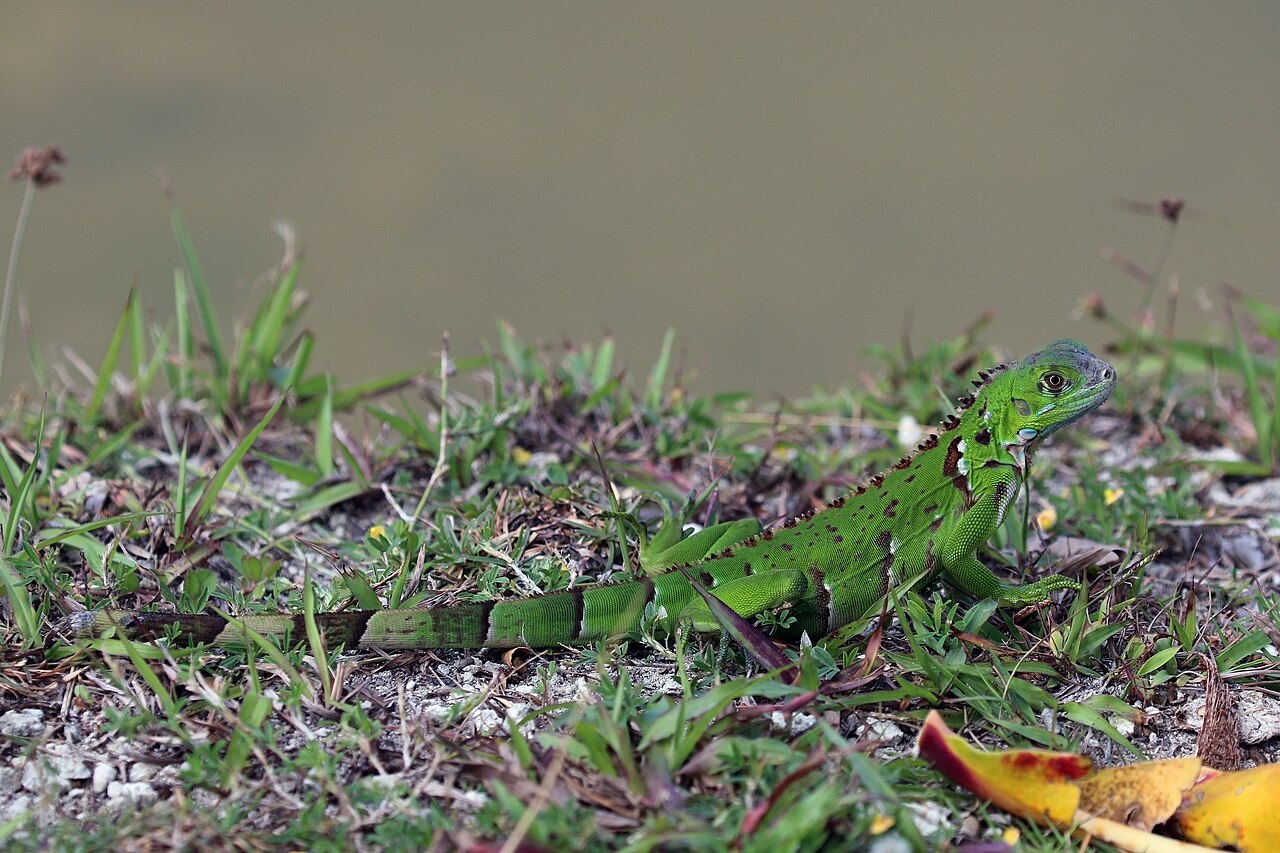
A pet iguana is a 5 to 6 ft (1.5 to 1.8 m) herbivorous lizard that lives 15 to 20 years and needs a custom enclosure the size of a closet. Almost every iguana sold in a US pet store is a green iguana (Iguana iguana), priced around 40 dollars as a hatchling and costing well over 1,000 dollars to house properly in year one.
That gap between purchase price and real cost is why rescues across the country are full of surrendered adults. The species is not difficult because it is delicate; it is difficult because it gets large, stays strong, and needs light and heat most homes do not supply.
Green iguanas make poor first reptiles for most keepers. Adults reach 5 to 6 ft, need a 6 ft tall enclosure, a 95 F basking spot, strong UVB, and a strictly plant based diet. Experienced keepers with space and a reptile vet can do very well with them.
| Care Factor | Green Iguana Requirement |
|---|---|
| Adult size | 5 to 6 ft (1.5 to 1.8 m) total length, 10 to 18 lbs (4.5 to 8 kg) |
| Lifespan | 15 to 20 years in good care |
| Minimum adult enclosure | 6 ft tall by 6 ft wide by 3 ft deep (1.8 x 1.8 x 0.9 m) |
| Temperatures | Basking 95 F (35 C), ambient 80 to 85 F (27 to 29 C), night above 75 F (24 C) |
| Lighting | Linear T5 UVB across most of the enclosure length, replaced yearly |
| Diet | Strict herbivore: calcium rich greens, squash, hibiscus, no animal protein |
| First year cost | 1,000 to 2,500 dollars including enclosure, lighting, and a vet visit |
Do Iguanas Make Good Pets?
For the right keeper, yes. A well raised green iguana is calm, curious, and genuinely interactive, and a large planted enclosure with a basking branch is one of the best looking setups in the hobby. Iguanas also tolerate routine handling better than most large lizards once they trust the person doing it.
For the average buyer, no. The hatchling in the plastic cup is 8 in (20 cm) long and will outgrow every commercial terrarium on the shelf within two years. Breeding season brings a hormonal shift in males that can turn a tame animal defensive for weeks. Anyone weighing a first reptile is usually better served by a smaller species, and even a pet monitor lizard is not the easier answer people assume.
How Much Does a Pet Iguana Cost?
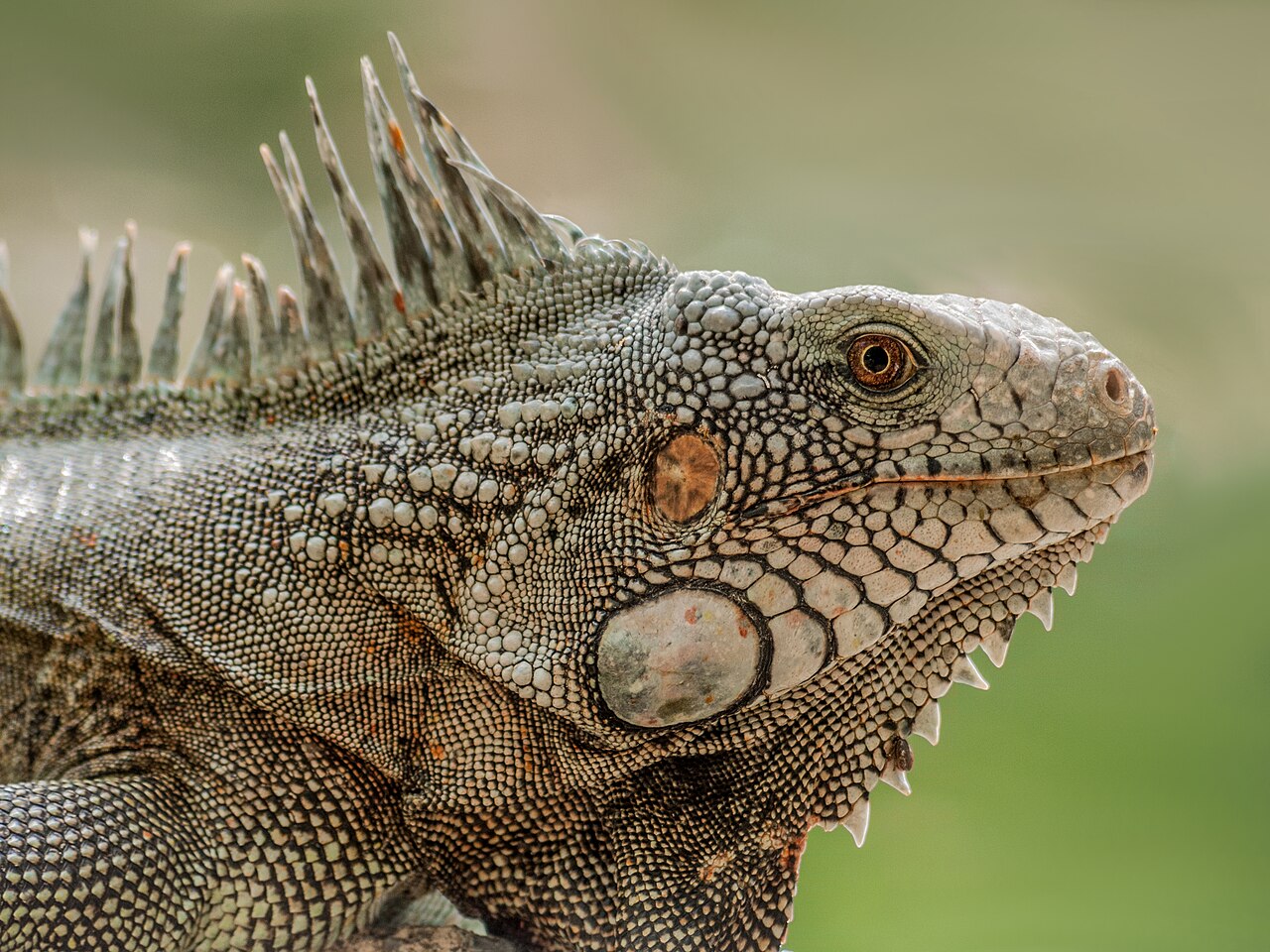
The animal is the cheapest part. Hatchlings run roughly 30 to 70 dollars at chain stores and reptile expos, and morphs such as an orange iguana or albino cost several hundred to a few thousand dollars. Everything else is the real bill.
Budget 600 to 1,500 dollars for an adult sized enclosure, 150 to 300 dollars for UVB and heat fixtures, and 100 dollars a year in replacement bulbs. Food runs 30 to 60 dollars a month in fresh greens. A reptile vet exam costs 75 to 150 dollars, and treatment for metabolic bone disease costs far more than doing the lighting right from the start.
Enclosure, Heat, and UVB
Height matters more than floor space, because iguanas are arboreal and a stressed animal climbs. Build or buy at least 6 ft tall by 6 ft wide by 3 ft deep for an adult, with thick horizontal branches leading to a basking platform. Wood and PVC hold humidity better than screen.
Set the basking surface to 95 F (35 C), keep the cool end at 80 F (27 C), and never let night temperatures drop below 75 F (24 C). Humidity should sit near 70 percent. UVB is not optional: a linear T5 tube running most of the enclosure length, mounted 12 in (30 cm) from the basking spot and replaced annually, is what prevents rickets and fractures.
What to Feed a Pet Iguana
Green iguanas are strict herbivores, and this is where most home care fails. The daily base is calcium rich greens: collard, mustard, turnip, and dandelion greens, plus squash, green beans, and hibiscus or rose petals. Fruit stays under 10 percent of the plate. Lettuce, spinach in quantity, and any animal protein do damage over time, the first by offering nothing, the last by loading the kidneys.
Dust with plain calcium several times a week and use a reptile multivitamin weekly. Detailed lists of safe plants and portion sizes are covered in what iguanas eat, and stool changes are an early warning sign worth learning from iguana droppings.
Do Iguanas Get Attached to Their Owners, and Are Iguanas Friendly to Humans?
Iguanas recognize their keeper and respond differently to that person than to strangers, which is as close to attachment as the species gets. Many will approach the front of the enclosure at feeding time, tolerate being lifted, and settle on a shoulder. That is learned tolerance built on routine, not affection in the mammal sense.
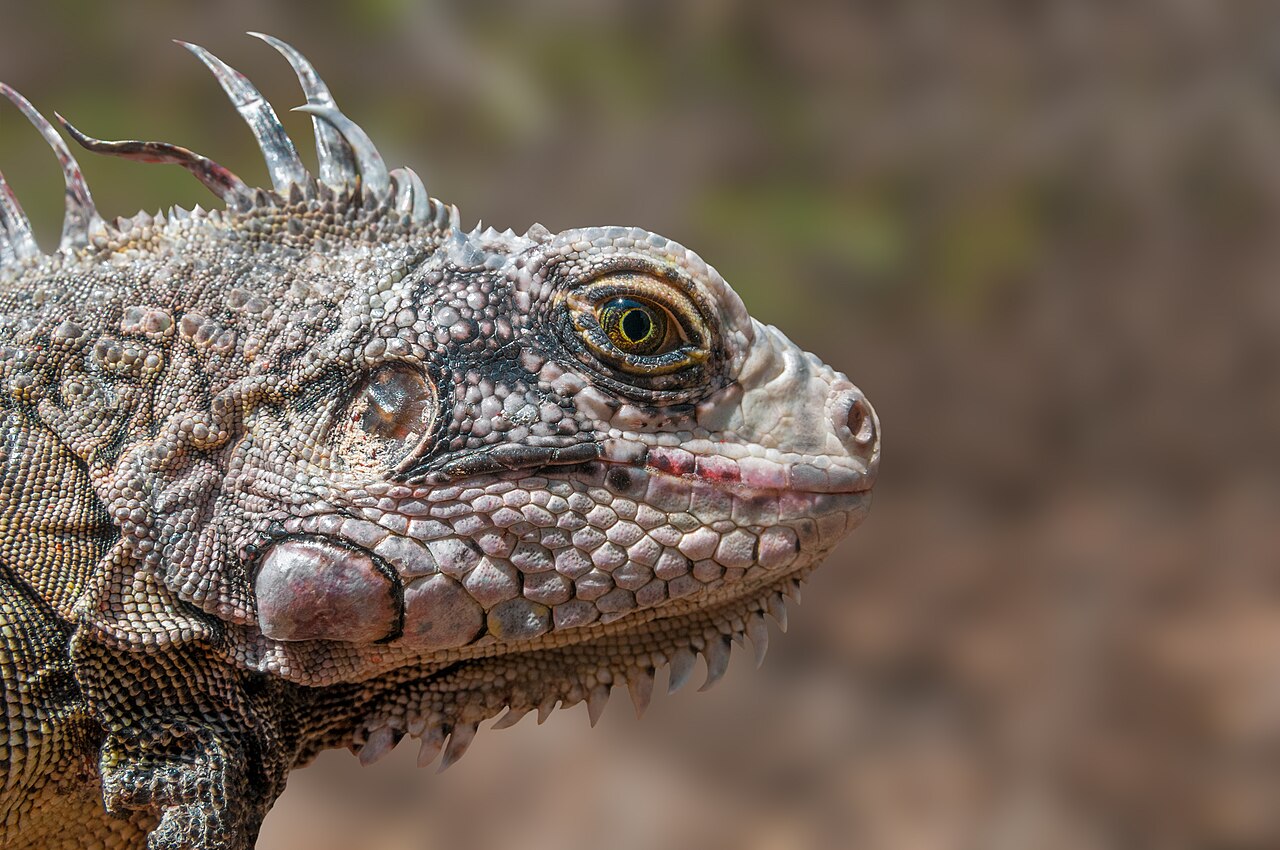
Friendliness depends almost entirely on early, consistent, low stress handling. A wild caught or neglected adult rarely becomes a lap animal. Watch the body language instead of hoping: a standing crest, a rigid flattened body, and a slowly lifting tail all mean the same thing, and the tail whip that follows stings on bare skin.
Can You Legally Own an Iguana?
In most of the United States, yes, but the exceptions are large. Hawaii bans iguanas outright as an invasive species risk. Florida classifies the green iguana as prohibited, so new pets generally require a permit and existing animals had to be registered, a response to the feral population now established across the southern half of the state; the US Fish and Wildlife Service documents the damage introduced reptiles do to native wildlife.
Cities add their own rules on lizards over a certain length, and rental agreements often do too. Check state, county, and city code before buying, and never release an unwanted animal outdoors. Rescues take iguanas year round, and a baby iguana bought on impulse is the exact animal that ends up there.
Frequently Asked Questions
Do iguana bites hurt?
Yes. Adult iguanas have serrated teeth built for shearing plants and a jaw strong enough to break skin and, in bad cases, require stitches. Most bites are defensive and preceded by clear warnings. Wash any bite immediately, because reptile mouths carry bacteria. More detail is in our guide to the iguana bite.
How much does Petco sell iguanas for?
Chain store pricing for a green iguana hatchling generally falls in the 30 to 70 dollar range, varying by store and season, and availability differs between locations. Check the current listing rather than an older quoted price. The purchase price is a small fraction of what the first year of proper care costs.
Does PetSmart sell iguanas?
Most PetSmart stores do not stock iguanas, keeping their reptile selection to smaller species such as bearded dragons and geckos. Stocking policies vary by region and change over time, so call ahead. Reptile expos and dedicated breeders are the usual source for a healthy, captive bred animal.
What is the friendliest lizard you can own?
The bearded dragon is the usual answer, followed by the leopard gecko and the crested gecko. All three stay small, tolerate handling well, and need far less space and lighting hardware than an iguana. A desert iguana is smaller but is a display animal rather than a handling one.
How long do pet iguanas live?
A green iguana in good care lives 15 to 20 years, and records past 25 exist. Poor lighting and an incorrect diet cut that in half through metabolic bone disease and kidney failure. Plan for a commitment closer to a dog than a hamster, including who takes the animal if circumstances change.