Goose Symbolism: What Seeing Geese Means in 6 Traditions
Seeing a goose is traditionally read as a call to loyalty, teamwork and the journey home. Goose symbolism is unusually consistent across cultures, because the behavior people watched was always the same: birds that mate for long stretches, defend their young without hesitation, fly in formation, and leave and return on schedule. Where the eagle became a symbol of power, the goose became a symbol of faithfulness and of knowing when to move.
That makes the goose one of the few animals whose spiritual meaning is almost entirely positive, with one sharp edge: it will come at you. The hiss and the chase gave the bird a second reputation as a guardian, and Roman, Celtic and East Asian sources all use it that way. What follows keeps the traditions apart, then works through the situations people search for most, from geese crossing your path to hearing them honk overhead at night.
A goose symbolizes loyalty, family protection, teamwork and the call to begin a journey. Seeing one is widely read as a reminder that you are not meant to travel alone, and hearing geese overhead is read as a signal that a season of your life is changing. In Celtic Christianity the wild goose stands for the Holy Spirit.
What Is the Spiritual Meaning of a Goose?
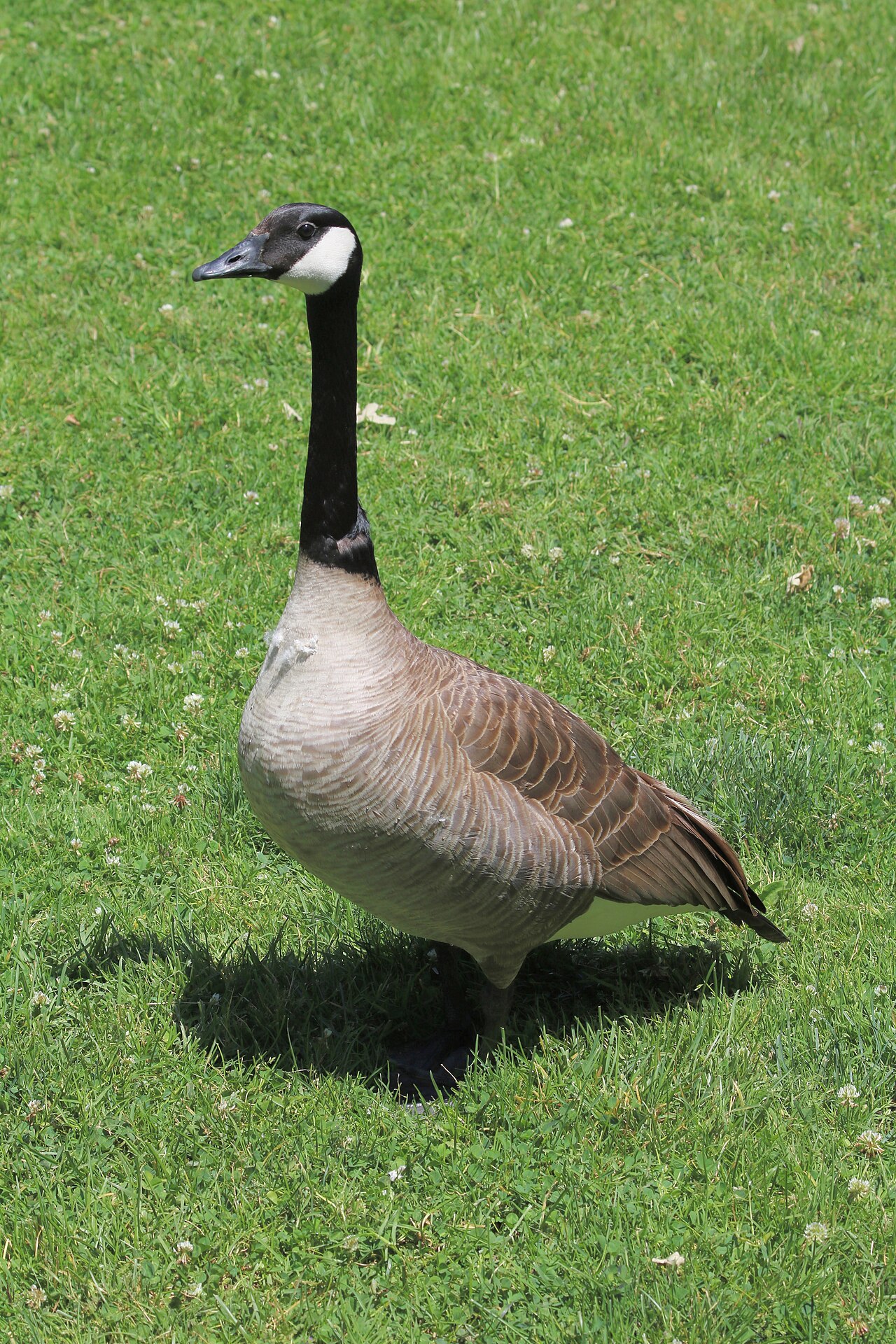
Spiritually, the goose stands for commitment that shows up in action rather than in feeling. Canada geese (Branta canadensis) pair for years, both parents guard the goslings, and a bird that loses a mate may stay apart for a season. People built a symbol out of that: constancy, shared labor and the defense of what belongs to you.
The second strand is migration. Geese leave, and geese come back, and both halves matter in the symbolism. A goose appearing at a turning point is read as a prompt to go, and a goose appearing when you are tired is read as a promise of return. The third strand is vigilance, because a flock posts sentries while the rest feed, which is why the goose shares symbolic ground with watchful birds like the blackbird.
Goose Symbolism in Native American Traditions
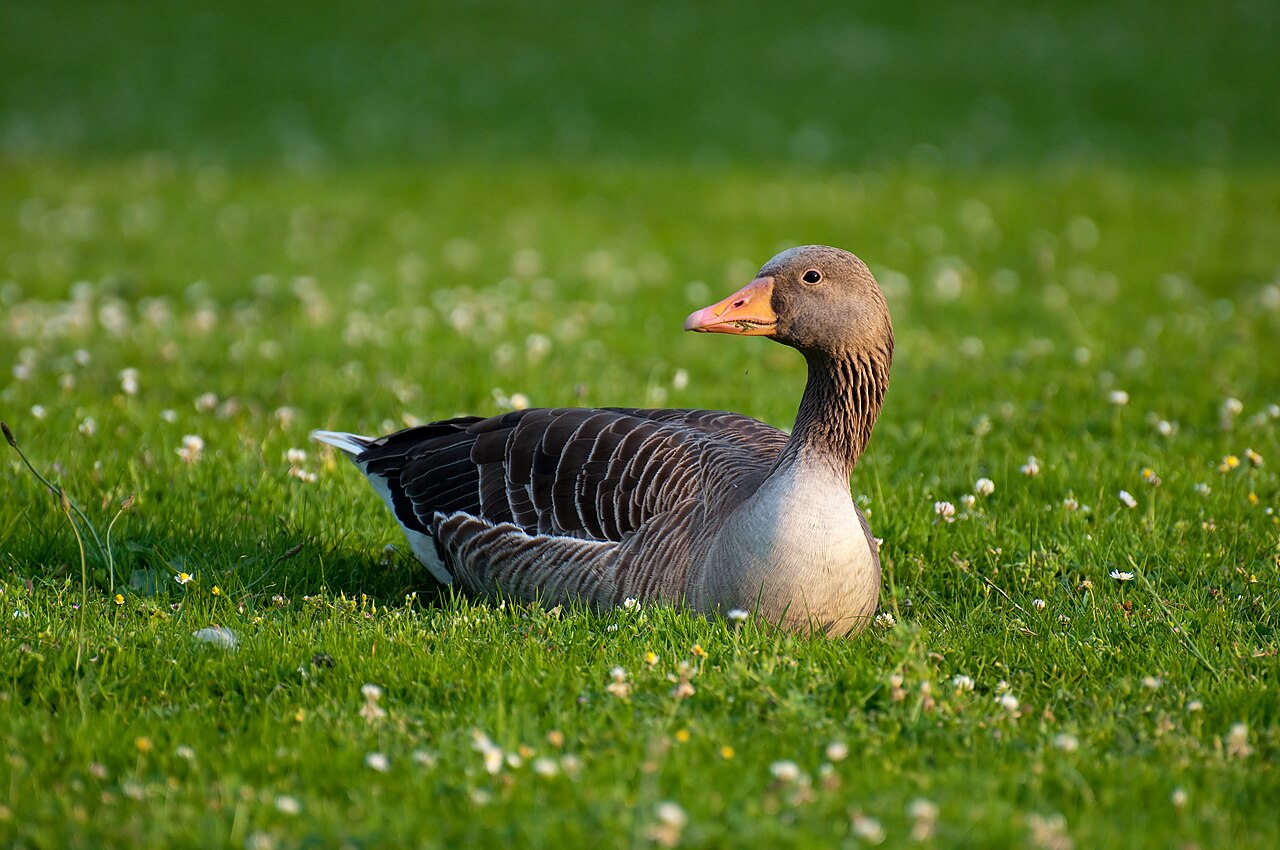
Across many North American nations, migratory waterfowl mark time. The return of geese in spring and their departure in fall anchored planting, hunting and ceremonial calendars, and the birds are spoken of as messengers of seasonal change rather than as omens of fate. Among Anishinaabe and Cree communities, goose hunts and the first goose of the season carry social and ceremonial weight that has nothing to do with the fortune telling frame most websites use.
Where the goose appears in stories, it usually teaches cooperation and obligation to the group. Flight formation is the common lesson: the flock rotates the lead, calls to the birds behind, and none of it works alone. Meanings are specific to each nation, and sources that assign one pan-tribal goose meaning are flattening hundreds of distinct traditions. The same caution applies to bald eagle spiritual meaning, which is often reported far more loosely than the communities themselves do.
The Wild Goose in Celtic Tradition
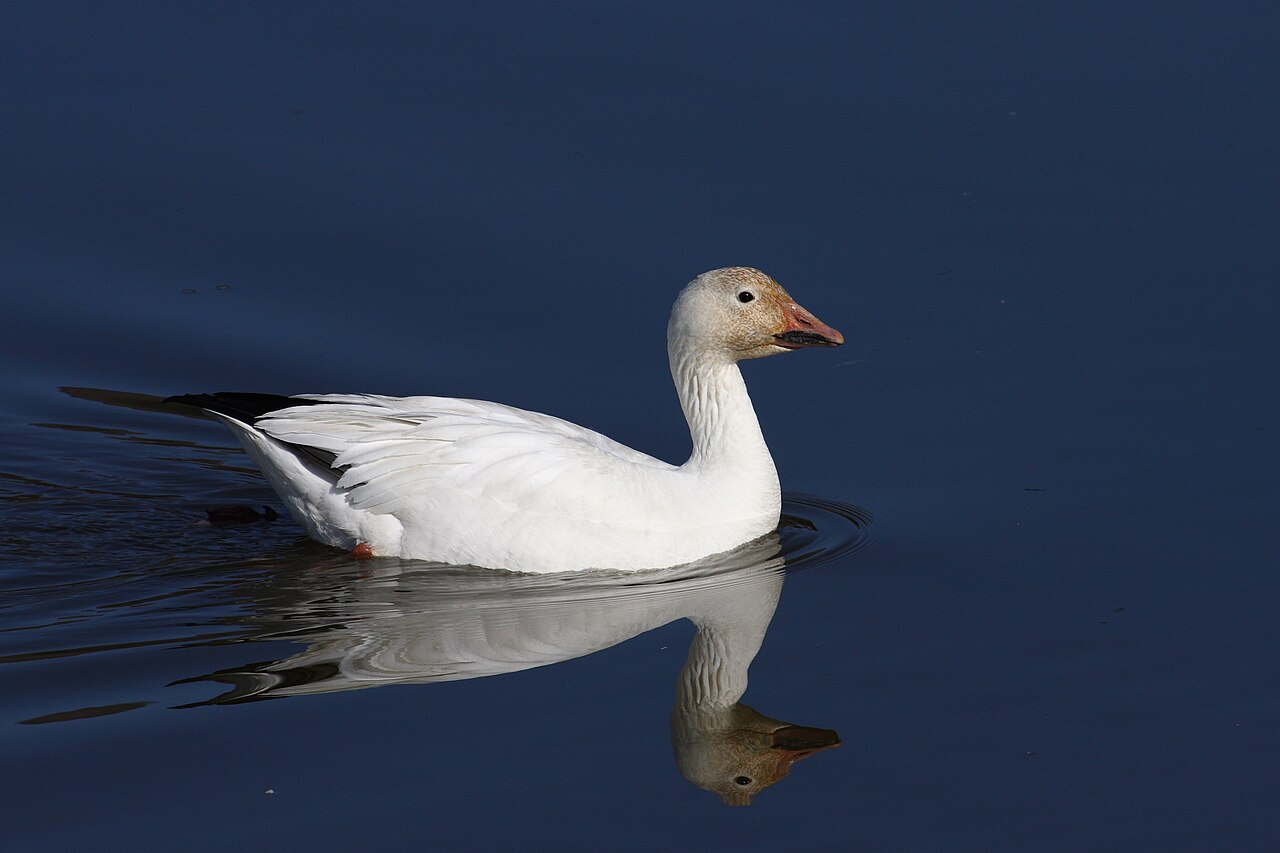
In Irish and Scottish tradition the wild goose is a bird of the otherworld and of restless travel. Geese arrive from somewhere unseen, which made them messengers between worlds in early Irish material, and their habit of calling at night tied them to the boundary between the living and the dead. Soldiers who left Ireland for continental service were known as the Wild Geese, and the name carried both exile and loyalty.
Celtic Christianity took that image and used it deliberately. The wild goose, An Geadh Glas, became an emblem of the Holy Spirit in the Irish and Iona traditions, chosen precisely because a goose is loud, untamed and impossible to control, where a dove is gentle. The Iona Community still uses the symbol today. The usage is monastic and modern rather than ancient scripture, and honest sources say so.
What Does the Bible Say About Geese?
The Bible does not name the goose. Scripture mentions doves, ravens, eagles, quail, storks and sparrows, but the goose is absent from the standard English translations, and anyone quoting a goose verse is working from paraphrase or from a different bird. Jewish dietary law permits domestic geese, and goose appears in rabbinic sources as food, not as a sign.
What people mean by biblical goose symbolism is almost always the Celtic Christian wild goose described above, or a general reading of migration as providence. Both are defensible as devotional imagery, neither is a verse. Birds that do appear by name, such as the raven and the dove, are handled in our overview of bird symbolism.
Goose Symbolism in East Asian Traditions
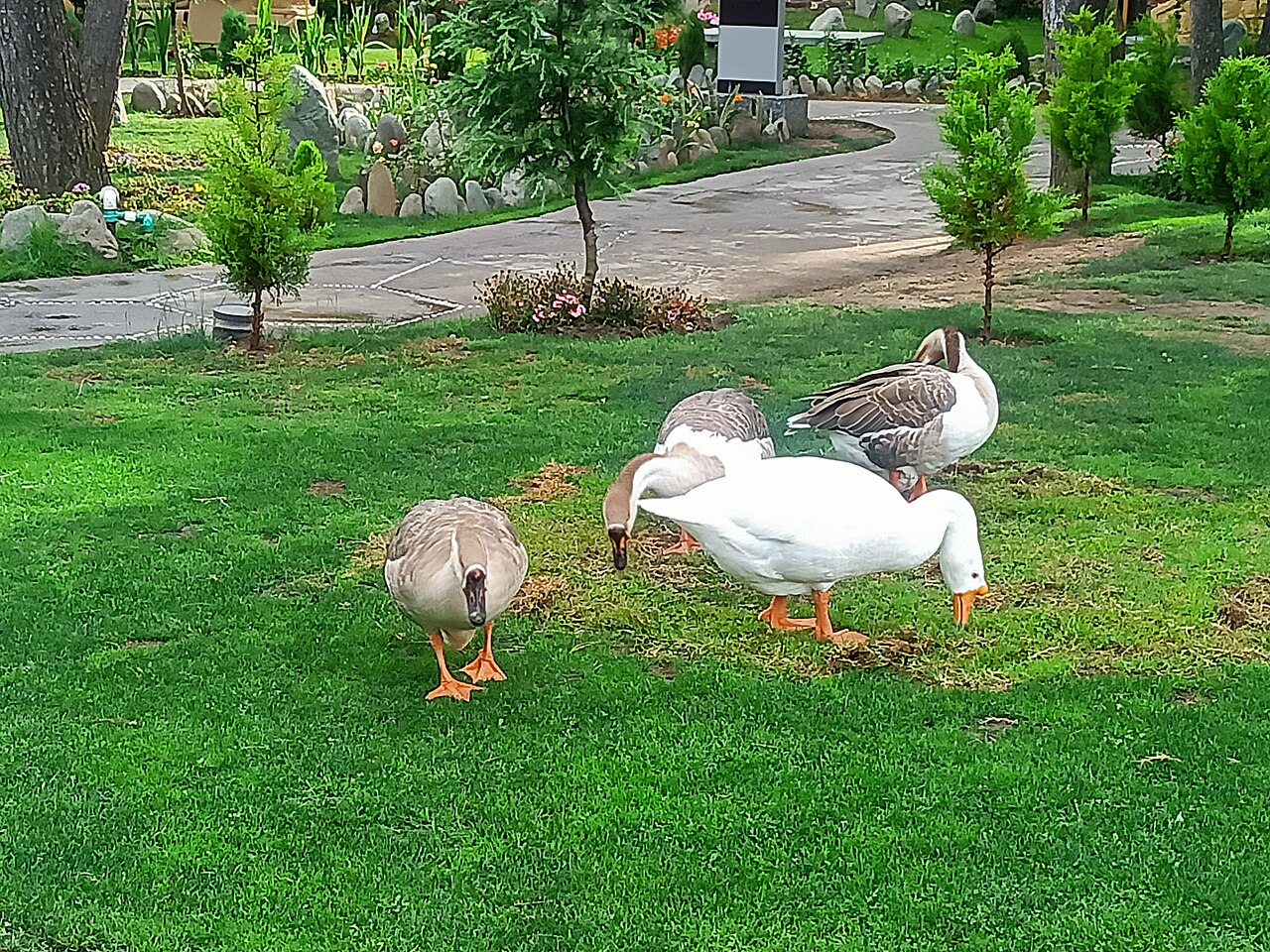
In Chinese tradition the wild goose, yan, is the classic symbol of the faithful spouse and of the letter from far away. Geese fly in pairs and return each year, so poets used them for a husband at the frontier and a wife waiting at home, and a goose carrying a message is one of the oldest images in Chinese verse. Wild geese also stand for autumn and for orderly travel.
In Korea, wooden wedding geese, mandarin ducks and geese alike, were given to couples as a pledge of lifelong partnership, and the custom survives in modern weddings. Japanese tradition uses the arriving geese, kari, as a seasonal marker in poetry and painting, usually tied to longing. In all three cultures the goose is domestic rather than heroic, and that distinction separates it from the crane and from more martial birds.
Geese in Egyptian, Greek and Roman Lore
In ancient Egypt the goose was sacred to Amun, and the Nile goose appears in temple art and in the hieroglyph used for the god’s son. One of the oldest Egyptian paintings still surviving, the Meidum geese, is simply six geese in a row, which says something about how closely people watched them. Geese were also bred for temple offerings.
In Greece the goose belonged to Aphrodite and Hera and stood for marital love. In Rome it belonged to Juno, and Roman writers credited the sacred geese of the Capitol with saving the city by raising an alarm during a night attack, which is the root of the goose as watchman. That story is why the bird’s aggression reads as duty rather than bad temper.
What It Means When a Goose Crosses Your Path
A goose crossing your path is read as a decision about direction. The common interpretation is that you are being asked whether you are moving with your people or away from them, since a goose on the ground is almost never alone. Some folk readings treat a crossing goose as a short delay that spares you something worse down the road.
If the goose blocks the path and hisses, the reading sharpens into a boundary warning: something you are approaching is defended, and not by you. Practically, a goose standing its ground in spring is guarding a nest within about 30 to 150 ft (9 to 46 m), so the symbolic reading and the field explanation agree. Back off and go around.
Seeing Geese Fly Over in a V Formation
Geese overhead in formation are the most widely reported goose sign, and the standard reading is community and shared effort. The lead bird breaks the air, the birds behind save energy, and the lead rotates when it tires, so the image became shorthand for leadership that is taken in turns rather than held. People who see it during a hard stretch usually read it as permission to let someone else take point.
The honking matters too. Geese call constantly in flight, and the folk reading is encouragement from behind rather than noise. Direction is sometimes added to the interpretation, with birds heading south read as a season closing and birds heading north read as one opening, which matches what the birds are actually doing.
Geese in Your Yard, at Your Window or Hissing at You
A goose that settles in your yard is traditionally taken as a sign of family and of guests, sometimes of a birth or a homecoming. A goose at a window or on a porch is read more narrowly as a message that someone is trying to reach you. In both cases the reading is about connection rather than warning.
Hissing changes the meaning. A goose that lowers its head, pumps its neck and hisses is defending a nest or goslings, and the symbolic reading becomes fierce protection, loyalty with teeth. The bird is not attacking you personally. Nesting Canada geese are federally protected in the United States, and the behavior ends once the goslings can travel, which is usually within six to eight weeks.
Hearing Geese Honking at Night
Geese calling in the dark is an old sign of change arriving. Migrating flocks fly at night, so the sound comes out of nowhere, and both Celtic and Appalachian folk belief treated night geese as news: a journey, a letter, a death or a birth in the family. Hearing them repeatedly across several nights was read as the news being confirmed.
The modern reading is gentler, usually a prompt that something in your life is already in motion whether you have acknowledged it or not. The ornithology is simple: night flight is safer and calmer, and the calls keep the flock together in the dark. Other night callers get the same treatment in folk belief, which is why cardinal symbolism and nocturnal bird omens so often get mixed together.
Finding a Dead Goose or a Goose Feather
A found goose feather is read as a message in transit and as protection for a journey, and gray or white feathers are usually taken as reassurance rather than warning. Writers in the modern totem tradition treat a feather found on a path as confirmation of a decision already made. In the United States, feathers of native migratory birds, including Canada geese, may not legally be kept, so note it and leave it.
A dead goose is read as the end of a partnership or a stage of life, and sometimes as a loyalty that has run its course. The reading is somber, not sinister. A pair of geese with one bird dead is the version folk belief treats most seriously, because the surviving bird’s behavior, staying at the site and calling, is what people saw and remembered.
| Situation | Traditional reading |
|---|---|
| Geese flying over in a V | Shared effort; let someone else take the lead for a while |
| Goose crossing your path | A question about direction and about who travels with you |
| Goose in your yard | Family, guests, a homecoming or a birth |
| Goose hissing at you | Fierce protection; a boundary that belongs to someone else |
| Geese honking at night | News already on its way; a change in motion |
| Finding a goose feather | A message in transit and safe passage on a journey |
| Dead goose | The close of a partnership or a chapter |
Goose Spirit Animal, Totem and Omen: Is a Goose a Good Omen?
A goose is generally considered a good omen. Its associations are fidelity, fertility, family, vigilance and safe return, and even the aggressive readings are protective rather than threatening. The clearest negative reading is the dead goose, and the clearest warning reading is the hiss, which points at a boundary rather than at bad luck.
As a spirit animal the goose suits people who carry a household, speak up when something is wrong, and need to move at intervals rather than stay put. As a totem it emphasizes obligation to the group over personal ambition, which sets it apart from solitary bird totems like the blue jay. As a power animal it is called on for travel, for defending family and for finding the way back. Brighter yard birds such as the American goldfinch carry joy; the goose carries duty.
Frequently Asked Questions
What does it mean to see a goose in your dream?
Dream traditions read geese as family matters and messages. A flock in flight is commonly taken as a journey or a decision ahead, a goose chasing you as a duty you are avoiding, and a nesting goose as news about home or a pregnancy. A talking goose, a common dream, is read as advice you already have but will not take.
What does a goose feather mean spiritually?
A goose feather is read as a message in transit and as protection for travelers, which comes from the bird’s migration and from the old use of quills for writing letters. White is usually taken as reassurance, gray as steady guidance. Keep the meaning and leave the feather, since native migratory bird feathers are protected in the United States.
What is the spiritual meaning of wild geese?
Wild geese stand for freedom that still belongs to a group, and in the Celtic Christian tradition for the Holy Spirit, chosen because the bird is loud and untamable. Compared with domestic geese, which symbolize household loyalty, wild geese carry the restless half of the symbolism: exile, calling and return.
Do white and red geese mean something different?
A white goose, including the snow goose (Anser caerulescens), is generally read as purity, clear guidance and good news, which fits its role in Chinese wedding imagery. There is no traditional red goose, so readings attached to it are modern inventions built on red as passion or warning. Color symbolism here is weaker than situation symbolism.
Why are geese considered so special?
Because their behavior matches the virtues people wanted to name. Long pair bonds, two parents raising young, rotating leadership in flight, sentries while the flock feeds, and reliable return each year. Few animals give you that many usable lessons in plain sight, and all of it is visible from a city park.
Do geese actually have symbolic meaning, or is it modern invention?
The core meanings are genuinely old. Goose imagery for marital fidelity is documented in Chinese poetry and Greek and Roman cult, the watchman story comes from Roman writers, and Egyptian temple art shows the bird in sacred use. The wild goose as Holy Spirit is later and monastic, and most dream dictionary detail is twentieth century.