Otter Sounds: 7 Calls and What Each One Means
Otters are among the chattiest mammals in North America, and most otter sounds fall into a handful of calls: chirps and squeaks that keep a family together, snorts that warn, growls and screams that threaten, and the thin whines of pups. If you heard a high squeaking ripple across a pond at dusk, you almost certainly heard a North American river otter (Lontra canadensis) talking to its own kind.
What follows is a call by call breakdown: how each sound is made, what it means, when in the day and year you are likely to hear it, and which animal you may have confused with an otter. Sea otters (Enhydra lutris) and the giant otter (Pteronura brasiliensis) of the Amazon sound different again, and both turn up in viral clips, so they get their own lines in the table.
River otters make at least five clearly different sounds: a bird like chirp or squeak for contact, an explosive snort or huff as an alarm, a growl and hiss when cornered, a low chuckle or hum when relaxed, and a piercing scream in a fight. Pups whine and squeal almost constantly.
What Noises Does an Otter Make?
Field guides and keepers describe anywhere from five to a dozen otter sounds, depending on how finely they split the variations, but the core set is small and easy to learn. The contact chirp carries farthest over water. The snort is the sound you hear if you surprise one, usually followed by splashing. Growls, hisses and screams belong to conflict, and the quiet grunts, chuckles and hums happen only at close range.
Volume matters for identification. A chirp from a river otter can cross 100 yards (90 m) of still water, while the chuckles and hums carry barely 20 ft (6 m), so a quiet otter sounds like nothing at all. People who report silent otters have usually watched a single animal; the noise comes with family groups.
| Sound | What it sounds like | Meaning | When you hear it |
|---|---|---|---|
| Chirp, squeak | Short bird like “chee chee”, rising | Contact, location, mild excitement | Dawn and dusk, all year, family groups |
| Snort, huff | Sharp blown “haah”, like a sneeze | Alarm, you have been seen | Any time you approach a bank |
| Growl, hiss | Low rolling rumble, air through teeth | Threat, keep away | Dens, carcasses, trapped animals |
| Scream, caterwaul | Loud wavering shriek | Fight, pain, rival males | Late winter and early spring nights |
| Chuckle, hum, purr | Soft stuttering murmur | Contentment, grooming, play | Close range, resting sites |
| Whine, squeal (pup) | Thin repeated “eee”, gull like | Begging, lost, cold | March to July near natal dens |
| Whistle | Single clear note | Courtship, long distance contact | December to April |
Chirps and Squeaks: the Contact Call
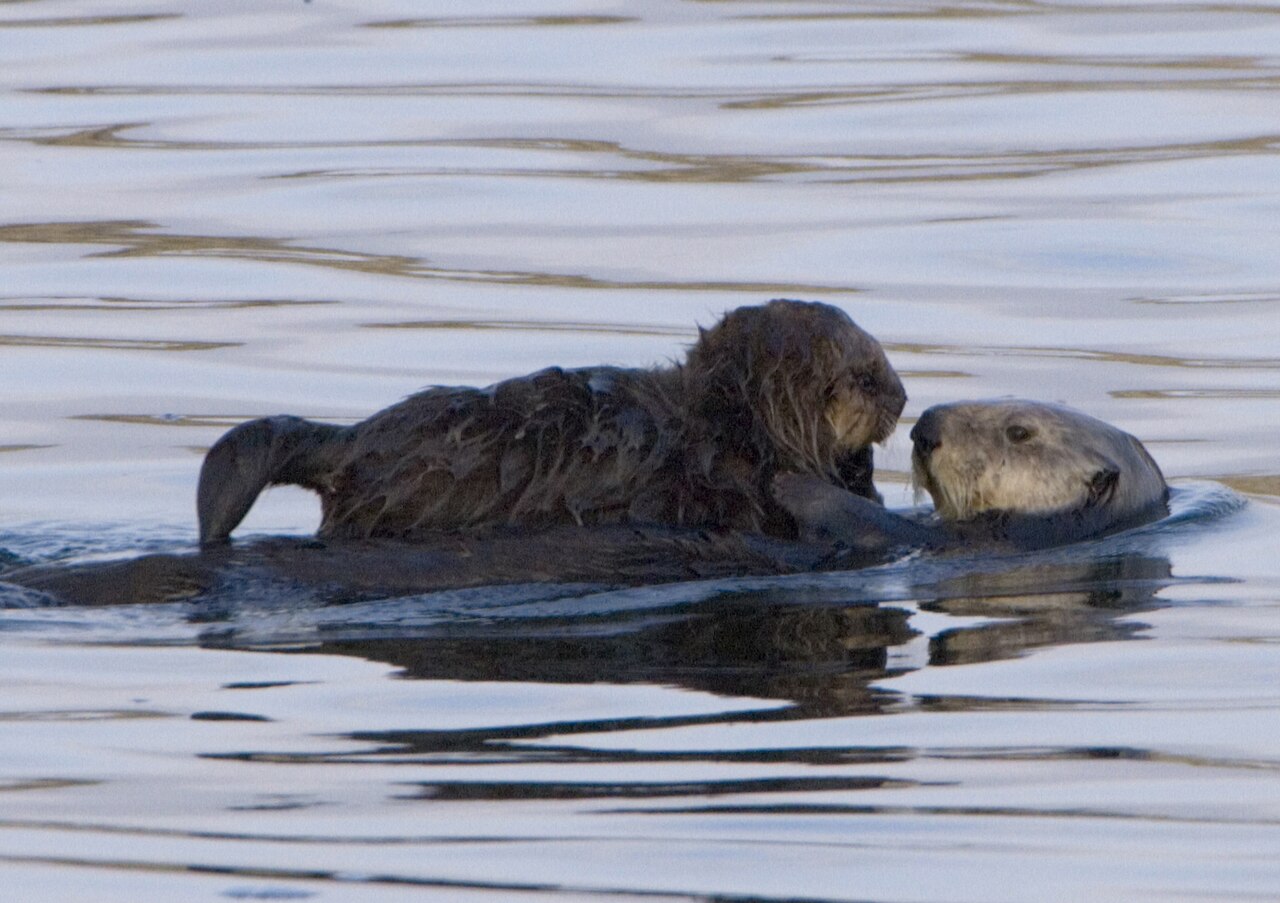
The chirp is the signature river otter sound and the one behind nearly every “what was that squeaking in the pond” question. It is a short, sharp, almost bird like note, often repeated in rapid series, and otters trade it constantly while swimming apart, hunting a shoreline or climbing out onto a log. The purpose is simple bookkeeping: each animal tells the others where it is.
Excitement raises the pitch and the rate. A group of three or four otters working a shallow bay can produce a continuous ripple of squeaks that carries across the whole water body, which is why a single family is often reported as a dozen animals. If you hear chirping, stay still and keep scanning the surface, because the callers are usually moving fast.
Beginners mix this call up with birds more often than with mammals, especially with jays and with the squeal of a wood duck taking off. Compare it against the full range of blue jay calls before you settle on an otter.
Snorts and Huffs: the Alarm Call
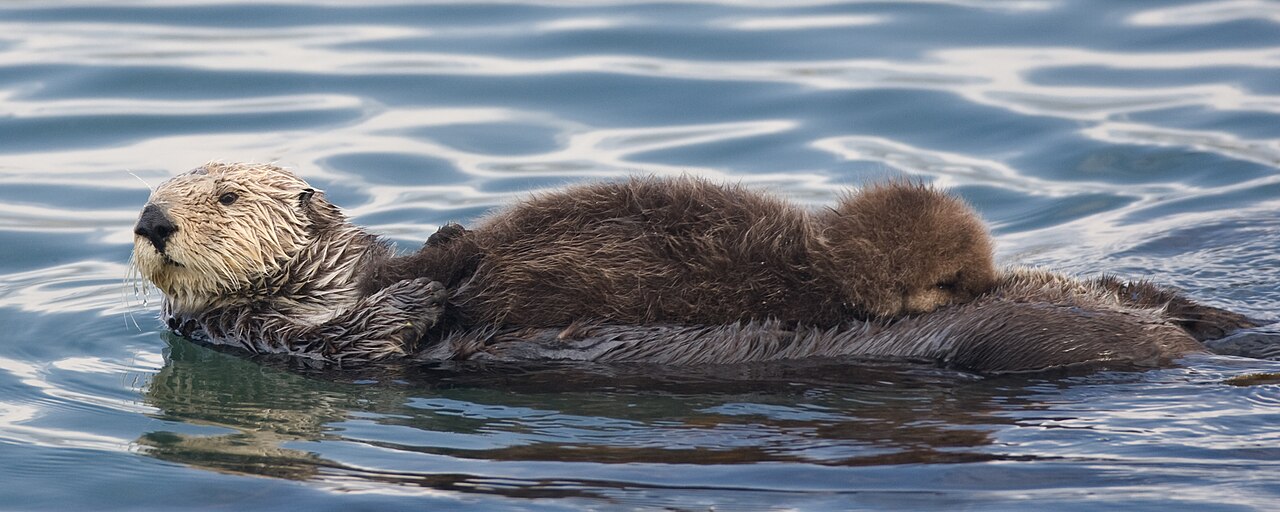
The snort is an explosive, wet burst of air through the nostrils, somewhere between a human sneeze and a small horse clearing its nose. It means the otter has detected you, and it is usually the last sound you get before the animal dives and leaves. Mothers snort to push pups into the water, so a snort followed by small splashes tells you there is a litter in front of you.
Growls, Hisses and Screams: Threat Sounds
Cornered otters growl first, a low rolling rumble from deep in the chest, then hiss with the mouth open. Both are warnings to back off, and both carry only a short distance. Ignore them at a den entrance or over a fish carcass and the next stage is a bite, which is why wildlife agencies treat growling otters near docks as a reason to leave rather than a reason to film.
The scream is the loudest sound in the repertoire, a wavering shriek that people routinely mistake for a woman in distress, a red fox or a bobcat. It belongs to serious fights, mostly between males in the breeding season, and to animals in pain. If you want to rule out the obvious alternatives, run it against the screams and yowls bobcats make first, because that confusion is far more common than a genuine otter scream.
Can Otters Meow? Purrs, Chuckles and Hums
Otters cannot meow, and nothing in their repertoire is built like a cat’s meow, but the comparison is fair for the soft close range sounds. A relaxed otter grooming on a rock produces a stuttering chuckle, a low hum and something close to a purr, and captive giant otters in particular hum almost continuously while resting against each other. Visitors standing a few feet away at zoo enclosures are usually the ones who report meowing.
Courtship Calls: Whistles and Caterwauls
From December through April, river otters add a clear single whistle and long drawn caterwauls to the usual chirping. Males range widely looking for females coming into estrus, and the long distance calling is part of that search, so late winter nights are the noisiest time of the otter year. Births follow in late winter and spring after delayed implantation, which stretches the gap between mating and pups to as long as a year.
Baby Otter Sounds: Whines and Squeals
Pups are the loudest otters relative to their size. A litter of two or three in a natal den whines in thin repeated “eee” notes that sound closer to gulls than to mammals, and the volume rises whenever the mother is away. Sea otter pups are famous for it: a lone pup rafting while its mother dives screams loudly enough to be heard from shore, which is why so many stranding reports come from kelp beds.
Pup noise peaks from March through July in most of the United States. If a steady squealing comes from a bank, a culvert or a hollow log, leave the site alone and watch from a distance, because the mother is usually within a few hundred feet. Our guide to how otter pups grow and when they leave the den covers the timeline in detail.
When You Hear Otters: Time of Day and Season
River otters are most vocal at dawn and dusk and stay active through the night in developed areas, where daytime disturbance pushes them later. In winter they shift toward daylight hours, partly because they are tied to open water and ice holes, so a bright January morning is one of the better times to hear chirping.
Across the year the pattern is predictable: whistles and screams in late winter, pup squealing in spring and early summer, heavy chirping from family groups through late summer as the young travel with the mother, and a quieter fall when yearlings disperse. Otters do not hibernate, so there is no silent season.
What Animal Is Mistaken for an Otter?
By sound, the usual culprits are muskrats and beavers, whose tail slaps and squeals come from the same habitat, red foxes, whose scream is the single most misidentified night sound in North America, and raccoons, whose chittering fights near water pass easily for otter chatter. Birds account for the rest, mostly jays, grebes and wood ducks.
By sight, mink, muskrat, beaver and nutria all take the blame. Mink are the closest call in motion, since they swim the same banks at a third of the size and belong to the same family, so a thin dark swimmer with a pointed face is likelier mink than otter. Their tracks separate them cleanly, and the mink track pattern is worth learning if the animal keeps using the same bank.
Otter Noises Under a Dock or Near the House at Night
Otters are not attic or wall animals, so scratching inside a structure points to something else entirely, usually squirrels, raccoons or the squeaks and scratching bats make in a roost. What otters do take over is the space under docks, boathouses, decks and low crawl spaces close to water, and the sounds that come with them are chirping, thumping as bodies move across planking, and an unmistakable fish smell.
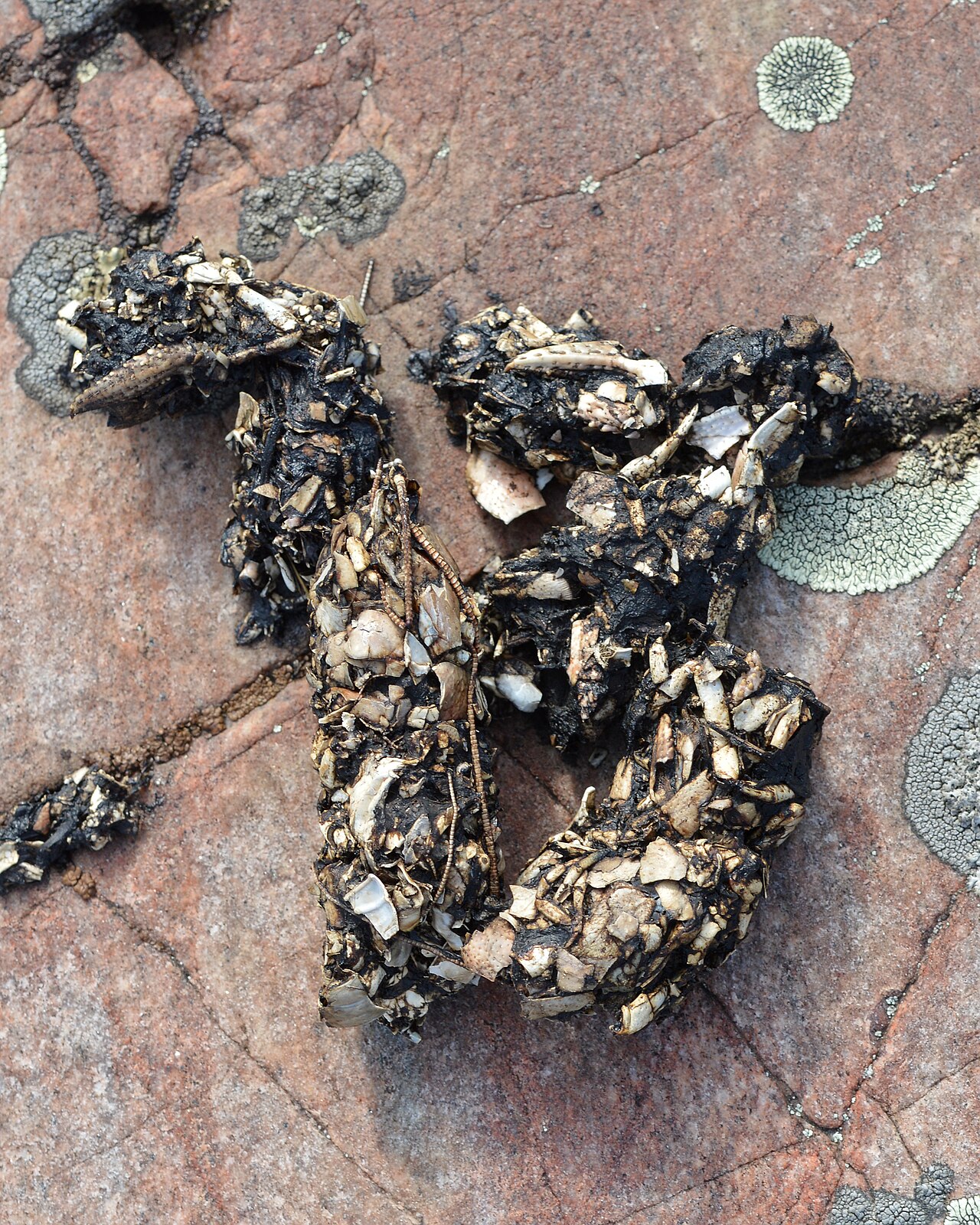
A family under a dock leaves behind scat full of fish scales and crayfish parts and can empty a stocked pond in a season. Exclusion works and poison does not: close the gap once the animals are out, usually in late fall or after pups are mobile, and check your state regulations first, because river otters are a regulated furbearer in most states and may not be trapped or moved without a permit.
Where to Hear Real Otter Recordings
Reading a description gets you halfway; the rest comes from listening. Federal agencies publish public domain wildlife audio, and the National Park Service maintains sound libraries for many of the species in its parks, including river otter, alongside the recordings held by the US Fish and Wildlife Service. Both are free to use and free of the background music that makes commercial sound effect libraries useless for identification.
Check what animal a clip actually shows: many labeled as otter sounds are captive giant otters, far louder than any US species. The pond calls on our bullfrog audio page are the easier practice target.
Frequently Asked Questions
What do otter noises mean?
Each call maps to one situation. Chirps and squeaks mean contact and location within a family group, snorts mean alarm, growls and hisses mean a direct threat, screams mean a fight or pain, chuckles and hums mean a relaxed animal at close range, and thin whines mean a hungry or lost pup.
Why do otters make squeaking noises?
Squeaking is the contact call. River otters travel and hunt spread out over a shoreline, and the squeak tells the rest of the group where each animal is without anyone surfacing to look. Rate and pitch climb with excitement, so a feeding family squeaks almost continuously.
Are otters actually friendly?
No. They look playful and are genuinely social with their own kind, but river otters bite hard and defend dens, pups and food aggressively. Bites happen most often to swimmers and dogs during the breeding season. Watch from a distance and keep dogs leashed near active banks.
What US states have otters?
North American river otters occur in nearly every state, with established populations in all of the lower 48 except possibly parts of the arid Southwest, plus Alaska. Sea otters live along the coasts of Alaska, Washington and California. Reintroductions have restored river otters across much of the Midwest.
What is the cousin of an otter?
Otters belong to the weasel family, Mustelidae, so their closest relatives are mink, weasels, martens, fishers, badgers and wolverines. Mink are the ones people actually meet, because they share the same banks and swim the same way at roughly a third of the body size.
Do otters make noise at night?
Yes. River otters are active through the night in places with daytime human traffic, and late winter nights bring the loudest calling of the year when males whistle and caterwaul while searching for mates. Pup whining from a bank den can continue through the night in spring.