
Rat Spiritual Meaning: 7 Omens and What a Sighting Warns
Seeing a rat is read in most Western traditions as a warning about scarcity, hidden loss, or someone close who cannot be trusted, while in East Asia the same animal is an omen of wealth. That split makes the rat spiritual meaning one of the most divided in folklore, and the reading you should apply depends less on the animal than on where the sighting happened and what the rat was doing.
The two species behind nearly every American sighting are the brown rat (Rattus norvegicus), the heavy bodied sewer and basement rat, and the black rat (Rattus rattus), the slimmer climber of attics and roof spaces. Both arrived with ships, both are survivors of extreme conditions, and that survival is the trait every tradition built its symbolism on.
A rat traditionally symbolizes survival, resourcefulness, and hidden pressure. Seeing one is read as a warning that something is draining your resources quietly, often money, trust, or health. In Chinese and Japanese tradition the rat is instead a sign of wealth and foresight, and a rat crossing your path there is good fortune.
| Situation | Traditional meaning |
|---|---|
| Rat crosses your path | A warning to check your resources; in Chinese tradition, incoming wealth |
| Rats inside the house | A quiet drain on the household; something is being taken unnoticed |
| Rat seen in daylight | Urgency; a hidden problem has become too large to hide |
| Dead rat found | The end of a drain, or a warning delivered too late |
| Rat in a dream | Betrayal, anxiety about money, or a secret surfacing |
| White rat | Unexpected help; a problem that resolves in your favor |
| Rats abandoning a place | Decline ahead; the old sailors’ omen of a doomed ship |
What Does a Rat Symbolize Spiritually?
Spiritually the rat stands for survival at any cost. It thrives in sewers, ships, and cities, breeds quickly, eats almost anything, and goes where it is not wanted, so every tradition that uses it as a symbol starts from resourcefulness. Where traditions differ is whether they admire that resourcefulness or distrust it.
The Western reading leans negative because of history. Rats were associated with plague, spoiled grain, and theft long before anyone understood disease transmission, and the language carries the verdict: to rat on someone is to betray them. A rat sighting in this frame is a prompt to look for the leak, whether in a budget, a business, or a friendship.
The constructive version of the same symbol is adaptability under pressure. Spiritual writers often point out that the rat survives conditions that kill better loved animals, so the omen can be read as proof that you will get through a lean period rather than as a prediction of ruin.
What Does It Mean if a Rat Crosses Your Path?

A rat crossing your path is traditionally read as an interrupted plan. The animal moves fast, low, and along the edges, and folk belief treats anything that cuts across your route as a message about the route itself, usually a warning to check what is being spent, lent, or promised before continuing.
In Chinese tradition the same event is fortunate. The rat is the first animal of the zodiac, having won its place by riding on the ox and jumping off at the finish, and the story makes it a symbol of wit and timing rather than vice. A rat crossing your path in that reading means an opportunity that rewards cleverness over strength.
The practical note is worth keeping: rats run in the open when they are crowded or displaced, so a rat crossing a yard in daylight often means a nest nearby was disturbed. The omen and the infestation tend to arrive together.
Why Are Rats Coming in My House? Spiritual Meaning
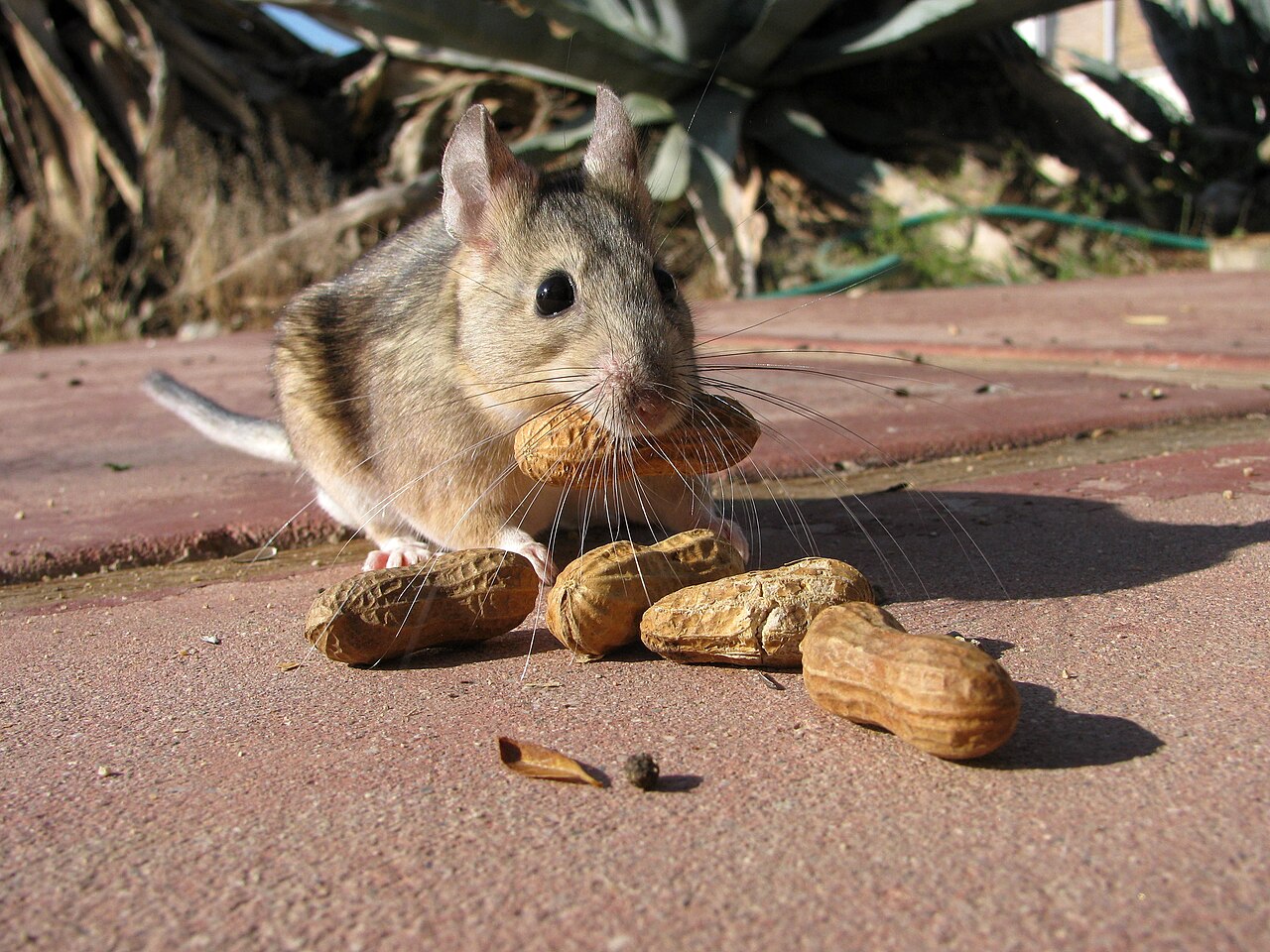
Rats in the house are the sighting people find most alarming, and the traditional reading matches: something is being consumed in your home without your consent. That is applied to money most often, but also to energy, privacy, and attention. The folk instruction is to find what feeds the problem rather than to chase the animal.
Several traditions add that rats enter where there is abundance. Barns and granaries attract them, so in older agricultural belief a rat problem was a sign of stored wealth as much as of neglect. Japanese folk belief ran further in that direction: rats in the house were connected with the prosperity god Daikokuten and were tolerated as a sign the household had food to spare.
Both readings can be true at once. A house with rats has food, warmth, and shelter to offer, and it also has gaps nobody has closed. The symbolic message, scarcity inside abundance, is an accurate description of the real situation.
What Does God Say About Rats in the Bible?
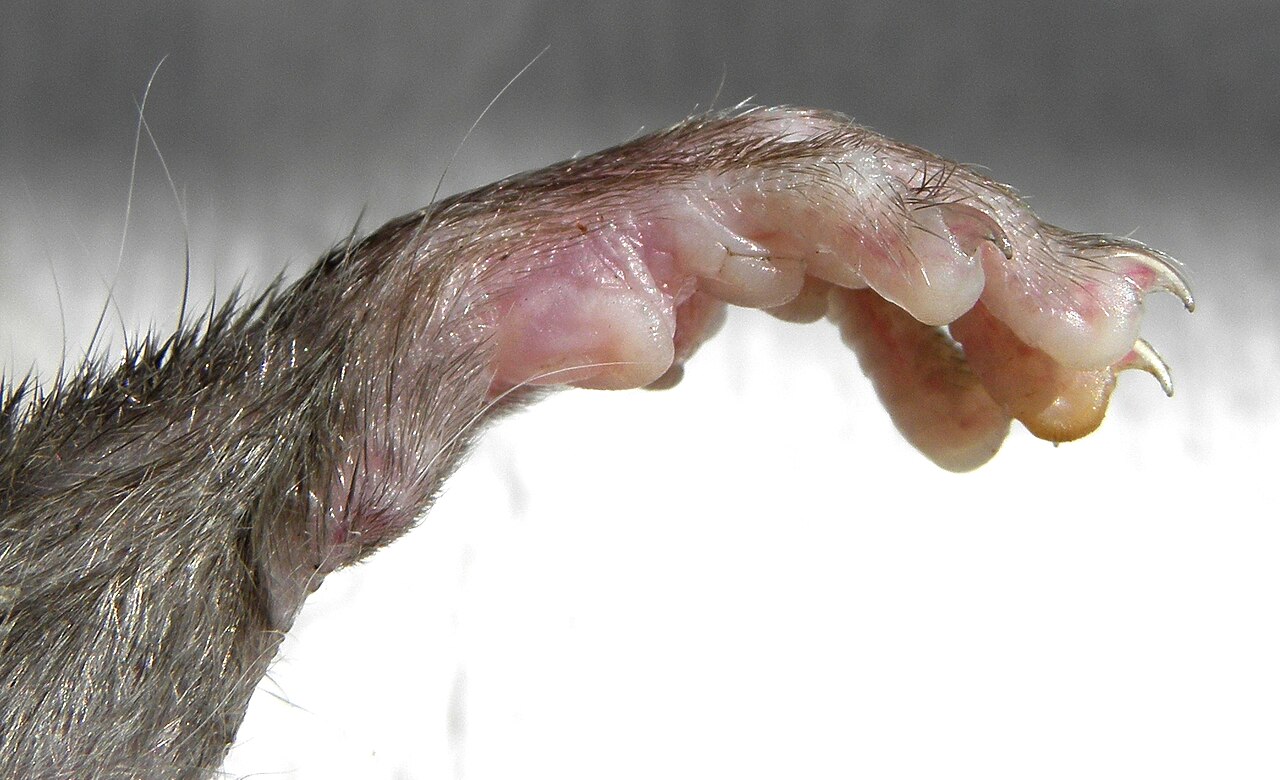
Scripture mentions the rat or mouse in two main places. Leviticus 11:29 lists the mouse among unclean creatures that swarm on the ground, and Isaiah 66:17 condemns those who eat swine’s flesh and the mouse. Hebrew uses one word, akbar, for small rodents generally, so translations render it as mouse or rat depending on the version.
The most striking passage is 1 Samuel 6, where the Philistines send golden mice and golden tumors back with the ark to end the plague that struck them. Readers who look for prophetic meaning point to that chapter: the rodent appears as both the carrier of affliction and the offering that acknowledges it.
Christian interpretation of a rat sighting therefore tends toward purification, a call to clear something unclean out of the household rather than a sign of personal doom. The animal is a figure for corruption, not a curse in itself.
Rat Symbolism in Native American Traditions
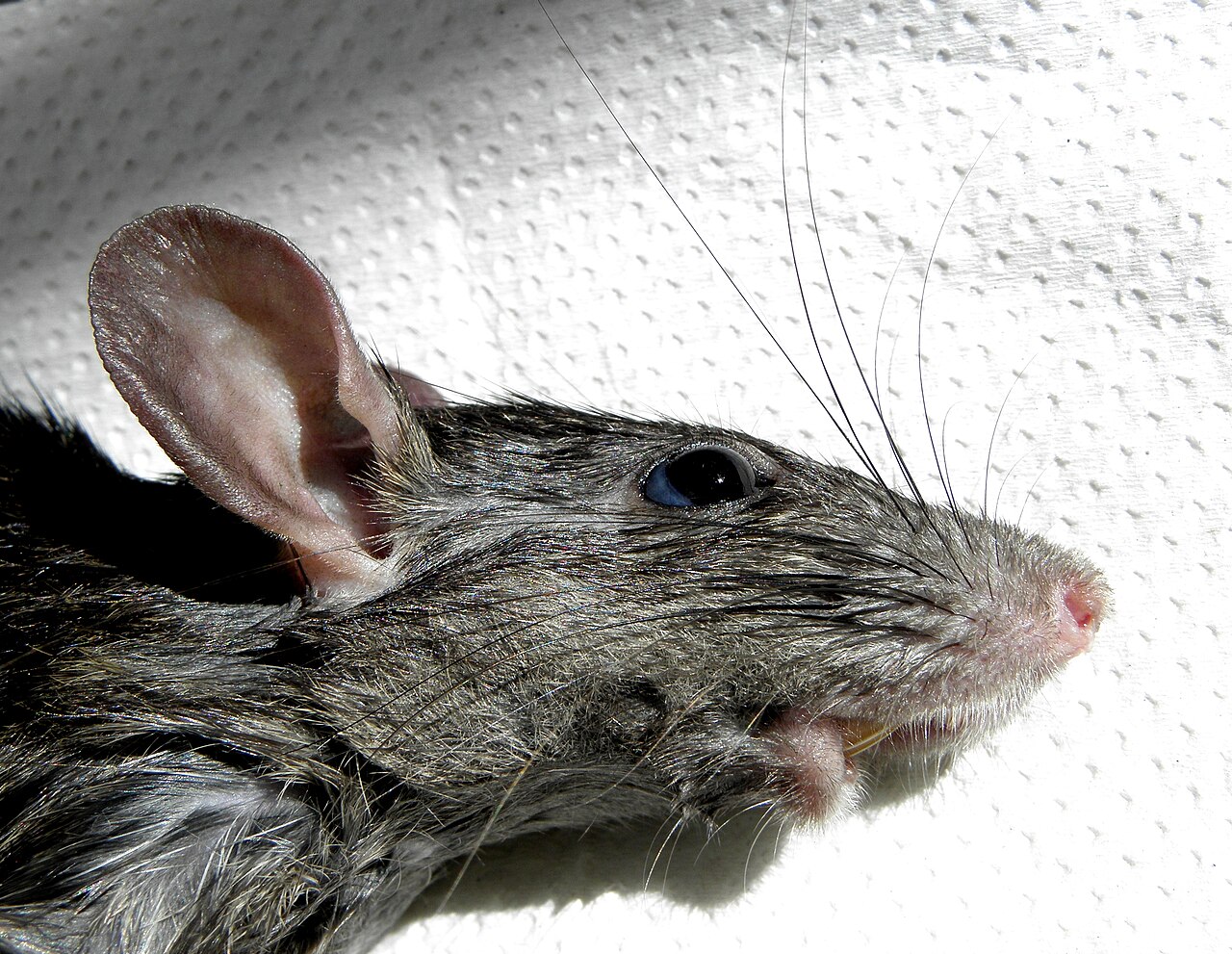
Native American traditions mostly speak of native rodents, the woodrat or packrat (Neotoma species) rather than the imported brown and black rats. The packrat gathers and hoards objects in large middens, and several Southwestern traditions use it as a figure for accumulation, with the lesson that collecting more than you need becomes a burden.
In Hopi and Zuni accounts small rodents act as helpers that know the hidden ways underground, and they appear in stories as creatures who retrieve what was lost. That gives the rodent a role closer to a scout than to a thief.
It is worth stating plainly that these are regional traditions and not a single belief system, and that the negative Western rat is largely absent from them. The tone is closer to caution about hoarding than to disgust, much as bear symbolism centers on strength held in reserve.
Celtic and European Folklore About Rats
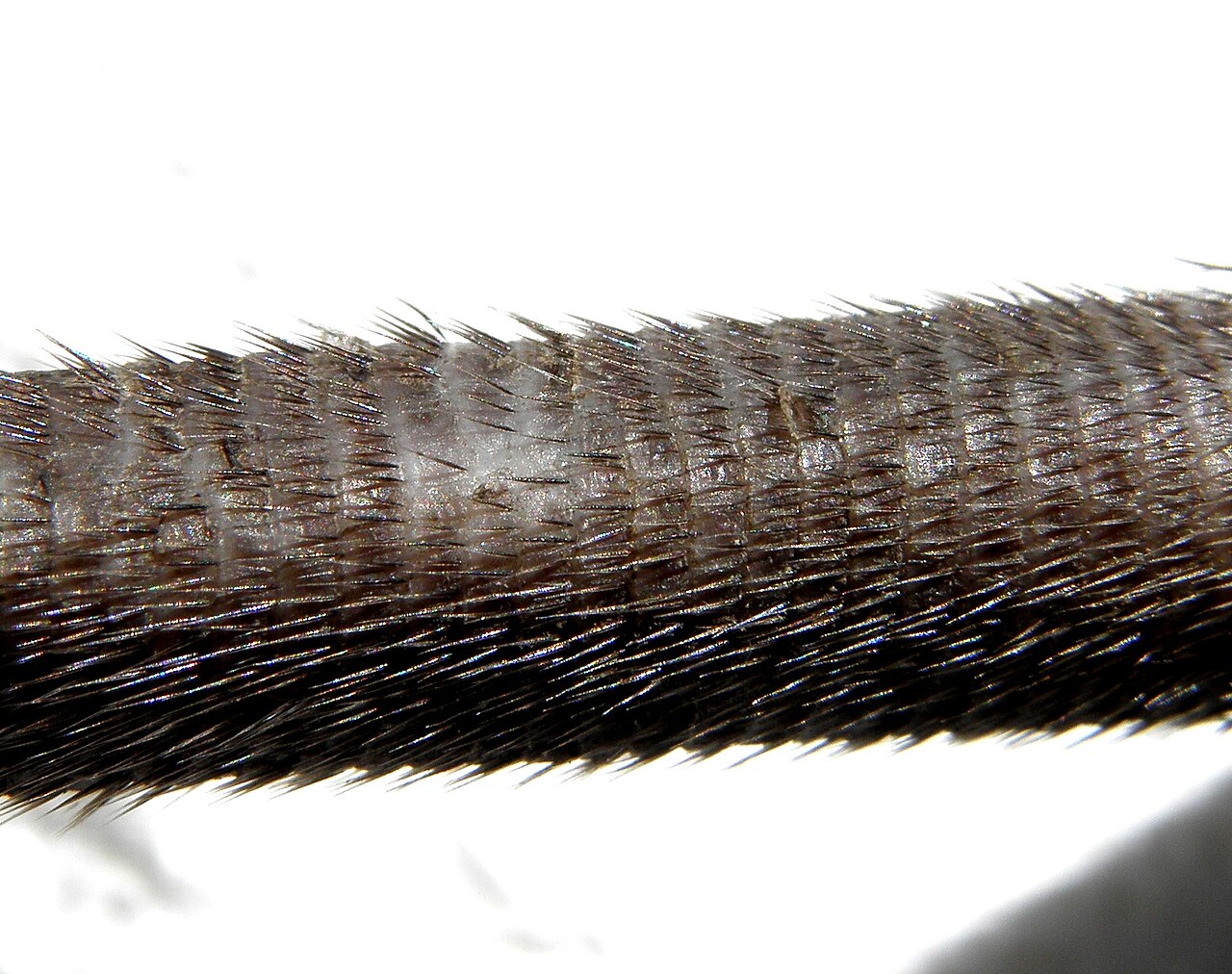
European folklore treats the rat as an omen of departure and decline. The best known example is the sailors’ belief that rats leave a ship before it sinks, recorded for centuries and still used as a figure of speech for people abandoning a failing venture. Rats leaving a house carried the same meaning on land.
Irish and Scottish traditions credited poets and charmers with the power to rhyme rats away, a belief Shakespeare refers to in As You Like It, and the Pied Piper of Hamelin fixed the rat charmer in European memory. Those stories treat the rat as a force that must be bargained with rather than simply killed.
Medieval Christian art used rats and mice gnawing at a tree or a rope as emblems of time eating away at life, which is the source of the modern reading of the rat as slow hidden loss. Birds carried the opposite function as messengers, which bird symbolism traces in more detail.
The Rat in Chinese and Japanese Tradition
Chinese tradition gives the rat the most favorable role of any culture. As the first sign of the twelve year zodiac cycle it governs beginnings, and people born in rat years are described as quick, thrifty, and good at seeing an advantage early. Rat imagery appears in prosperity art, often with coins or grain, because a rat in the granary meant there was grain.
In Japan the rat is the messenger of Daikokuten, god of wealth and the kitchen, and the two are shown together with rice bales. Killing the household rat was discouraged in some regions for that reason. The folk tale of the mouse’s wedding and the Nezumi no Yomeiri prints carry the same affectionate tone.
In Indian tradition the rat is the vahana, the mount, of Ganesha, where it represents desire that must be mastered rather than destroyed, and the Karni Mata temple in Rajasthan houses rats that are venerated as ancestors.
Seeing a Rat in the Daytime or at Night
Rats are nocturnal, so a daytime sighting is read as urgency in nearly every tradition that comments on timing. Something hidden has grown large enough to show itself, and the usual advice is to act in the same week rather than wait for a second sign.
Biology supports the reading. Rats come out in daylight when the colony is crowded, when food has run short, or when a nest has been disturbed, so a daytime rat on a property genuinely indicates a larger population than a nighttime one. Pest control professionals treat it the same way.
A rat seen at night is the ordinary case and carries the ordinary meaning: quiet activity at the edges of your life, worth noticing but not an emergency. Nocturnal omens generally read as subconscious material, the same register as bat symbolism.
Dead Rat Spiritual Meaning
A dead rat is traditionally read as the end of a drain. Because the living animal symbolizes quiet loss, finding one dead is interpreted as the problem having run its course, and in several folk traditions it was taken as the close of a difficult financial period.
The darker reading is a warning delivered too late. Spiritual writers who take that line treat a dead rat on the doorstep as evidence that something was ignored until it collapsed, and they point the person toward the debt, relationship, or symptom that has been postponed.
There is a plain and important caution here. Dead rodents and their droppings carry real pathogens, and the Centers for Disease Control and Prevention advises wearing gloves, wetting the carcass with disinfectant rather than sweeping dry, and double bagging it. Handle the animal safely and the symbolism afterward.
Black, Brown, Grey and White Rat Spiritual Meaning
Color readings are a modern addition, but they are applied consistently. A black rat is read as something concealed, a secret or an influence operating out of view, and the species is a climber that lives above the ceiling, which fits the reading well. A brown rat is read as a practical problem: money, repairs, health, matters at ground level.
A grey rat is treated as ambiguity, a situation that is neither resolving nor worsening, and the suggested response is to force clarity. A white rat, usually a pet or lab strain rather than a wild animal, is read as unexpected help or a problem that turns out to be harmless.
These color associations follow the same interpretive habit as bird omens, where the hue carries the tone and the species carries the subject. The method is visible in cardinal symbolism, where red reads as intensity and presence.
Rat Dream Meaning
Dreams of rats are reported most often during financial stress, and dream dictionaries agree on the main themes: betrayal, anxiety about money, and something kept hidden. A single rat usually points to one person or one worry; many rats point to a situation that feels out of control.
The details carry the reading. A rat that bites is interpreted as a consequence arriving, a rat being chased as an attempt to suppress a problem, and a rat in the kitchen or pantry as pressure on household security. A white or tame rat in a dream is read as an ally you have underestimated.
Read against the Chinese tradition, the same dream flips: cleverness, timing, and the ability to get through a narrow situation. Both readings are available, and which one applies is a judgment about your circumstances, not about the animal.
Hearing Rats in the Walls at Night
Hearing a rat without seeing it is read as a message you are refusing to look at. Folk interpretation treats scratching in the walls or the ceiling as the sound of a problem that is already inside the structure of a life, and the recommended response is to open the wall rather than turn up the volume.
In physical terms the sound tells you the species. Scratching and scurrying overhead usually means the black rat, which climbs into attics and roof voids, while gnawing low along a baseboard points to the brown rat at ground level. Either way the noise is a feeding and nesting sound, not a passing visit.
Does Killing a Rat Bring Bad Luck?
Several traditions say yes. Japanese folk belief discouraged killing the household rat because of its link to Daikokuten, Indian tradition protects the rat as Ganesha’s mount, and European rat charmers were paid to move the animals on rather than slaughter them, which implies a belief that the killing itself carried a cost.
Western folklore is less squeamish, and in most English language sources killing a rat carries no penalty at all. Where a taboo appears, it concerns waste and cruelty rather than the animal’s status. The practical caution is real, though: a rat that dies inside a wall is a smell and a sanitation problem for weeks.
Rat as Spirit Animal, Totem and Omen
As a spirit animal the rat stands for resourcefulness, foresight, and the refusal to be eliminated. People who claim the rat totem are described as adaptable, socially sharp, and inclined to stockpile against hard times, with the stated lesson being that hoarding and preparation are not the same thing.
As an omen the rat is best read by context: crossing your path, check your resources; in the house, find the drain; in daylight, act now; dead, the cycle has closed. Rats are also intensely social animals that recognize individuals and care for injured cage mates, which is why modern spiritual writing increasingly frames the rat as loyalty rather than treachery.
Taken together, the rat is a working omen rather than a verdict. Where the bee promises reward for effort and the centipede promises protection, the rat promises survival, and it asks what the survival is costing.
Frequently Asked Questions
Does a rat bring good luck?
In Chinese and Japanese tradition, yes. The rat opens the zodiac, stands for wit and thrift, and appears in prosperity art with grain and coins, and as Daikokuten’s messenger it signals a household with food to spare. Western folklore reads the same animal as loss and betrayal, so the luck depends entirely on the tradition applied.
What demon is associated with rats?
Medieval European demonology linked rats and plague to Beelzebub, the lord of flies and of vermin, and later occult writing added Baal and the Egyptian god Set in his destructive aspect. These associations come from Christian polemic rather than from older sources. In Hindu tradition the rat is the opposite, Ganesha’s mount, where it represents mastered desire.
What do rats usually symbolize?
Survival, resourcefulness, fertility, and hidden drain on resources. In negative use the rat means theft, betrayal, and decay; in positive use it means adaptability and foresight. The shared element across traditions is that rats represent what happens quietly and at the edges, which is why the omen is almost always a prompt to look closer.
What are forbidden animals in the Bible?
Leviticus 11 and Deuteronomy 14 declare unclean any land animal that does not both chew the cud and have split hooves, which excludes pigs, camels, and rabbits, along with shellfish, birds of prey, and swarming creatures that go on the ground. The mouse or rat, akbar in Hebrew, is named directly in Leviticus 11:29.
What is the Hebrew word for rat?
Biblical Hebrew uses akbar, a general term for small rodents that English Bibles render as either mouse or rat. Modern Hebrew distinguishes them, using chuldat for rat and akbar for mouse. Because the ancient word covers both, verses about akbar are read as applying to rats as well.
What does a rat mean for love and relationships?
The traditional reading is a warning about trust: something small being withheld, or a third party working out of sight. Read constructively, the rat points to loyalty under hard conditions, since wild rats share food and groom injured companions. Other omens of concealment, such as blackbird symbolism, carry the same double edge.