Bumblebee Spiritual Meaning: What It Means When One Visits
The bumblebee spiritual meaning comes down to persistence, gentle strength and joy in your work, and a bumblebee that lands on you or visits you is a good luck sign that you are on the right path. Searches for this start with a moment. A fat, furry bee settles on a sleeve, hovers at the same window three mornings running, or appears in the garden the week after a funeral. This article takes those moments one by one, and it is about the bumblebee (genus Bombus), not the honey bee.
Symbolism is belief and interpretation, not biology, and this is the one place the article says so. From here on it speaks the way folk tradition speaks, directly, with the bee’s real behavior next to the meaning.
A bumblebee spiritually stands for persistence, gentle strength and joy in your work. One landing on you or visiting you is a traditional good luck sign that says trust your next step and keep going. Repeated visits point to an unfinished project, and a bee in the house carries that message into your private life.
What Does a Bumblebee Mean Spiritually?
A bumblebee signifies endurance, gentleness, joy in living and abundance through small daily work. The endurance comes from how it moves, slow and heavy from flower to flower, out in weather that grounds other insects. The gentleness comes from its temperament, since a foraging bumblebee ignores you. The joy is in the low hum of warm afternoons. The abundance is pollination. A bumblebee makes no harvest you take home, but without it much of the garden sets no fruit, so the bee stands for prosperity that arrives later and for everyone. The full guide to bee symbolism covers honey bees and hives.
Then there is the popular myth that a bumblebee should not be able to fly. The claim is wrong, but it survives because a round body on small wings getting airborne anyway makes a good picture of the seemingly impossible. The deeper lesson is slower. A bumblebee works one patch thoroughly before it moves on, and its visit is a nudge against rushing.
Bumblebee vs Honey Bee: Why the Meanings Differ
A bumblebee stands for self reliance and a honey bee stands for the collective, and the difference starts with the nest. A bumblebee colony is small and lasts one season. In autumn it dies and a newly mated queen overwinters alone, then founds the next nest by herself. A honey bee hive is a city that persists for years. One bee is a founder, the other a citizen.

The second difference is the harvest. Bumblebees store only a few days of nectar, nothing a beekeeper takes, so the symbol is the process rather than the yield. The honey bee’s meaning is bound up with stores and reward. The bumblebee’s meaning is the work itself, with no jar at the end. The body adds the last layer. Furry, loud and unhurried, the bumblebee means warmth, comfort and grounding. If the lesson you need is about belonging to a large, organized group, the meaning of ants carries that theme better than any bee.
Bumblebee Spirit Animal and Totem
The bumblebee is your spirit animal if you are the person who gets the long job done quietly while louder people take the credit. People with this totem are persistent, friendly, underestimated and efficient in a way that does not look like effort. They prefer a small, loyal circle to a crowd. You recognize the totem by pattern, not by one sighting. Bumblebees find you year after year, land on you rather than on the people beside you, or turn up at the turning points of your life.
The shadow side is overwork. A bumblebee forages until it drops, and the totem person pours energy into other people’s gardens until nothing is left for their own. The bee’s message then is permission to rest. The honey bee totem is different, centered on service to a hive and sacrifice for the group.
What It Means When a Bumblebee Lands on You
A bumblebee landing on you means you are in the right place and the next step is safe to take. It is a confirmation, not a prediction. The bee chose you out of everything in the garden, stayed, and left without harm, so the landing blesses whatever was on your mind at that moment. Where it lands shades the message. A bee on your hand points to the thing you are about to make or sign. A bee on your head is a decision you keep turning over, and the landing says act. A bee on your shoulder is support.
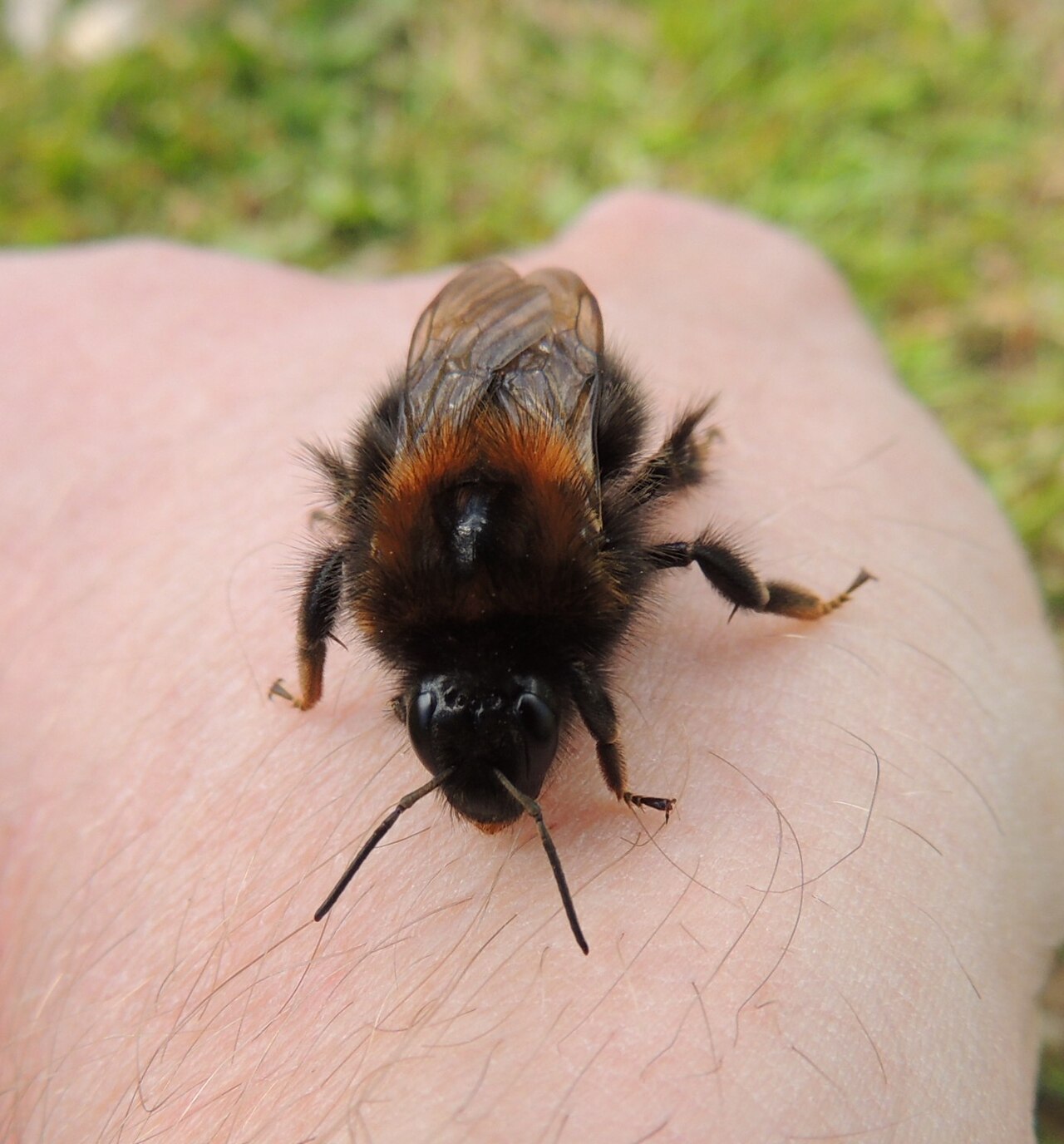
The biology is simple. Bumblebees rest when they are cold, wet or low on fuel, and a warm hand in the sun is a good place to recharge. A bee that sits on you for a minute and flies off was warming up. The full guide to a bee landing on you covers every body part and every kind of bee.
When a Bumblebee Visits or Keeps Following You
A bumblebee that visits once is a greeting, and a bumblebee that keeps coming back is a reminder of something you set down and never picked up. Repeated visits mean unfinished business, the course you stopped or the letter you drafted and did not send. The bee returns to the same flower until the work there is done, and that is the image you are handed.
If the bee circles you rather than landing, the practical cause is curiosity. Bumblebees inspect bright colors, floral scents and anything moving against the sky. Spiritually, circling is attention. Someone is looking at you closely right now. Separate the single visit from the pattern. One bee in one afternoon is weather and flowers. The same bee at the same door across several days is a message, and it comes with one question. What did you last give up on, and was that decision final or just tired?
Is Seeing a Bumblebee Good Luck or a Bad Omen?
Seeing a bumblebee is good luck in Western folk tradition. The bee brings warm weather, pollination and the promise of fruit, the things a farming household wanted to see. A bee in the spring garden promised a kind season, and a bee that stayed around the house meant prosperity settling in.
Three situations flip into warnings. A sting is a rebuke, a dead bumblebee on the doorstep is a loss coming, and a bee trapped in the house is something closing in. Treat those warnings as instructions about boundaries, not as sentences. A sting follows a bee being pressed, grabbed or sat on, so the lesson is that you pushed too hard. A trapped bee tells you to open a window, in both senses. None of this comes with numbers or country lists, because that kind of detail is invented more than it is recorded.
Where You See It: House, Window, Night and Dreams
The place a bumblebee turns up changes the meaning. Outdoors it is a guest in its own world. Indoors, at the glass, after dark or in sleep, it has crossed into yours.
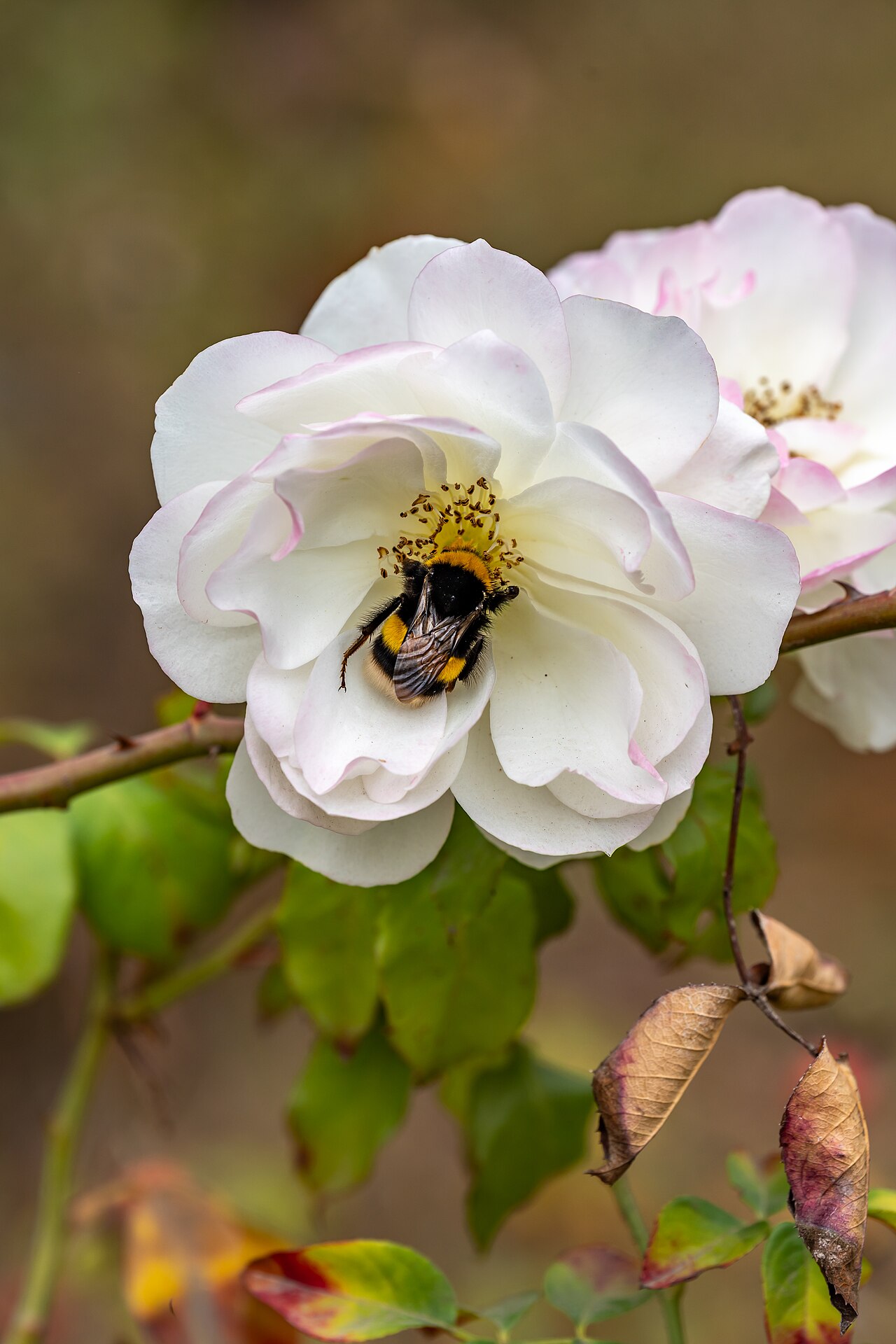
In the house. A bumblebee in the house means a message from the outside world has reached your private life. News is coming, and the household’s luck is about to turn for the better. Escort it out with a glass and a card. Letting it leave unharmed is part of the omen.
At the window. A bumblebee at the window is the clearest breakthrough image the insect offers. It sees where it wants to be and keeps hitting the same invisible wall. Your way forward is real, but your approach needs to change. Open the window. Try the other side.
At night. A bumblebee at night was drawn in by a porch light or caught out by a cold evening, since it forages by day. The theme is orientation. The bee is steering by the wrong signal, and the sighting asks whether you are too.
In a dream. A bumblebee in a dream means diligence and fertility, a project or a family about to bear fruit. Being stung in the dream is hurt pride, a small insult that landed hard. Catching a bee in a dream is holding on to something that needs release.
Bees in the Bible and the Meaning of a Swarm
The Bible never mentions a bumblebee, but it mentions bees and swarms, and the swarm carries two opposite meanings. The best known passage is Judges 14:8, where Samson returns to the carcass of the lion he killed and finds a swarm of bees and honey inside it. That image became his riddle, sweetness out of the strong, and the root of the belief that hardship holds something nourishing.
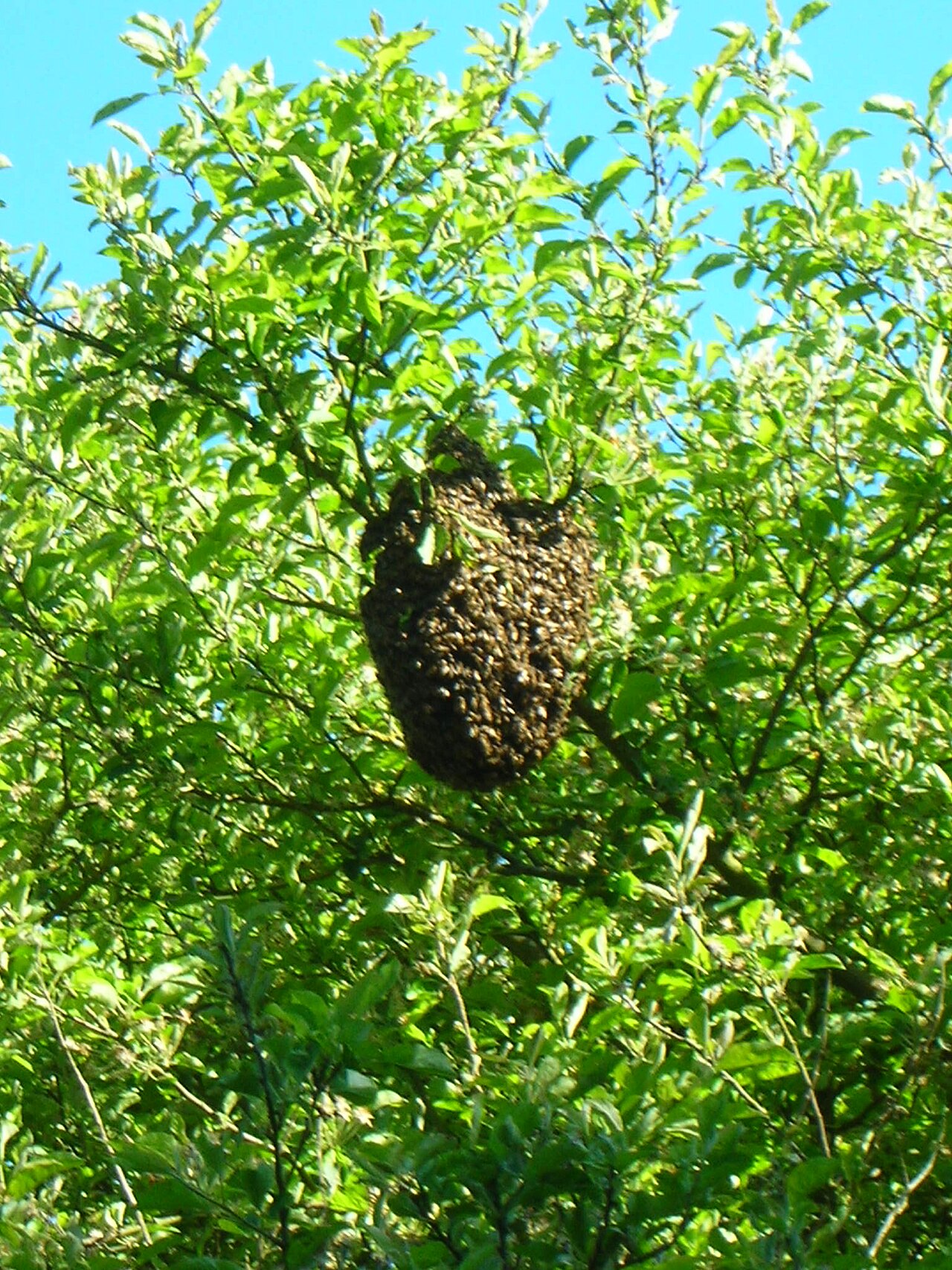
The other two passages use the swarm as an enemy. In Deuteronomy 1:44 the Amorites chase the Israelites “as bees do,” and in Psalm 118:12 the writer’s enemies surround him like bees before being put out like burning thorns. Here the swarm is pressure from every side. Honey itself is abundance. Exodus 3:8 describes the promised land as flowing with milk and honey, the phrase people reach for when a bee shows up during a hopeful season. Those four verses are the whole of it.
Bumblebee After a Loved One Dies
A bumblebee that appears soon after a death is a greeting from the person you lost, and that moment is one of the biggest reasons anyone searches this topic. The sighting is a bee at the graveside, in the funeral flowers or at a window in the days afterward. Grief makes you watch the garden closely, and the bumblebee is big, slow and easy to see.
There is an old root for the connection. In England and later in New England, families practiced “telling the bees,” going out to the hives after a death to tell the bees the news and draping the hives in black cloth. Bees left untold would leave or die. John Greenleaf Whittier’s 1858 poem “Telling the Bees” describes the custom. It belongs to honey bees, but the bumblebee inherits the feeling. Take the visit as a hello, nothing more. It came while you were thinking of them, stayed a moment, and moved on. That is enough to keep.
Black and Red Bumblebees: What the Colors Mean
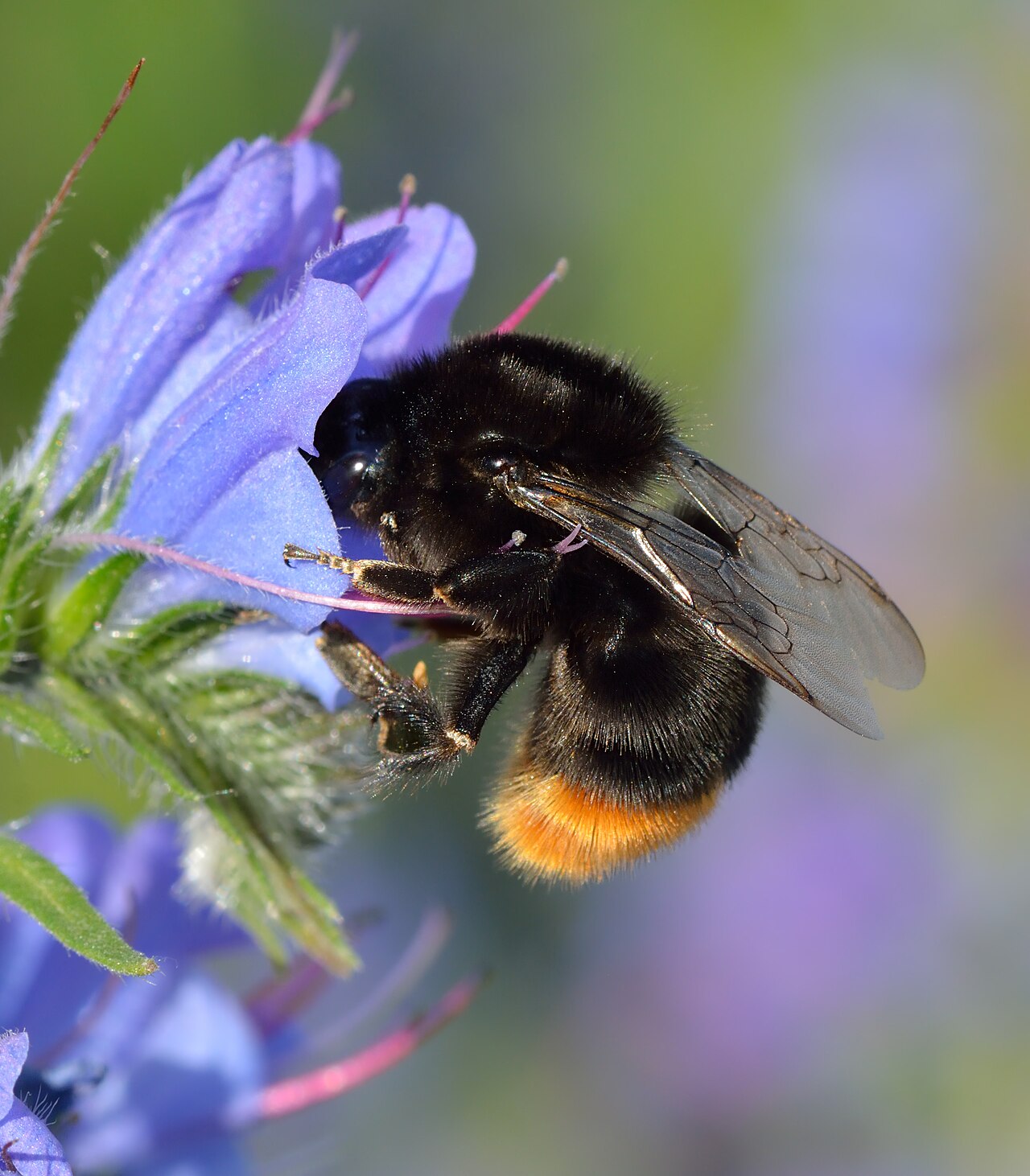
An all black bumblebee means protection and shadow work, the quiet sorting through of things you would rather not look at. One caution first. A large, shiny, mostly black bee in the United States is frequently a carpenter bee (genus Xylocopa), not a bumblebee, and the bare, glossy abdomen gives it away. A black bee with a bright red tail is the red tailed bumblebee (Bombus lapidarius), a European species that fills American photo searches. The red stands for passion, courage and the will to begin, and the black body grounds it.
The classic yellow and black bumblebee carries joy and warning at once. Yellow is the sun and the garden. The bands tell predators to back off. Happiness and self protection are not opposites. Color works the same way for other insects, and the black butterfly meaning shows how dark coloring shifts a sign without making it bad.
Bumblebee Meaning in Love and Relationships
A bumblebee in a relationship means growth through steady attention, because pollination is the clearest picture of two things flourishing by contact. The bee moves between flowers and both bloom for it. Partners who show up every day, in small ways, are doing bumblebee work. Loyalty to the nest is the second thread. A bumblebee ranges far but returns to one small colony, which means reliability rather than possession.
A bumblebee that visits a couple, lands at a wedding or drifts through an engagement photo signals a sweet season ahead. Twin flame writers fold the bee into their language too, but folk tradition does not use that term. Couples who want to keep the sign choose matching bee tattoos, and the bee tattoo meaning guide explains the designs.
| Insect sign | Core theme | Typical trigger moment |
|---|---|---|
| Bumblebee | Persistence, gentle strength, joy in work | Lands on you or visits the same spot for days |
| Honey bee | Community, order, reward for service | Swarm nearby or a bee indoors |
| Ant | Discipline, patience, shared effort | Trail through the house or a line across your path |
| Beetle | Protection, renewal, rolling on | Found indoors or on a windowsill |
| Butterfly | Transformation, lightness, the soul | Follows you or lands on you |
| Black butterfly | Endings, rebirth, a message of change | Appears after a loss or a decision |
Frequently Asked Questions
How rare is it to see a bumblebee?
Not rare across the United States, where bumblebees visit gardens from spring to autumn. Individual species are a different matter. The rusty patched bumble bee (Bombus affinis) is listed as endangered under the US Endangered Species Act, so a confirmed sighting of that species is genuinely uncommon and worth reporting to a conservation project.
Do bumblebees sting, and does a sting have a meaning?
Yes, female bumblebees sting, and males cannot because they have no stinger. A bumblebee stings when it is trapped, grabbed or its nest is threatened, and foraging bees ignore people. Spiritually a sting is a rebuke for pushing too hard, and the practical lesson is the same. You pressed something that needed space.
What does a bumblebee in early spring mean?
The first large bumblebees of spring are queens that survived the winter alone and are searching for a nest site. Spiritually they stand for a fresh start made by one person with no help yet. Seeing one is encouragement to begin before conditions feel ready, because the queen does exactly that every year.
What does a dead bumblebee mean?
A dead bumblebee at the end of summer is a natural end, since workers and males die as the season closes and only new queens overwinter. Spiritually it marks the completion of a cycle, a job finished rather than a loss. A dead bee in spring, when nothing should be ending, prompts you to check what you let lapse.
Is a bumblebee a sign from an angel?
No scripture connects bumblebees to angels, and the Bible does not mention the bumblebee at all. The angel connection is modern folk spirituality that grew around the idea of small animals as messengers. People who hold it treat the bee as reassurance, and there is no harm in that, but call it belief rather than tradition.
What does a bumblebee sleeping in a flower mean?
A bumblebee asleep in a flower is a male. Males do not return to the nest once they leave it, so they spend nights tucked into blossoms and wake covered in dew. The image means rest earned honestly and trust, falling asleep in the open because the day’s work is done and nothing is chasing you.
Sources
- Xerces Society for Invertebrate Conservation, Bumble Bees
- US Fish and Wildlife Service, Rusty Patched Bumble Bee (Bombus affinis)
- Encyclopaedia Britannica, Bumblebee
Explore more: Insect Spiritual Meanings: 15 Bugs and What They Signal