How to Attract Birds to Your Yard: The Complete Guide
A feeder full of seed will bring you some birds. A yard with food, water, shelter, and safety will bring you many more, and many more species. Most beginners focus only on the food part, then wonder why their feeder attracts the same three House Sparrows for months. The yards that build into something special are the ones where every layer of bird need is met, even if modestly. This guide walks through the four habitat fundamentals that determine which birds visit and how often, the plants that earn their keep, the safety mistakes that quietly repel birds, the species-specific tricks, and how to read the timing of when each lever pays back.
What Birds Actually Need From a Yard
Every bird, regardless of species, evaluates a yard on four criteria: is there food, is there water, is there cover, and is it safe? That’s the entire framework. Feeders address food. Bird baths address water. Native shrubs and brush piles address cover. Cat management and window safety address safety. Each one independently brings more birds; together they multiply.
This is a different mental model than the typical “buy a feeder, fill with seed” approach. A feeder alone is one out of four. Yards with all four boxes checked routinely attract 20 to 40 species across a year, even in suburban neighborhoods. Yards with only food check 5 to 10 species at best, and usually skew toward aggressive non-native species like House Sparrows and starlings.
If you’re brand new to backyard birding overall, the complete beginner’s guide covers gear and the basic habit-building side. This guide focuses specifically on yard setup, the habitat layer.
The Four-Lever Framework
There’s an order to addressing the four fundamentals that maximizes your results per week of effort. Food gives you the fastest visible result. Water gives you the biggest variety increase. Shelter is the slowest but most permanent investment. Safety determines whether birds stay long enough to matter.
Most people work them in food → water → shelter → safety order. The faster levers up front keep you motivated; the slower levers compound over months and years.
Lever 1: Food (Fastest Result, 1 to 4 Weeks)
A feeder filled with the right seed produces visible bird activity within 1 to 4 weeks in most yards. This is the highest-confidence beginner lever because it works almost universally, costs little to start, and gives you observable feedback that something is happening.
The minimum-viable food setup:
- One hopper or tube feeder
- 20-pound bag of black oil sunflower seed
- Pole-mounted with a squirrel baffle
- 10 to 15 feet from cover
That’s it. We cover the food side in depth in the complete bird feeders guide and the bird seed guide, including the species-to-seed matrix that lets you curate which birds show up.
Food beyond feeders matters too, and matters more long-term. Native plants are the highest-yield food source you can add to a yard, because they produce seeds, berries, and the insects that birds (especially nesting birds) actually need. A single mature oak supports hundreds of caterpillar species, which is what most songbirds feed their young. We list region-appropriate options in the guide to plants that attract birds and flowers that attract birds.
Lever 2: Water (Biggest Variety Lift, 2 to 6 Weeks)
A water source attracts birds that ignore feeders entirely. Robins, thrushes, warblers, orioles, and many migratory species visit water but won’t touch seed. Adding a single bird bath to a yard with an existing feeder typically doubles the species count within a few weeks.
What matters about water:
- Shallow. Two inches deep maximum. Small songbirds won’t use deeper baths.
- Moving sound. A drip, fountain, or any noise-making feature multiplies attraction. Birds are drawn to the sound of water far more than to still water.
- Visible. Birds find water visually from above. Open placement with a clear flight path works better than tucked-away locations.
- Clean. Refresh every 1 to 3 days. Mosquito breeding is the most common neglect issue.
A $15 ceramic saucer on a low stump beats nothing. A pedestal bath with a solar drip beats a saucer. A heated bath in winter beats both (winter is when open water becomes scarce and birds will travel from neighborhoods around to reach a single unfrozen source).
The complete bird baths guide covers all the water options, and the best bird baths comparison helps you choose specific products.
Lever 3: Shelter (Slow but Permanent, Months to Years)
Birds avoid open yards. A bird out in the open is exposed to hawks and cats and gets harassed by other birds. Yards with dense cover within 10 to 15 feet of feeders see far more activity than treeless lawns, even with identical feeders and seed.
The three shelter layers, in order of how fast they pay back:
Brush piles. A pile of trimmed branches and woody debris, 4 to 6 feet across and 3 to 4 feet tall, in an out-of-the-way corner. Sparrows, juncos, and wrens use it within weeks. Zero cost. Aesthetically not for everyone, but functionally unmatched as an instant shelter solution.
Dense shrubs. A single native shrub planted 10 to 15 feet from your feeder dramatically changes the equation. Recommended natives by region:
- Northeast/Midwest: Eastern Serviceberry, American Holly, Winterberry
- Southeast: Wax Myrtle, American Beautyberry, Yaupon Holly
- West: Toyon, Manzanita, Western Elderberry
- Southwest: Sumac, Desert Hackberry, Mesquite
Shrubs take 2 to 3 years to fully fill in. Plant in fall or early spring. They produce berries (food) on top of providing shelter.
Mature trees. The deepest cover. If your yard has them, leverage placement around them. If not, plant smaller native trees now, they’ll mature in 10 to 15 years and your future self will thank you. American Beech, Oaks, Maples, and Pines all support far more bird activity than ornamental non-natives.
Nest boxes extend shelter into nesting habitat. The right box for the right species in the right spot can attract bluebirds, chickadees, wrens, or even Eastern Screech-Owls year after year.
Lever 4: Safety (Determines Whether They Stay)
A yard with abundant food and water but high predator pressure will see birds visit briefly and leave permanently. Safety isn’t a positive lever in the way the others are, it’s an absence of negative pressure. Reduce the threats and birds stay longer.
The four safety priorities:
Outdoor cats. A single roaming cat is the largest single threat to backyard birds in most neighborhoods. The American Bird Conservancy estimates outdoor cats kill billions of birds annually in the US. If you have a cat, keep it indoors or build/buy a “catio” enclosure. If neighbors have outdoor cats, your only practical defense is feeder placement: high feeders far from any climbable surface, dense low cover for birds to escape into, and no ground-feeding stations where cats can ambush.
Window collisions. Birds hit windows at rates that surprise most homeowners. The dangerous zone is 5 to 30 feet from glass (birds reach injurious flight speeds but haven’t yet identified the obstacle). Either place feeders less than 3 feet from windows (no speed buildup) or more than 30 feet (birds navigate normally). For unavoidable danger-zone placement, applied window markers at 2 to 4 inch spacing dramatically reduce strikes. The American Bird Conservancy and Acopian BirdSavers maintain lists of effective products.
Pesticide and herbicide use. A bird-friendly yard and a chemically-treated yard are largely incompatible. Pesticides kill the insects that birds feed to their young. Herbicides eliminate the “weeds” that produce seeds birds actually eat (dandelion, ragweed, plantain). Lawn chemicals leach into the soil and water. The single biggest yard-level improvement most homeowners can make is reducing or eliminating chemical treatments, especially during nesting season (spring through early summer).
Hawks and feeder-hunting predators. Cooper’s Hawks and Sharp-Shinned Hawks specifically target backyard feeders, and this is normal. Hawks are part of a healthy ecosystem, not a problem to solve. If hawk pressure is unusually high (one feeder is being patrolled constantly), move the feeder location for a week or two. The hawk usually shifts territory.
The Plants That Multiply Bird Activity
Plants are the most overlooked attractant layer because they pay back slowly. A yard with the right native plants will out-perform a yard with three feeders and no plants over a 3 to 5 year window, because plants provide food, shelter, and nesting sites simultaneously.
The plant categories that matter:
Berry Producers (Winter Food)
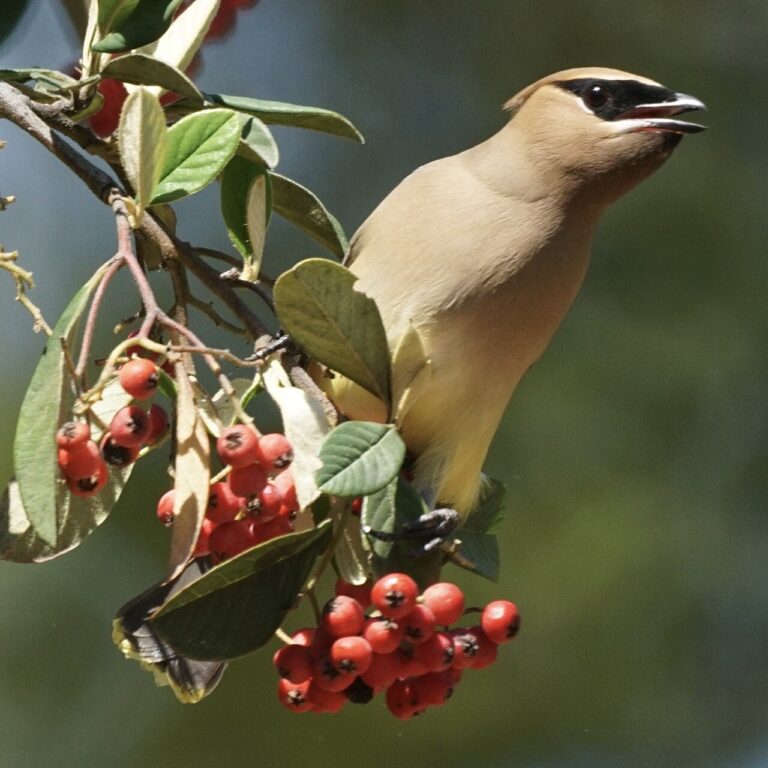
Birds that overwinter in your region rely on persistent fruit through the cold months. Native berry-producing shrubs and trees are why some yards see Cedar Waxwings, robins, and bluebirds in February.
- Winterberry holly. Holds berries through midwinter. Northeast/Midwest favorite.
- American Holly. Year-round structure plus winter berries.
- Dogwoods (Flowering, Pagoda, Silky). Late-summer through fall berries.
- Serviceberry. Spring berries; one of the most bird-attractive trees in North America.
- Eastern Red Cedar. Berries through winter; also a key Cedar Waxwing food.
- Sumac (Staghorn, Smooth). Persistent berries valued by 90+ bird species.
Seed Producers
Native grasses and wildflowers produce seeds that finches, sparrows, and juncos eat directly from the plant.
- Coneflowers (Echinacea). Goldfinch favorite when seedheads mature in fall.
- Black-Eyed Susan. Similar finch attraction in fall.
- Native sunflowers. Direct seed source; multiple species across regions.
- Switchgrass and Little Bluestem. Native grasses with seed and nesting cover.
- Goldenrod. Late-season seed plus insect production.
Nectar Producers (Hummingbirds)
Hummingbirds need nectar; flowers that produce it consistently keep hummers in your yard from migration through migration.
- Trumpet Honeysuckle. Native, hummingbird magnet.
- Bee Balm. Bright red blooms specifically attract Ruby-Throated Hummingbirds.
- Cardinal Flower. Late-summer nectar source.
- Salvia (native species). Sustained bloom for 8+ weeks.
- Trumpet Vine. Aggressive grower, but among the highest-yield hummingbird plants.
We cover the hummingbird side specifically in the complete hummingbird guide.
Insect Hosts (Critical for Nesting)
This is the layer most beginners don’t think about. Songbirds feed their young insects, not seeds, even species that are seed-eaters as adults. A yard without host plants for insects can’t sustain nesting birds, regardless of how many feeders you have.
- Native oaks. Support over 500 caterpillar species in North America. The single highest-impact tree you can plant for birds.
- Willows. Support 400+ caterpillar species.
- Native cherries. 350+ caterpillar species.
- Native maples, birches, and poplars. Each supports 200+ caterpillar species.
By contrast, most ornamental non-natives (Bradford Pear, ginkgo, ornamental Japanese maples) support 5 to 30 caterpillar species, a 90%+ reduction in food value for nesting birds.
Doug Tallamy’s research at the University of Delaware established these numbers and is the gold standard for native-plant-for-wildlife information. His book Bringing Nature Home is the canonical reference.
Species-Specific Attraction Tricks
Some species respond to targeted setups that go beyond the basic four-lever framework. If you specifically want certain birds, here’s the species-by-species approach.
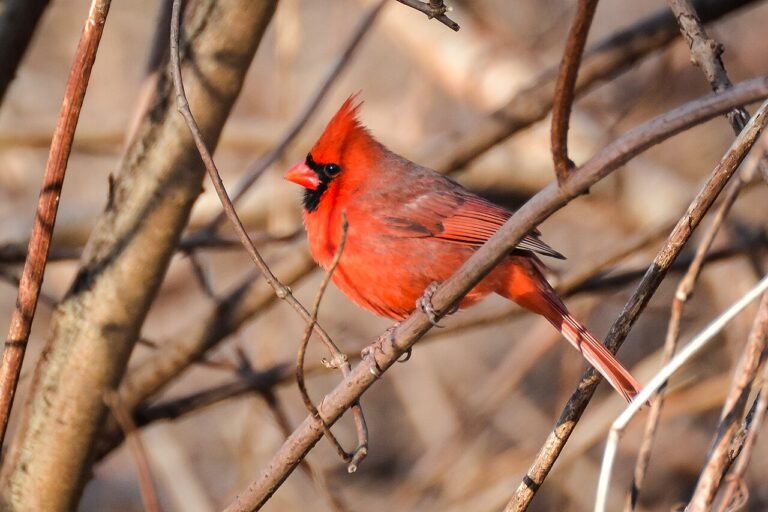
Northern Cardinals. Sunflower or safflower seed in a hopper feeder, plus dense low cover (rhododendron, juniper) within 10 feet. Cardinals visit feeders most heavily near dawn and dusk. See the Northern Cardinal complete guide for detailed behavior.
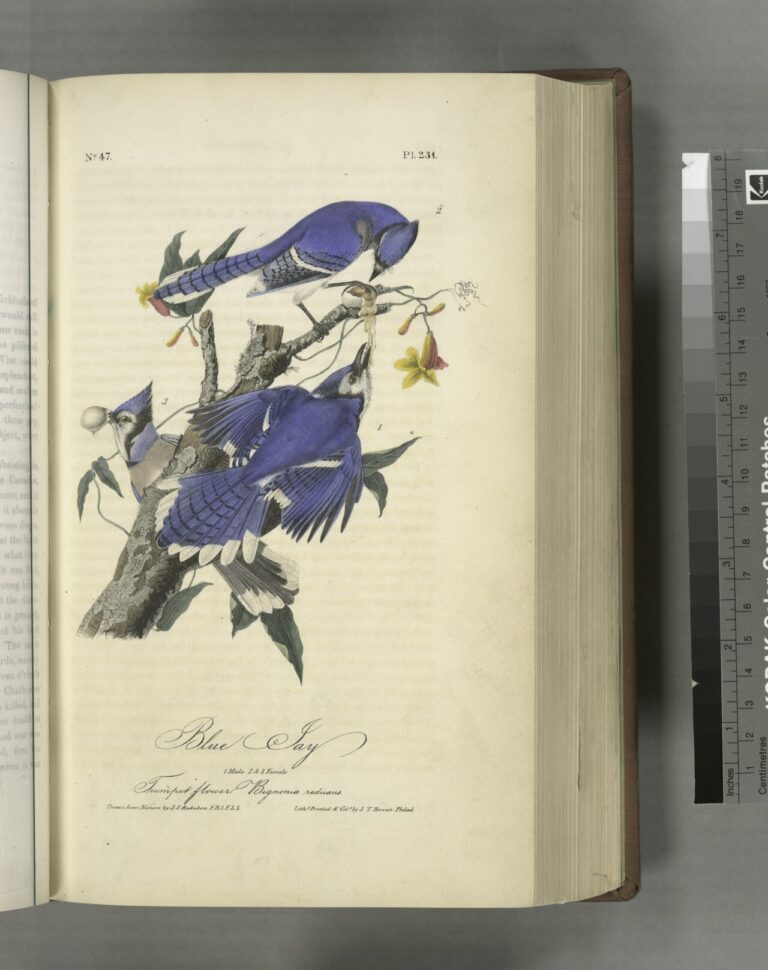
Blue Jays. Whole peanuts (in or out of shell) on a platform feeder. Blue Jays cache peanuts and will visit repeatedly through the day. Once they trust your yard, they’re loud, demanding, and entertaining. Full Blue Jay profile here.
American Goldfinches. Nyjer seed in a finch tube or sock. Goldfinches are flock-feeders; once one finds your nyjer, several will follow. Goldfinch deep-dive here.
Eastern Bluebirds. Live or dried mealworms in a mealworm dish, positioned near open lawn (their hunting habitat). Bluebirds also need cavity nest boxes, they don’t excavate their own, placed 5 to 6 feet up on a post, facing east, with 75+ feet between boxes.
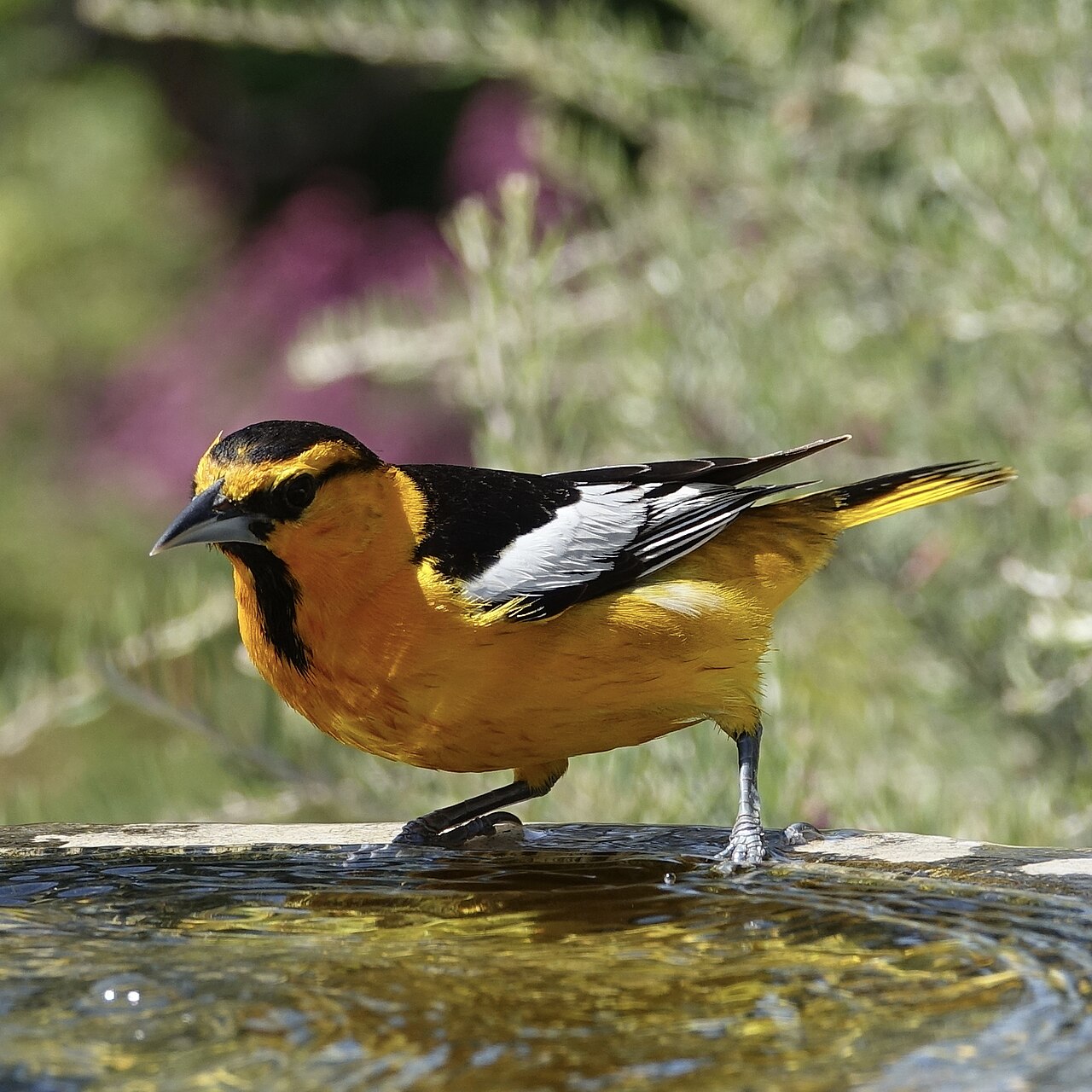
Baltimore Orioles. Orange halves on hooks plus grape jelly in a shallow dish. Set out 1 to 2 weeks before orioles arrive in your region (mid-April to early May for most of the East). Hummingbird feeders with larger ports also attract orioles.
Hummingbirds. 1:4 sugar-to-water nectar in dedicated feeders, plus tubular red and orange flowers. Replace nectar every 2 to 4 days in warm weather. See the complete hummingbird guide for everything else.
Woodpeckers. Suet cakes in wire cages, ideally mounted against tree trunks where woodpeckers naturally brace. Peanut butter in tree-bark crevices also attracts them.
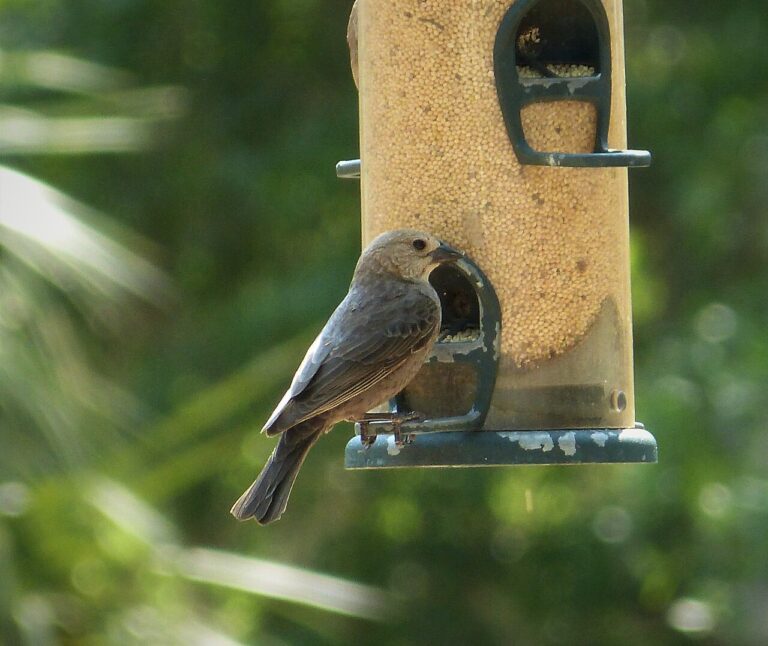
Mourning Doves and Sparrows. Millet and cracked corn on a ground platform or directly on bare earth. These are the species that benefit most from feeding spilled seed under your main feeder rather than cleaning it up.
How Long Before Birds Come?
This is the question every beginner asks, and the honest answer is most yards see meaningful activity within 1 to 4 weeks, full variety within 3 to 6 months, and stable seasonal patterns within a year.
The timeline by lever:
- Feeder + sunflower seed: First visitors in 1 to 14 days. Established traffic in 2 to 4 weeks.
- Water source: Discovered within 1 to 4 weeks, especially if there’s audible movement.
- Plants and shelter: Pay back over months and years. A shrub planted today changes your yard’s bird carrying capacity 2 to 3 years from now.
What slows the timeline:
- Treeless lawn with no cover within 30 feet
- Heavy outdoor cat traffic in the neighborhood
- Established feeders within a few houses’ radius that already host the local birds
- Wrong seed (generic “wild bird mix” filler)
If your feeder is still empty after 4 weeks despite proper setup, see the troubleshooting guide for feeders not attracting birds. If you want shortcuts to faster results, the guide to attracting birds quickly covers what actually works under time pressure.
Seasonal Strategy
Your attraction efforts pay back differently each season. A yard that performs in May is not necessarily the same yard that performs in January. Plan accordingly.
Spring (March, May). Migration season. Many transient species pass through. Add hummingbird feeders, set out orange halves for orioles, refresh suet for returning insectivores. Nesting begins, make sure nest boxes are clean and ready.
Summer (June, August). Nesting and fledgling season. Feeder traffic remains high as parents feed young. Water becomes the single biggest variety driver in hot weather. Native plants are at peak insect production for nestlings.
Fall (September, November). Fall migration mirrors spring. Many goldfinches, sparrows, and finches arrive from northern breeding grounds. Native seed-producing plants reach peak value as flower heads mature. Leave perennial seedheads standing, don’t cut back the garden until late winter.
Winter (December, February). Survival season in cold regions. Suet and high-fat seeds (sunflower, peanuts) become critical. Open water is rare and valuable, a heated bath becomes the single biggest variety attractor. Brush piles and dense evergreens provide overnight roosting shelter.
Citizen-science events like the Great Backyard Bird Count in February and the Christmas Bird Count in winter are good ways to deepen your seasonal observation and contribute to research.
The Mistakes That Quietly Repel Birds
Some yards have everything in place and still don’t attract birds. Usually one or more of these is the cause.
1. Pesticide and herbicide use. Already covered above. Worth repeating: chemicals kill the insects birds feed to their young and the “weeds” that produce edible seeds. A truly bird-friendly yard is largely chemical-free.
2. Outdoor cats. Already covered. The single biggest controllable threat.
3. Dirty feeders and baths. Disease transmission (salmonella, avian conjunctivitis, mycoplasmosis) is real. Sick birds either die in your yard or carry pathogens to other yards. Clean feeders every 2 weeks, water sources every 1 to 3 days. During known disease outbreaks, take feeders down entirely for 2 to 4 weeks.
4. Sterile landscaping. Manicured lawns with non-native ornamental shrubs and no plant diversity have minimal bird-carrying capacity. The single highest-impact change is adding native plants, even just a few of the right ones can transform the yard.
5. Removing seedheads and leaf litter too early. “Garden cleanup” in fall removes the seedheads and overwintering insects that birds depend on. Leave perennial seedheads standing until late winter. Leaf litter in beds harbors insects birds eat.
6. Wrong feeder placement. Too exposed, too close to cat-jumpable surfaces, or in a window-collision danger zone. See the complete feeders guide for placement specifics.
7. Inconsistency. Birds learn feeder reliability. A feeder filled once a week, going empty for days at a time, is a worse food source than no feeder at all because it betrays the trust pattern that brings repeat visitors.
The Bonus Benefits of a Bird-Friendly Yard
Beyond the birds themselves, a habitat-oriented yard delivers practical benefits most homeowners don’t expect.
Mosquito and pest control. Many backyard birds eat thousands of mosquitoes, flies, and garden pests through a summer. See the guide to birds that eat mosquitoes and birds that eat wasps for the species that matter most.
Pollination. Hummingbirds pollinate flowers; many native plants depend on them. A pollinator-friendly garden produces better vegetables and more flowers.
Soil and water health. Native plants have deeper root systems, hold soil better, and require less watering than turf grass. A native-plant yard typically uses 50 to 70% less water than a conventional lawn after establishment.
Reduced lawn maintenance. Converting some lawn area to native plantings cuts mowing time and gas/electric use.
Visible biodiversity. The same yard that produces birds also produces butterflies, dragonflies, native bees, and small mammals. The whole ecosystem becomes more visible.
These aren’t side effects, they’re the result of building ecological function back into a suburban yard.
Frequently Asked Questions
What’s the single most important thing to attract birds?
A feeder with black oil sunflower seed, mounted on a pole with a squirrel baffle, 10 to 15 feet from cover. That single setup attracts more variety than any other beginner move. Add a water source and you’ll roughly double your species count within weeks.
How long does it take to attract birds to a new yard?
Most yards see first visitors within 1 to 14 days of putting up a feeder and full variety within 3 to 6 months. Treeless yards or yards with established competing feeders nearby may take longer. Yards with all four habitat fundamentals (food, water, shelter, safety) consistently outperform yards with just feeders.
Can I attract birds without buying feeders?
Yes. Native plants alone can attract substantial bird activity, berries, seeds, and the insects on native plants provide food. Water sources work without feeders. A yard with native shrubs, a brush pile, and a bird bath will attract birds without any commercial bird products.
Can I attract birds in an apartment with just a balcony?
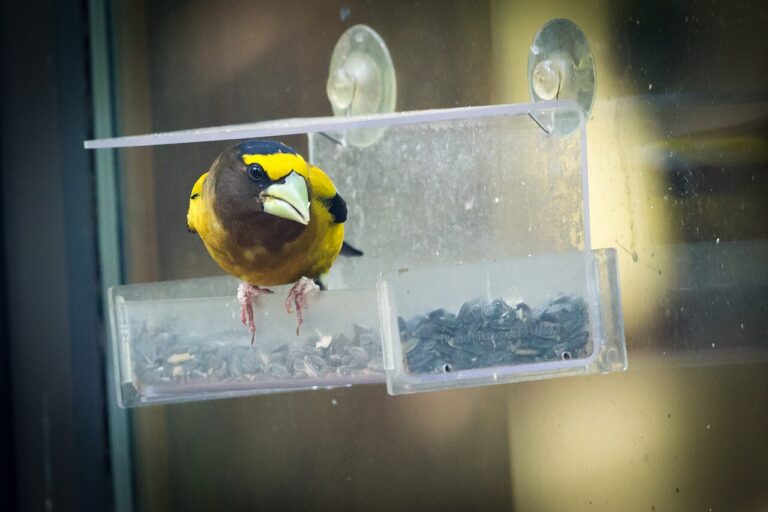
Yes. A window feeder with sunflower hearts, a small water dish, and any potted native flowering plant can attract chickadees, finches, and (during migration) warblers and sparrows. Some apartment balconies see surprising species variety.
What plants attract the most bird species?
Native oaks, which support 500+ caterpillar species (food for nesting birds). Among shrubs, native viburnums, serviceberries, and dogwoods are exceptional because they provide berries plus host plants for moth caterpillars. Coneflowers and native sunflowers attract goldfinches reliably.
Why do I only see House Sparrows at my feeder?
House Sparrows are non-native, aggressive, and dominate yards without diverse food sources or adequate cover. Three changes typically shift this: switching to safflower seed (House Sparrows dislike it, native birds eat it), adding cover within 10 to 15 feet of the feeder, and adding water. Mixed seed especially favors House Sparrows over natives.
Do I need to feed birds in summer?
Not strictly, but it’s helpful and not harmful in most regions. Birds use feeders heavily during nesting season for the easy calories, often bringing fledglings to teach them feeder locations. Keep feeders cleaner in summer (weekly minimum) because heat accelerates seed spoilage and disease transmission.
How can I tell if my yard is actually working?
Two metrics matter: number of species over a year (aim for 15+ in suburban yards, 25+ in well-developed habitats), and breeding evidence (active nests, fledglings, adults carrying food). The eBird app (free, from the Cornell Lab) lets you log sightings and see what’s normal for your region.
Should I worry about attracting “the wrong” birds?
A few non-native species (House Sparrows, European Starlings, House Finches in some Western regions) can dominate yards and outcompete natives. The interventions are mostly feeder-and-seed choices (safflower, sunflower hearts, smaller-port feeders) plus reducing exposed grain on the ground. Most native species coexist fine with each other.
What about hawks taking birds from my feeder?
This is normal. Cooper’s Hawks and Sharp-Shinned Hawks are part of healthy backyard ecosystems. If pressure becomes extreme (one hawk patrols daily for weeks), move the feeder to a different location for 1 to 2 weeks. The hawk usually shifts territory.