Types of Warblers: A Complete Guide
North America is home to dozens of types of warblers, colorful little songbirds including the yellow warbler, yellow-rumped warbler, common yellowthroat, American redstart, and black-and-white warbler. These tiny, active birds are a favorite of birders, especially during the spectacle of spring migration. This guide covers how many types of warblers there are, common species you can see, how to tell them apart, where they live, and how to find warblers.
| Warbler | Key Features |
|---|---|
| Yellow Warbler | All yellow, reddish streaks |
| Yellow-rumped Warbler | Yellow rump patch, common |
| Common Yellowthroat | Yellow throat, black mask |
| American Redstart | Black with orange patches |
| Black-and-white Warbler | Striped, creeps on bark |
| Prothonotary Warbler | Golden yellow, swampy woods |
| Magnolia Warbler | Yellow with black streaks |
| Northern Parula | Small, blue-gray and yellow |
How Many Types of Warblers Are There?
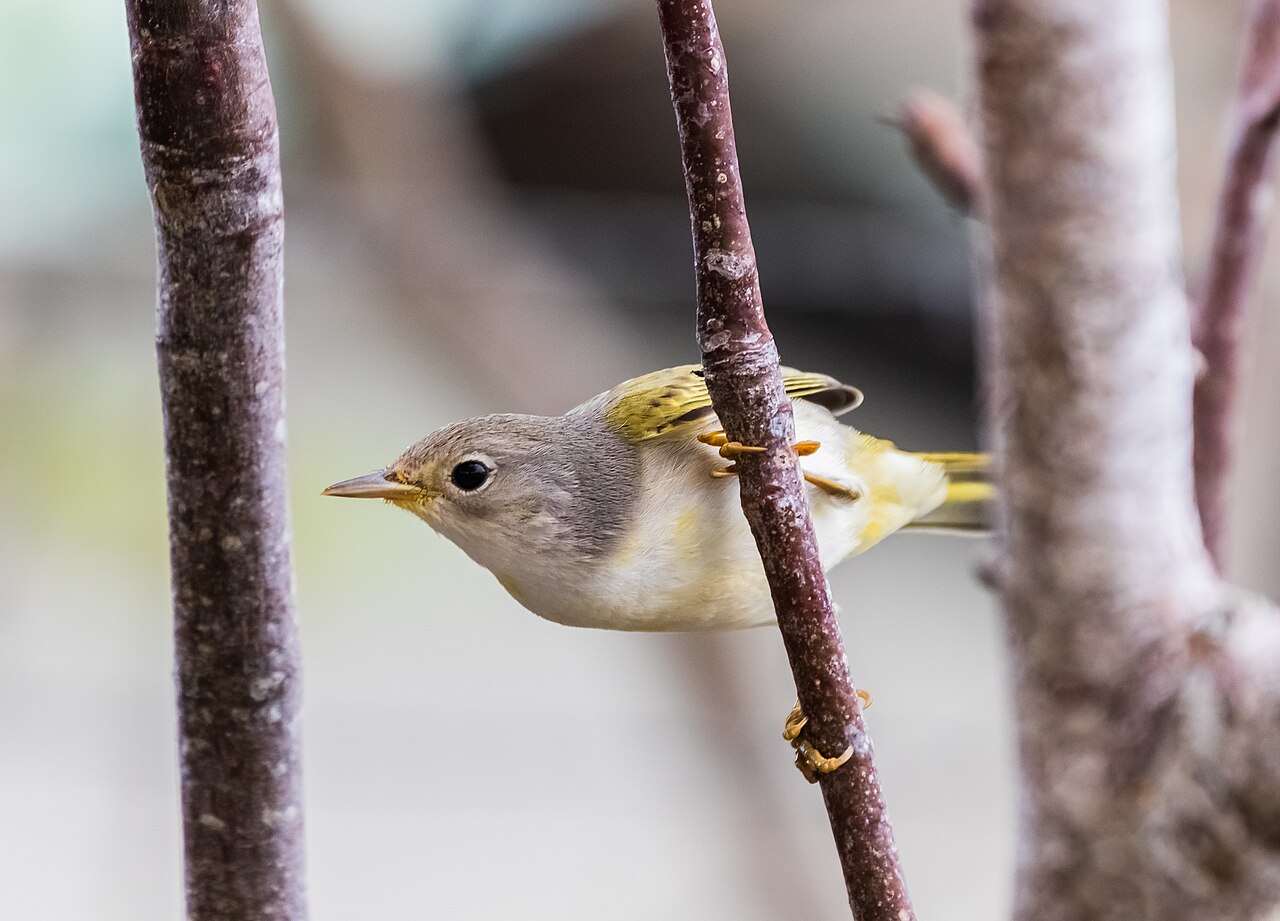
There are dozens of species of warblers in North America, part of a large family of small, active, insect-eating songbirds known as the New World warblers, with more than fifty species occurring across the continent. Familiar examples include the yellow warbler, the abundant yellow-rumped warbler, the common yellowthroat, the American redstart, the bark-creeping black-and-white warbler, and many others such as the magnolia warbler, the northern parula, the prothonotary warbler, and the ovenbird. Warblers are generally tiny, slender birds with thin, pointed bills suited to catching insects, and many are beautifully colored, especially the males in breeding plumage, with combinations of yellow, black, blue, orange, and other hues. They are highly active, constantly flitting through foliage in search of insects. Most warblers are migratory, and their arrival in spring is one of the most anticipated events for birdwatchers. This dazzling variety makes warblers a beloved and rewarding group, complementing the colorful birds in our guide to types of yellow birds.
Common Types of Warblers
Several types of warblers are especially common and worth knowing. The yellow warbler is a small, entirely yellow bird, the male with fine reddish breast streaks, found in shrubby areas and along streams. The yellow-rumped warbler is one of the most abundant and hardy warblers, recognized by its yellow rump patch, and it can linger later into the year than most. The common yellowthroat has a bright yellow throat and, in the male, a bold black mask, and it skulks in marshes and thickets. The American redstart is a striking black bird with bright orange patches in the wings and tail, which it flashes to startle insects. The black-and-white warbler is boldly striped and creeps along tree trunks like a nuthatch. The golden prothonotary warbler favors swampy woods, and the northern parula is a tiny blue-gray and yellow warbler. Each has its own beauty and habits, making warblers endlessly rewarding.
How to Tell Warblers Apart
Telling warblers apart can be challenging given their number, but focusing on color, markings, and behavior helps a great deal. Start with the overall color and the location of any bright patches, such as the yellow warbler’s all-yellow body, the yellow-rumped warbler’s yellow rump, the common yellowthroat’s yellow throat and black mask, or the American redstart’s orange wing and tail patches. Note distinctive behaviors, since the black-and-white warbler creeps on bark, the redstart fans its tail, and the ovenbird walks on the ground. Pay attention to wingbars, eye rings, streaking, and face patterns, which are key to warbler identification. Habitat and season are useful, since some warblers favor treetops, others undergrowth or marshes, and timing during migration can narrow the possibilities. Fall warblers are often duller and trickier than spring males. By combining color, markings, behavior, and habitat, you can identify many warblers, a deeply rewarding skill, as explored in our guide to the other colorful songbirds and beyond.
Where Warblers Live
Warblers live in a wide variety of habitats across North America, with different species favoring different settings. Many warblers breed in forests, both coniferous and deciduous, from the boreal forests of the north to eastern and western woodlands, where they forage for insects among the leaves and branches. Others prefer shrubby areas, woodland edges, streamsides, marshes, and thickets, such as the yellow warbler and the common yellowthroat. Warblers are overwhelmingly migratory, with most spending the breeding season in North America and the winter in the tropics of Mexico, Central America, South America, and the Caribbean, making them long-distance travelers. During spring and fall migration, warblers pass through a broad range of habitats, including parks and backyards, giving birders across the continent a chance to see many species. Because warblers depend on healthy forests and insect populations, protecting these habitats matters, and their migrations are a marvel to witness, as detailed in our guide to plants that attract birds.
How to Find Warblers
Finding warblers is one of the great joys of birding, and a few tips make it easier. Timing is key, since spring migration, roughly from mid-spring, brings a wave of colorful warblers in their brightest plumage, making it the best time to look, with fall offering a second, duller wave. Go out early in the morning, when warblers are most active and feeding, and focus on areas rich in insects, such as woodlands, forest edges, streamsides, and parks with mature trees. Warblers often forage in the outer foliage and treetops, so be prepared to look up, and learning their songs and call notes greatly helps in locating and identifying them, since many are heard before they are seen. Water features can also attract warblers, especially during migration. Patience and a good pair of binoculars go a long way. With the right timing, habitat, and attention to sound, you can enjoy the wonderful diversity of warblers, adding excitement to your birding, as explored in our guide to bird symbolism.
What Makes Warblers Special
Warblers hold a special place in the hearts of birders, and understanding why reveals what makes them remarkable. According to the Cornell Lab of Ornithology, the New World warblers are a large and diverse family of small, active, insect-eating songbirds, many of them brightly colored, and most are long-distance migrants. This combination of dazzling diversity, beautiful colors, and dramatic migration is what makes warblers so beloved. With dozens of species, each with its own pattern of yellow, black, blue, orange, and other hues, warblers offer an almost endless variety to learn and enjoy. Their tiny size and constant, energetic movement as they glean insects from foliage make them a challenge and a delight to watch. And their spectacular spring migration, when waves of colorful warblers pass through, is one of the great events of the birding year. This blend of variety, beauty, and migration makes warblers endlessly rewarding, complementing the colorful birds in our guide to attracting birds.
Warblers and Migration
The migration of warblers is one of the most impressive phenomena in the bird world, and it is central to the warbler experience. Most North American warblers are long-distance migrants, breeding across the continent and then traveling to the tropics of Mexico, Central America, South America, and the Caribbean for the winter, journeys that can cover thousands of miles for such tiny birds. In spring, they return north in a great wave, often in their brightest breeding plumage, providing the famous spring warbler migration that birders eagerly await. Many warblers migrate at night, navigating over long distances, and they can concentrate in large numbers at favorable stopover sites where they rest and refuel. This makes certain locations and times exceptional for warbler watching. Understanding warbler migration adds depth and excitement to seeing these birds, highlighting the remarkable journeys behind each colorful visitor, as detailed in our guide to supporting backyard birds.
Frequently Asked Questions
How many types of warblers are there?
There are dozens of warbler species in North America, more than fifty, including the yellow warbler, yellow-rumped warbler, common yellowthroat, and American redstart.
What is the most common warbler?
The yellow-rumped warbler is one of the most abundant and widespread warblers, recognized by its yellow rump patch, and it is hardy enough to linger later than most.
What does a yellow warbler look like?
A yellow warbler is a small, entirely yellow bird, with the male showing fine reddish streaks on the breast. It favors shrubby areas, willows, and streamsides.
How do you tell warblers apart?
Focus on color and the location of bright patches, plus wingbars, eye rings, streaking, face patterns, and behavior, such as the black-and-white warbler creeping on bark.
When is the best time to see warblers?
Spring migration is the best time, when many colorful warblers pass through in bright breeding plumage. Early morning in insect-rich woodlands is ideal.
Where do warblers go in winter?
Most warblers migrate to the tropics of Mexico, Central America, South America, and the Caribbean for winter, returning to North America to breed in the warmer months.
Where do warblers live?
Warblers live in forests, shrubby areas, woodland edges, marshes, and streamsides across North America in the warmer months, then migrate south for winter.