Yellow Bird Spiritual Meaning: Signs of Love and Joy
Yellow bird spiritual meaning centers on joy, hope and a fresh start, and for many people a yellow bird also carries a message of love.
A yellow bird is a spiritual sign of joy, hope and a fresh start. Its bright color mirrors sunlight, so a visit signals good news and a lighter heart. Many people also take it as a message of love, or as a sign that a loved one who passed is close.
What Does a Yellow Bird Symbolize?
A yellow bird symbolizes joy, optimism and hope. Yellow is the color of sunlight, and bright plumage carries that warmth into an ordinary moment. The sighting feels like good news before you know what the news is.
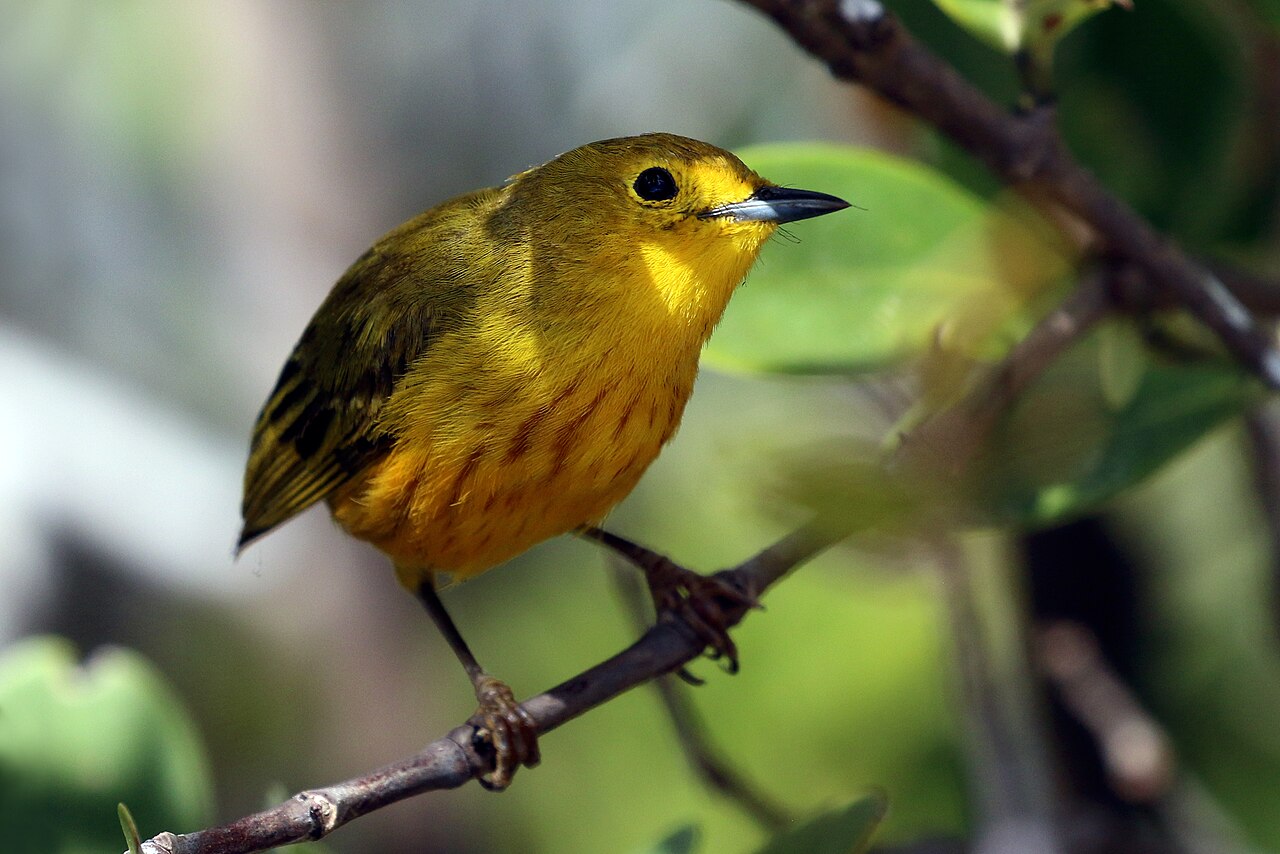
Clarity belongs to the same picture. Sunlight shows things as they are, so a yellow bird also stands for a clear head and an honest look at a situation. A small yellow bird narrows the message to small everyday joys.
In Western color symbolism, yellow also stands for caution, as on road signs, and for nervous energy. The bird balances that. Birds stand for freedom and movement, and yellow adds cheer, so the combined message is a light heart that is free to move forward. Yellow butterflies carry a close cousin of this meaning, with more weight on change.
Spiritual Meaning of Seeing a Yellow Bird
Seeing a yellow bird is a spiritual nudge to notice good news or an answer you have been waiting for.
The bird also brings guidance and protection. During an uncertain phase, a yellow bird is reassurance that you are not walking alone and that the path holds. Spring adds a third theme. Yellow birds such as goldfinches and warblers molt into bright plumage or return north from March to May, so a spring sighting carries the fresh-start reading most strongly.
Healing and life energy round out the meaning. A yellow bird invites you to rest, recover and let warmth back in after a hard stretch. Then check yourself. What were you thinking about when it appeared? That thought is the subject of the message.
Yellow Birds as Signs of Love and Loved Ones in Spirit
A yellow bird is a sign of love, from new affection to the presence of someone you lost. In the romantic reading, the bird points to a warm-hearted connection, a new attraction or a relationship that is warming up again. Its brightness matches the feeling of early love.
A pair of yellow birds speaks of partnership and loyalty. American goldfinches pair up and nest as late as July, when thistle down is ready to line the nest, so a pair at the feeder in summer is a couple raising young together. If you are in a relationship, the pair is a reminder to tend it. If you are single, it points to companionship coming closer.
Grief gives the yellow bird its deepest meaning. Many people feel a visit as a loved one’s presence, especially when the bird appears on an anniversary, a birthday or right after they thought of the person. The visit does not have to explain anything to matter, and letting it soften a hard day is enough.
When a Yellow Bird Visits You: Omens and Where You See It
A yellow bird visit is a good omen, and where it appears sharpens the message. Negative readings are rare, and when they come up they ask for caution, not fear.
At Your Window At the window, the bird asks you to look outward. Something is heading your way, and news is coming. Stay open to a call, a message or an invitation you did not expect.
In Your Yard or at the Feeder Regular visits to the yard or feeder signal steady blessings at home. They mirror a household that is settled and well fed in every sense.
Crossing Your Path Crossing your path, the bird is a green light for a pending decision. Go ahead.
Inside the House In British and Irish folk belief, a bird that flies into the house announces important news. Open a window, guide the bird out calmly and treat the moment as a reason to pause.
| Sighting | Common reading | Question to ask yourself |
|---|---|---|
| One bird | Personal good news, a lift in mood | What small joy am I overlooking? |
| A pair | Love, partnership, loyalty | Which bond needs my attention? |
| A flock | Community, shared celebration | Who do I want to share good news with? |
| Morning | Fresh start, clear energy | What do I want to begin today? |
| Evening | Rest, gratitude, closure | What went right today? |
| Repeated sightings | A message that keeps knocking | What have I been putting off? |
| Right after a loss | Comfort, a loved one close | What would they want me to remember? |
Yellow Bird Meaning in the Bible and Christianity
The Bible names no yellow bird species, so the Christian meaning draws on biblical birds and biblical light. Scripture uses birds as signs of God’s care and light as a sign of His presence.
Matthew 6:26 carries the central motif. Jesus tells His listeners to look at the birds of the air, which neither sow nor reap, and yet the heavenly Father feeds them. A bird at your window recalls that promise directly. Psalm 68:13 in the King James Version comes closest to a yellow bird. It pictures a dove whose wings are covered with silver, and her feathers with yellow gold, an image of Israel restored after defeat.
Does God send birds as signs? Yes, in Scripture birds carry God’s signs and care. The dove brings Noah an olive leaf (Genesis 8), ravens feed Elijah (1 Kings 17), and the Spirit descends like a dove at Jesus’ baptism (Matthew 3). A believer who sees a yellow bird after prayer takes it as reassurance, an answered prayer or a call to trust.
Yellow Birds in Cultures and Myth
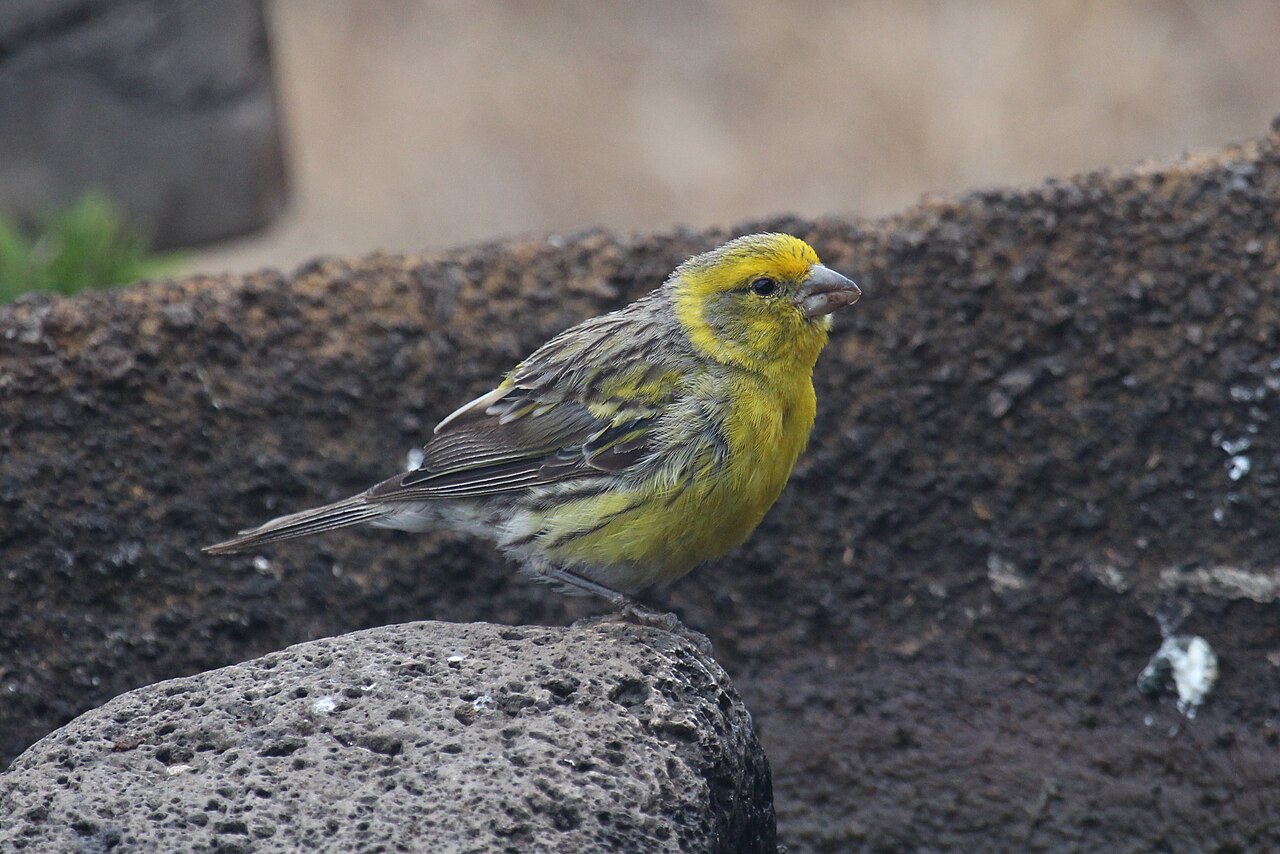
The yellow bird’s best documented cultural role is the canary in British coal mines. Miners carried canaries underground because the birds react to dangerous gases before people do. A bird in distress meant get out now. That history gives the canary a lasting meaning as an early warning and a guardian.
Haiti gave the yellow bird its best known love song. “Choucoune”, built on a poem by Oswald Durand, became famous in English as “Yellow Bird”. The English lyrics, added in 1957, speak to a lonely yellow bird whose mate has left, and the song still carries a bittersweet note.
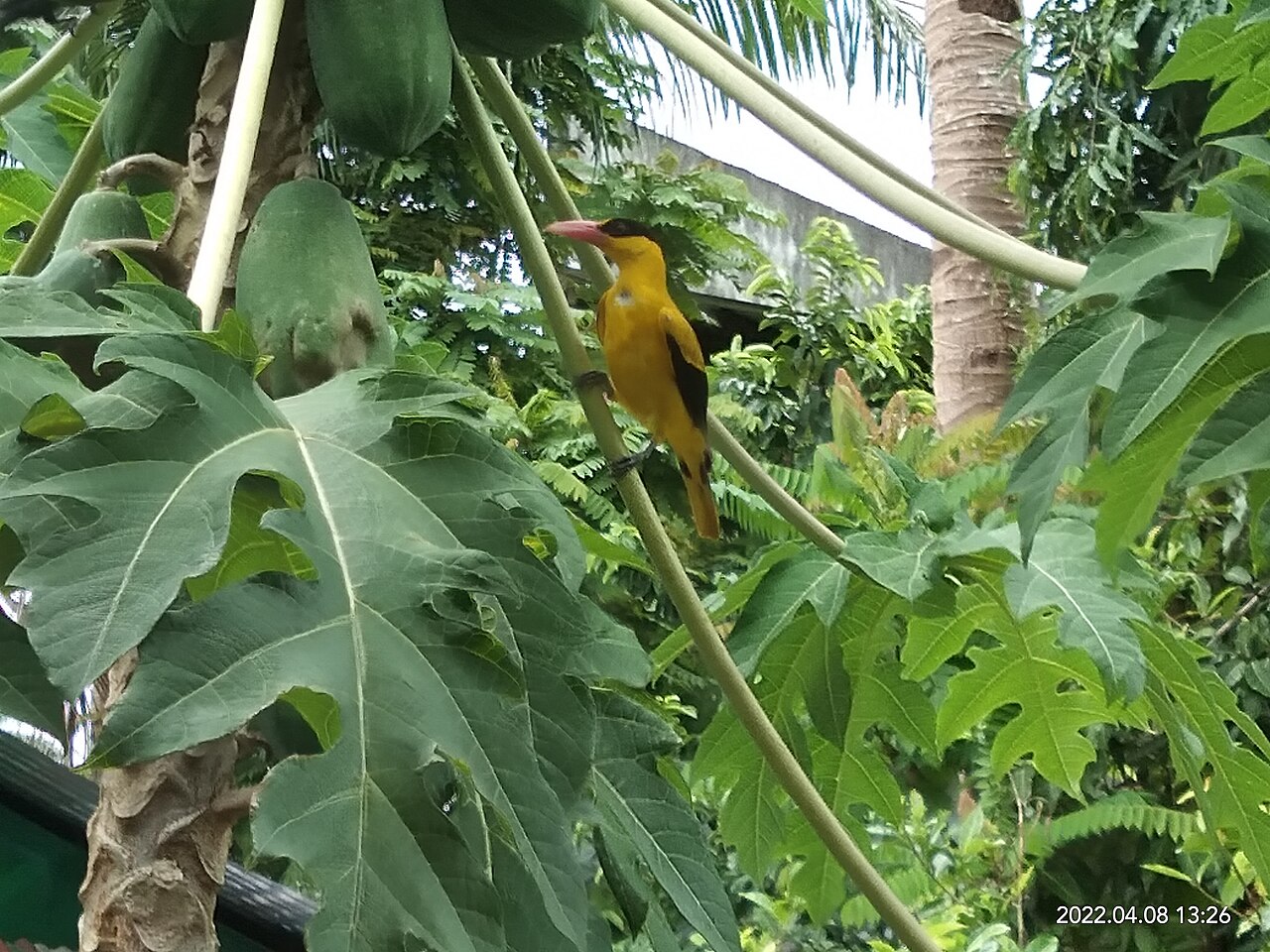
In China the black-naped oriole, a bright yellow bird, is a classic sign of spring joy. Du Fu’s quatrain opens with two yellow orioles singing in the green willows, a line Chinese schoolchildren still learn by heart.
Yellow Bird Dream Meaning
A yellow bird in a dream signals hope, freedom and good news on the way. A flying yellow bird shows a rising mood and ideas taking off. You are ready to move, and the dream confirms it.
A singing yellow bird points to good news or an overdue conversation. If someone has been on your mind, the dream nudges you to speak. A caged yellow bird shows talent or joy held back, by circumstance or by your own hesitation.
An injured yellow bird reflects fading hope that needs care. In a biblical dream reading, the yellow bird carries hope and divine reassurance, an echo of the birds the heavenly Father feeds.
Yellow Bird Spirit Animal, Totem and Power Animal
The yellow bird spirit animal belongs to cheerful, social people who lift the mood of a room.
As a totem, the yellow bird teaches a lifelong lesson to stay optimistic through hardship. As a power animal, it is the one to call on when you need confidence, creativity or the nerve to speak up. Picture its song before a difficult conversation or a creative deadline. The yellow warbler sings loud and clear from open perches, a fitting image of that bold voice.
Which Yellow Bird Did You See? Meaning by Species
The species shapes the message. The American goldfinch (Spinus tristis) stands for joy and transformation. The male turns bright yellow in spring and fades to a duller olive in winter, so the bird carries renewal in its own feathers.
The yellow warbler (Setophaga petechia) is a messenger of small joys, with a sweet, cheerful song. The canary (Serinus canaria) stands for voice, self-expression and early warning, thanks to its song and its coal mine past. Birds with yellow breasts such as the western meadowlark add still more candidates for a backyard sighting.
The Baltimore oriole (Icterus galbula) is orange-yellow rather than lemon yellow, and it stands for warmth, creativity and sweetness. Its taste for fruit and nectar fits that meaning. The many types of yellow birds go well beyond these four, with tanagers, finches and warblers that each have their own look.

Related reading: yellow finch symbolism.
Frequently Asked Questions
What is the luckiest bird to see?
The answer depends on the tradition, and no single bird holds the title. In Chinese tradition the magpie is the bird of joy, sailors took the swallow as a sign of a safe return home, and in the U.S. the cardinal is the bird most often read as a visit from heaven. A yellow bird sits among them as the classic bird of good news.
Are yellow orioles rare?
No. Most yellow-looking orioles are females or young Baltimore and orchard orioles, common across the East in summer. Truly yellow species such as Scott’s oriole in the Southwest and Audubon’s oriole in South Texas are local, so outside those ranges a yellow oriole is a rare sight.
What attracts orioles to your yard?
Orange halves, grape jelly and nectar feeders draw orioles best when set out in spring, as the birds arrive. Put the food in the open where the birds can see the color. Keep jelly portions small and fresh, and clean feeders regularly so sugar does not spoil in the heat.
What bird looks like an oriole but is yellow?
Tanagers and goldfinches are the common lookalikes. A male western tanager has a yellow body with a red-orange head, and a male American goldfinch is bright yellow with black wings and cap. Bill shape helps, since orioles have a long, pointed bill and finches a short, conical one.
What’s the difference between an oriole and a goldfinch?
About 2 in of length and the diet. A Baltimore oriole measures about 7 in and eats fruit, nectar and insects, while an American goldfinch measures about 5 in and eats seeds such as thistle and nyjer. Orioles weave a hanging pouch nest, goldfinches a tight cup in a shrub.
Should you touch a wild yellow bird that seems hurt?
No. H5N1 avian influenza is present in wild birds worldwide (USDA APHIS), and wild birds carry other germs too. Call your state wildlife agency or a licensed wildlife rehabilitator and follow local bird flu guidance. Avoid touching the bird. If you must move it, wear gloves and keep your face away.
Sources
- CDC, Healthy Pets, Healthy People: Birds
- USDA APHIS, Highly Pathogenic Avian Influenza H5N1
- Cornell Lab of Ornithology, All About Birds: Yellow Warbler Overview