Wolf Spider Spiritual Meaning: Good Omen or Warning?
The wolf spider spiritual meaning comes straight from how this ground hunter lives. This is a ground hunter that does not sit in a web and wait for luck to arrive. It goes out and gets what it needs, and that habit is the core of its message. Most people ask about it right after meeting one on the floor, on a garden path or in a dream.
A wolf spider stands for self-reliance, patient timing and protection of home and family. It is mostly a good omen, luck earned through your own effort. It turns into a warning when independence slides into isolation or constant alertness. The real spider hunts on the ground without a web and is not dangerous to people.
What Does a Wolf Spider Mean Spiritually?
A wolf spider means self-reliance. It typically chases what it needs instead of waiting in a web, so its appearance points to action you take yourself. Nobody delivers the meal. The spider walks out and finds it.
It stands for patience and timing as well. A wolf spider waits motionless, then commits fully when the moment is right. The lesson is not to rush and not to freeze. Watch first, then move once. Its large forward eyes stand for sharp instinct. Trust what you notice before others do.
It also guards what you build, whether that is a home, a body of work or a family. The wolf lends this spider its name and a share of its hunter energy.
The Real Wolf Spider Behind the Symbol
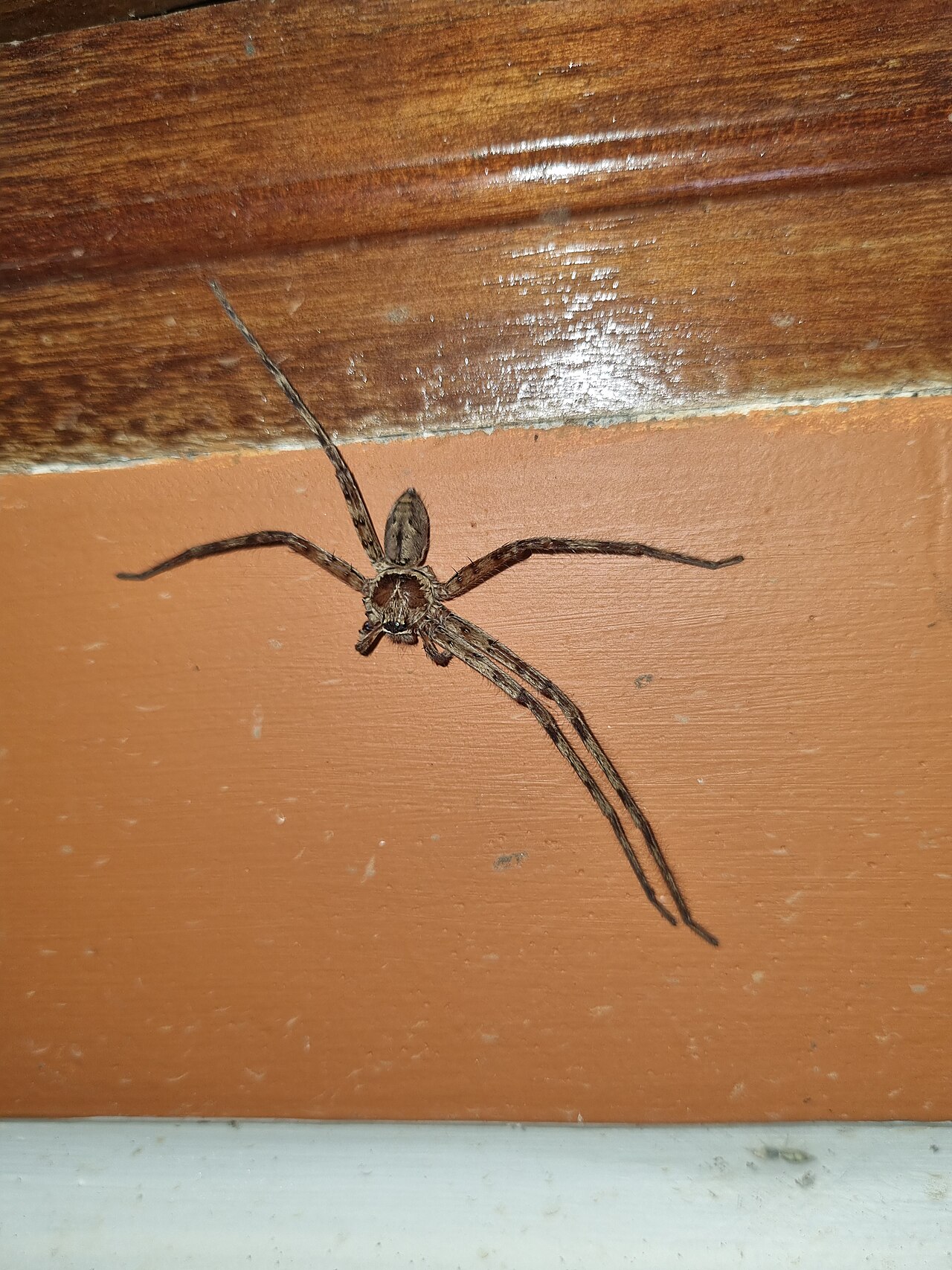
Wolf spiders (family Lycosidae) are ground hunters that run prey down instead of trapping it in a web. They rely on speed, strong legs and good eyesight. Many hunt at night and hide by day in burrows, leaf litter or under stones and boards.
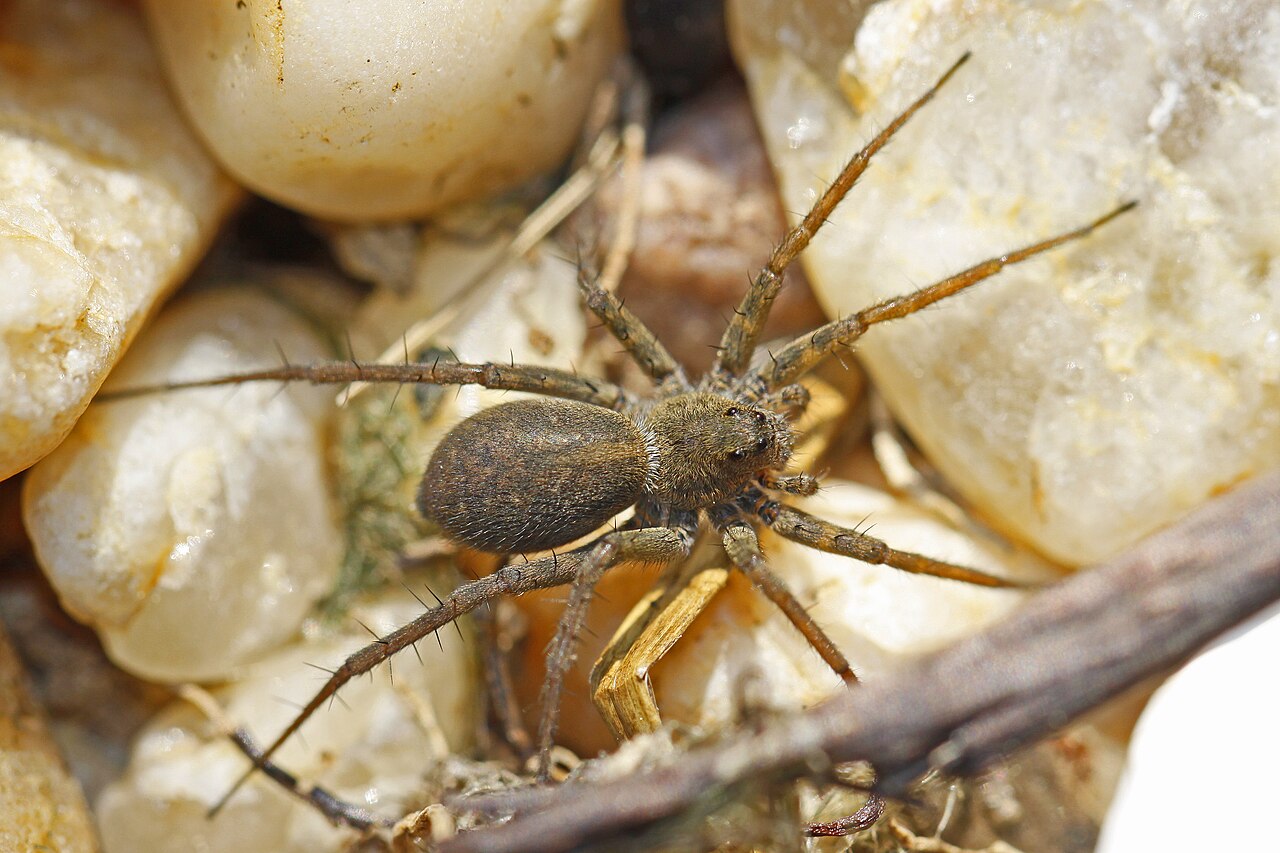
Their size and speed are the reason people fear them indoors. A large brown spider sprinting across a kitchen floor triggers alarm before anyone checks what it is. The Carolina wolf spider (Hogna carolinensis) is among the largest wolf spiders in North America. A quick dash along a baseboard is enough to make it look like a threat.
The real risk is far smaller than the fear. In North America, only widow spiders (genus Latrodectus) and recluse spiders (genus Loxosceles) are dangerous to humans, as the Rutgers Cooperative Extension fact sheet on spiders and spider bites states. A wolf spider is not on that list. That gap between fear and real risk sits at the heart of its meaning.
Wolf Spider Spirit Animal, Totem and Power Animal
As a spirit animal, the wolf spider shows up in phases that demand independent action. It arrives when help is slow, plans stall or a group cannot agree. Its message is simple. Do the next part yourself.
As a totem, it belongs to people who work best alone. They are quietly persistent and hard to rattle. They do not need an audience to finish a job, and they notice details others miss. Their strength looks calm from the outside, but it turns fast once they commit.
As a power animal, call on it before decisions that need courage and precise timing. Picture the spider still on bare ground, then the single clean strike. People who meet this animal often feel stuck, waiting for opportunities to come to them. The wolf spider tells them to stop waiting and start hunting.
Wolf Spider Symbolism in Cultures and Traditions
The family name Lycosidae comes from the Greek word lykos, wolf, fitting a spider that runs its prey down.
In Apulia in southern Italy, the bite of Lycosa tarantula, a large wolf spider named after the city of Taranto, was blamed for tarantism, a state of restlessness and melancholy. The cure was hours of frenzied dancing to music, and the tarantella takes its name from that tradition. The ethnologist Ernesto de Martino still documented the rite in Salento in 1959.
In a Cherokee story recorded by James Mooney in 1900, Water Spider, a hunting spider that runs over water, brings the first fire to the animals. She spins a small bowl, fastens it on her back and carries a live coal home, much like a mother wolf spider carrying her young. Akan stories from Ghana make Anansi the spider the owner of all stories, and Hopi tradition honors Spider Grandmother as a guide of the people.
Is a Wolf Spider a Good Omen?
Yes, a wolf spider is a good omen. It brings luck, but luck that arrives through your own effort, not a windfall from nowhere. The spider eats because it hunts. The sign promises the same reward for the same kind of work.
It also signals that an opportunity is close. The message is to move now, not next month. A spider that waited too long would go hungry, and so would a plan left in a drawer.
It is also a sign of protection. A wolf spider in or near a home during an uncertain stretch stands for a guard on duty. It also marks a fresh start after a long period of waiting or hesitation.
When a Wolf Spider Is a Warning: The Shadow Side
A wolf spider turns into a warning when its strengths run too far. Self-reliance that lasts too long becomes isolation. If you have refused help for months, the spider points at that habit.
Hypervigilance is the second shadow. The spider is always scanning, and a person who copies that never rests. Every noise becomes a threat and every colleague a rival. The third shadow is pouncing too fast. It skips the patient wait that makes the strike work.
None of this makes the wolf spider a death omen or a curse. The shadow side is a prompt to adjust course. Ask for help, get some sleep and give the next big decision one more day.
The Mother Wolf Spider: Protection and Family
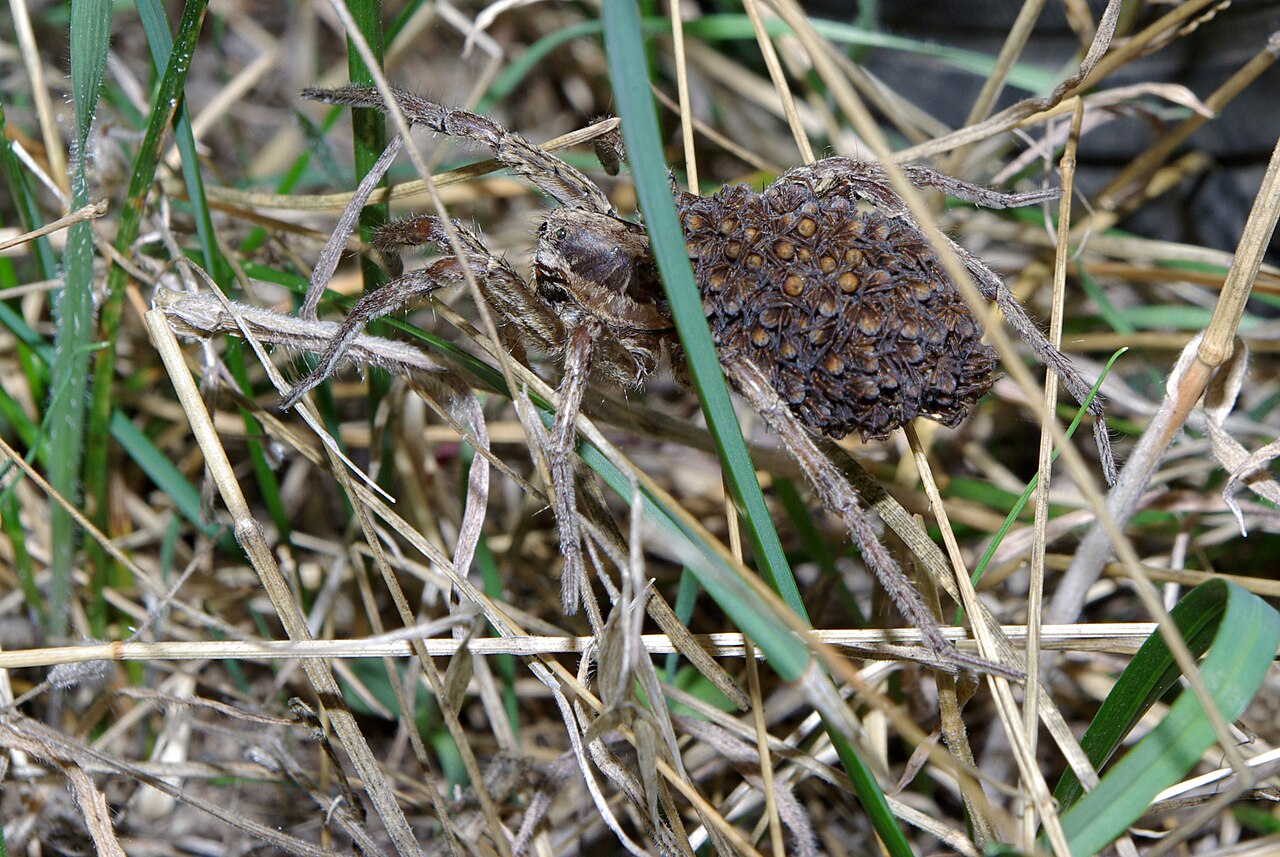
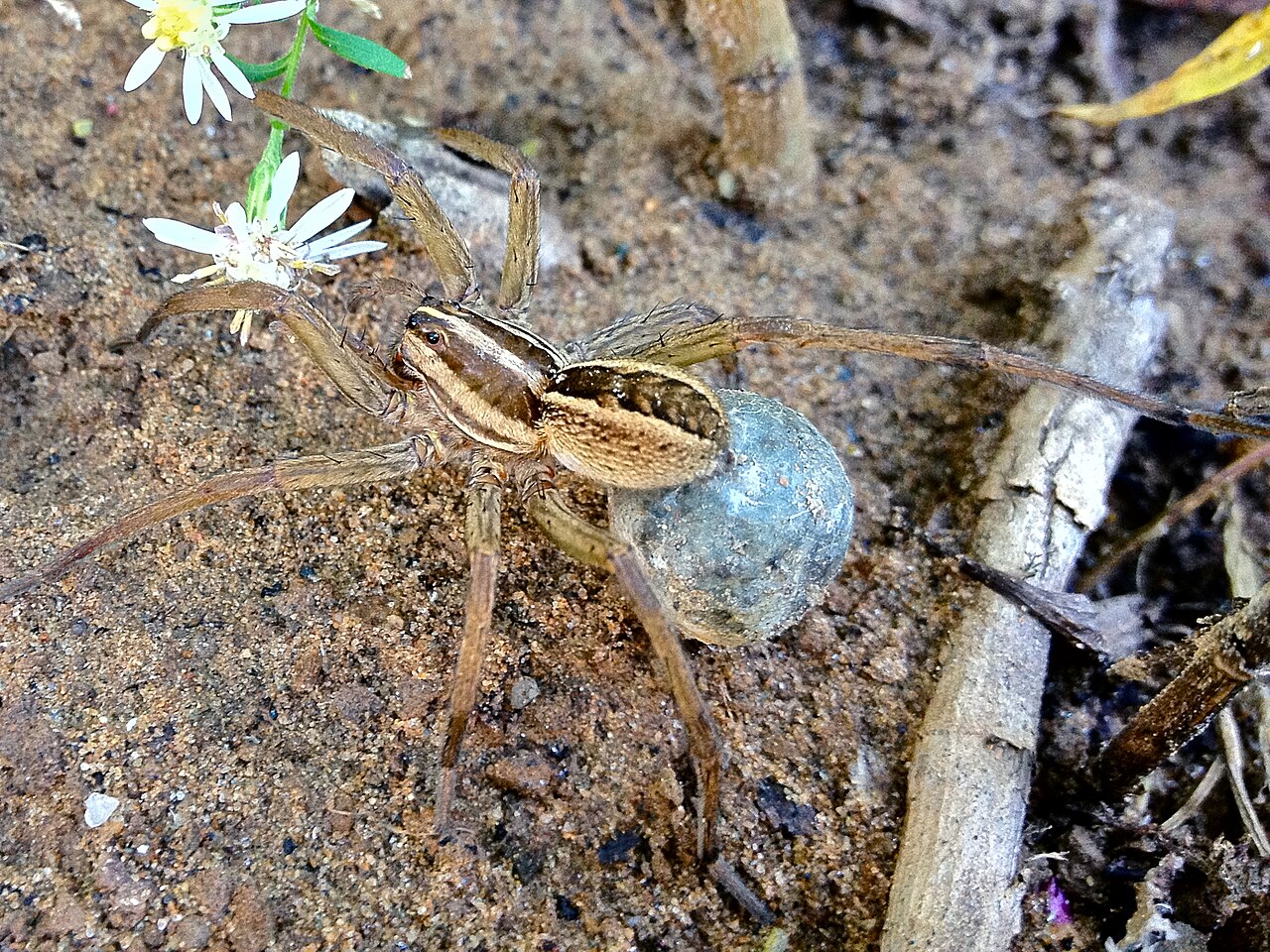
The mother wolf spider stands for protection that keeps moving. The female carries her egg sac attached to the tip of her abdomen, and after hatching, her young ride on her back. She hunts and travels with the whole family on board.
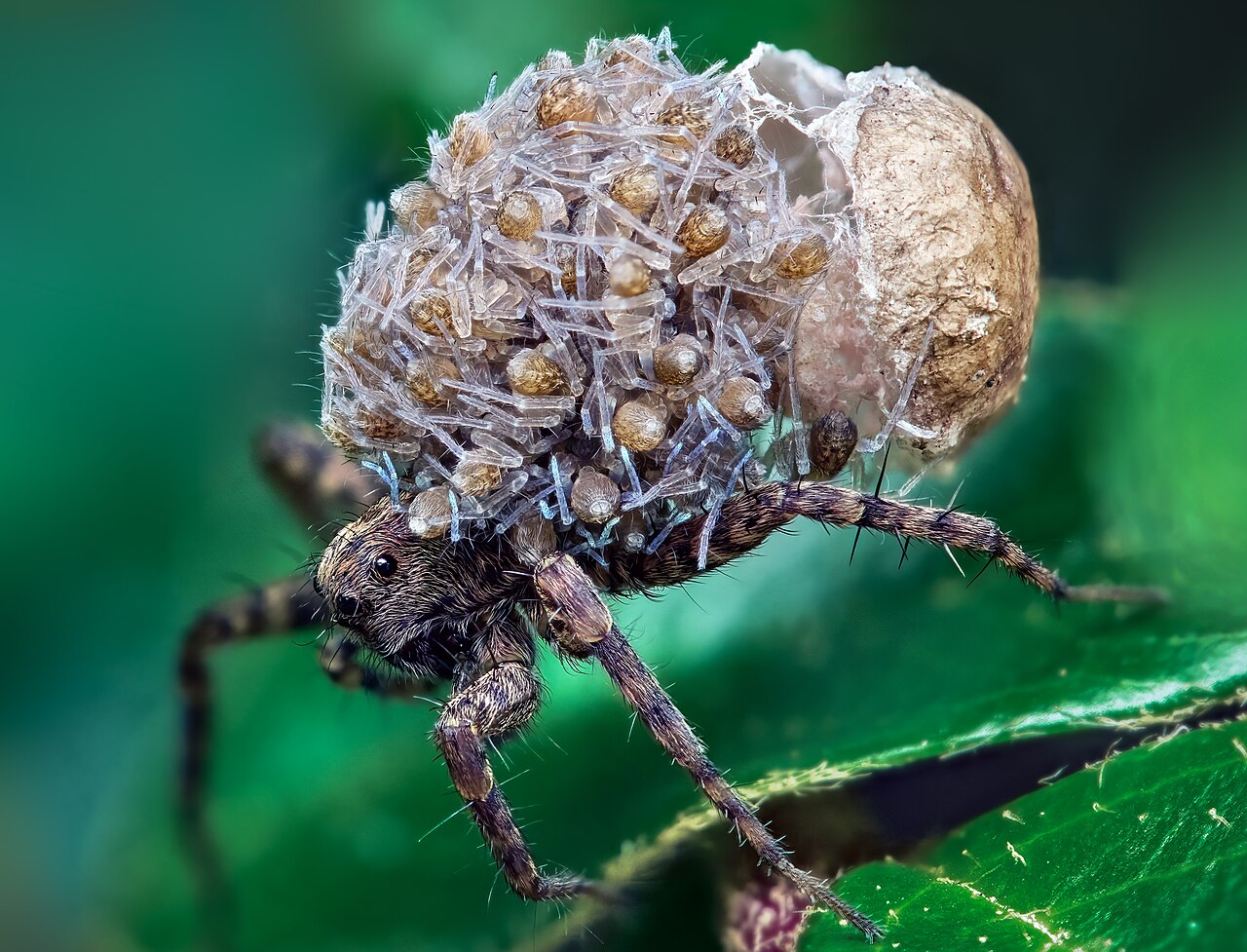
Baby wolf spiders stay on their mother until they are ready to leave and live on their own. That image speaks to parents, caregivers and anyone carrying a demanding project. The load is heavy, but she does not stop moving.
Seeing a wolf spider with young brings family and responsibility themes forward. It honors the work of carrying others. It also asks whether you are carrying more than your share. Look at who could take some of the weight.
Wolf Spider vs. Spider Symbolism: The Hunter Without a Web
The wolf spider differs from general spider symbolism because it hunts without a web. Spider symbolism centers on fate, weaving and creativity, built on the patient weaver and its silk.
The wolf spider keeps the patience but drops the web. It does not wait for prey to fly into a trap. It walks to the prey.
That shift changes the advice. A web spider sign asks you to build structure and let results come. A wolf spider sign asks you to go out and act. Other common spiders split the same way between waiting and chasing, and their real risk to people differs just as much.
| Spider | Hunting style | Spiritual theme | Risk to people in North America |
|---|---|---|---|
| Wolf spider (Lycosidae) | Runs prey down on the ground, no web | Self-reliance and timing | Not dangerous, bites are rare |
| Jumping spider (Salticidae) | Stalks and leaps onto prey | Focus and bold moves | Not dangerous |
| Orb weaver (Araneidae) | Waits in a round web | Fate, patience and creativity | Not dangerous |
| Black widow (Latrodectus mactans) | Waits in a tangled web | Boundaries and caution | Dangerous, neurotoxin venom, female nearly 1/2 inch (13 mm) |
| Brown recluse (Loxosceles reclusa) | Hunts at night from a hidden retreat | Hidden fears and discernment | Dangerous, though confirmed injuries are rare |
Where You See a Wolf Spider and What It Means
Where a wolf spider appears shapes its message. The setting tells you which part of life the sign addresses, from your home to your sleep.
In Your House. A wolf spider in your house stands for a guardian of the home. It wandered in at floor level from outside rather than living there. The message is to set firmer boundaries. Decide who and what gets to come in, and hold that line.
Crossing Your Path. A wolf spider crossing your path asks you to pause, then change direction on your own terms. A spider crossing your path in general carries broader themes of fate and timing. The wolf spider version adds a push to choose the new route yourself.
In a Dream. Being chased by a wolf spider in a dream means you are avoiding a decision you must make. The faster it runs, the closer the deadline feels. Turn around in the next dream, or in waking life, and face the choice.
Seeing Wolf Spiders Again and Again
Seeing wolf spiders again and again means the message has not been acted on yet. The sign repeats until the decision gets made. Each sighting is the same note, delivered louder.
Note what you were thinking or deciding at each sighting. Patterns show up fast. Three sightings during the same job search say more than one random meeting in the garage.
Wolf Spider Colors: Brown, Gray, Dark and Pale
Most wolf spiders are mottled brown or gray, colors that blend into soil and leaf litter. Brown stands for grounding and steady progress, gray for patience and moving unseen, and a dark spider for protection and shadow work.
The rabid wolf spider (Rabidosa rabida) is a paler, tan to gray species with dark stripes on its head region and abdomen. Despite the name, it is not dangerous to people.
Should You Kill a Wolf Spider?
No, there is no good reason to kill a wolf spider. Spiritually, killing a protector rejects its message. Practically, squishing a mother can scatter the young she carries across the floor.
Bites are not a real reason either. Rutgers notes that most spider bites happen when a spider is accidentally trapped against the skin or handled. Leave it alone and it leaves you alone. Wolf spiders also eat insects in house and garden, which makes them free pest control.
An accidental kill is not a curse. Carry the spider outside and move on.
Wolf Spider or Brown Recluse: Which Should Worry You?
A brown recluse is the one to watch, not a wolf spider. Both are brown, so people confuse them. Mature brown recluses (Loxosceles reclusa) are 7 to 12 mm (about 1/4 to 1/2 inch) long but look much larger because of their long legs.
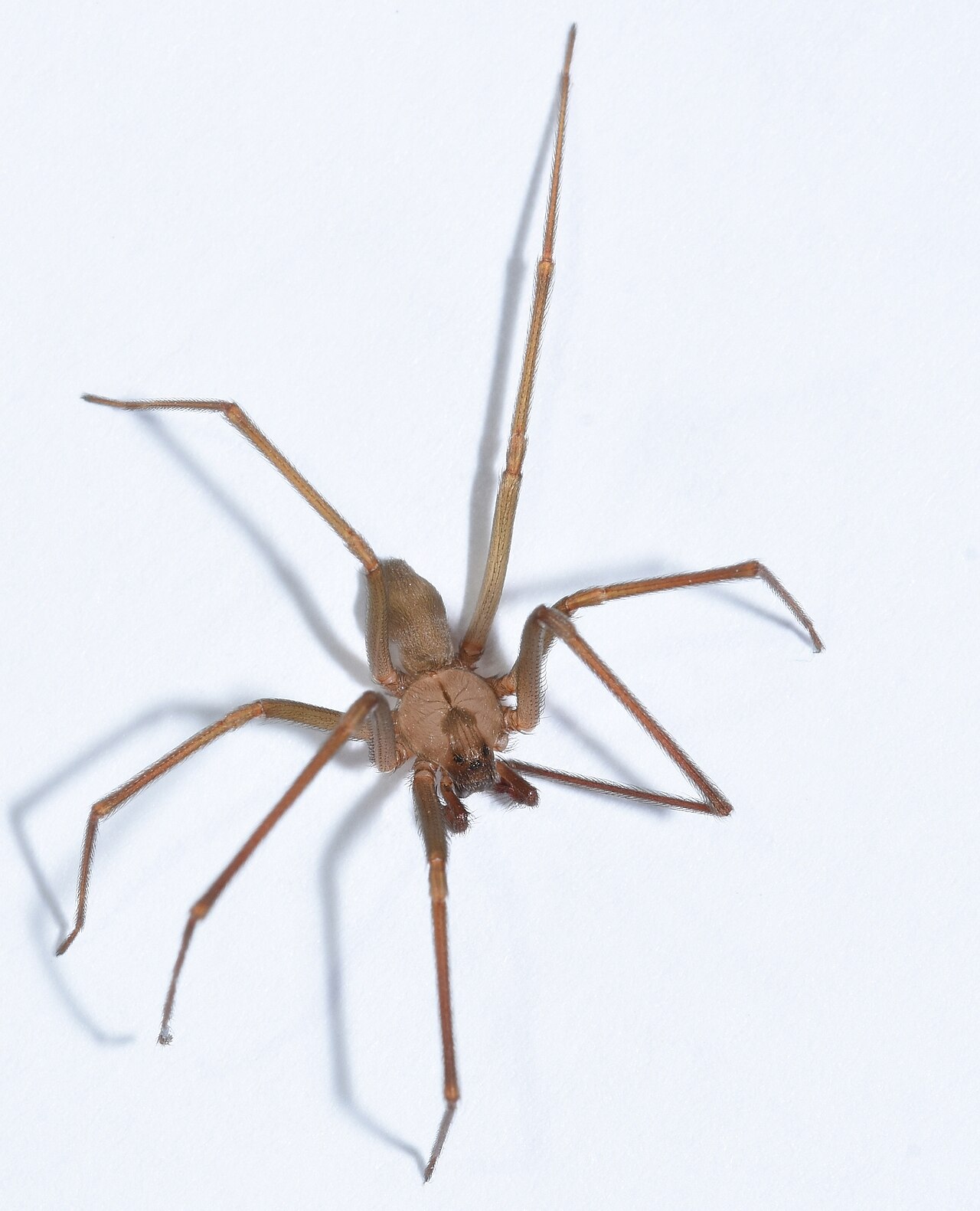
Even so, confirmed brown recluse injuries and deaths are rare, as Rutgers points out. A wolf spider is stockier and built for running in the open. A recluse stays hidden in quiet corners, boxes and closets.
The spiritual lesson is discernment. A brown recluse has a dark violin-shaped mark behind its head and six eyes in three pairs. A wolf spider has eight eyes, two of them large and facing forward. If you are bitten and unsure of the species, see a doctor rather than guessing.
Frequently Asked Questions
Will a wolf spider crawl on you while you sleep?
No, that almost never happens. Wolf spiders hunt on the floor at night and have little reason to climb into a bed without insects. Spiders seldom bite people (Rutgers), and one on a bed is wandering, not stalking. Keep bedding off the floor and shake out blankets stored in basements or closets.
Is a big wolf spider in a dream a bad sign?
No, a big wolf spider in a dream is commonly read as a decision or fear that has grown larger than it really is. The bigger the spider, the longer the matter has been put off. Killing or catching it in the dream marks a fear you are ready to face.
Does finding 3 wolf spiders in your house mean something?
Yes, three sightings in a short time carry one message repeated. A decision about home or independence is overdue. Wolf spiders walk in at floor level, so check door sweeps and gaps around windows and basement doors. Move each one outside with a glass and a card.
Is a wolf spider bite a bad omen?
No, a bite is read as a wake-up call about who gets too close and how fast. Wolf spiders bite only when trapped against skin or handled, and they are not among the spiders Rutgers lists as dangerous. Wash the bite and see a doctor if redness spreads.
Is a wolf spider a good sign for love?
Yes, a wolf spider in love stands for loyalty without dependence. It describes closeness that leaves room for each partner’s independence. Both people hunt for themselves and come home to each other. The sign also warns against guarding a partner so closely that the relationship loses air.
Is a dead wolf spider in your home a bad sign?
No, a dead wolf spider marks a finished protective cycle. It is not an omen of death. The guard has done its job. Use the moment to close out something you have been dragging along, then let a new chapter start.
Sources
- Rutgers Cooperative Extension, Fact Sheet FS1121 on Spiders and Spider Bites
- Missouri Department of Conservation, Field Guide: Wolf Spiders
Explore more: Insect Spiritual Meanings: 15 Bugs and What They Signal