Tortoise Dream Meaning: What It Signals
Symbolically, a tortoise in a dream stands for a slow pace, a protected inner life and the endurance to finish what you started. The tortoise dream meaning comes from how the animal lives. It carries its shelter on its back, moves at its own speed and keeps going over rough ground, so the dream holds up that same mirror to your waking pace.
The details carry the message. A tortoise hiding in its shell asks a different question than one winning a race. A tortoise that snaps at you points at a threat you keep putting off. The Bible names the tortoise but never reads it as a dream sign, and the deepest spiritual meanings come from Chinese and Hindu tradition.
In modern dream interpretation, a tortoise signals patience, self-protection and steady progress, and a calm tortoise is a good sign. An attacking or biting tortoise points to a slow problem you have avoided that now demands action. A dead or injured tortoise warns of exhaustion, not certain misfortune.
What Does a Tortoise Mean in a Dream?
A tortoise in a dream means you are being asked to look at your pace. The animal moves slowly but keeps moving, so the dream points either to patience that is paying off or to delay that has become a habit. Which one fits depends on how the tortoise behaves and how you feel watching it.
The shell adds a second layer. A tortoise retreats into its armor when it senses danger. In a dream that retreat mirrors the way you guard yourself, healthy in a storm and isolating if it lasts too long.
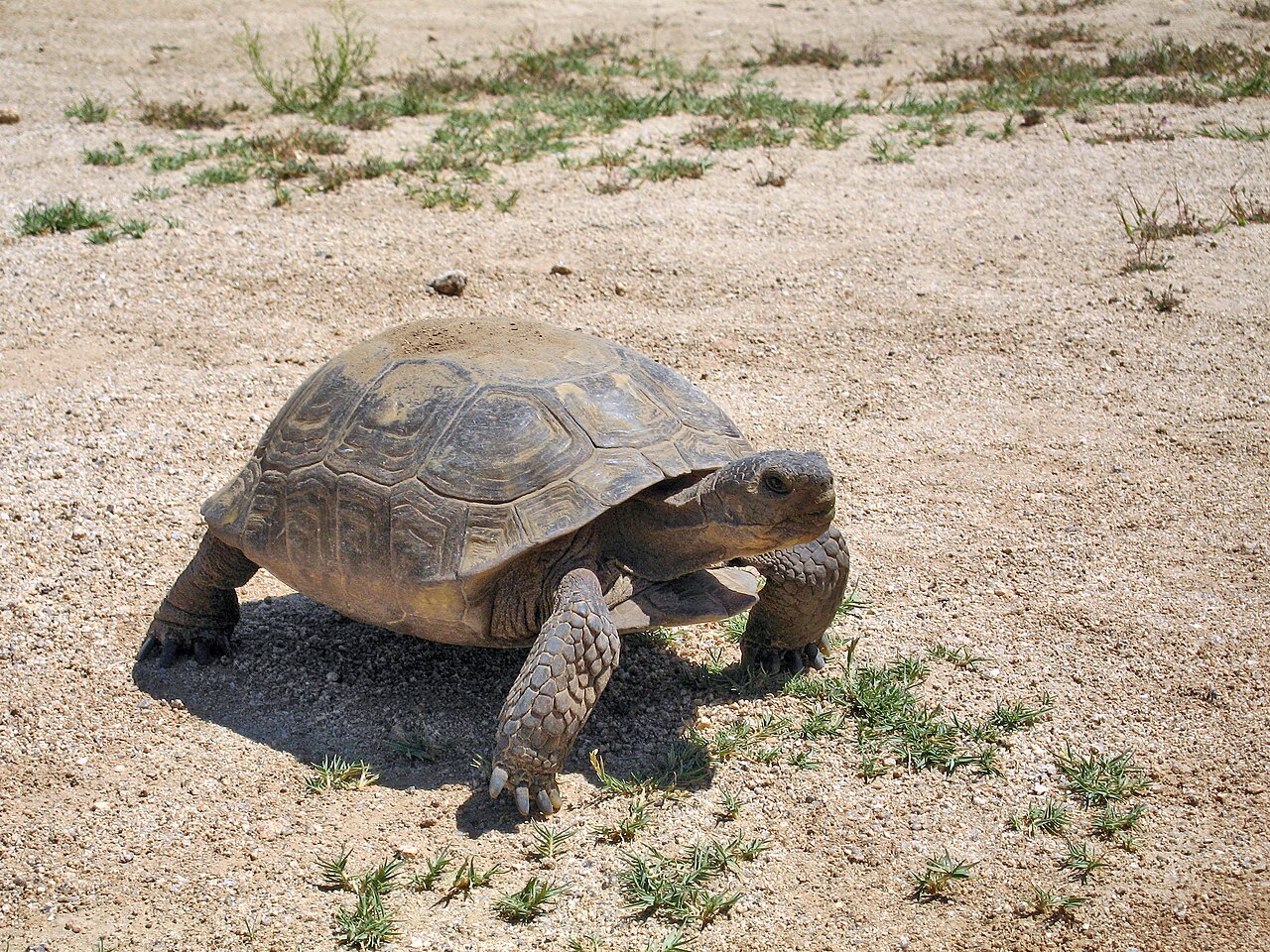
Keep the animal straight. A tortoise lives on land, with a high, domed shell and stumpy, elephant-like legs. A turtle swims, with a flatter shell and webbed feet or flippers, and water changes the reading.
Common Tortoise Dream Scenarios
The most common tortoise dreams show the shell, a baby, a giant, a dead tortoise, a pet or a race, and each points to a different part of your life. A tortoise pulled into its shell signals withdrawal. A tortoise that lunges or bites signals a slow problem, a debt, a conflict or a neglected habit, that has finally reached you. Treat the attack as a deadline, not a curse.
A baby tortoise points to a new project that needs protection before it can stand on its own. Baby tortoises need warmth, light and careful handling in real life. The dream asks for the same patience with whatever you have just started. A dead tortoise marks the end of a slow effort or a sign that your reserves are gone.
A giant tortoise points to something old and settled, a family pattern or a long career, that still carries weight. Sulcata tortoises (Centrochelys sulcata) rank among the largest tortoises kept as pets, so a giant pet can stand for a commitment that outgrew your plans. A race against a hare comes from Aesop’s fable The Tortoise and the Hare. Winning it means steady effort beats a fast start, and losing it means your pace has slipped into delay.
A pet tortoise ties the dream to home and routine. Tortoise care takes daily attention, and if the dream sends you toward a real tortoise, the CDC notes that Salmonella is the most common germ carried by reptiles. A tortoise in water is out of its element, and so are you. On sand, it points to slow progress over unstable ground.
| Dream scene | What it points to | Question to ask yourself |
|---|---|---|
| Tortoise hiding in its shell | Withdrawal and self-protection | What am I shielding myself from? |
| Tortoise attacking or biting | A delayed problem now pressing | What have I put off too long? |
| Baby tortoise | A fragile new start | What needs protecting right now? |
| Giant tortoise | Old, settled weight | Which long habit still steers me? |
| Dead or injured tortoise | Exhaustion or an ended effort | Where have I run out of reserves? |
| Tortoise beating a hare | Steady effort paying off | Where is slow working for me? |
What Is the Biblical Meaning of a Tortoise in a Dream?
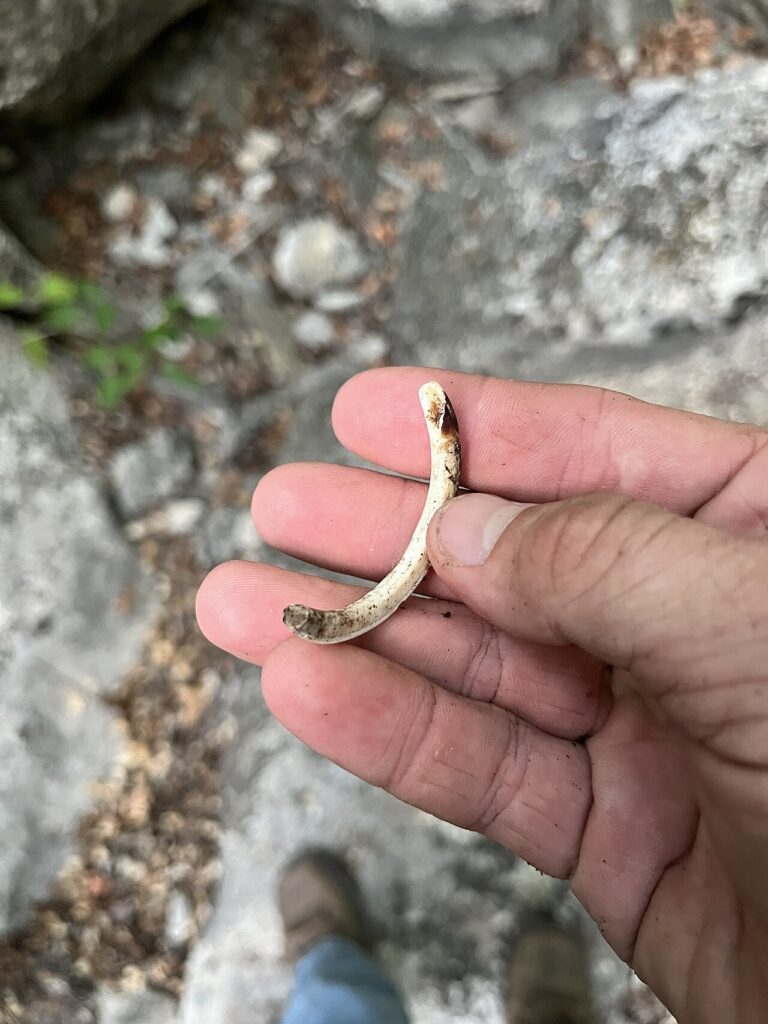
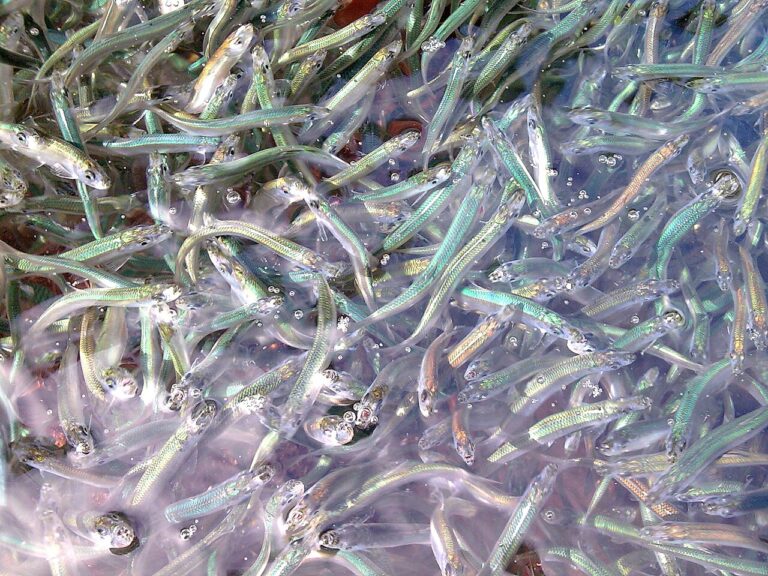
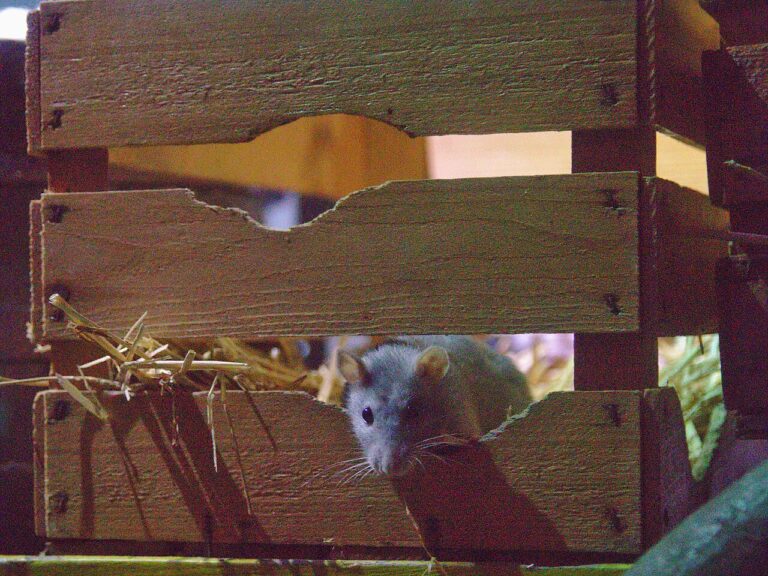
No verse gives the tortoise a dream meaning. The King James Version names it only in Leviticus 11:29, among the unclean creeping things beside the weasel and the mouse. The verse is a food law, not a symbol. It marks the animal as off limits for Israel’s table.
Modern translations read the verse differently. The Hebrew word is tsab, and versions such as the ESV and NIV render it as great lizard. The tortoise may not stand in the original text at all.
Readings that call it a biblical sign of patience borrow that idea from the animal itself, not from scripture. If faith frames your dream, read it through the steadfastness scripture praises elsewhere, not through Leviticus.
What Does a Tortoise Represent Spiritually?
A tortoise represents long life, stability and endurance in the two traditions that give it the deepest meaning. In Chinese tradition, Xuanwu, the Black Tortoise, guards the north as one of the Four Symbols and is often shown entwined with a snake. Chinese art also links the tortoise with longevity.
In Hinduism, Kurma is the tortoise avatar of Vishnu. In the story of the churning of the ocean, Kurma holds Mount Mandara on his back so the gods and demons can churn. The tortoise becomes a foundation that bears weight without breaking.
A tortoise dream draws on both images, the steady base and the long road. Tortoise symbolism in waking life covers what slow stands for when you meet one outside a dream.
Is a Tortoise Dream Good Luck or Bad Luck?
A tortoise dream is good luck when the animal is calm, moving or winning, and it carries a warning when the tortoise is dead, injured or attacking. Chinese tradition ties the tortoise to longevity, and a healthy dream tortoise fits that good sign.
Your feeling decides the reading. Calm while watching a tortoise points to trust in your timing. Frustration at its slowness points to impatience with a process you cannot rush. Fear during an attack points to a pressure you sense but have not faced.
A dead or injured tortoise is a warning image, not a verdict. It points to burnout, a protection that failed or a patient plan that stalled. Look at where you have carried too much for too long.
How to Read Your Own Tortoise Dream
Read your tortoise dream by checking four things, the pace, the shell, the setting and your feeling on waking. Note whether the tortoise moved, stopped or raced. Note whether the shell was whole, cracked or closed. Then place it on grass, sand, a road or in water.
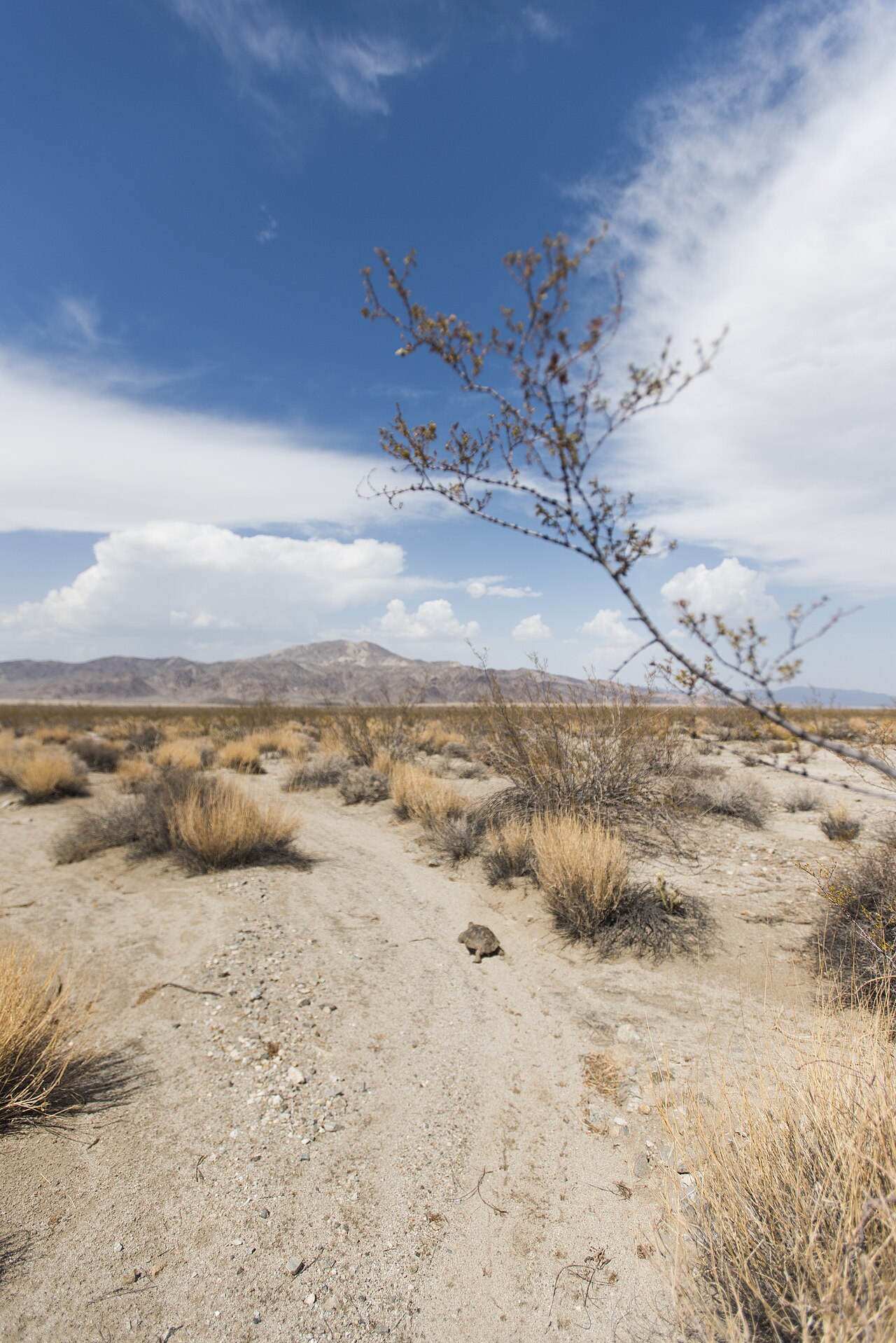
Write down the emotion you woke with before the details fade. That feeling tells you whether the slow pace in the dream is wisdom or delay.
If the animal swam, had flippers or lived in the sea, you dreamed of a turtle, not a tortoise. Turtle dreams center on water and sea scenes and carry a different set of meanings.
Frequently Asked Questions
What does the Bible say about tortoises?
The King James Version lists the tortoise in Leviticus 11:29 among the unclean creeping things, beside the weasel and the mouse. The Hebrew word is tsab, and newer translations such as the ESV render it as great lizard. The verse is a food law and says nothing about dreams.
What do tortoises represent in dreams?
Tortoises in dreams represent pace and protection. A walking tortoise reflects steady progress, a tortoise in its shell reflects a guarded mood, and a tortoise that wins a race reflects patience that pays. The reading shifts with the tortoise’s condition and with the emotion you carry out of the dream.
Is it good if a tortoise comes in a dream?
Yes, a tortoise that arrives calm and healthy is a good sign. It points to patience, protection and progress that holds. Check how you felt in the dream. Calm confirms the good reading, while fear asks you to look at what you have postponed.
What does it mean when a tortoise attacks you in a dream?
A tortoise attack in a dream means a slow problem has caught up with you. Because a tortoise is a slow, defensive animal, the attack stands out as a deadline. Name the issue you have delayed, a bill, a talk or a decision, and take one step on it within the week.
What dreams should you not ignore?
Recurring dreams, dreams that wake you in fear and dreams that repeat the same threat deserve attention. A tortoise that attacks night after night points to a problem you keep postponing. If distressing dreams keep breaking your sleep, raise them with a doctor rather than reading them only as signs.
What does it mean when you see a tortoise?
Seeing a tortoise awake points to the same themes as the dream, slowing down, guarding your energy and keeping a steady course. A tortoise crossing your path asks you to stop rushing a decision. Outside dreams, the reading rests on where you met the animal and what you were doing.
Sources
- CDC, Reptiles and Amphibians
- CDC, Salmonella Outbreak Linked to Pet Turtles
- Bible Gateway, Leviticus 11:29 (KJV)