Baby King Snake: Identification and the Coral Snake Mimicry
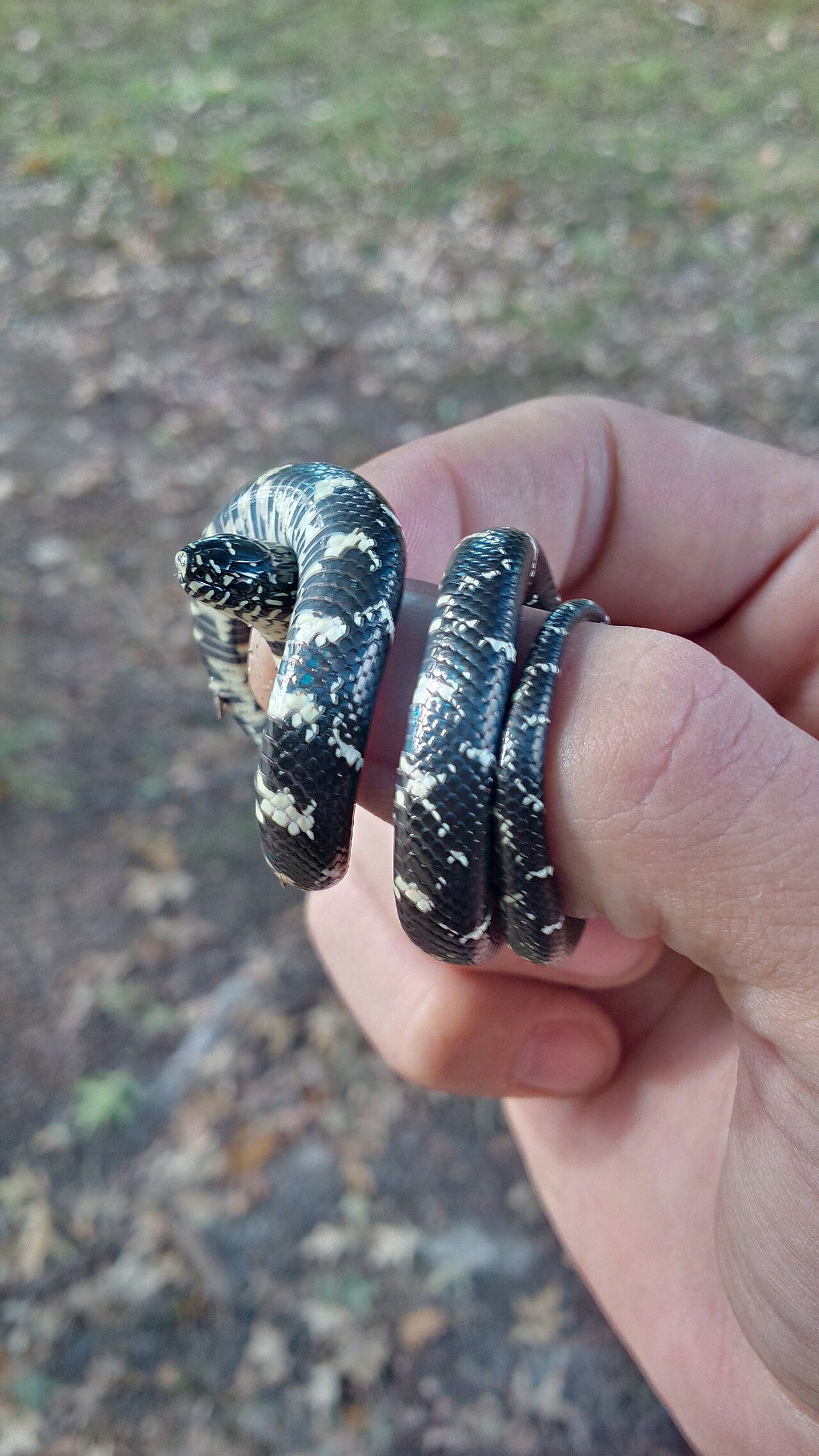
A baby king snake hatches already displaying the same bold banded or striped pattern that will define its appearance throughout life, typically 8 to 13 inches long depending on the specific king snake species and locality, making king snake hatchlings genuinely easier to identify by pattern alone than many other snake species whose juveniles look dramatically different from the adults they will eventually become, a consistency that reflects the king snake’s coloration serving the same warning and camouflage functions from birth through adulthood without the dramatic transformation some other snake species undergo.
King snakes carry genuine ecological significance well beyond their striking appearance, since this genus is specifically known for preying on other snakes, including venomous species, a behavior that has made king snakes both genuinely beneficial to have around and a source of real confusion, given that certain king snake color patterns closely resemble the venomous coral snake through a well-documented mimicry relationship. This guide covers king snake hatching and early development, the crucial coral snake mimicry identification, what baby king snakes eat including their notable snake-eating behavior, and practical guidance for anyone encountering one.
| Fact | Baby King Snake |
|---|---|
| Hatchling length | 8 to 13 inches |
| Clutch size | Typically 10 to 20 eggs |
| Incubation period | Approximately 60 to 75 days |
| Pattern at hatching | Same bold banding as adults |
| Venomous? | No, completely harmless |
| Notable diet trait | Eats other snakes, including venomous species |
Hatching: Pattern Consistent From Birth
King snake eggs typically hatch after an incubation period of approximately 60 to 75 days, with clutch sizes commonly ranging from 10 to 20 eggs depending on the specific species and the size and health of the mother, and hatchlings emerge measuring roughly 8 to 13 inches, already displaying essentially the same bold color pattern, whether banded, striped, or speckled depending on the specific species and regional variety, that will continue defining their appearance throughout their entire life.
This pattern consistency from hatching through adulthood distinguishes king snakes from several other snake species covered elsewhere, including rat snakes, whose blotchy juvenile pattern differs dramatically from their eventual solid-colored adult appearance, meaning king snake identification remains considerably more straightforward across all life stages compared to species undergoing more dramatic ontogenetic color change as they mature.
Different king snake species and regional subspecies display genuinely varied patterns, from the classic black-and-white or black-and-yellow banded pattern of the common king snake to the more elaborate multi-colored banding seen in some regional varieties, meaning correctly identifying the specific king snake species or subspecies present in a given hatchling requires attention to the specific pattern details and known regional distribution rather than relying on a single universal king snake appearance.
The Critical Coral Snake Mimicry Identification
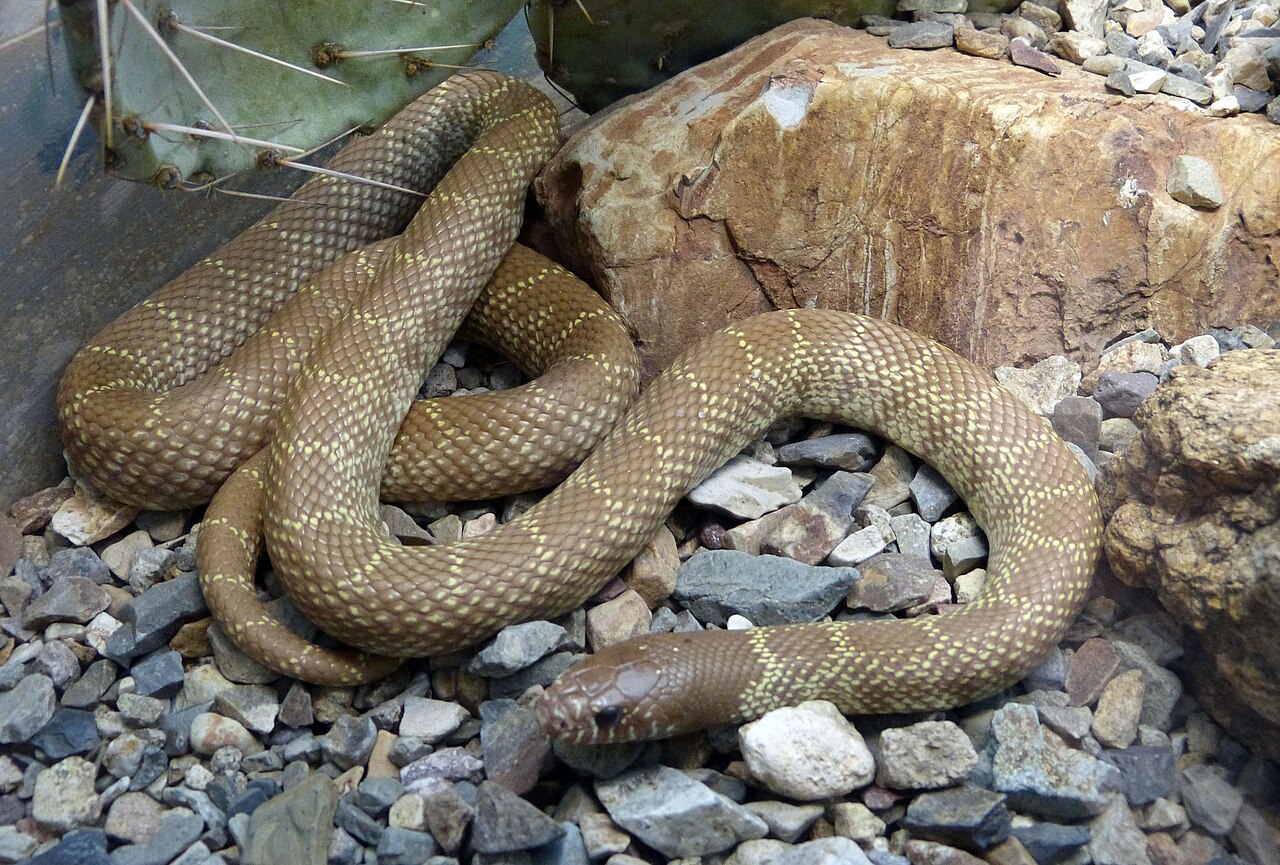
Certain king snake species and color varieties, particularly those in regions overlapping with venomous coral snake populations, display banding patterns genuinely similar to the coral snake’s own red, yellow, and black banding, a resemblance significant enough that distinguishing harmless king snakes from genuinely venomous coral snakes represents one of the most practically important snake identification challenges in regions where both species occur.
The traditional rhyme used to distinguish these species, red touches yellow, kill a fellow, red touches black, friend of Jack, refers to the specific order of colored bands: on the venomous coral snake, red bands touch yellow bands directly, while on mimicking king snakes, red bands are separated from yellow by black bands instead, a genuinely useful field identification tool though one that applies specifically to North American coral snake and king snake populations rather than universally across all similarly patterned snakes worldwide.
This mimicry relationship represents a documented example of Batesian mimicry, where a harmless species evolves to resemble a genuinely dangerous one for predator-avoidance benefit, similar in evolutionary principle to the coral snake vs king snake comparison covered in complete identification detail elsewhere, and given the genuine stakes involved in potentially misidentifying a venomous coral snake as a harmless king snake mimic, treating any uncertain red-yellow-black banded snake with caution until confident identification is achieved remains the safest practical approach.
What Baby King Snakes Eat
King snakes are genuinely notable within the broader snake world for their diet, which prominently includes other snakes, a behavior giving the genus its common name and making king snakes one of relatively few snake species that regularly prey on other snakes as a significant dietary component, including venomous species like rattlesnakes and copperheads that king snakes are able to safely consume due to some documented resistance to certain snake venoms.
This snake-eating behavior begins even in young king snakes, with hatchlings capable of consuming appropriately sized prey including small snakes, lizards, and rodents from relatively early in their development, though the specific proportion of snake prey versus other food items in a young king snake’s diet likely varies based on availability and the snake’s own current size relative to potential prey items encountered.
Beyond other snakes specifically, king snakes maintain a genuinely varied diet including rodents, lizards, birds and their eggs, and other small vertebrates, making them opportunistic generalist predators overall despite their particular notability for snake consumption specifically, a dietary breadth that contrasts with the more rodent-focused diet of constrictors like the rat snake, and likely contributes to their relatively widespread distribution and general ecological success across the varied habitats different king snake species and subspecies occupy throughout their North American range.
Growth and Development
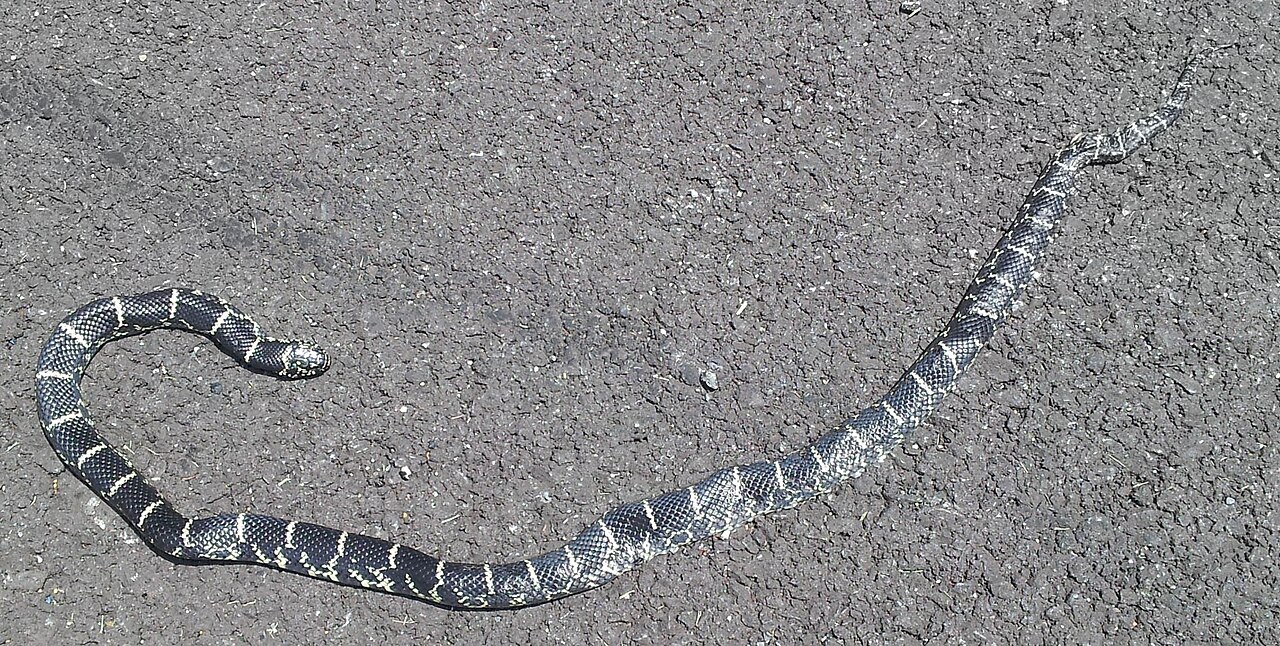
Baby king snakes grow at a relatively steady pace during their first couple of years, with growth rate depending considerably on feeding frequency and prey availability, gradually progressing from their 8 to 13 inch hatchling size toward the considerably larger adult size that varies meaningfully by species, with some king snake species reaching only around 3 feet while others, like larger subspecies of the common king snake, can approach or exceed 5 to 6 feet in exceptional cases.
Sexual maturity in king snakes generally arrives somewhere around 2 to 3 years of age, though this timeline can vary based on specific species, individual growth rate, and environmental conditions, with wild king snakes capable of living a decade or more under good conditions, making them a genuinely long-lived species relative to many other similarly sized reptiles found within the same general habitat range.
Like most snake species, king snakes shed their skin periodically throughout their lives as they grow, with young, rapidly growing snakes typically shedding more frequently than slower-growing adults, a normal developmental process that should not cause concern for anyone specifically keeping king snakes as pets or observing them in the wild, provided the shedding process itself appears to proceed normally without retained skin patches indicating any underlying health or humidity-related husbandry issue.
Regional Species and Subspecies Diversity
King snakes encompass a genuinely diverse range of species and regional subspecies across North America, from the eastern king snake with its classic black-and-white chain-like banding to various regional color and pattern morphs found across different parts of the country, a diversity documented extensively through herpetological research conducted at university biology departments studying regional snake population variation and distribution.
This regional diversity means correctly identifying which specific king snake subspecies inhabits a particular area benefits considerably from consulting regional field guides or wildlife resources specific to that location, since pattern and coloration can vary meaningfully enough between different regional populations that a general “king snake” identification, while useful, may not capture the full specific subspecies-level detail some snake enthusiasts and researchers specifically track.
This diversity also connects to the broader coral snake mimicry story covered earlier, since the specific regional king snake populations displaying the most convincing coral snake mimicry tend to occur specifically in areas where their range overlaps with actual coral snake populations, a geographic pattern consistent with the evolutionary logic driving Batesian mimicry generally, where mimicry benefit only accrues in regions where the dangerous model species predators have learned to avoid actually occurs alongside the mimicking species.
King Snakes as Pets: What Kit Care Involves
King snakes rank among the more commonly kept pet snake species specifically because of their generally manageable size, relatively docile temperament once acclimated to handling, and straightforward care requirements compared to some other reptile species, making young king snakes a genuinely popular choice for reptile keepers ranging from relative beginners to more experienced snake enthusiasts specifically drawn to this genus.
Basic care for young king snakes includes an appropriately sized enclosure with secure hiding spots, since king snakes generally prefer having secure retreat options available rather than fully open spaces, along with appropriate temperature gradients typically achieved through under-tank heating or overhead heat sources, and a feeding schedule of appropriately sized prey items, usually appropriately sized mice, offered on a regular schedule that scales with the snake’s growth.
One genuinely important husbandry consideration specific to this genus given its snake-eating tendency covered earlier involves never housing multiple king snakes together in the same enclosure, since king snakes may attempt to prey on cage mates regardless of relative size similarity, a genuinely important species-specific care consideration that differs from some other snake species where communal housing, while still generally discouraged for various reasons, does not carry quite the same direct predation risk between cage mates that king snakes specifically present.
Found a Baby King Snake? What to Do
Encountering a baby king snake in your yard or garden generally represents a genuinely positive wildlife sighting, since king snakes are completely harmless to humans and pets, and their notable predation on other snakes, including venomous species, makes them a genuinely beneficial presence for anyone concerned about venomous snake activity in their specific area, similar in overall beneficial role to other harmless, beneficial snake species like the milk snake.
If positive identification as a king snake rather than a potentially venomous coral snake mimic feels uncertain, particularly in regions where both species occur, the safest approach involves observing from a distance without attempting to handle or capture the snake, photographing it if possible for later identification confirmation, and allowing it to move along on its own rather than risking a misidentification-related bite from what might actually be a genuinely venomous coral snake rather than its harmless mimic.
For confirmed king snake sightings specifically, no action beyond simple appreciation is generally warranted, since these snakes provide genuine ecological benefit through their varied diet and pose no threat to people or pets, making a baby king snake encountered in a garden or yard setting something to observe and appreciate rather than something requiring any removal or management response, similar to the general harmless-snake guidance covered for young snakes like the baby rat snake and baby black snake elsewhere in our snake identification resources.
Frequently Asked Questions
How can I tell a baby king snake from a coral snake?
Use the traditional rhyme: on venomous coral snakes, red bands touch yellow bands directly, while on king snake mimics, red bands are separated from yellow by black bands instead, a distinction specific to North American species.
Are baby king snakes venomous?
No, king snakes are completely non-venomous and harmless to humans, despite some color patterns closely resembling the genuinely venomous coral snake through a documented mimicry relationship.
What do baby king snakes eat?
A varied diet including other snakes, notably even venomous species, along with rodents, lizards, birds, and eggs, making king snakes genuinely notable generalist predators from a relatively young age.
How big are king snakes when they hatch?
Typically 8 to 13 inches long, already displaying the same bold banded or striped pattern that will remain consistent throughout the snake’s life without the dramatic color change some other snake species undergo.
Can king snakes eat venomous snakes safely?
Yes, king snakes have documented resistance to certain snake venoms, allowing them to safely prey on venomous species like rattlesnakes and copperheads as part of their broader diet.
Can you keep two baby king snakes together?
No, king snakes should never be housed together regardless of size similarity, since their notable snake-eating tendency means they may attempt to prey on cage mates even of the same species.
Is finding a baby king snake in my yard a good thing?
Generally yes, since king snakes are harmless to people and pets while providing genuine ecological benefit by preying on other snakes, including venomous species, making them a beneficial presence worth appreciating rather than removing.