Rat Poop: Identification, Health Risks, and Safe Cleanup
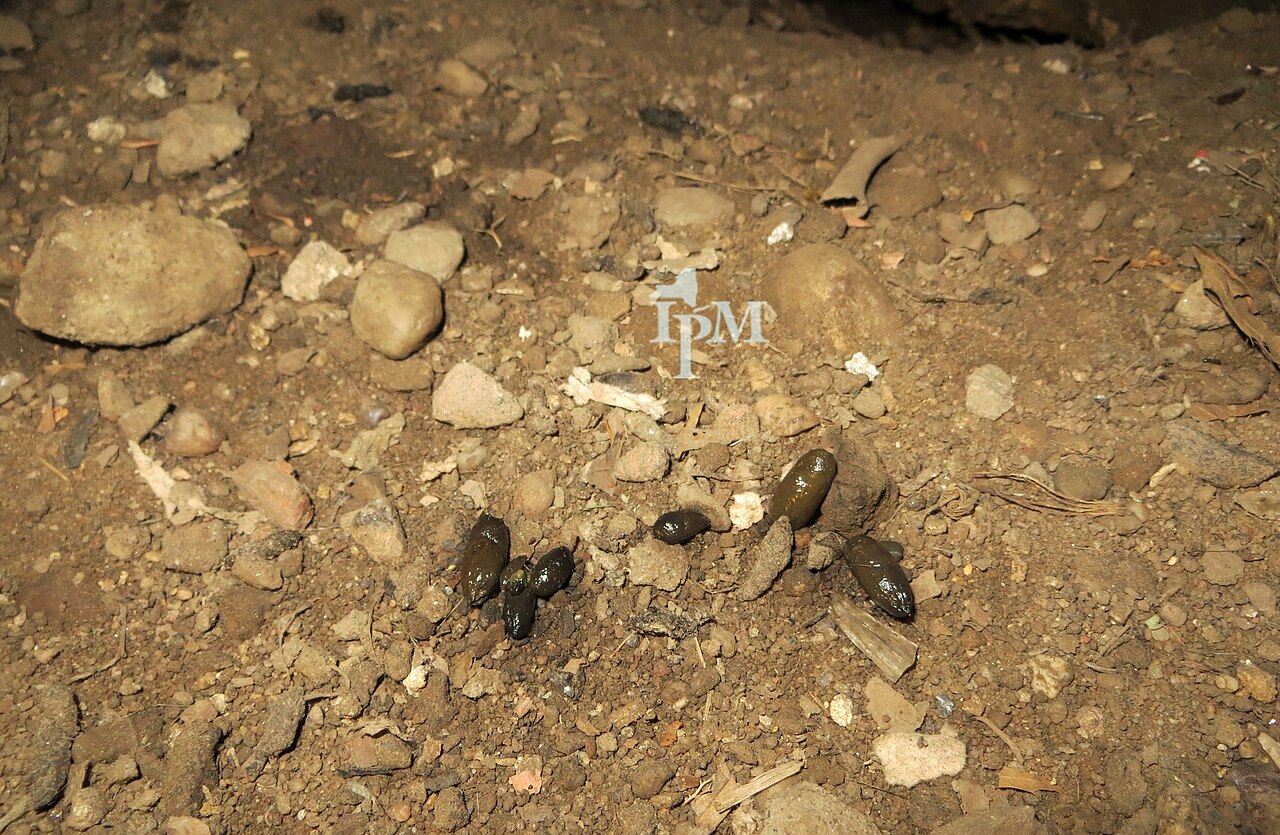
Rat poop appears as a tubular, capsule-shaped dropping typically 1/2 to 3/4 inch long, roughly the size and shape of a large grain of rice or a small olive pit, with ends that are generally blunt to slightly tapered rather than sharply pointed, dark brown to black and somewhat glossy when fresh, gradually drying to a duller gray-brown, more crumbly texture over the following days as the dropping ages, making dropping freshness itself a genuinely useful practical indicator of how recently rats have been active in a specific location.
Correctly identifying rat droppings matters considerably beyond simple curiosity, given the documented health risks associated with rat feces specifically, including salmonellosis and leptospirosis, along with the practical infestation-management value of understanding dropping patterns, locations, and quantity as indicators of how established and extensive a given rat problem actually is. This guide covers full rat dropping identification, health risks and safe cleanup protocol, what dropping location and pattern reveal about infestation severity, and how to distinguish rat droppings from the sign of other common household pests.
| Feature | Rat Poop |
|---|---|
| Length | 1/2 to 3/4 inch |
| Shape | Tubular, capsule-shaped, blunt to slightly tapered ends |
| Color (fresh) | Dark brown to black, glossy |
| Color (old) | Grayish brown, dull, crumbly |
| Daily quantity | 30 to 40+ droppings per rat |
| Typical clustering | Along walls, runways, near nests |
What Rat Droppings Look Like
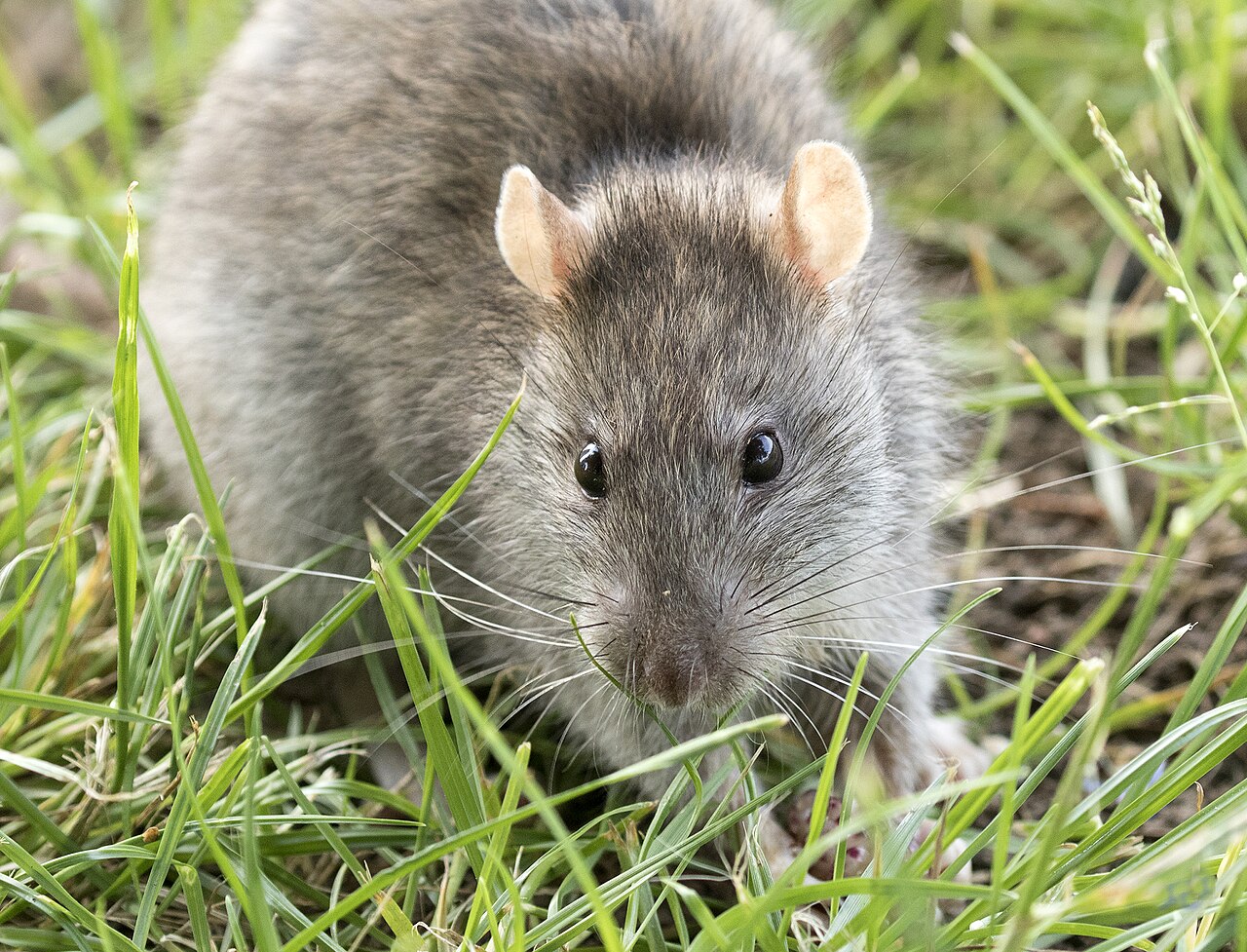
A typical rat dropping measures approximately 1/2 to 3/4 inch in length, with Norway rats, the most common rat species in most residential areas, generally producing droppings with blunt, rounded ends and a somewhat capsule-like overall shape, while roof rats, more common in certain regions and building types, tend to produce slightly more tapered droppings, though both species’ droppings remain considerably larger and blunter than the sharply pointed droppings mice produce.
Fresh droppings, deposited within roughly the last day, appear notably dark, almost black, with a subtle glossy sheen visible on close inspection, gradually losing this fresh appearance over subsequent days as they dry out, developing a duller gray-brown color and a more crumbly, less cohesive texture that breaks apart more readily when disturbed compared to the firmer, moister consistency of freshly deposited droppings.
This aging pattern provides genuinely practical value for assessing whether rat activity in a given area represents current, ongoing presence or older, potentially resolved activity, since a location showing only old, dry, crumbly droppings without any fresh additions across repeated checks suggests reduced or currently absent rat activity, while consistently finding fresh, dark droppings in the same location over multiple inspections confirms an active, ongoing rat presence requiring attention.
Quantity and Where Rats Leave Droppings
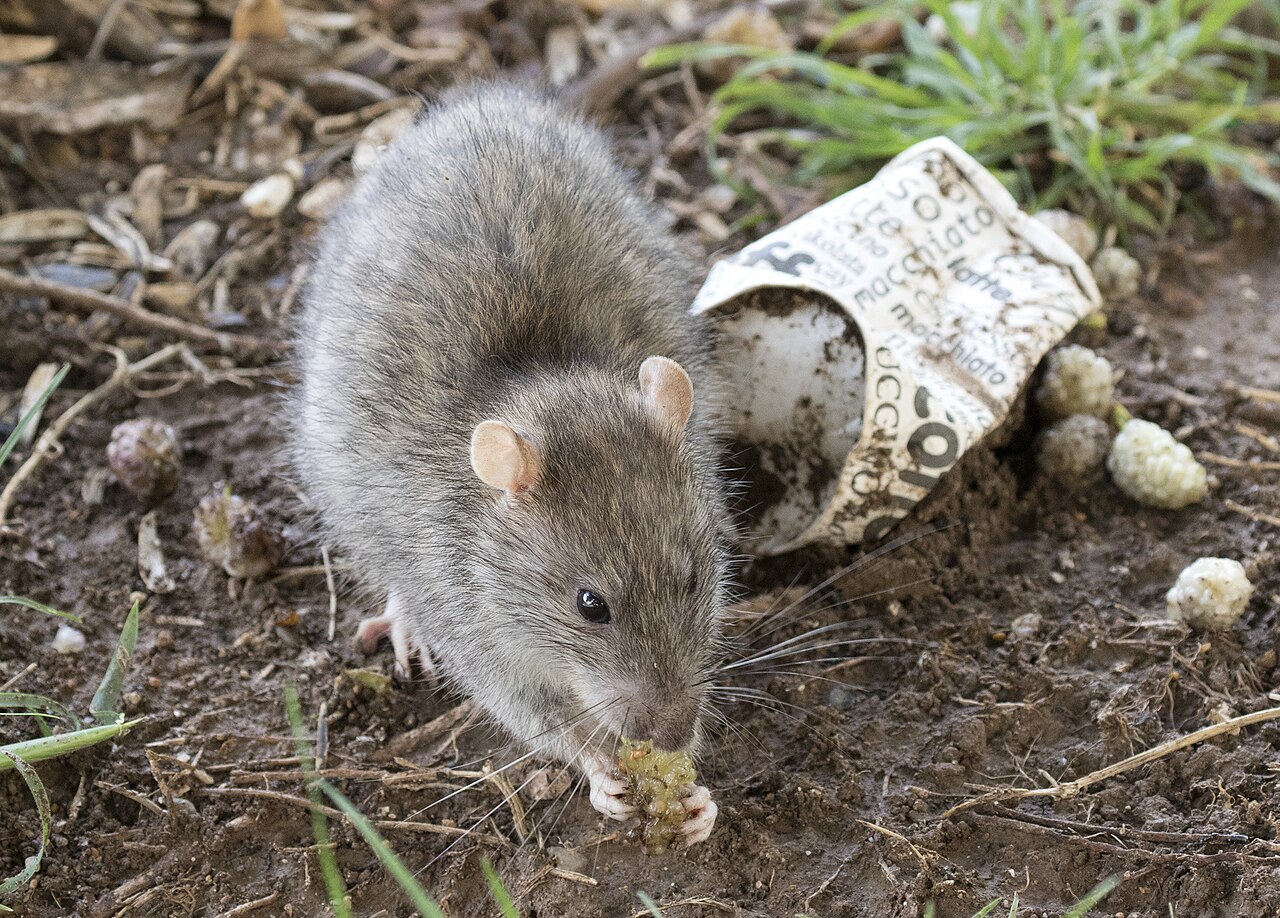
A single rat produces a genuinely substantial number of droppings daily, typically 30 to 40 or more, meaning even a relatively recently established rat presence can generate a considerable accumulation of droppings within a fairly short period, particularly concentrated along the specific travel routes and nesting areas rats tend to favor and reuse consistently rather than distributing droppings more randomly across their entire accessible territory.
Unlike mice, which tend to forage somewhat more widely and openly, rats typically establish consistent travel routes along walls, baseboards, and other structural features, meaning rat droppings often cluster noticeably along these repeated pathways rather than scattering broadly throughout accessible spaces, a distribution pattern that itself provides a useful supporting identification clue when trying to distinguish rat activity from other pest sign covered later in this guide.
Common rat dropping locations include areas along exterior walls both inside and outside a structure, near potential entry points like gaps around pipes or foundation cracks, inside wall voids and less frequently disturbed storage areas like garages, basements, and attics, and near consistent food sources including pantries, kitchens, or outdoor garbage storage areas that provide reliable feeding opportunities rats will return to repeatedly.
Health Risks: Salmonella and Leptospirosis
Rat droppings carry genuine, well-documented health risks, most notably including salmonellosis, a bacterial infection that can spread through contact with contaminated surfaces or food items, and leptospirosis, a bacterial disease transmitted through contact with water or soil contaminated by infected rat urine specifically, both representing genuine concerns the CDC (cdc.gov) specifically addresses within broader rodent-borne disease prevention guidance.
Beyond these primary bacterial concerns, rat droppings and the rats themselves can also introduce secondary pest problems into a structure, including fleas and mites that may accompany rat activity, adding further reasons why prompt, careful identification and cleanup of rat droppings matters considerably beyond simply addressing an unpleasant nuisance, extending into genuine household health and pest management territory requiring appropriately careful handling.
Given these documented health risks, public health authorities specifically recommend avoiding actions that could aerosolize dried rat dropping particles into breathable air, meaning dry sweeping, vacuuming, or otherwise disturbing dried droppings without prior wetting represents a genuine inhalation risk that the specific safe cleanup protocol covered in the following section is specifically designed to avoid through a considerably more careful, wet-cleanup approach instead.
Safe Cleanup Protocol
Proper rat dropping cleanup begins with thoroughly ventilating the affected area, opening windows and allowing fresh air circulation for at least 30 minutes before beginning any actual cleanup work, since this initial ventilation period helps disperse any airborne particles that may already have become disturbed before more careful cleanup precautions are actively put into place.
Rather than dry sweeping or vacuuming, the recommended approach involves thoroughly spraying droppings and the surrounding area with a disinfectant solution or diluted bleach mixture, allowing the solution to sit for several minutes to fully saturate the material, before wiping everything away with disposable paper towels while wearing rubber or disposable gloves throughout the entire process, a wet-cleanup method specifically designed to prevent the particle aerosolization dry methods risk.
After removing droppings and disinfecting affected surfaces, disposing of all cleaning materials in a sealed bag, washing gloved hands thoroughly before removing gloves, and then washing bare hands again afterward completes the recommended protocol, with any items that cannot be adequately disinfected, particularly certain porous materials or heavily contaminated stored items, potentially needing to be discarded entirely rather than risk incomplete decontamination through cleaning alone.
What Dropping Location Reveals About Rat Activity
Beyond simply confirming rat presence, the specific location and pattern of droppings discovered during a thorough inspection provides genuinely useful information about where rats are actually traveling and nesting within a structure, with droppings concentrated along a specific wall or pathway indicating an established travel route worth investigating for the actual entry point or nest location these repeated droppings are pointing toward.
Droppings found specifically near potential entry points, gaps around pipes, foundation cracks, or damaged vents, help identify the actual access points rats are using to enter a structure, information genuinely valuable for prioritizing exclusion efforts at the specific locations rats are actually demonstrated to be using rather than attempting to seal every conceivable gap without this kind of targeted evidence pointing toward the locations that matter most.
Tracking whether fresh droppings continue appearing after initial cleanup and any trapping or exclusion efforts provides an ongoing, practical measure of whether control efforts are genuinely succeeding, since a real reduction in new dropping accumulation over subsequent days and weeks indicates declining rat activity, while continued fresh droppings despite active control measures suggest the need for reassessing and likely intensifying the current control approach being used.
Rat Poop vs Mouse, Squirrel, and Other Droppings
Distinguishing rat droppings from the considerably smaller droppings mice produce relies primarily on size and end shape, since mouse droppings measure only about 1/8 to 1/4 inch with distinctly pointed ends on both sides, compared to the rat’s larger, blunter profile, a comparison covered in complete identification detail in our rat poop vs mouse poop guide.
Squirrel droppings present another commonly confused comparison given some size overlap, though squirrel droppings tend toward a more rounded, barrel-like shape compared to the rat’s more elongated capsule form, and squirrel droppings typically appear in different locations, often near trees, attics accessed from outside, or bird feeders, rather than the wall-hugging travel routes rat droppings typically follow, a distinction covered in additional detail in our squirrel poop vs rat poop guide.
Other small dark droppings, including those from cockroaches or various beetles, generally lack the specific size and capsule shape characteristic of rat droppings specifically, with cockroach droppings in particular running considerably smaller and often showing a distinctly ridged surface texture rat droppings do not display, making careful attention to size, shape, and surface texture together generally sufficient to confidently distinguish rat droppings from these various other common household pest sign possibilities.
Rat Poop Within the Broader Backyard Droppings Picture
Placing rat droppings within the broader landscape of common backyard and household wildlife scat helps sharpen identification further, since larger mammal droppings covered in guides like our raccoon poop guide and fox poop guide both run considerably larger and show meaningfully different shape characteristics, tubular with blunt ends for raccoons, twisted and tapered for foxes, than the rat’s own distinctive capsule profile covered throughout this guide.
Similarly, our groundhog poop guide covers a species whose droppings are rarely encountered at all given groundhogs’ underground latrine habits, a genuinely different pattern than the readily visible rat droppings covered here, which rats deposit relatively openly along their regular travel routes rather than concentrating waste in any hidden underground chamber system.
Building this comparative identification skill across multiple common backyard and household pest species gives homeowners a genuinely useful toolkit for confidently sorting between the various droppings they might encounter, whether investigating a suspected rat problem specifically or simply trying to identify unfamiliar wildlife sign discovered around a home or property more generally.
Rat Droppings and Structural Damage Signs
Rat droppings frequently appear alongside other physical evidence of rat activity worth checking for during any thorough inspection, including gnaw marks on wood, wiring, or stored materials, since rats’ continuously growing incisors require regular gnawing to maintain appropriate length, along with greasy rub marks along frequently used travel routes where a rat’s oily fur repeatedly contacts the same wall or baseboard surface over time.
Finding rat droppings near chewed electrical wiring specifically warrants particular urgency beyond the general health concerns already covered, since rat-damaged wiring represents a genuine fire hazard, making this specific combination of evidence, droppings plus visible wire damage, a priority for prompt professional attention rather than something to address on a more relaxed timeline compared to droppings found in less structurally significant locations.
The combination of droppings, gnaw marks, and rub marks together provides considerably more confident confirmation of an active rat infestation than droppings alone might offer in more ambiguous or borderline cases, making a comprehensive inspection checking for all these combined evidence types genuinely more informative than focusing exclusively on droppings in isolation when trying to fully assess a suspected rat problem’s scope and severity.
Frequently Asked Questions
What does rat poop look like?
A tubular, capsule-shaped dropping typically 1/2 to 3/4 inch long with blunt to slightly tapered ends, dark brown to black and glossy when fresh, gradually drying to a duller gray-brown, crumbly texture over several days.
How many droppings does a rat produce per day?
A single rat typically produces 30 to 40 or more droppings daily, often concentrated along consistent travel routes rather than scattered randomly throughout accessible spaces.
Is rat poop dangerous to touch or breathe?
Yes, rat droppings can transmit salmonellosis and leptospirosis, which is why proper cleanup involves wetting droppings with disinfectant before careful removal rather than dry sweeping or vacuuming, which risks releasing contaminated particles into the air.
How do I safely clean up rat droppings?
Ventilate the area first, then thoroughly wet the droppings with disinfectant before wiping them away using disposable gloves and paper towels, avoiding any dry sweeping or vacuuming that could aerosolize contaminated particles.
Where do rats usually leave droppings in a house?
Commonly along exterior and interior walls, near entry points like pipe gaps or foundation cracks, inside wall voids and storage areas like garages and attics, and near consistent food sources like pantries or kitchens.
How can I tell rat droppings from mouse droppings?
Size is the most reliable indicator: rat droppings run 1/2 to 3/4 inch with blunt ends, while mouse droppings measure only 1/8 to 1/4 inch with distinctly pointed ends on both sides.
Should I be worried if I find rat droppings near electrical wiring?
Yes, this combination warrants prompt professional attention, since rats gnaw on wiring to manage their continuously growing incisors, and rat-damaged wiring represents a genuine fire hazard beyond the general health concerns droppings alone present.