Female Cowbird: Identification and the Brood Parasite Strategy
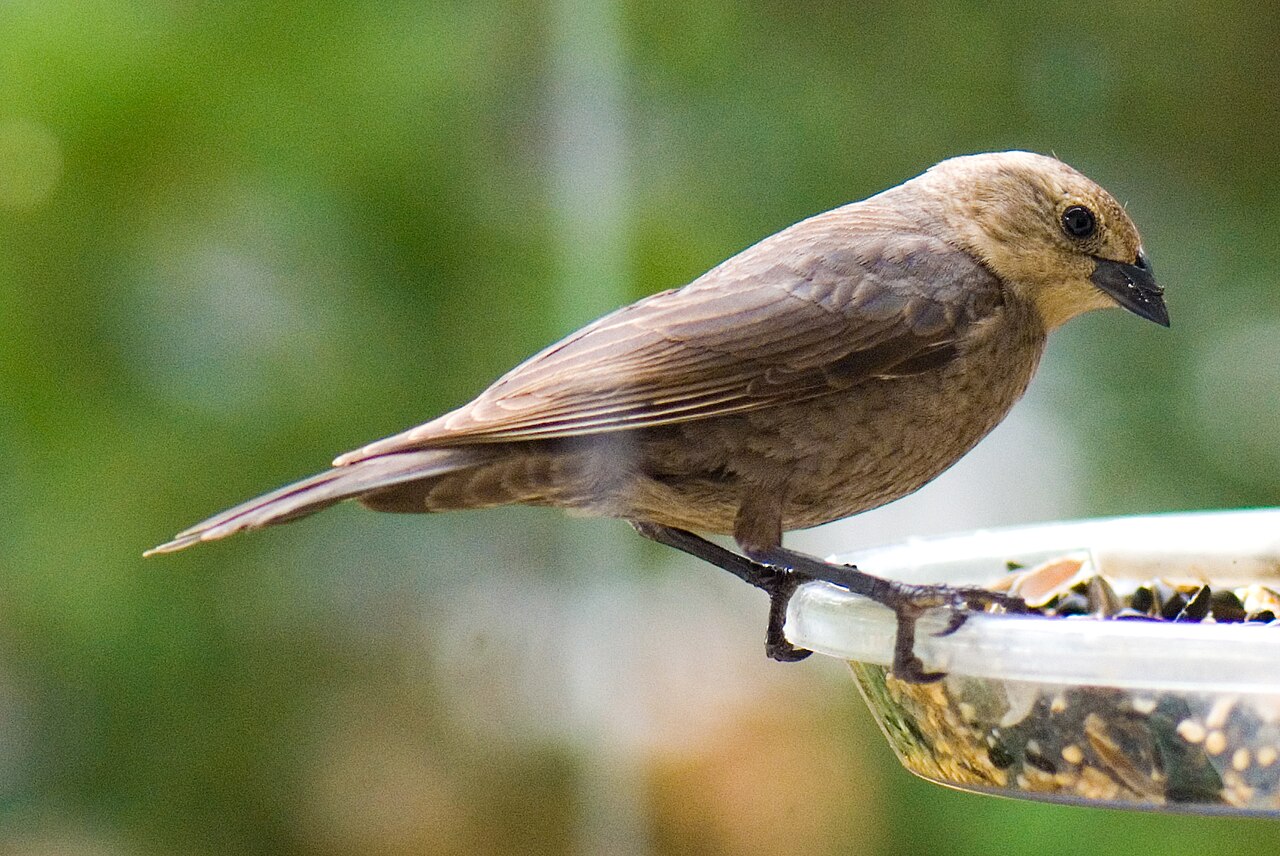
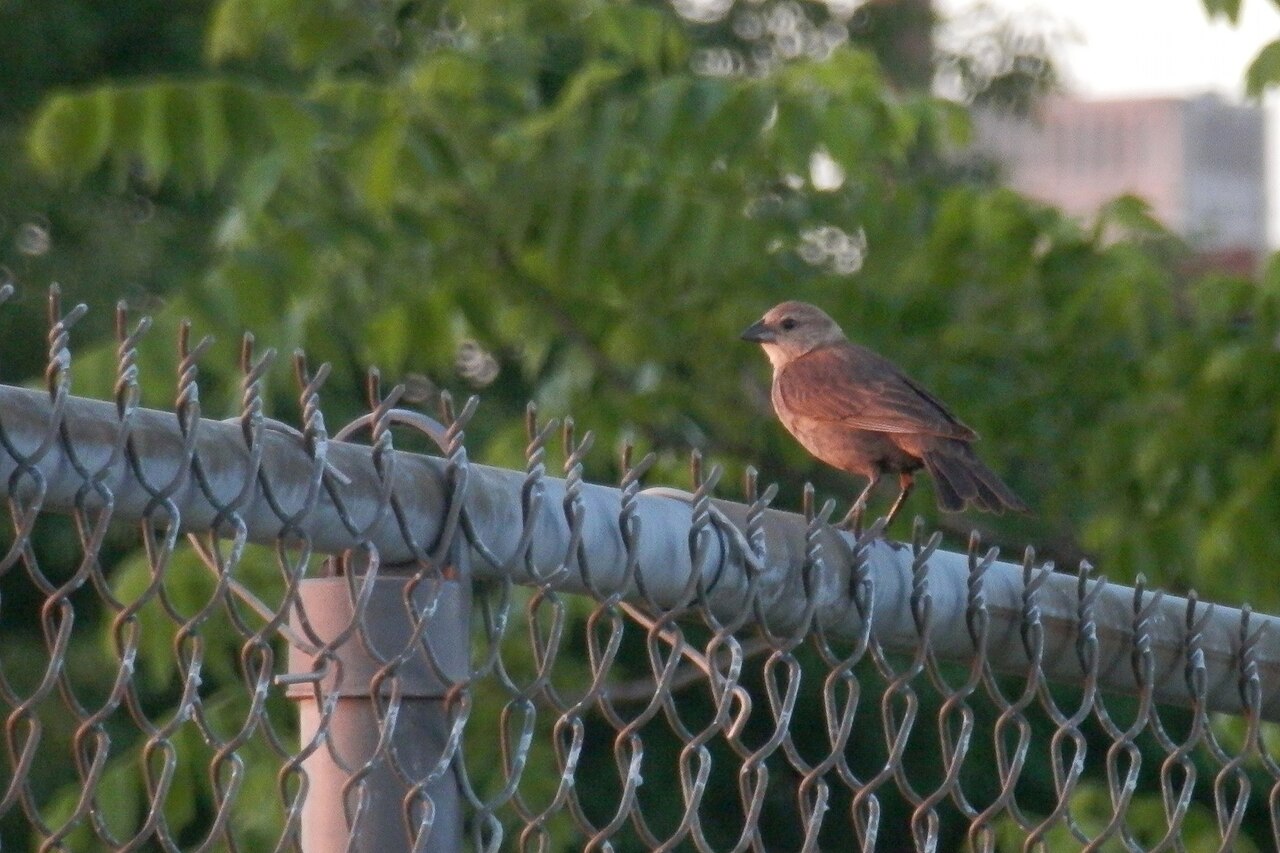
A female brown-headed cowbird is a plain grey-brown bird with no markings at all beyond faint streaking on the underside, a short conical finch-like bill, and a dark eye. She looks like nothing in particular, which is exactly the point: her entire reproductive strategy depends on going unnoticed while she watches other birds build nests.
Cowbirds are brood parasites. A female builds no nest, incubates nothing, and feeds no young. Instead she lays her eggs in the nests of other species, one egg per nest, and leaves. A single female can lay 30 to 40 eggs in a season across that many different nests, and over 220 host species have been recorded raising cowbird chicks in North America.
| Feature | Female Cowbird |
|---|---|
| Plumage | Uniform grey-brown, faint breast streaks |
| Bill | Short, thick, conical, finch-like |
| Length | About 19 cm, starling-sized but slimmer |
| Male | Glossy black body, chocolate-brown head |
| Eggs per season | 30 to 40, one per host nest |
| Host species recorded | Over 220 in North America |
| Nest of her own | None, ever |
What a Female Cowbird Looks Like
Uniformity is the identifying feature. A female brown-headed cowbird is grey-brown from head to tail with no wing bars, no eye ring, no eyebrow stripe, and no distinct face pattern. The underside is slightly paler with soft blurry streaking that is often invisible at any distance. Nothing stands out, and that absence is diagnostic in itself.
The bill is the strongest structural clue. It is short, thick, and conical like a finch’s or sparrow’s, quite unlike the slender pointed bill of most similarly drab birds. Cowbirds are blackbirds, and the heavy-based bill reflects that despite the finch-like proportions. The genus name Molothrus derives from a Greek word meaning intruder or parasite, which was applied long before the full extent of the behaviour was documented.
Size sits around 19 cm, similar to a starling but slimmer, with a proportionally short square-tipped tail. Posture helps too: cowbirds stand with the tail held up at an angle and the head lifted, giving them a distinctive alert stance on lawns. Our guide to the female red-winged blackbird covers a related bird with a very different look.
Female vs Male Cowbird
The sexes look completely different. The male is glossy black over the body with an iridescent green sheen in good light, and a solid chocolate-brown head that gives the species its name. Against that, the female’s plain grey-brown reads as a separate species entirely, and many people report the two as unrelated birds.
Size differs slightly, with males a little larger and heavier, though the difference is not usable in the field. Bill shape and general proportions are identical, so a plain brown bird with a thick conical bill standing next to an obvious male cowbird is almost certainly a female.
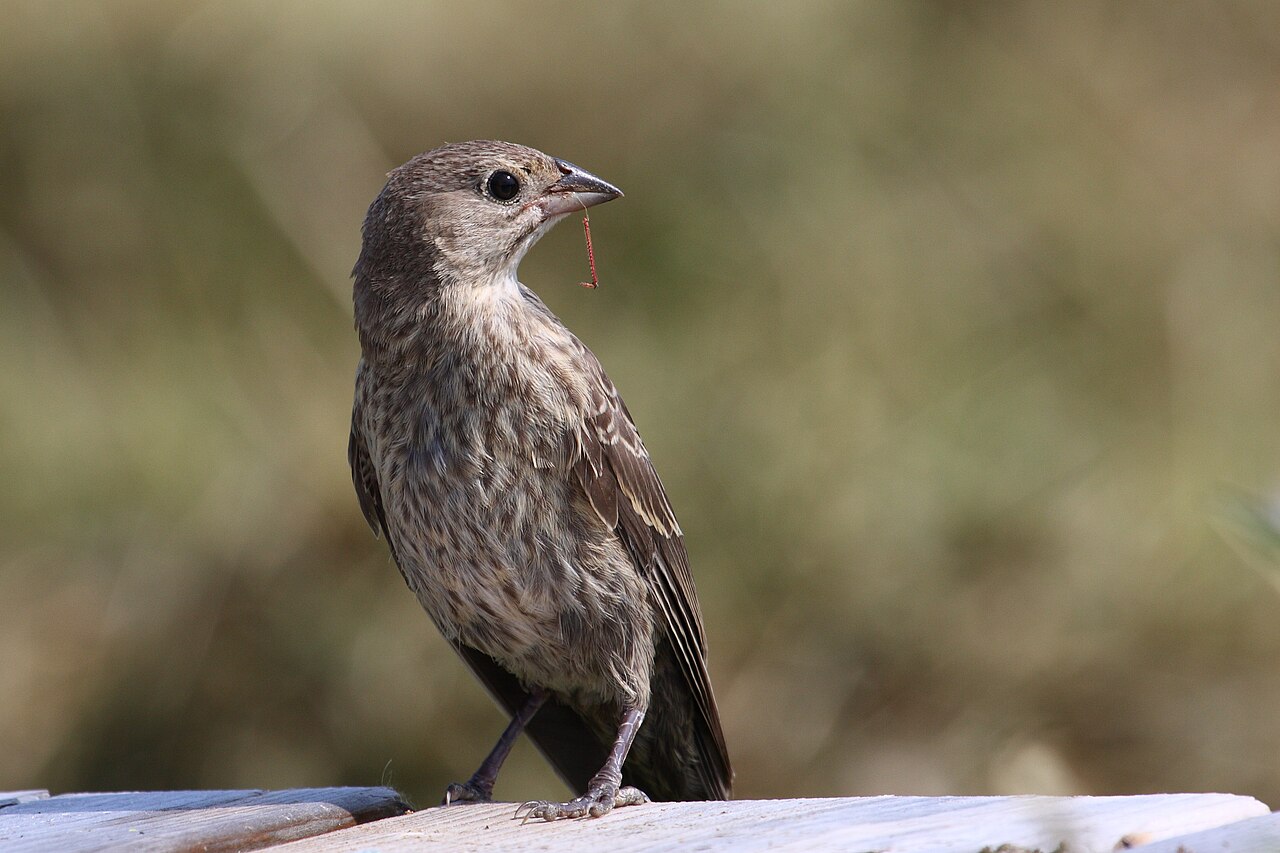
Juveniles complicate things briefly. Young cowbirds are similar to females but show more obvious scaly patterning on the back and heavier streaking below, and they are often seen being fed by a much smaller host parent, which is one of the more striking sights in a summer garden.
Why Cowbirds Do Not Raise Their Own Young
The behaviour is thought to have originated with the bison herds of the Great Plains. Cowbirds followed the herds to feed on insects flushed by grazing animals, and a bird that has to keep moving with a herd cannot commit to a fixed nest for several weeks. Laying in the nests of resident birds solved the problem.
The strategy proved so effective that it persisted after the bison were gone. Cowbirds now follow cattle, farm machinery, and mowers, and forest fragmentation has extended their range enormously, since they feed in open country and parasitise nests along woodland edges. More edge means more accessible host nests.
The reproductive maths favours it strongly. A female that builds no nest and feeds no young can convert almost all of her energy into egg production, which is how a bird this size manages 30 to 40 eggs in one season against the four to five a typical songbird raises across two broods.
How a Female Cowbird Chooses a Nest
She watches. Female cowbirds spend the early morning perched quietly, observing other birds building, and they are notably good at locating nests that human observers cannot find. Some individuals also flush sitting birds deliberately to reveal nest locations.
Laying happens fast, usually before dawn and often in under a minute, and the female frequently removes or damages one host egg at the same time. That removal reduces the host’s clutch and lowers the chance the extra egg is noticed, and it also improves the odds for the cowbird chick.
Host choice skews toward smaller birds. Yellow warblers, song sparrows, red-eyed vireos, chipping sparrows, eastern phoebes, and various flycatchers are heavily used, and a smaller host means the cowbird chick outcompetes its nestmates more decisively. Our guide to baby bird identification covers telling an oversized cowbird chick from the host’s own young.
Which Birds Reject Cowbird Eggs
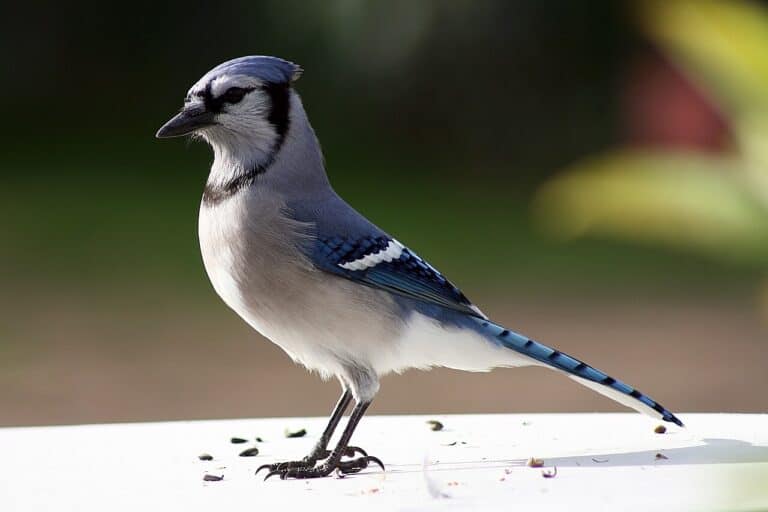
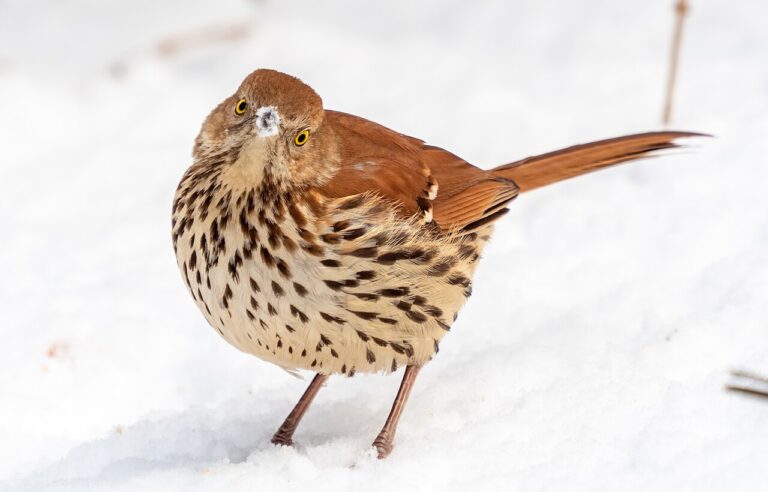
A minority of species recognise and remove the egg. American robins, gray catbirds, brown thrashers, blue jays, and cedar waxwings all eject cowbird eggs reliably, and their own eggs are distinctive enough that the mismatch is obvious. Robin eggs in particular are unmistakable, as our guide to why robin eggs are blue explains.
Yellow warblers use a different solution. Rather than ejecting an egg they cannot lift, they build a new nest floor over the whole clutch and start again, and nests have been found with up to six stacked layers, each burying another cowbird egg along with the warbler’s own.
Most hosts accept. The leading explanation is that rejection carries costs, since a bird that tries to eject an egg risks damaging its own, and species that rarely encounter cowbirds have had no evolutionary pressure to develop the ability. Hosts that have coexisted with cowbirds longest are the most likely to reject.
Egg appearance plays into it as well. Cowbird eggs are whitish with brown speckling and resemble the eggs of many common hosts closely enough that the mismatch is not obvious. Where a host lays a strikingly different egg, as robins and catbirds do, recognition is easy and rejection rates are near total. Where the eggs look similar, even attentive hosts accept.
What Happens to the Host’s Own Chicks
Cowbird eggs usually hatch a day or two earlier than the host’s, and the chick grows considerably faster. A cowbird nestling in a yellow warbler nest may be several times the mass of its nestmates within a week, and it monopolises food by begging louder and reaching higher.
Unlike some Old World cuckoos, cowbird chicks do not evict eggs or nestlings from the nest. The host’s own young simply lose the competition for food, and in heavily parasitised nests few or none survive. Where a host is similar in size to a cowbird, some of the host’s young often do fledge.
Overall impact varies by species. For common, widespread hosts the effect on populations is minor. For range-restricted species it has been severe, and Kirtland’s warbler nearly went extinct partly through cowbird parasitism before an active cowbird control programme in its Michigan breeding range allowed the population to recover.
Are Cowbirds Good to Have in Your Yard?
The honest answer is that it is not a choice you get to make, and the framing is less useful than it looks. Brown-headed cowbirds are native North American birds, federally protected under the Migratory Bird Treaty Act, and removing eggs, destroying nests, or killing adults is illegal without a specific federal permit.
They do eat large numbers of insects and weed seeds, and they were part of the North American ecosystem long before European settlement. What changed is the amount of habitat that suits them, since forest clearance and fragmentation multiplied the edge habitat where they parasitise successfully.
The useful lever for anyone who wants to reduce local impact is habitat rather than the birds. Larger unbroken blocks of woodland, dense shrub layers, and less mown lawn all reduce cowbird access to nests, while feeding on the ground with mixed seed concentrates them. Our guide to what birds eat covers which feeder choices attract them least.
Cowbird Sounds and Behaviour
Female cowbirds give a distinctive rattle, a fast dry chatter that carries well and is often the first sign one is present. They also produce a short chuck note. The rattle appears to function in signalling to males and in coordinating with other females.
Males sing a bubbling liquid gurgle that ends in a high thin whistle, delivered with a full body display in which the bird spreads its wings and tail and bows forward, sometimes so far that it topples off the perch. It is one of the more entertaining displays at a feeder.
Social structure is loose. Cowbirds gather in mixed flocks with grackles, red-winged blackbirds, and starlings outside the breeding season, sometimes numbering thousands. Our guide to the female grackle covers the species most often confused with a female cowbird in those flocks.
Frequently Asked Questions
What does a female cowbird look like?
Uniform grey-brown with no wing bars, eye ring, or face pattern, faint blurry streaking on the underside, a short thick conical bill, and a dark eye. She is about 19 cm long with a short square tail and stands with the tail angled up. The plainness is the identifying feature.
Why don’t cowbirds raise their own babies?
They are brood parasites, a strategy thought to have originated when cowbirds followed migrating bison herds and could not commit to a fixed nest. A female that builds nothing and feeds nothing converts almost all her energy into eggs, laying 30 to 40 a season rather than raising four or five young.
Which birds reject cowbird eggs?
American robins, gray catbirds, brown thrashers, blue jays, and cedar waxwings eject them reliably. Yellow warblers cannot lift the egg so they build a new nest floor over the whole clutch instead, sometimes producing six stacked layers. Most host species accept the egg.
Are cowbirds good to have in your yard?
They are native birds and federally protected, so removing them is not legal and not really a choice. They eat insects and weed seeds and belong in the ecosystem. What increased their impact is habitat fragmentation, so larger woodland blocks and denser shrub layers reduce their access to nests.
What is a flock of cowbirds called?
A corral or a herd, both terms referencing their historical association with grazing animals. In practical usage birders simply say flock. Outside the breeding season cowbirds mix with grackles, red-winged blackbirds, and starlings in flocks that can number thousands.
How many eggs does a female cowbird lay?
Roughly 30 to 40 in a single season, laid one per host nest across that many different nests. She lays before dawn, usually in under a minute, and frequently removes or damages one of the host’s own eggs at the same time.
Do cowbird chicks kill the other babies?
Not directly. Unlike some Old World cuckoos they do not evict eggs or nestlings. The cowbird hatches earlier and grows faster, then outcompetes its nestmates for food by begging louder and reaching higher. In heavily parasitised nests few of the host’s own young survive.