Brown Thrasher Symbolism: Spiritual Meaning, Song and Signs
Symbolically, the Brown Thrasher (Toxostoma rufum) stands for voice, attention and change. The brown thrasher spiritual meaning grows out of its varied song, which combines repeated phrases with imitations of other birds. A visit points to a season of finding your own voice and noticing what shifts around you.
The reading rests on behavior you can check. The thrasher sings from an open perch, then drops into a thicket to toss dead leaves aside. Loud and hidden in turn, it becomes an image of speaking up when it matters and working quietly the rest of the time.
As a sign, a Brown Thrasher points to your voice, close attention and change. Its song and search through leaf litter join expression with patient work. The mouse represents attention to detail and the squirrel preparation; the thrasher adds finding your voice to that image of steady effort.
What does a Brown Thrasher symbolize?
A Brown Thrasher symbolizes song, attention and change. The song carries the first meaning. Cornell Lab’s All About Birds describes a repertoire of more than 1,100 song types. A voice that large stands for expression in your own words, even when the bird folds in phrases from its neighbors.
Behavior and meaning stay separate here. The bird sings to hold territory and attract a mate, not to deliver news to the person listening. A thrasher in your yard means a thicket, leaf litter or cover drew it in. The meaning you take is a prompt to look closely, the way the thrasher searches the ground one patch at a time. Birds in the house carry a different reading, since the bird has crossed into your living space.
A little bird visiting you works the same way. Small birds come for food, water and shelter, and their visits point to attention rather than a personal message. Change enters through the thrasher’s habits, a bird that switches between loud perch and hidden thicket within the same morning. Birds that hit a window raise a separate question, and a strike calls for checking on the bird before any reading.
Are Brown Thrashers friendly or aggressive?
Brown Thrashers are neither friendly nor hostile by nature. They accept people at a distance in yards with dense shrubs, then turn bold near a nest. Brown Thrashers can defend their nests aggressively and strike potential nest predators, including dogs, according to All About Birds.
Aggression here depends on the situation. Away from the nest, the same bird slips into cover when you approach. Repeated exposure to people can reduce wariness; bold behavior near a nest can instead be nest defense.
A ranking of the friendliest or most aggressive wild bird needs a measure first, such as nest defense, feeder dominance or tolerance of people. Different measures can produce different rankings. A single answer without that measure tells you little.
How can you identify a Brown Thrasher, and does it migrate?
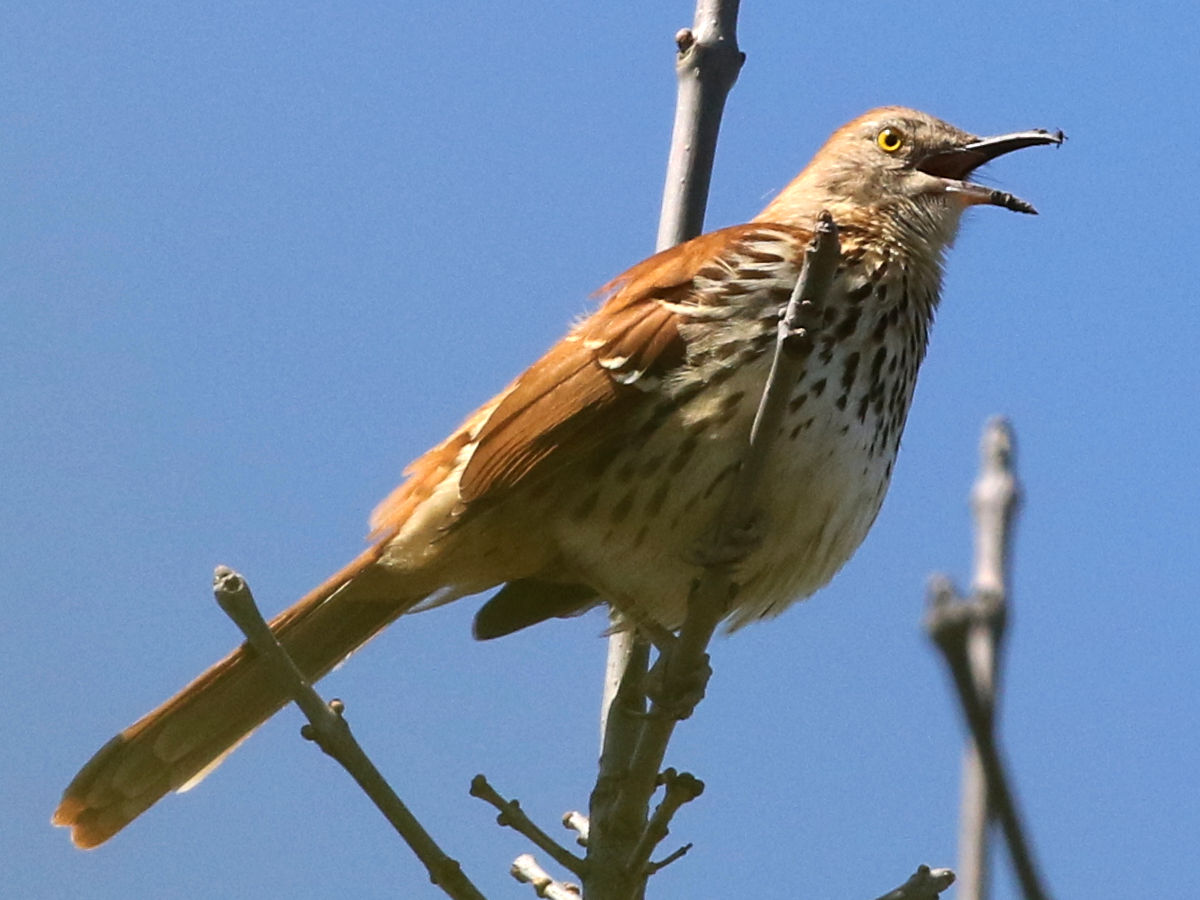
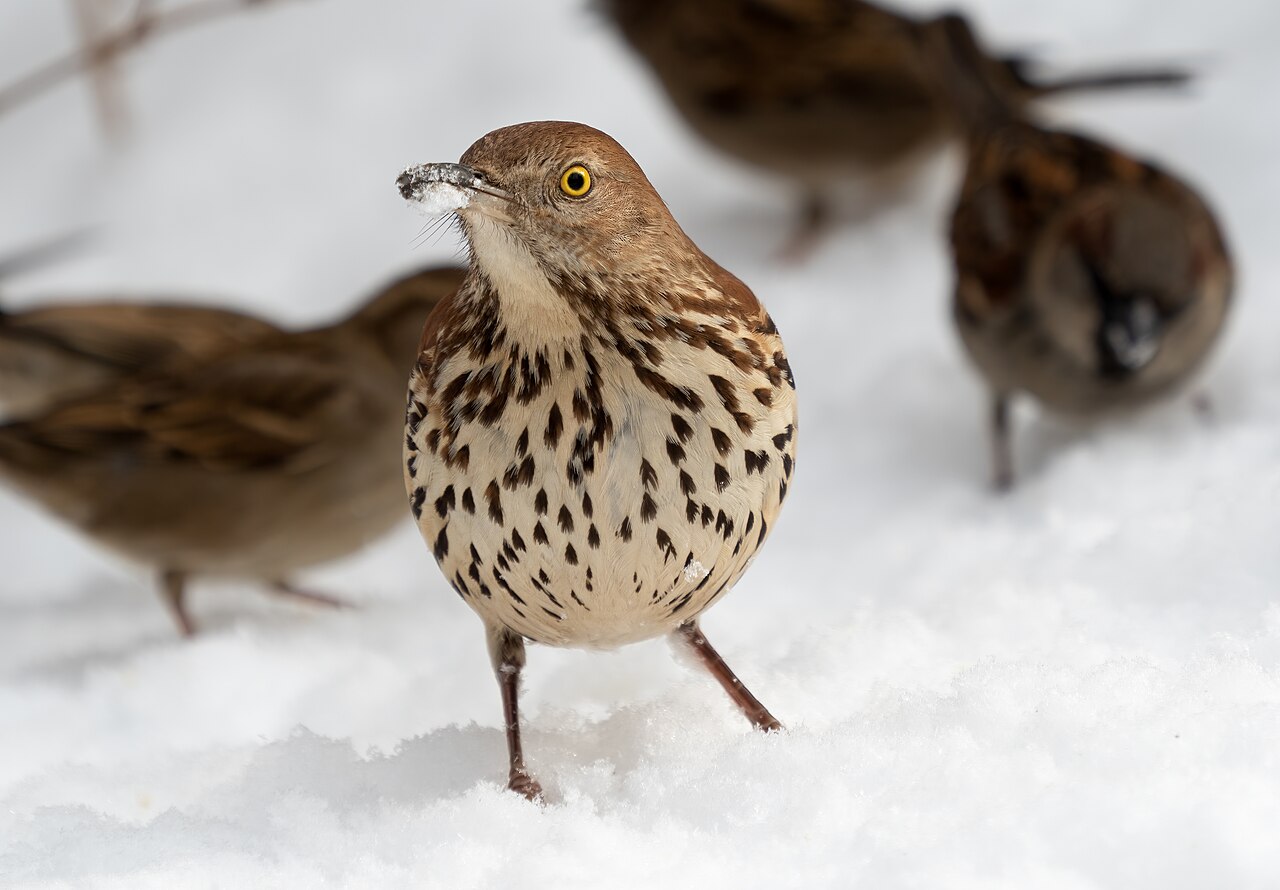
Identify a Brown Thrasher by combining its rufous back, long tail, dark streaks on pale underparts, yellow eyes, slightly curved bill and two pale wingbars; in southern Texas, also compare the similar Long-billed Thrasher.
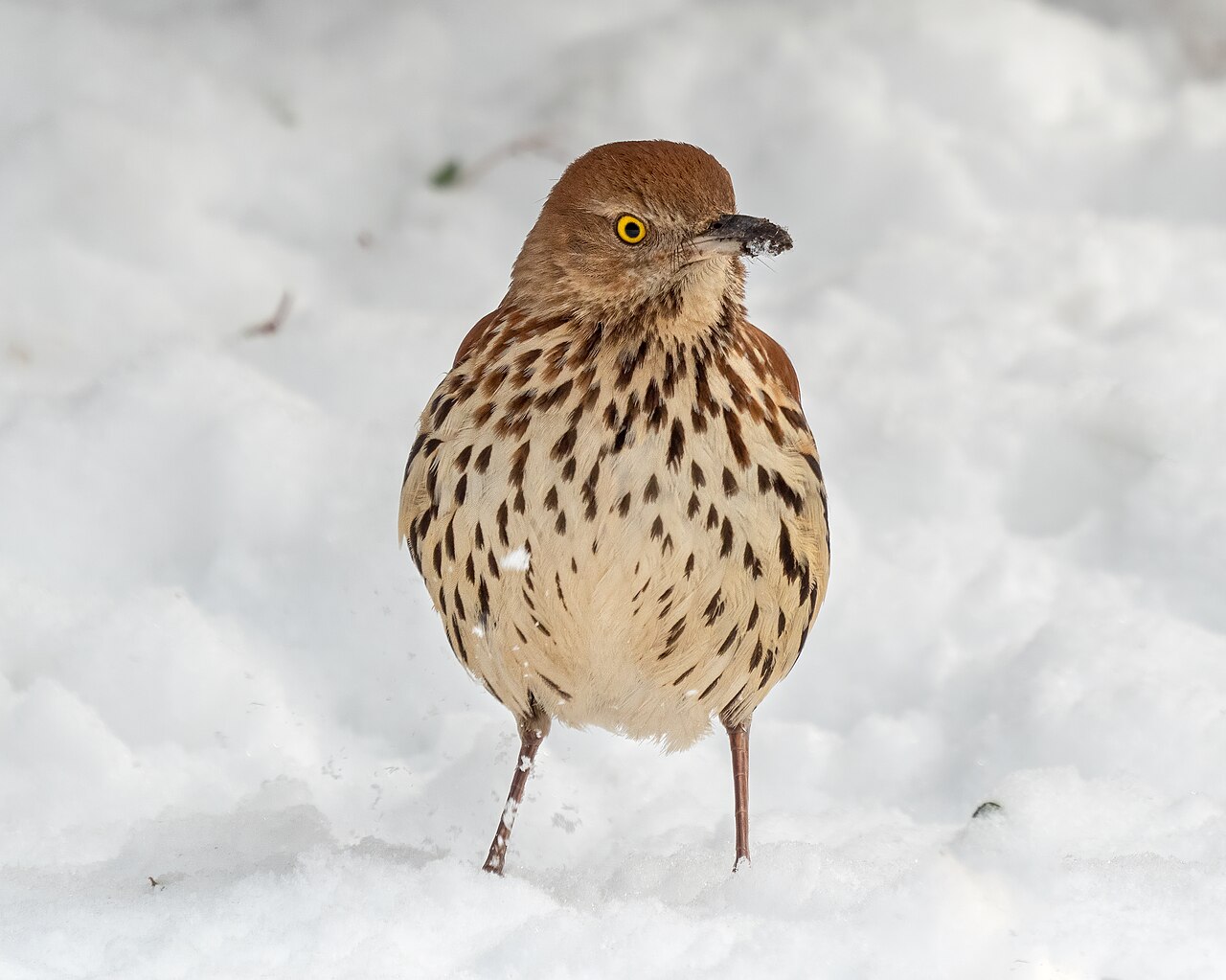
Northern Mockingbirds and Brown Thrashers differ in plumage and song: the mockingbird is gray with plain pale underparts and tends to repeat phrases three or more times, while the rufous, streaked thrasher typically repeats them twice.
Brown birds with white bellies also include the Wood Thrush (Hylocichla mustelina) and many sparrows. Check bill length, eye color and the streak pattern together, never one mark alone.
Brown Thrashers are partial migrants: they remain year round in parts of the southern United States, while most birds in the northern breeding range move south for winter, according to Audubon. Some remain farther north where food and cover are available. A spring return to northern breeding grounds fits the bird’s link with change.
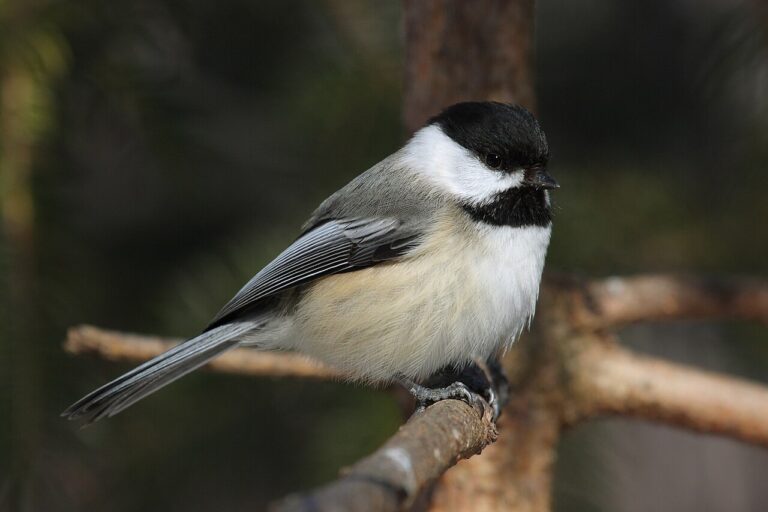
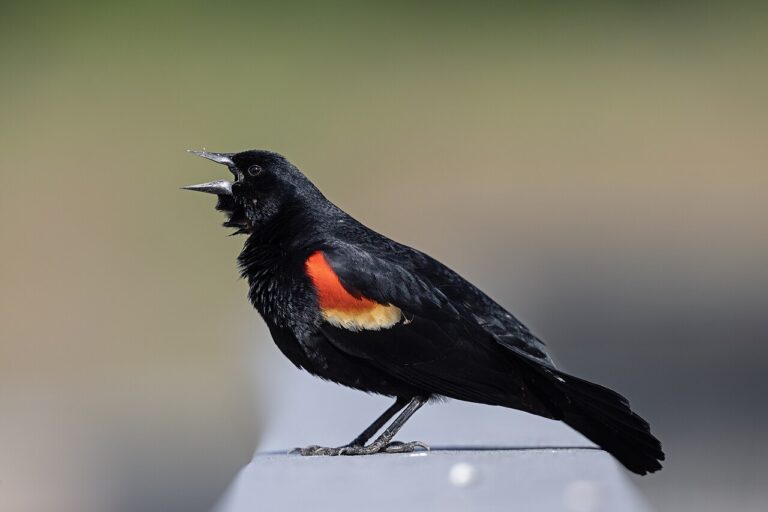
American Goldfinches stand for brightness and American Robins for renewal, while the thrasher joins song with patient attention. Warblers represent alertness, grosbeaks resolve, manakins expressive confidence and blackbirds watchfulness. Whales bring depth, seals playfulness, sharks determination and salmon persistence, contrasting with the thrasher’s attention to what is close at hand.
| Animal | Where it feeds | Contrast with the Brown Thrasher |
|---|---|---|
| Brown Thrasher | Leaf litter under shrubs | Voice joined to hidden work |
| Mouse and squirrel | Ground and leaf litter | Detail and preparation against finding your voice |
| Goldfinch and robin | Open seed heads and lawns | Open cheer against guarded song |
| Warbler, grosbeak, manakin, blackbird | Feeding sites vary by species | Alertness, resolve, confidence and watchfulness against patient expression |
| Whale and seal | Open ocean and coasts | Calls across distance against song at close range |
| Shark and salmon | Open sea and rivers | Silent drive against vocal presence |
Frequently Asked Questions
What kind of bird is brown with a white belly?
Several species match, including the Brown Thrasher, the Wood Thrush and many sparrows. The thrasher shows a rufous back, dark streaks on white to buff underparts, yellow eyes and a long curved bill. A Wood Thrush has round dark spots, dark eyes and a much shorter bill.
What does it mean when a little bird visits you?
A little bird at your window or feeder points to attention and small daily changes. The visit has a practical cause first, such as food, water or shelter close by. Take it as a cue to notice what is growing or shifting in your routine, not as a personal message.
Sources
- All About Birds, Brown Thrasher Overview
- All About Birds, Brown Thrasher Identification
- All About Birds, Brown Thrasher Life History
- Audubon, Brown Thrasher Field Guide