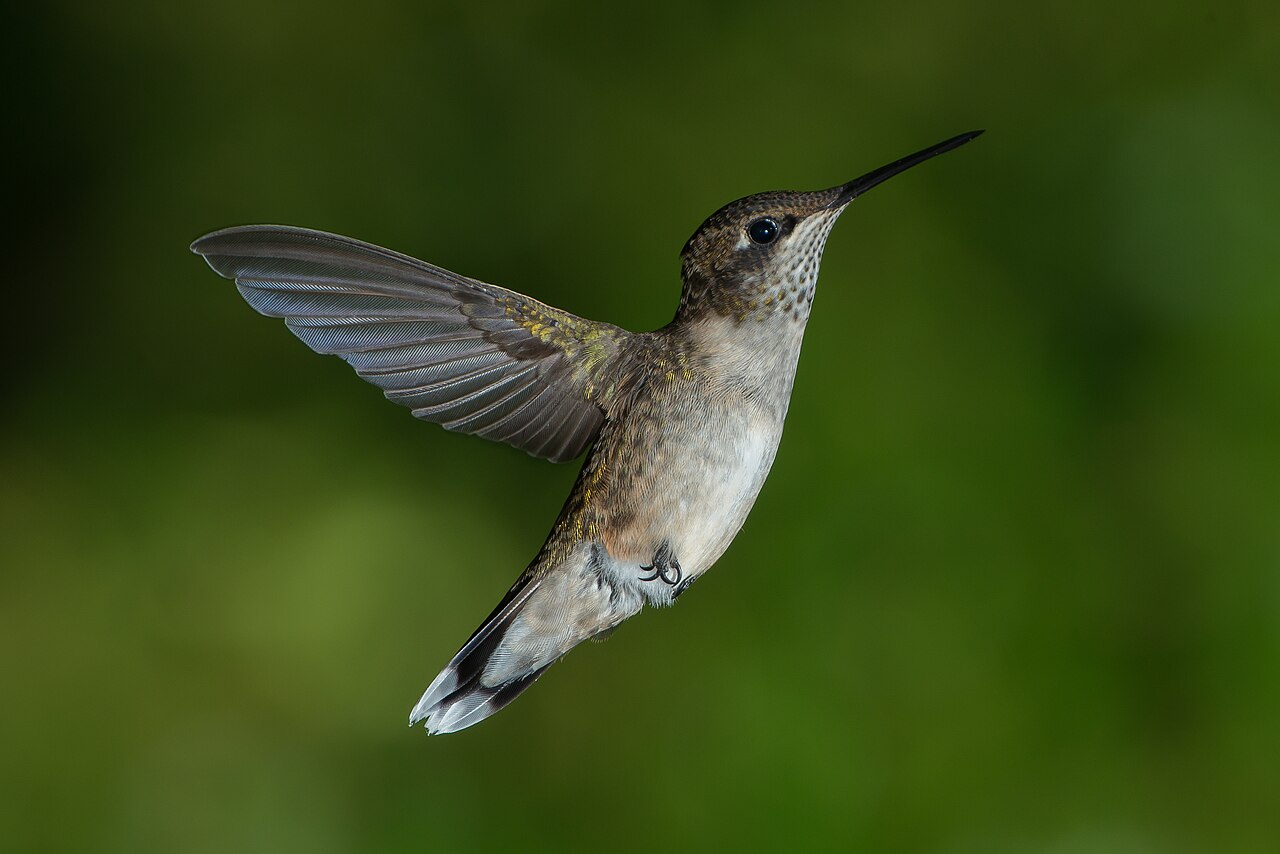
Hummingbird at Night Meaning: Sleep, Torpor and Signs
As a sign, a hummingbird at night points to a pause in a fast life, a reminder that energy has to be restored before it can be spent again. Before you settle on a hummingbird at night meaning, rule out the ordinary causes. Hummingbirds are active by day, so a bird seen after dark is often roosting, sitting in torpor, feeding under a porch light, or not a hummingbird at all.
Torpor matters most for safety. A hummingbird in torpor can look lifeless and may not react when approached. Leave a safely perched, apparently uninjured bird undisturbed. A bird on the ground, visibly injured or caught by a pet needs prompt advice from a licensed wildlife rehabilitator. Once that is clear, the sighting speaks to pace, rest and timing.
Spiritually, a hummingbird at night stands for stillness and renewal, a bird built for speed showing that rest is part of its strength. Seeing one active after dark is unusual because hummingbirds are active by day. A motionless bird may be in torpor, an energy saving state distinct from sleep.
What Does a Hummingbird at Night Mean Spiritually?
A hummingbird at night means stillness and renewal. The bird alternates daytime feeding with perching and rest, and it can conserve energy at night by entering torpor. Seeing it at that hour turns the familiar image around. The message is not speed or joy but recovery, the quiet work that makes the next day possible.
A night sighting carries more weight than a daytime visit because it is out of place. A hummingbird at a feeder at noon is routine. The same bird under a porch light at dusk feels like an exception, and exceptions draw attention. Take it as a prompt to check where you are running on empty and where a pause would help.
Safety comes before meaning. A motionless hummingbird safely perched after dark may be resting or in torpor. Keep your distance and observe again after dawn. If it is injured, grounded or has struck a window, contact a licensed wildlife rehabilitator promptly. Hummingbird dreams work on different terms, because there the bird appears in the mind rather than on your porch.
Is It Rare to See a Hummingbird at Night?
Yes, seeing a hummingbird at night is rare, because hummingbirds are diurnal and feed in daylight. They typically settle onto a perch around dusk and rest through the night, with exceptions such as migration flights and occasional feeding near artificial light. Night reports fall into a few groups. Each has its own explanation.
Artificial light is the first. Hummingbirds can occasionally feed after dark near artificial light, although this is unusual. Migration is the second. Ruby-throated Hummingbirds (Archilochus colubris) cover long distances in spring and fall, and their crossing of the Gulf of Mexico continues through the night.
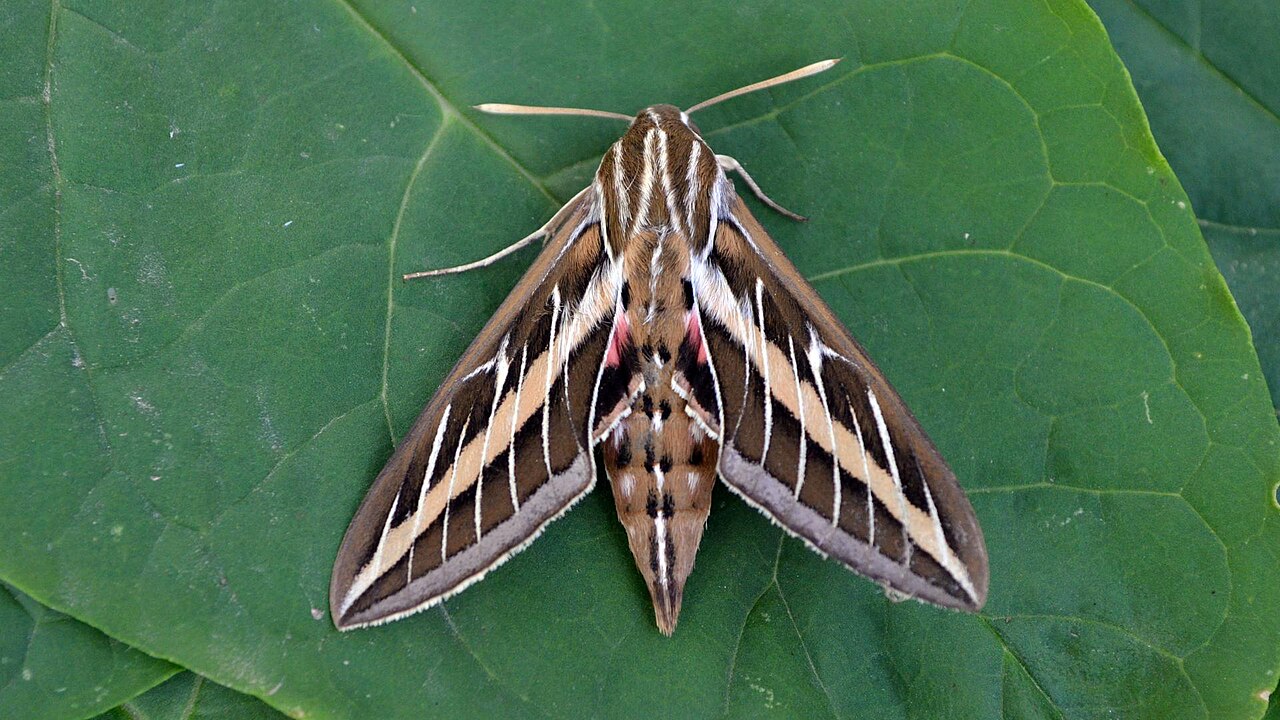
The third group is not a bird. Sphinx moths (family Sphingidae), such as the white-lined sphinx (Hyles lineata), hover at flowers at dusk and after dark with a fast hum. Look for antennae, a thick striped body and no beak. If the visitor fits that picture, the sighting belongs to a moth.
| What you see at night | Explanation | What to do |
|---|---|---|
| Hovering at flowers after dusk, antennae visible | Sphinx moth (Sphingidae) | Enjoy it, no action needed |
| Feeding under a porch light | Hummingbird stretching its day near artificial light | Leave the feeder up, keep pets inside |
| Perched still on a twig, feathers fluffed | Hummingbird settled on its roost | Turn off nearby lights, keep your distance |
| Hanging upside down from a perch | Possible torpor | Leave an apparently uninjured bird undisturbed; seek rehabilitation advice if it is entangled or injured |
| Flying around a lit room | Bird trapped indoors | Turn off fans and keep pets away; offer an open outside exit in daylight and seek rehabilitation advice if it is dark or the bird is weak |
| Lying on the ground below a window | Stunned after a window strike | Shield it from pets, call a wildlife rehabilitator |
How Do Hummingbirds Sleep at Night?
Hummingbirds sleep on sheltered perches at night and may also enter torpor, a state in which body temperature, heart rate and breathing decrease to conserve energy. Torpor is distinct from ordinary sleep, and hummingbirds do not all use it every night, as explained by Cornell’s report on hummingbird torpor. A bird emerging from torpor must rewarm before resuming normal activity.
The roost is a thin twig or branch under cover, out of the wind. The bird grips the perch, fluffs its feathers and pulls its head in. In deep torpor some hummingbirds tip backward and hang upside down. That posture alarms people who find it, but it is a resting bird holding on by its feet.
If you find an apparently uninjured hummingbird resting safely on a perch, do not touch, shake or bring it indoors. Keep pets and children away and observe from a distance after dawn. A healthy bird in torpor generates heat to rewarm and wakes on its own. Seek rehabilitation advice promptly for a grounded or injured bird. Dead hummingbirds carry a separate set of meanings, and a still bird at dawn deserves time before anyone counts it as one.
Is a Motionless Hummingbird in the Morning Dead?
Not necessarily: a motionless hummingbird in the early morning is often still in torpor. It can look lifeless, with closed eyes and fluffed feathers, while it rewarms. Appearance alone does not distinguish normal torpor from injury, so consider whether the bird is safely perched and whether there are signs of an accident.
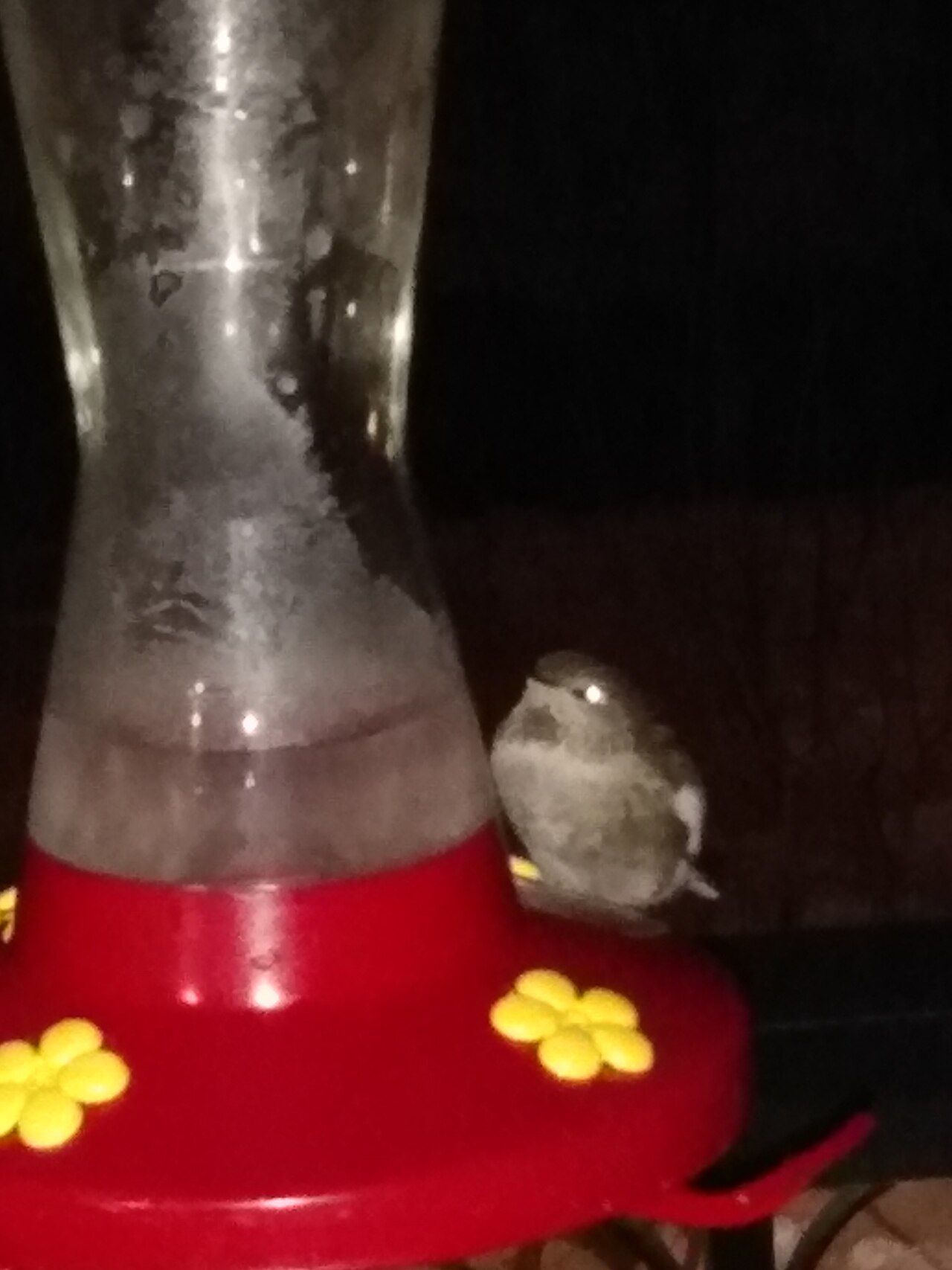
Give a safely perched, apparently uninjured bird time and distance. Watch from a window for signs of waking, such as shivering or head movement, without trying to wake it yourself.
Contact a licensed wildlife rehabilitator promptly if the bird is on the ground, visibly injured, has struck a window or has been caught by a pet. If a perched bird remains unresponsive after dawn and you are unsure whether it is recovering normally, ask a rehabilitator for advice. Follow their instructions rather than feeding it sugar water by hand or keeping it in a box.
What Does It Mean If a Hummingbird Visits You?
A hummingbird visit means joy, lightness and attention to small pleasures. The bird hovers at eye level, inspects you and moves on, and that brief inspection feels personal. It points to a season for enjoying what is in front of you rather than chasing what is far away.
The practical reason is food. Hummingbirds return to reliable nectar, so a feeder, a red tubular flower or a bright shirt draws them in. A visit at the same hour every day reflects routine, and hummingbirds keep routines well. Hummingbirds crossing your path by day hold the fuller set of daytime readings.
Hummingbirds live only in the Americas, so no Bible verse gives them a meaning. Readings of the bird in a Christian frame draw on its traits rather than on Scripture. A visit at the window still works as a reminder to notice small gifts.
A Hummingbird in the House: Meaning and What to Do
A hummingbird in the house needs a safe way out first, and the meaning comes second. Turn off ceiling fans, remove pets and close the doors to other rooms. During daylight, open an outside door or window and dim indoor lights so the exit is easy to see. Hummingbirds often fly upward when trapped, so cover closed windows or skylights that draw the bird away from the exit. If it is dark outside or the bird becomes weak, contact a licensed wildlife rehabilitator for instructions.
Avoid grabbing the bird. Hummingbirds are fragile, and the CDC guidance on birds notes that many wild birds can have the same diseases as pet birds. If the bird is exhausted or cannot leave, contact a licensed wildlife rehabilitator for handling instructions. Wash your hands after any contact. The USDA page on H5N1 avian influenza reports that the virus is present in wild birds worldwide.
Once the bird is out, close the gap it came through, such as a torn screen or a door left ajar. Birds in the house carry their own long list of omens. For a hummingbird, the indoor visit points to a change in routine and a cue to step back from a pace that has you circling without an exit.
What Are a Hummingbird’s Worst Enemies?
Domestic cats are a serious backyard enemy of hummingbirds. Other predators include praying mantises and small raptors such as the sharp-shinned hawk (Accipiter striatus) and American kestrel (Falco sparverius); large spider webs can also trap hummingbirds. Cats ambush birds at feeders and at flowers close to the ground. Mantises wait on feeders and blossoms and grab hummingbirds that come to drink.
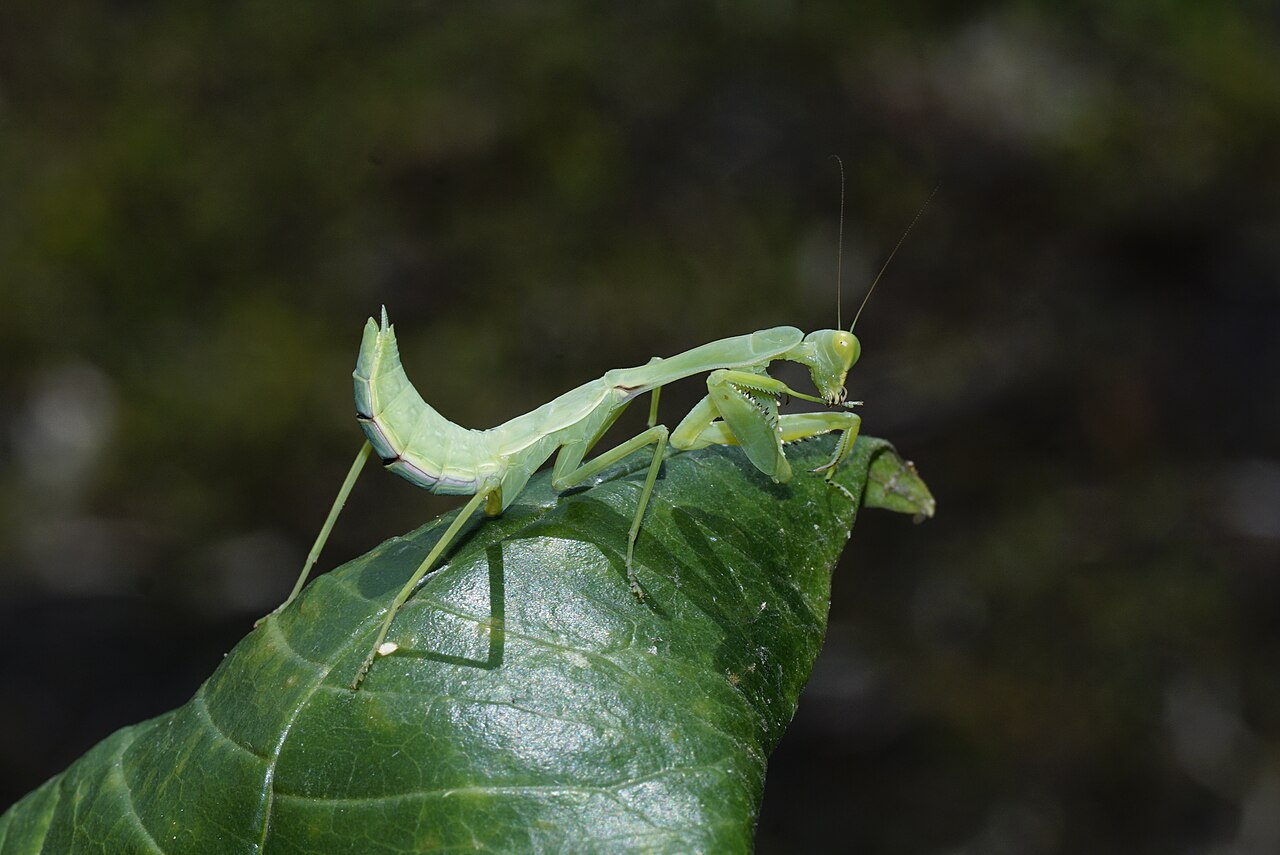
Window glass is a frequent hazard. Hummingbirds see reflected sky and plants as open space and fly into the pane. A stunned bird that lands on the ground is easy prey for a cat.
Protect them by keeping cats indoors and hanging feeders away from shrubs where a cat can hide. Check feeders for mantises and brush away large webs near feeding spots. Clean feeders and replace the nectar before it turns cloudy.
How Do Hummingbirds React to People?
Hummingbirds can become tolerant of people near a familiar feeder, although individual birds differ. Some continue feeding while a person sits quietly nearby; others keep their distance.
A hummingbird may tolerate a quiet voice, but continued feeding does not establish that it enjoys being spoken to. Speak softly, avoid sudden movements and give it more space if it retreats.
Let the bird set the distance. Sit still, keep your hands low and wait. Some hummingbirds hover close to inspect a red cap or shirt, then return to the feeder.
Frequently Asked Questions
What does the hummingbird symbolize?
The hummingbird symbolizes joy, endurance and the balance between effort and rest. It hovers in place, flies backward and feeds all day, so it stands for energy spent with purpose. At night it adds a second theme, recovery, because the bird survives the dark by slowing down.
What is hummingbird energy?
Hummingbird energy describes quick, bright and focused effort, the kind that gets a lot done in short bursts. The bird’s rapid wingbeats and frequent feeding supply the image. The image carries a warning too. That pace only works when it is paired with deep rest.
When God sends you a hummingbird?
A hummingbird visit received as a gift from God points to care, hope and gratitude. The Bible does not mention hummingbirds or assign them a message. The bird at your window offers a picture of attention to small gifts and daily needs.
Should you leave a hummingbird feeder out at night?
Yes, leaving a hummingbird feeder out overnight is fine. Hummingbirds do little feeding after dark, but they drink at first light, and a full feeder is ready for them. Clean the feeder and replace the nectar regularly, more often in hot weather, before the nectar turns cloudy.
Do hummingbirds migrate at night?
Yes, some hummingbirds keep flying through the night during migration. Many Ruby-throated Hummingbirds cross the Gulf of Mexico in a single nonstop flight, and that crossing does not pause at sunset. Over land, they travel in shorter hops and refuel at flowers and feeders along the way.
Do hummingbirds like it when you talk to them?
A hummingbird may tolerate quiet talking, but that does not show it enjoys being spoken to. Some birds continue feeding near a person speaking softly, while others move away. Keep your voice low, avoid sudden movements and let the bird choose its distance.
Sources
- Centers for Disease Control and Prevention, Healthy Pets: Birds
- USDA Animal and Plant Health Inspection Service, H5N1 Highly Pathogenic Avian Influenza
- Cornell Lab of Ornithology, All About Birds: Ruby-throated Hummingbird Overview