What Do Ravens Eat? Complete Diet Guide
Ravens are omnivorous scavengers that eat carrion, small animals, insects, grains, and more. Learn their full diet, how they forage, and how they differ from crows.
Every guide on The Faunalist in one archive. Browse identification help, species profiles, feeding advice, and regional birding guides for North American backyards.
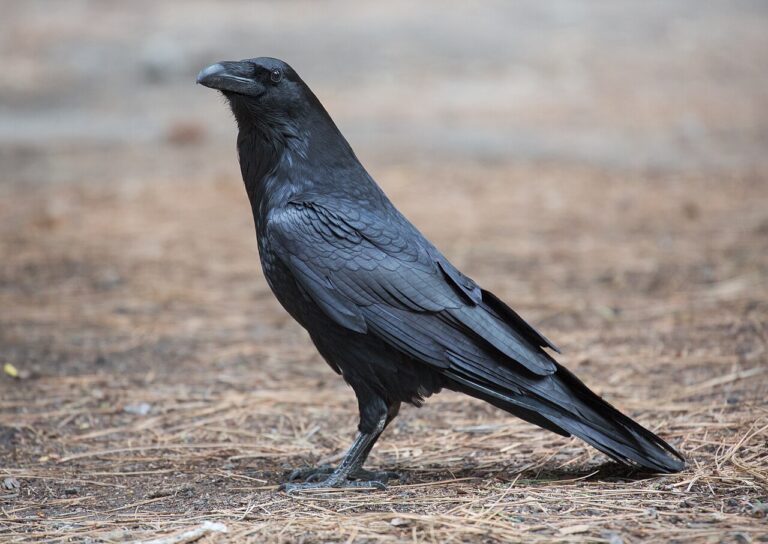
Ravens are omnivorous scavengers that eat carrion, small animals, insects, grains, and more. Learn their full diet, how they forage, and how they differ from crows.
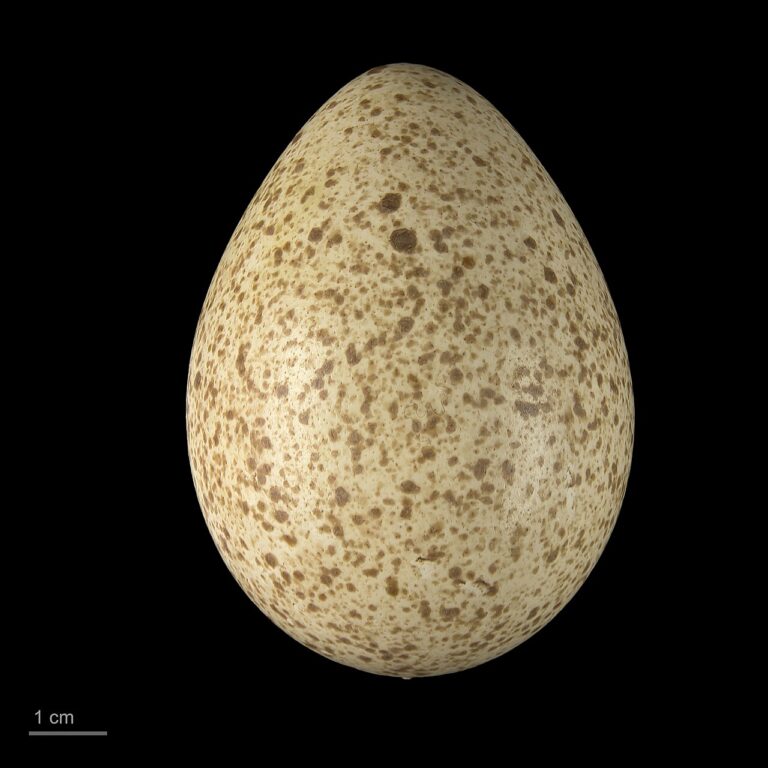
Wild turkeys are omnivores that eat acorns, nuts, seeds, berries, and insects. Learn their full diet, how they forage, what poults eat, and seasonal changes.
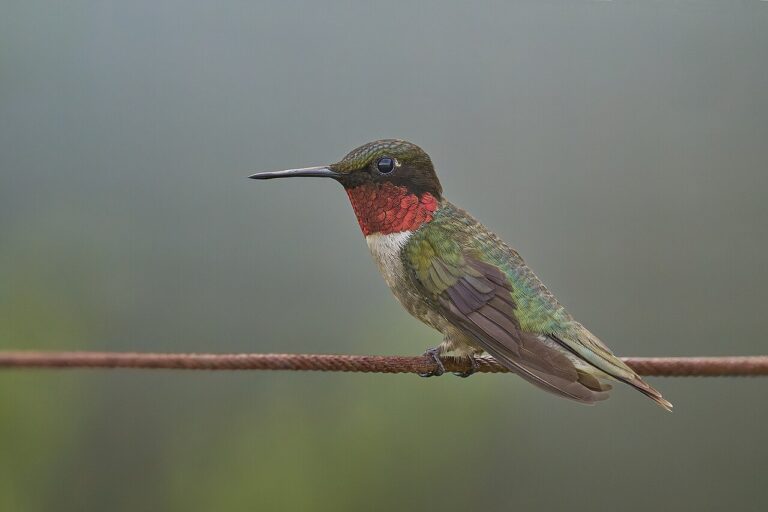
Hummingbird symbolism means joy, resilience, and living in the present. Here is its spiritual meaning, its role across cultures, and what a hummingbird feather means.
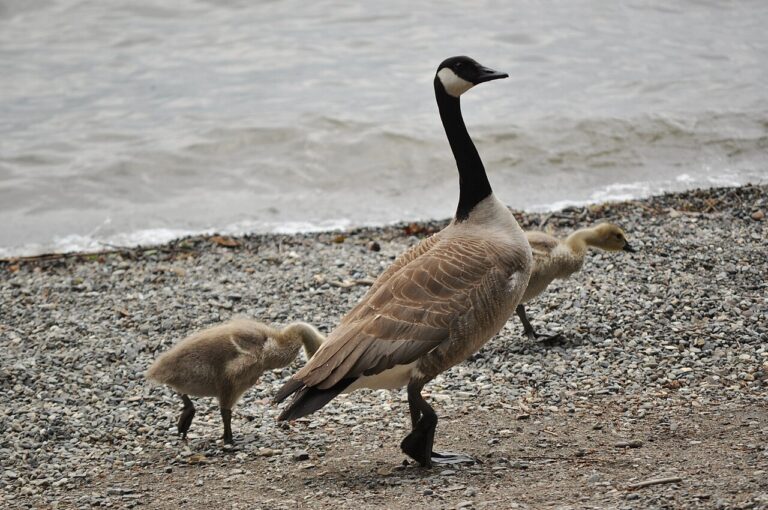
Geese are grazers that eat grasses, aquatic plants, grains, and seeds. Learn their full diet, what goslings eat, and healthy foods to feed geese instead of bread.
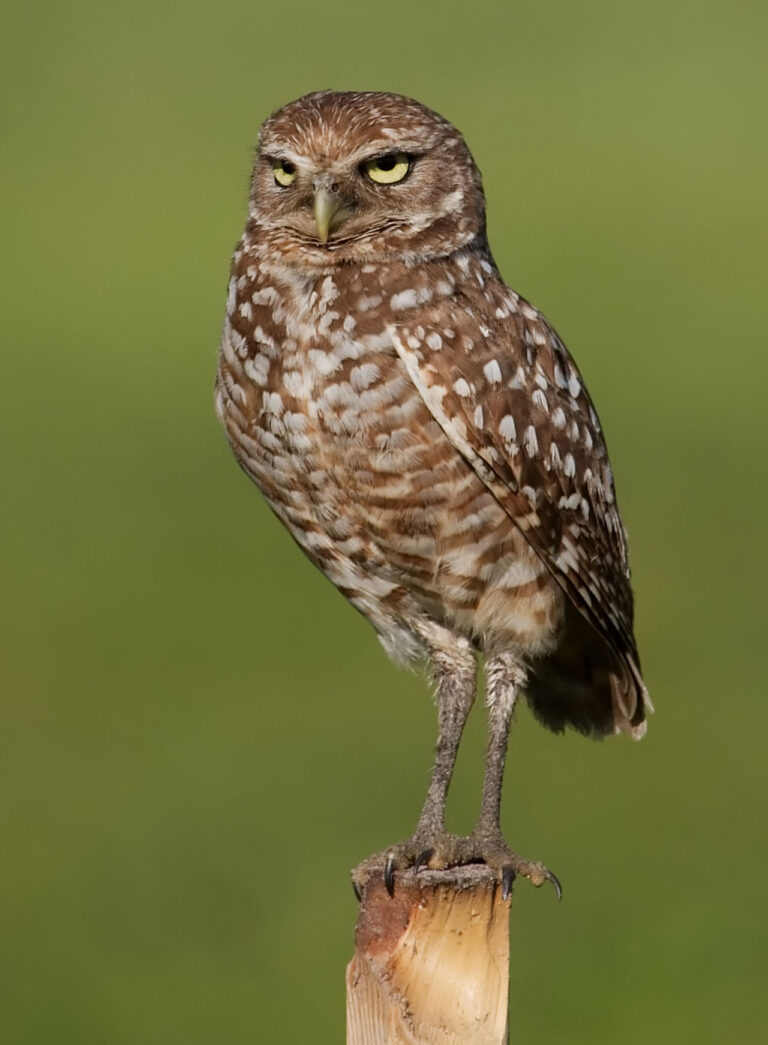
Owls are carnivores that eat mice, voles, birds, insects, and more. Learn their full diet, how they hunt, what owl pellets reveal, and what baby owls eat.
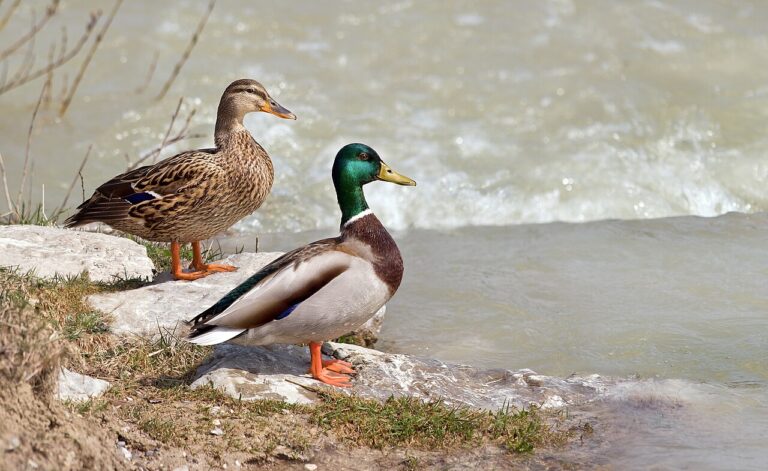
Ducks are omnivores that eat aquatic plants, seeds, insects, and more. Learn their full diet, what ducklings eat, and healthy foods to feed ducks instead of bread.
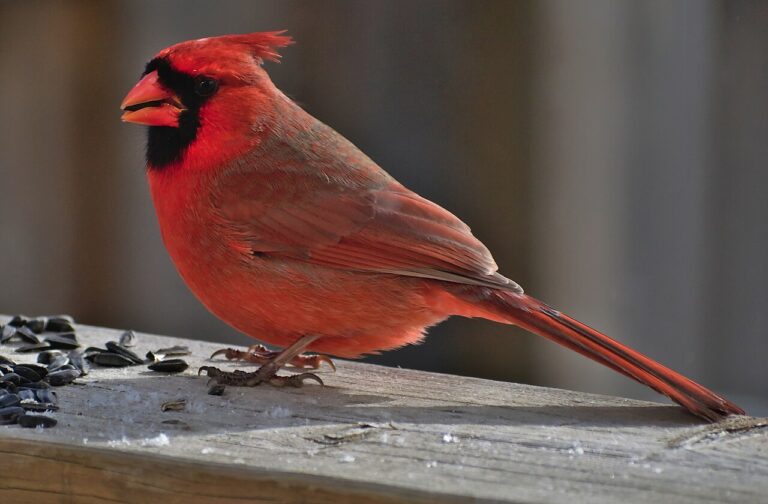
Seeing a cardinal often means a departed loved one is near, with messages of hope, faith, and love. Here is the red cardinal’s spiritual meaning and what it signifies.
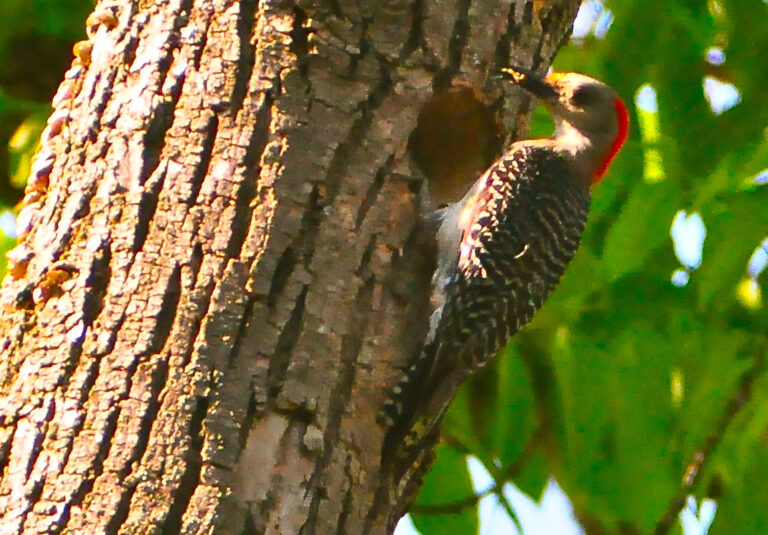
Woodpeckers eat mainly insects, plus nuts, seeds, berries, and sap. Learn their full diet, how they dig out food, and what to feed them at feeders.
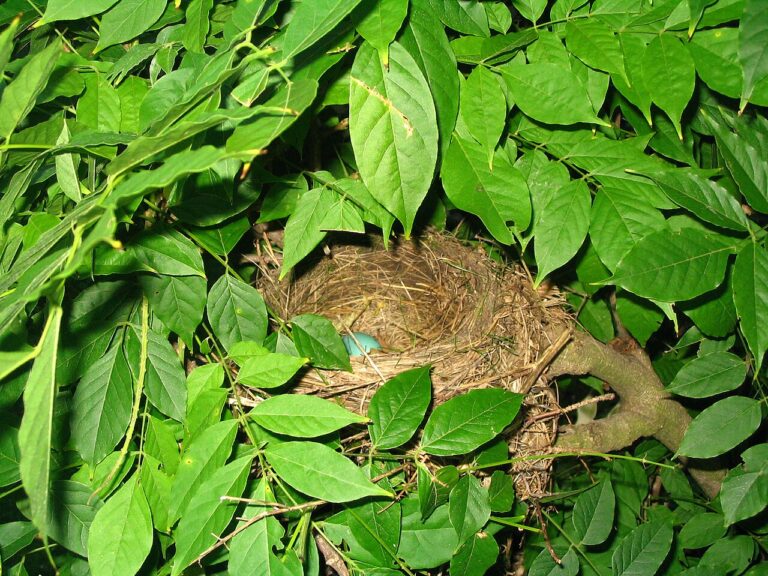
Robin eggs are blue thanks to a pigment called biliverdin. Here is why the color evolved, what it means, how many eggs robins lay, and how they hatch.
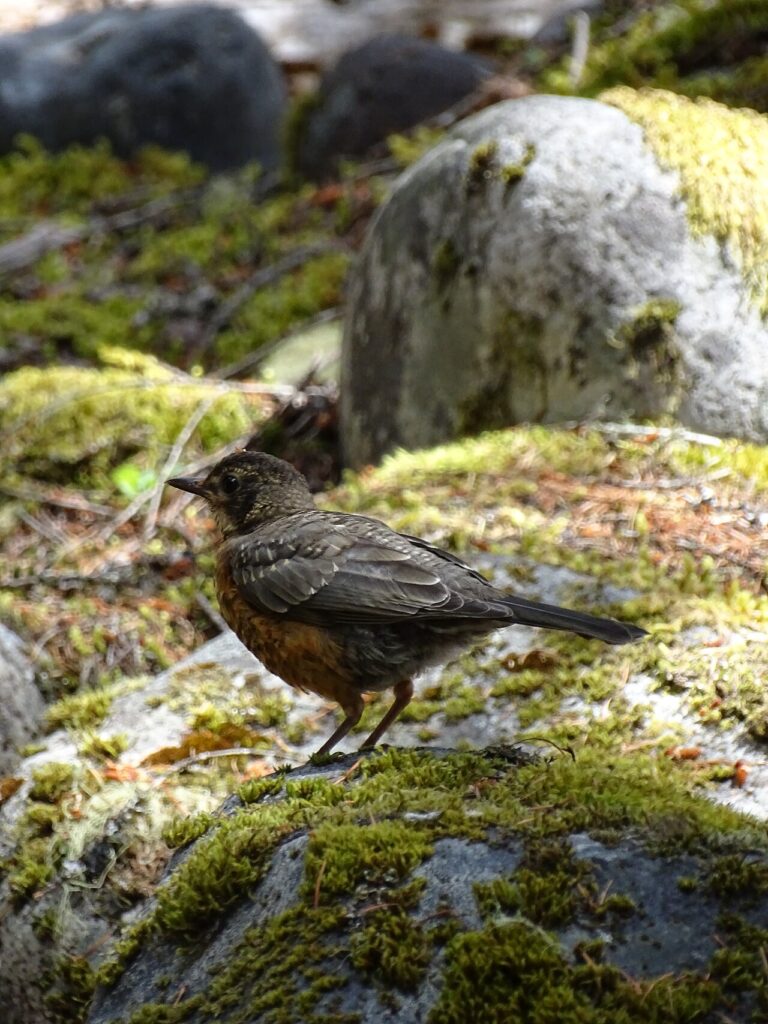
What a baby robin looks like at each stage, what they eat, and exactly what to do if you find one on the ground, from spotted fledgling to orange-breasted juvenile.