Peacock Droppings: What’s Normal and When to Worry
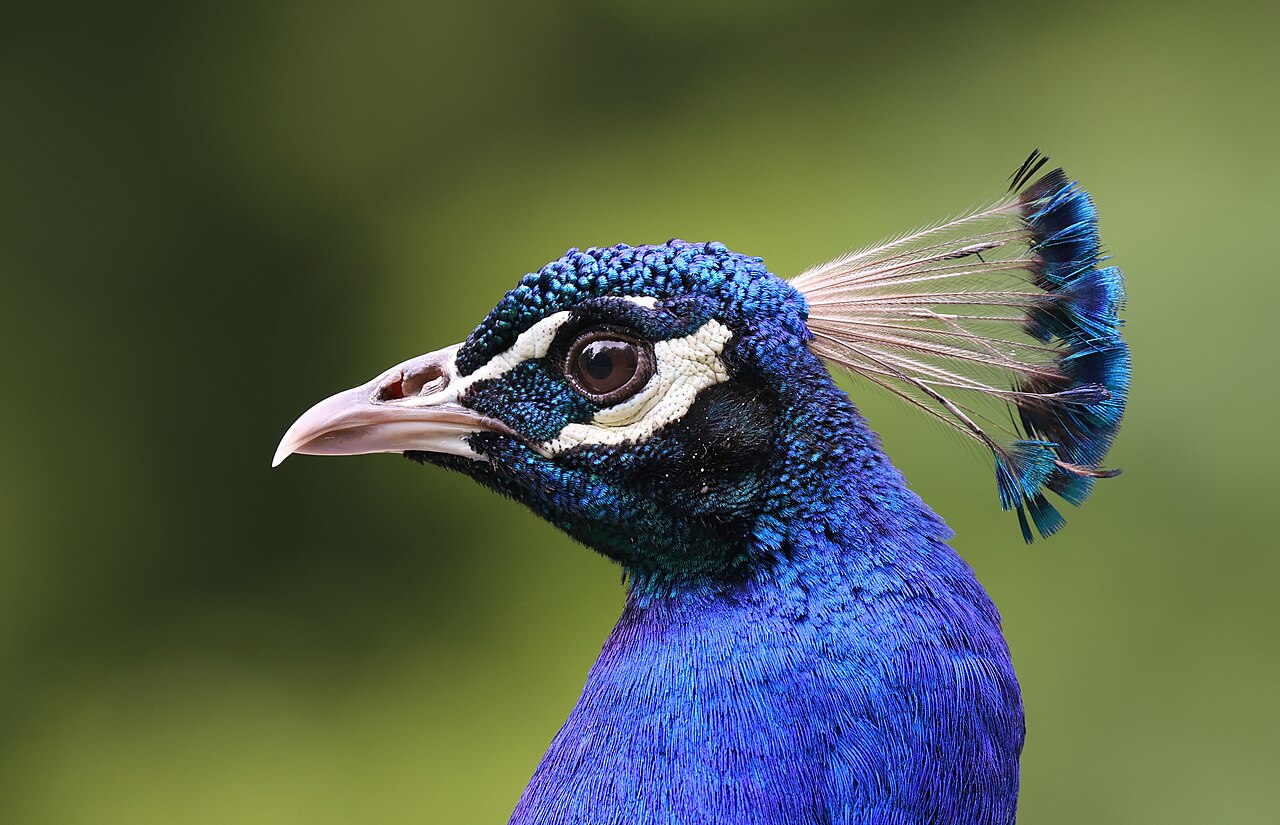
Peacock droppings are firm green to brown coils with a white cap on top, and a healthy bird leaves them in small piles under its favorite roost. Indian peafowl (Pavo cristatus) wander through yards and roost on roofs, fences, and cars, so people often find the droppings before they see the bird.
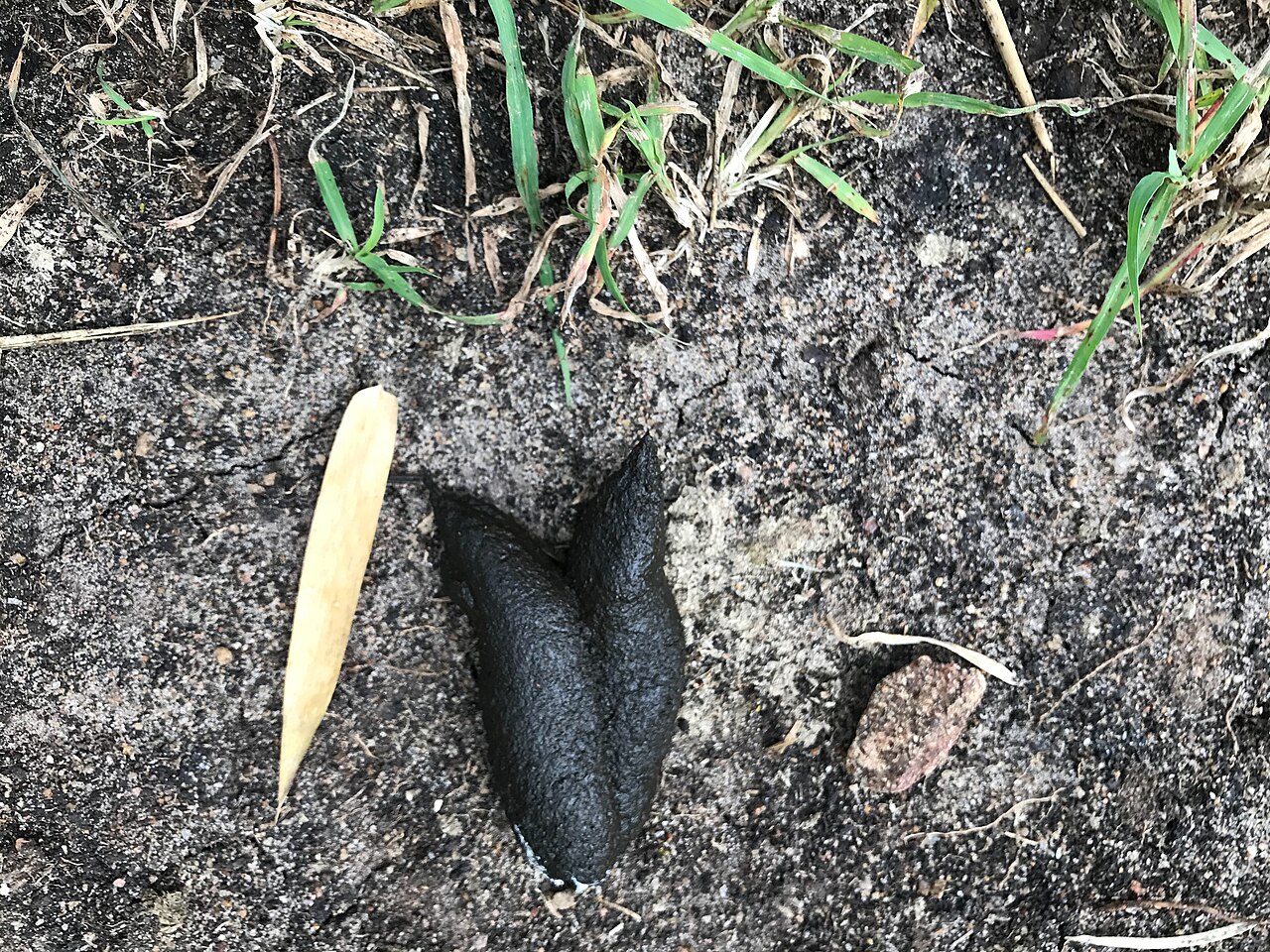
Healthy peacock droppings are firm, coiled, and dark green to brown, with a white cap of urates, the bird’s urine. Occasional pasty, dark cecal droppings are normal. Blood, worms, yellow or green urates, or watery droppings lasting days typically point to illness. For people, the risk is dried droppings, so wet them before cleanup.
What Do Peacock Droppings Look Like?
A normal peacock dropping is a firm log or coil, dark green to brown, topped with a white cap. The white part is urates, the bird’s urine in solid form. It is not calcium, and it is not seeds. Most bird droppings share this build, because feces and urine leave the body together through one opening, the cloaca.
Peafowl are larger birds than chickens, and their droppings are larger to match. Chicken droppings follow the same coil and cap pattern on a smaller scale.
Guinea fowl droppings follow the same pattern too. Peahens leave droppings that typically look similar to a male’s, though a peacock’s may be somewhat larger.
Peafowl sleep high, so droppings collect in clusters on roofs, fence tops, branches, and car hoods. Peacock calls at dusk reveal where the birds settle, and that spot is where the mess builds up.
Now and then a peacock passes a cecal dropping. It is pasty, dark or yellowish, and smells far worse than the regular coil. It comes from the ceca, two pouches in the gut that empty from time to time. This is normal digestion, not diarrhea.
Normal vs Abnormal Peacock Droppings and Warning Signs
Normal droppings change color with diet, while blood, worms, yellow or green urates, and lasting diarrhea are warning signs. Fresh greens push the color toward bright green, and insects darken it. Red or purple berries can tint a dropping, so look for red streaks together with other signs before you worry. Peacocks eat plants, seeds, insects, and small animals, so a color shift from one day to the next means little.
A day of watery droppings is usually not a crisis, for example after juicy greens or a hot day. If it lasts more than a day or two, watch the bird more closely.
| Feature | Normal | Warning sign |
|---|---|---|
| Consistency | Firm log or coil | Watery for several days |
| Color | Dark green to brown, shifts with diet | Red streaks or blood |
| Urates | White, chalky cap | Yellow or green |
| Contents | Digested plant matter | Visible worms |
| Bird behavior | Active, feeding, alert | Lethargic, fluffed feathers |
If abnormal droppings last more than two days, or the bird also sits still with fluffed feathers or stops eating, call an avian vet for your own bird, or a local wildlife rehabilitator or animal control for a free-roaming one.
Are Peacock Droppings Dangerous? Health Risks and Safe Cleanup
Peacock droppings can make people sick, mainly when dried droppings turn to dust and you breathe it in. The CDC names Histoplasma, a fungus found in soil and in bird and bat droppings, as a cause of lung infections when people inhale its spores. Psittacosis spreads the same way, through dust from dried bird droppings. Birds that look healthy can still shed the bacteria.
Campylobacter spreads mostly through raw or undercooked poultry and other contaminated food or water, but people can also catch it by touching animals or their poop, or cages, coops, and other places animals live. The CDC estimates that nearly 1.9 million people in the US get sick from Campylobacter every year.
Clean up wet, not dry. Spray the droppings with a light mist of water first (a hard jet makes spores airborne), wear gloves, and scrape them into a bag. Never dry-sweep or use a leaf blower, because both throw dust into the air. For a large or old dried pile under a roost, also wear an N95 or better respirator, or hire a professional. On a car, lay a wet cloth over the dropping for a few minutes and lift it off instead of wiping, so grit does not scratch the clear coat. If a bird hits your skin or clothes, wash with soap and water and move on.
Frequently Asked Questions
Why are there peacock droppings in my yard?
Usually because a free-roaming peafowl now roosts nearby. Feral flocks live in parts of California, Florida, and Hawaii, and a bird that finds food and a high perch keeps returning to the same roof or tree every night.
Can you get bird flu from peacock droppings?
Yes, if the bird is infected. Feces from infected birds can transmit bird flu, so droppings are one possible route. The CDC rates the risk to the general public as currently low. Do not touch a sick or dead peafowl; report it to your state wildlife agency.
How soon would psittacosis symptoms show after cleaning up bird droppings?
Symptoms start 5 to 14 days after exposure for most people. Tell your doctor that you cleaned up bird droppings, since that detail guides testing. With antibiotic treatment, fewer than 1 in 100 cases are fatal. Typical signs are fever, chills, headache, muscle aches, and a dry cough.
Sources
- CDC, Histoplasmosis
- CDC, About Psittacosis
- CDC, About Campylobacter Infection
- CDC, How Bird Flu Spreads
- Illinois Department of Public Health, Histoplasmosis
Explore more: Animal Poop Identification: A Field Guide by Species