Baby Lizard in Your House: Why It Appears and What to Do
A baby lizard is a young lizard; one newly emerged from an egg is called a hatchling. Some species give birth to live young. Depending on your location, a small lizard indoors could be a skink, anole, fence lizard, or gecko. Babies generally resemble miniature adults, but their colors can differ. Size alone does not prove that a lizard is a baby.
Common house geckos, anoles, skinks, and fence lizards are not venomous, but they can bite if handled roughly. The southwestern United States also has venomous Gila monsters. Identify an unfamiliar lizard before attempting to move it; keep your distance and contact local wildlife services if you suspect a Gila monster.
A baby lizard may enter your house through gaps while seeking insects or shelter. Common house geckos, anoles, skinks, and fence lizards are not venomous. Identify it first, then guide a familiar local species into a cup, release it in nearby cover, and wash your hands with soap and water.
How to Identify a Baby Lizard
Identify a baby lizard by its tail, toes, skin, and geographic location. A juvenile five-lined skink (Plestiodon fasciatus) has a glossy black body with pale stripes and a bright blue tail. The examples below are not a nationwide identification key: in Southern California, western fence lizards and side-blotched lizards are common babies to encounter.
Green anoles (Anolis carolinensis) and brown anoles (Anolis sagrei) are slender, with pointed snouts and sticky toe pads. Eastern fence lizards (Sceloporus undulatus) look rough and gray. Mediterranean house geckos (Hemidactylus turcicus) are pale and bumpy and hunt on walls near lights after dark.
| Lizard | What the hatchling looks like | Where it shows up |
|---|---|---|
| Five-lined skink | Shiny black with pale stripes and an electric blue tail | Garages, basements, ground floors |
| Green anole | Slim, green or brown, shifts shade with mood and temperature | Windowsills and potted plants near doors |
| Brown anole | Brown with a pale pattern down the back | Patios and screened porches in the Southeast |
| Eastern fence lizard | Gray brown, rough scales, dark wavy bands | Door thresholds near woodpiles and fences |
| Mediterranean house gecko | Pale, almost see-through, bumpy skin, large eyes | Walls and ceilings near porch lights at night |
Why Baby Lizards Appear in Your House
Baby lizards can enter your house through gaps while seeking food or shelter. Seasonal hatching can increase sightings, but its timing varies by species and climate. A hatchling may fit under a door or through a torn screen. Lizards such as anoles and house geckos eat small invertebrates, so insects and spiders indoors can provide food.
A baby lizard inside may indicate an entry gap, but one sighting does not establish how many lizards are present. Look for droppings near where you found it. Lizard poop and rat poop differ: lizard droppings often have a white urate tip.
If you find a healthy baby of a familiar local species outdoors, leave it alone. Indoors, guide it into a cup with a card and release it in nearby outdoor cover. Avoid bare-handed handling. Never grab the tail, because many lizards shed it to escape. The CDC states that even healthy reptiles can carry Salmonella. Wash your hands with soap and water after contact with the lizard or its container. Children younger than 5 should not touch reptiles or their environments.
Frog poop and lizard poop may both occur on patios and porches, so droppings there do not automatically identify the animal you saw.
How to Keep Lizards Out of Your House and Bed
Keep lizards out by closing the gaps they use and cutting the insects they hunt. Seal cracks around doors, windows, pipes, and vents, and fit a sweep to the bottom of exterior doors. Repair torn screens. Switch porch lights to yellow bulbs or turn them off at night, so fewer insects gather by the door.
Keep food out of the bedroom and vacuum dead insects from windowsills. Reducing insects and clutter makes the room less attractive, but cleanliness alone will not keep lizards out.
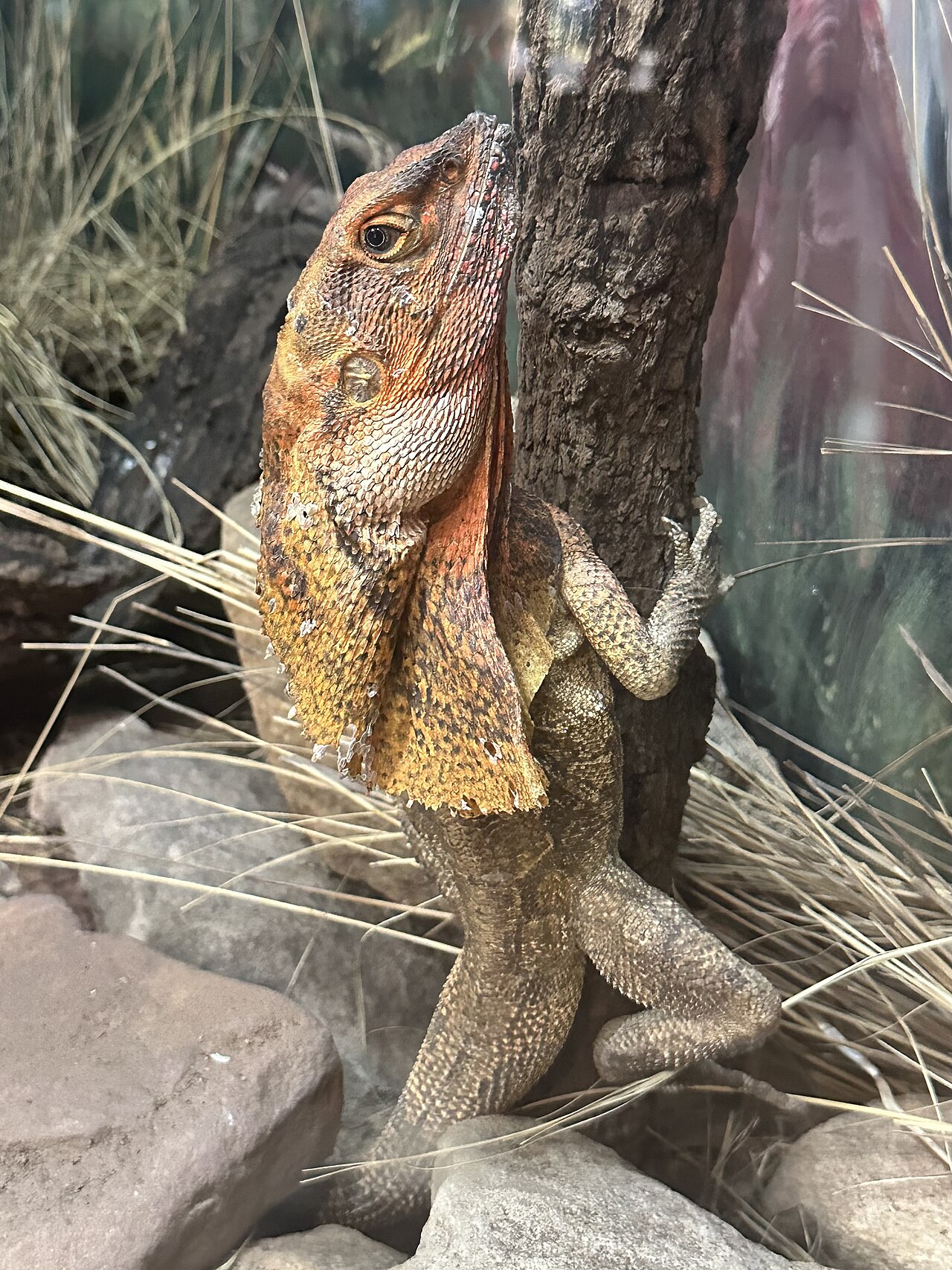
You can keep a baby lizard as a pet if it is legally obtained and you can meet its species-specific needs. Choose a captive-bred animal rather than keeping the wild baby you found, and check local wildlife rules. Crested geckos need appropriate temperature, humidity, UVB lighting, and a suitable diet.
Monitor lizards sit at the other end of the scale and suit experienced keepers with room for a large enclosure. Whatever you keep, wash your hands after every feeding and cleaning.
Frequently Asked Questions
Where do little lizards go at night?
Day-active little lizards usually shelter overnight in places such as wall cracks, gaps under bark, woodpiles, and leaf litter. Their activity depends partly on environmental temperature. Nocturnal species, including Mediterranean house geckos, may instead be hunting on walls near lights after dark.
What smell do lizards hate the most?
Science has not identified a smell that reliably keeps lizards away. Pepper spray, vinegar, garlic, and eggshells circulate as home remedies, but little evidence supports any of them. Sealing gaps around doors and windows blocks entry routes; reducing insects addresses a potential food source.
Will a lizard crawl in my bed?
Yes, a lizard can crawl onto a bed if it gets into the room. Moving the bed away from the wall and keeping bedding off the floor removes some access routes, but does not guarantee exclusion. Seal entry gaps and repair screens to keep lizards out of the bedroom.
Sources