Green Beetle Spiritual Meaning: Signs and Symbolism
As a sign, a green beetle points to steady growth. The beetle brings persistence and transformation, and green adds renewal, so the pairing stands for change that takes root and lasts. That is the core of the green beetle spiritual meaning, whether the insect lands on your sleeve or turns up on a windowsill.
Green beetles are not one group. A Japanese beetle (Popillia japonica) on a rose, a six-spotted tiger beetle (Cicindela sexguttata) on a sandy trail and an emerald ash borer (Agrilus planipennis) on firewood belong to different families. The species changes both the meaning and the risk.
Spiritually, a green beetle stands for persistence, transformation and renewal. The beetle’s armored body and complete metamorphosis point to endurance and change, and green adds growth and a fresh start. Most green beetles are harmless to people, but Japanese beetles strip garden plants and blister beetles carry cantharidin, a skin irritant.
Green Beetle Spiritual Meaning: What It Signals
The beetle stands for endurance and transformation. It develops from an egg through a larval stage and a pupa into an adult. Larval habitats vary by species, and not every adult beetle can fly. That full metamorphosis makes the beetle an image of change that happens out of sight and finishes on its own schedule. Its hard wing covers add the second theme, protection and staying power.
Green turns that message toward growth. A green beetle on a plant points to something that develops slowly and steadily, like a project, a recovery or a new habit that has started to hold. The color shifts the emphasis from survival to renewal. Where a black beetle leans toward protection and endings, a green one leans toward a fresh start.
Beetle symbolism rests on the same pair of ideas, persistence and rebirth. The green beetle adds one layer to it, the promise that the change is alive and growing. Take the sighting as encouragement to keep going with what is already underway, not as a call to start over.
Green Beetle Meanings at a Glance
Each part of the green beetle symbol has its own root, from insect biology to scripture.
| Element | Meaning | Root |
|---|---|---|
| The beetle | Endurance, transformation | Complete metamorphosis through larval and pupal stages |
| The color green | Growth, renewal | New leaves and returning plant life |
| Sacred scarab | Rebirth, the rising sun | Ancient Egyptian god Khepri |
| Heart scarab | Protection of the heart at judgment | Egyptian burial practice, Book of the Dead |
| Green garments | Reward in paradise | Quran 18:31 |
| Jewel beetle wings | Iridescent decoration of a Buddhist shrine | Tamamushi Shrine, Hōryū-ji, Japan |
What the Color Green Symbolizes Spiritually
Green symbolizes renewal, growth and life returning after a dry or dark season. It is the color of new leaves, so it carries the idea of a fresh start that is already in motion. It also brings matters of the heart into the reading, including compassion and emotional renewal. In a sighting, green turns the message toward recovery and expansion rather than loss.
Ancient Egypt tied green to rebirth. Osiris, god of the dead and of regrowth, appears with green skin in tomb paintings, a picture of vegetation returning after the Nile flood. Green stone amulets carried the same promise of new life into the grave.
In Islam, green belongs to paradise. Quran 18:31 describes the people of the gardens wearing green garments of fine silk and brocade. In that verse, green marks reward and rest after a life of faith.
Beetles in Named Traditions: Egyptian Scarab and Japanese Jewel Beetle
Ancient Egyptian religion connected scarabs with rebirth, as described by LACMA, while Japanese Buddhist craftsmanship used jewel beetle wings to decorate a shrine. In Egypt, the sacred scarab (Scarabaeus sacer) rolls a ball of dung across the ground, and Egyptians linked that image to Khepri, the scarab-headed god who pushes the sun into the sky each morning. The beetle became a sign of rebirth and of each new day.
The sacred scarab is a dung beetle, and it is black, not green. Green enters through the amulets. Heart scarabs, placed over the heart of a mummy, were often carved from green stone and inscribed with a spell from the Book of the Dead. The spell asks the heart not to speak against its owner when the gods weigh it.
In Japan, the Tamamushi Shrine at Hōryū-ji in Nara takes its name from the jewel beetle, tamamushi (Chrysochroa fulgidissima). Its iridescent wing covers decorated the shrine beneath openwork metal fittings, as described by the Japan Tourism Agency.
What the Bible Says About Beetles
The King James Bible names the beetle once, as food. Leviticus 11:22 lists “the beetle after his kind” among the insects the Israelites were allowed to eat, next to the locust, the bald locust and the grasshopper.
Modern translations render the Hebrew word differently. The ESV and the NIV give it as cricket, so the beetle drops out of most current Bibles. The verse belongs to a food law, not to a passage of signs or visions.
No verse gives a beetle of any color a spiritual meaning. Green beetle symbolism draws on color and on the insect’s life cycle, not on scripture.
When a Green Beetle Lands on You or Enters Your Home
A green beetle that lands on you points to growth that reaches you personally. Beetles land on people by accident, and that chance meeting is part of the sign. It arrives without being called. Beetle landings carry the theme of a message delivered at close range.
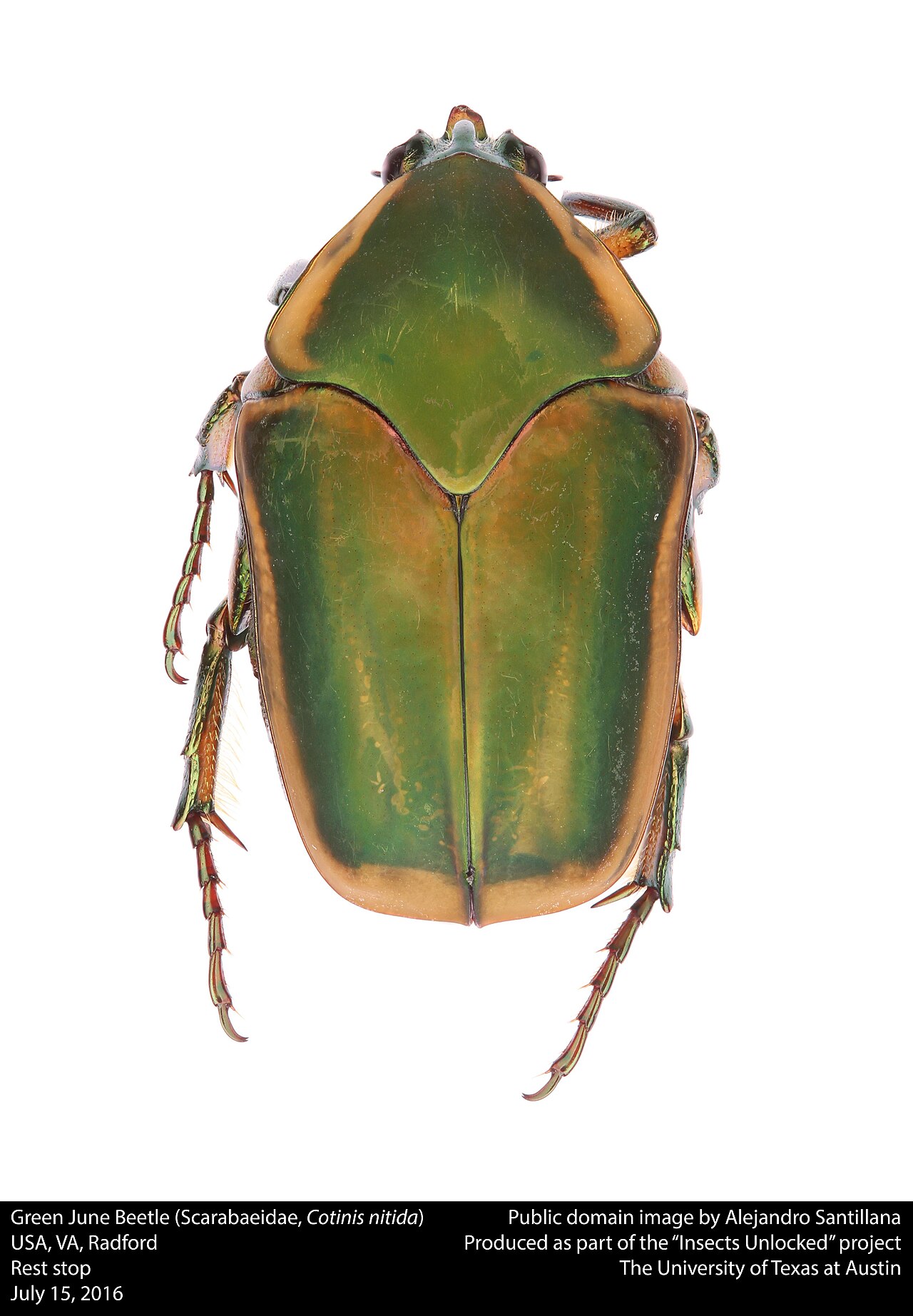
A green beetle inside the house brings the growth theme indoors, toward home, family and daily routines. Depending on the species, it may enter through an opening, be attracted to light or arrive on plants or firewood. A beetle in the house points to change in home life and personal routines.
Repeated sightings strengthen the message. Three green beetles in one week point to a change that keeps asking for attention. In midsummer, many sightings simply reflect the Japanese beetle flight season, so count them as a sign only when they stand out. Seeing a beetle on the path ahead adds direction, a nudge to move forward with what is already growing.
Are Green Beetles Harmful?
Most green beetles are harmless to people when left alone. Beetles have no stinger, but some species can bite defensively if handled, including tiger beetles. Blister beetles pose a different risk through their irritating body fluid, so avoid handling an unidentified beetle with bare hands.
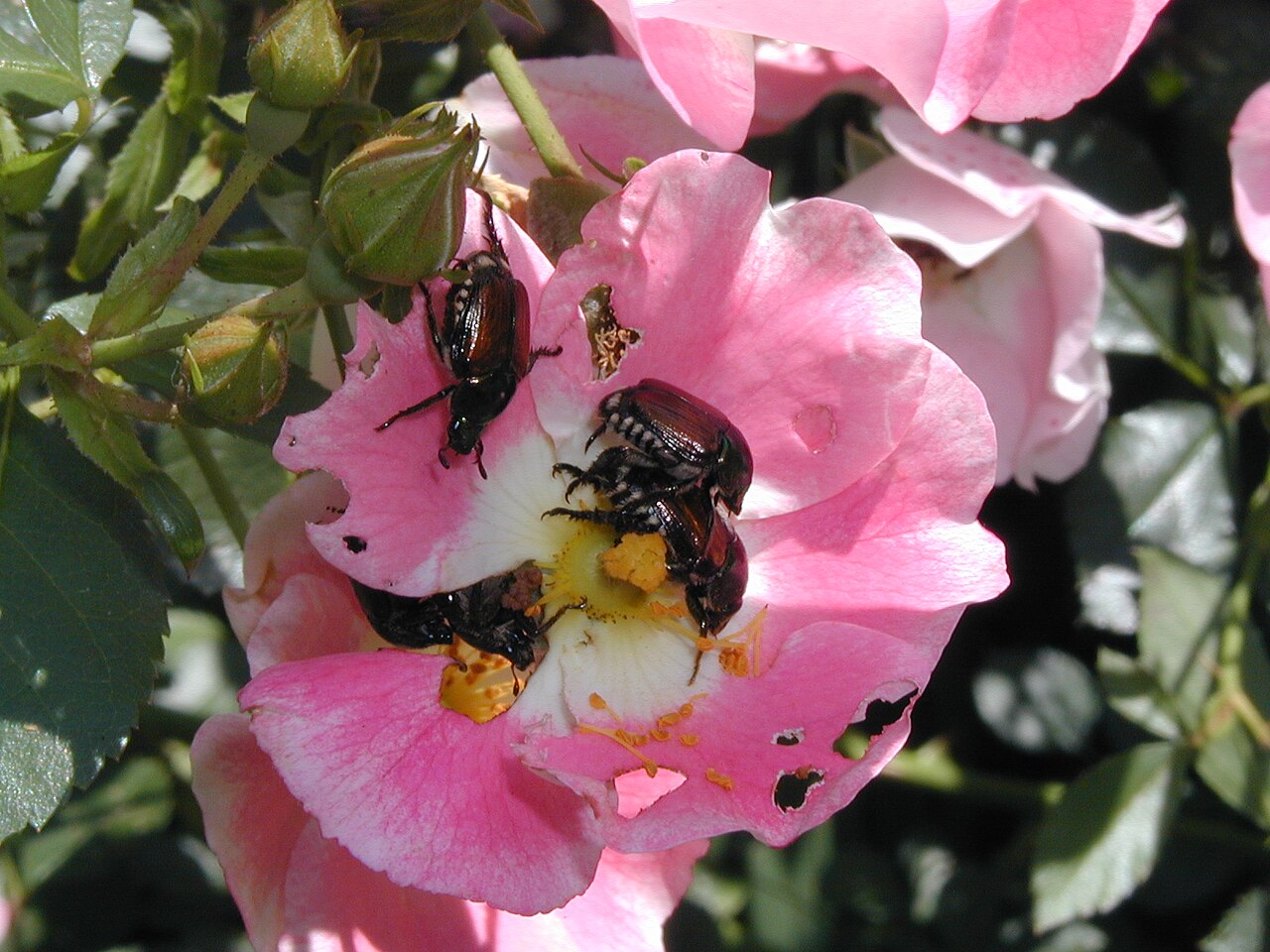
The real harm falls on plants. The Japanese beetle feeds on more than 300 plant species, according to the University of Minnesota Extension, and adults skeletonize leaves until only the veins remain. Its grubs feed on grass roots under lawns. The emerald ash borer does worse, because its larvae tunnel under the bark of ash trees and kill them.
Blister beetles, including oil beetles, contain cantharidin, which can blister skin when their body fluid contacts it. Horses can be poisoned by blister beetles in alfalfa hay. Oil beetles can also harm dogs that touch or eat them, as explained by an entomologist at Ask Extension. Avoid crushing them against your skin and keep pets from mouthing them.
Common Green Beetles You May Be Seeing
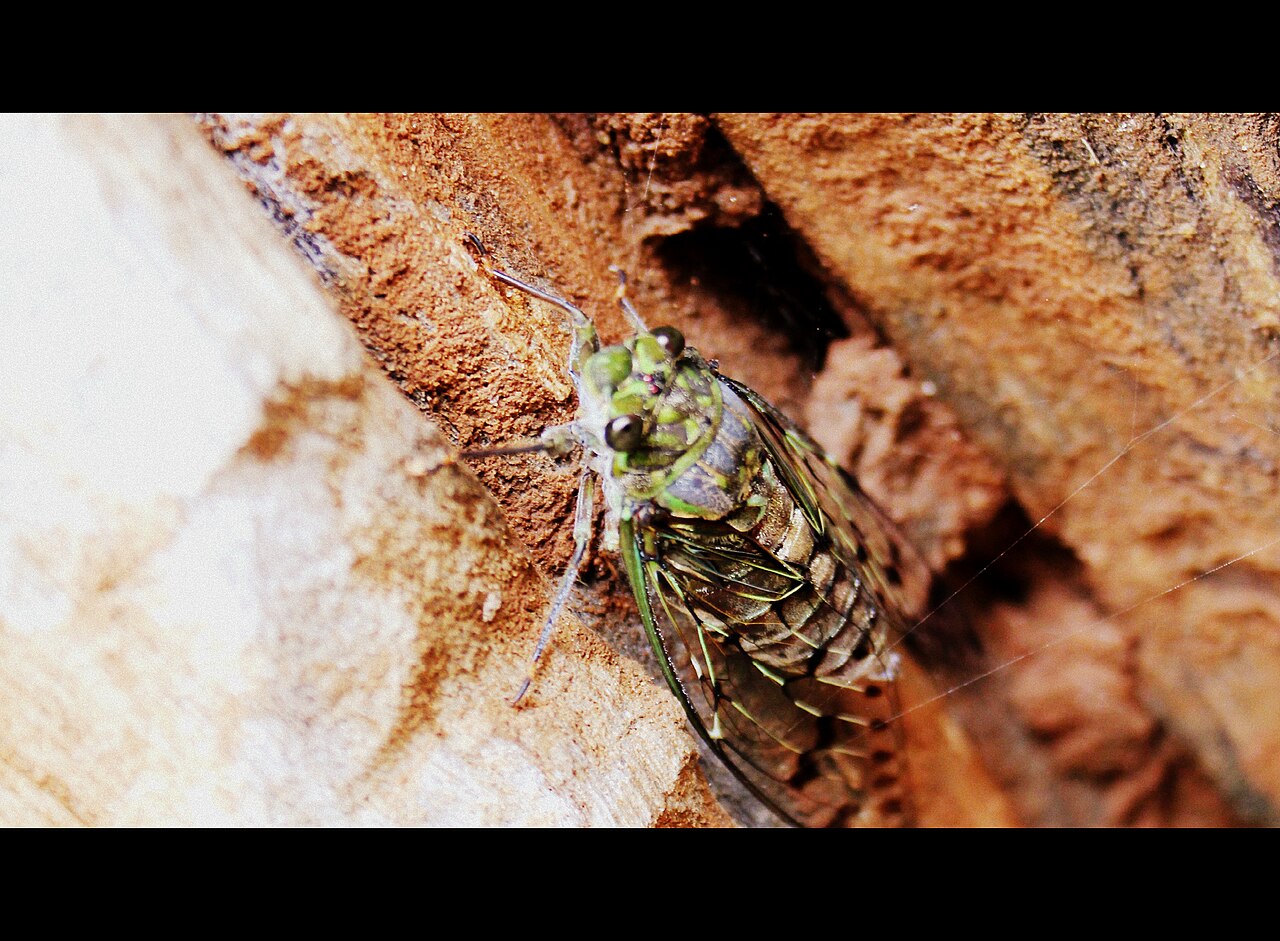
These green beetles turn up often in US yards and gardens. The Japanese beetle is metallic green with copper wing covers and small white tufts of hair along its sides. The green June beetle (Cotinis nitida) is larger and duller green with tan edges, and it buzzes low over lawns in summer. The emerald ash borer is narrow, bright metallic green and about 1/2 inch (13 mm) long. The six-spotted tiger beetle is shiny green with white dots and sprints across sunny paths.
Red and black beetles also need to be identified by species; their colors alone do not establish whether they are harmful.
Frequently Asked Questions
Is a green beetle the same as a scarab?
Yes, in some cases. Japanese beetles and green June beetles belong to the scarab family, Scarabaeidae. The sacred scarab of ancient Egypt, Scarabaeus sacer, is a black dung beetle, though. Green stone scarabs in museum collections are carved amulets; the stone’s color does not identify the beetle species represented.
Can green beetles bite?
Yes. Some green beetles can bite defensively, including tiger beetles if picked up. Japanese beetles and green June beetles do not typically injure people. Beetles have no stinger, but blister beetles can irritate skin through cantharidin, so avoid handling an unidentified beetle with bare hands.
Why are some beetles iridescent green?
Iridescent green comes from structure, not pigment. Thin, stacked layers in the beetle’s outer shell reflect light so that certain wavelengths reinforce each other, and the color shifts as you change the viewing angle. The same effect keeps jewel beetle wings shining long after the insect dies.
How do you keep green beetles off plants?
Identify the species first, since predatory tiger beetles do not need plant-pest control. For Japanese beetles, knock adults into a bucket of soapy water, as recommended by the University of Minnesota Extension. Avoid Japanese beetle traps near plants, because their lures can draw in more beetles than they catch. Fine netting can exclude feeding beetles, but it also excludes pollinators.
Are Japanese beetles native to the United States?
No. Japanese beetles come from Japan and were first found in the United States in New Jersey in 1916. They have since spread across much of the eastern half of the country, where few natural enemies hold their numbers down.
Do green beetles damage trees?
Yes, the emerald ash borer does. Its larvae feed in tunnels under the bark and cut off the flow of water and nutrients, which kills infested ash trees. Japanese beetles also chew the leaves of trees such as linden and birch, but leaf feeding does far less harm than the borer’s tunnels.
Sources
- University of Minnesota Extension, Japanese beetles
- University of Wisconsin Extension, Equine Toxicity Concerns due to Blister Beetles
- Quran.com, Surah Al-Kahf 18:31
- Bible Gateway, Leviticus 11:22 (KJV)
Explore more: Insect Spiritual Meanings: 15 Bugs and What They Signal