Earwig Bite
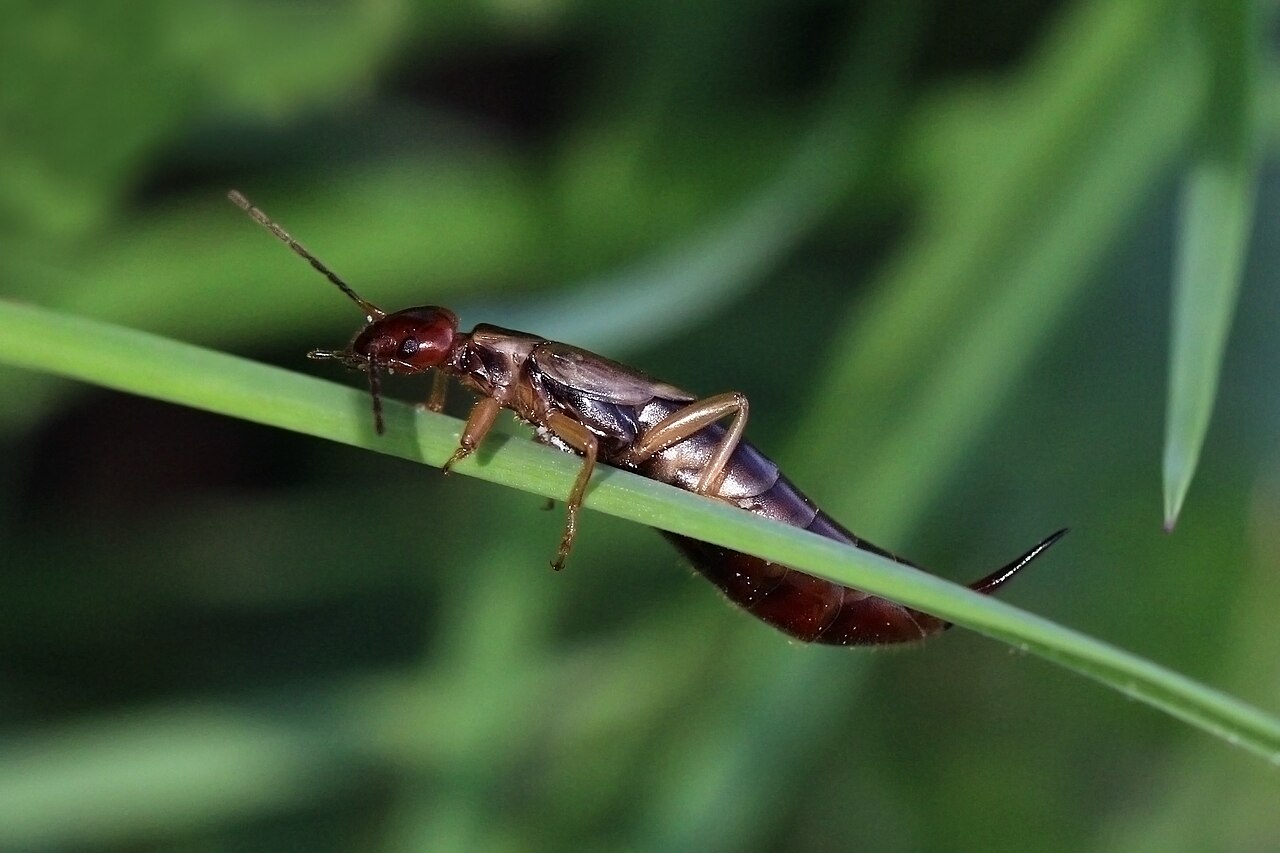
What people call an “earwig bite” is almost always actually a pinch from the insect’s forceps-like pincers, not a genuine bite in the way that term is normally used for insects. Earwigs lack the mouthparts needed to bite in any meaningful way, and their pincers, technically called cerci, are used defensively only when the insect is handled or feels trapped against skin with no other way to escape.
The pinch itself is far more startling than painful, rarely breaks the skin, and carries no venom, making earwigs one of the most misunderstood and unfairly feared insects found around homes and gardens across the country.
| Quick Reference | Detail |
|---|---|
| Order | Dermaptera |
| Defense Structure | Forceps-like cerci (pincers), not true jaws |
| Venom | None; earwigs are not venomous |
| Pinch Severity | Mild, startling, rarely breaks skin |
| Male vs. Female | Male cerci strongly curved; female cerci nearly straight |
| Common Myth | Crawling into ears to lay eggs; completely false |
Do Earwigs Bite?
Earwigs do not bite in the way most people picture, and understanding why clears up most of the fear surrounding these otherwise harmless insects. They lack the kind of chewing or piercing mouthparts insects normally use to break skin, and their intimidating pincers at the rear of the abdomen work more like a pair of tweezers than a mouth. When an earwig feels threatened or is picked up, it may pinch defensively with these cerci, but this is fundamentally different from a bite in both mechanism and severity.
According to entomologists at Penn State Extension, earwigs use their pincers mainly as protective weapons and, secondarily, to help capture small prey, not as a tool aimed at people in any deliberate or targeted way. Genuine encounters where an earwig pinches a person are uncommon, since these insects generally prefer to avoid contact entirely and only resort to their pincers as an absolute last resort when they feel they have no other way to escape a threat.
What Does an Earwig Pinch Feel Like?
Most people describe an earwig pinch as more startling than painful, a brief pressure sensation followed by mild surprise rather than genuine pain of any real intensity. Larger males, whose pincers can grow considerably longer and more strongly curved than a female’s, are capable of a firmer pinch, though even this rarely breaks the skin or leaves any lasting mark behind afterward.
On the rare occasion skin does break, the result typically looks like two small red marks spaced closely together, sometimes with slight swelling or redness that fades within a day or two on its own. Because earwigs live in soil and organic debris, any break in the skin is worth cleaning promptly, simply as a routine precaution against introducing soil-borne bacteria rather than because of anything specific to the earwig itself. Most people who experience a pinch report forgetting about it entirely within a few hours, a far cry from the lingering discomfort of a bee sting or mosquito bite that can persist for days afterward.
Male vs. Female Earwig Forceps: How to Tell Them Apart
The shape of an earwig’s cerci is actually the easiest, most reliable way to determine its sex at a glance, far more useful than trying to judge subtle color or size differences that vary considerably from one individual to the next. Male earwigs have noticeably curved, more heavily built forceps, while females have straighter, more slender cerci that curve only slightly if at all.
This isn’t just a cosmetic difference: male forceps play a direct role in courtship and in physical contests between rival males competing for mates, with research showing that males sporting longer, more impressive forceps tend to win more fights and mating opportunities. Females primarily use their straighter cerci for defense and, in an unusual twist for insects, to help protect and tend their eggs during the earliest stages of development, a dual purpose that highlights just how differently the same basic body part can function between the sexes. Scientists studying earwig forceps have even found that males with longer pincers tend to be more aggressive overall, suggesting the trait may signal broader physical condition beyond just fighting ability alone.
The Earwig-in-Your-Ear Myth: Where It Came From
The name “earwig” itself comes from an old superstition, tracing back to the Old English words for “ear” and “insect,” rooted in a persistent medieval belief that these insects would crawl into a sleeping person’s ear and burrow into the brain. This alarming image stuck around for centuries and still fuels genuine anxiety for people who encounter one indoors, decades after entomologists thoroughly debunked it.
In reality, earwigs have no biological drive or ability to seek out human ears specifically, and there is no credible evidence they ever bore into skin or brain tissue. While any small insect could theoretically wander into an ear canal by pure accident, this is exceptionally rare and completely unrelated to any actual earwig behavior or intent, making it a fitting example of an old folk tale that has simply outlived the science that disproves it. Entomologists have repeatedly pointed out that earwigs show no particular attraction to human ears over any other small, dark crevice, and the handful of documented cases of insects entering an ear canal involve a wide range of species, not earwigs specifically.
What to Do If an Earwig Pinches You
Because the pinch itself is mild and rarely breaks the skin, most encounters need nothing more than a quick rinse with soap and water to fully address the situation at hand. If the skin does break, applying a basic antibiotic ointment and keeping an eye on the area for the next day or two is a reasonable, standard precaution against minor infection, the same sensible approach you’d take with any small garden scrape or minor cut.
Watch for increasing redness, swelling, or warmth around the site over the following days, the same signs that would prompt medical attention after any minor skin break, though such complications are genuinely rare with an earwig pinch specifically. There’s no antivenom or special treatment needed, since earwigs simply don’t produce venom in the first place, which puts an earwig pinch in a fundamentally different category than a bee sting or spider bite despite the superficial similarity in how alarming it can feel in the moment.
Why Do Earwigs Use Their Pincers?
Beyond defense, earwig forceps serve at least two other important functions worth understanding beyond simple self-protection against predators and curious humans alike. Males use them in direct physical contests against rival males, essentially wrestling matches decided by whichever earwig can better pin or squeeze its opponent using its cerci, not unlike the territorial contests seen between rival male banana spiders competing for the same web site, with the winner earning better access to mates.
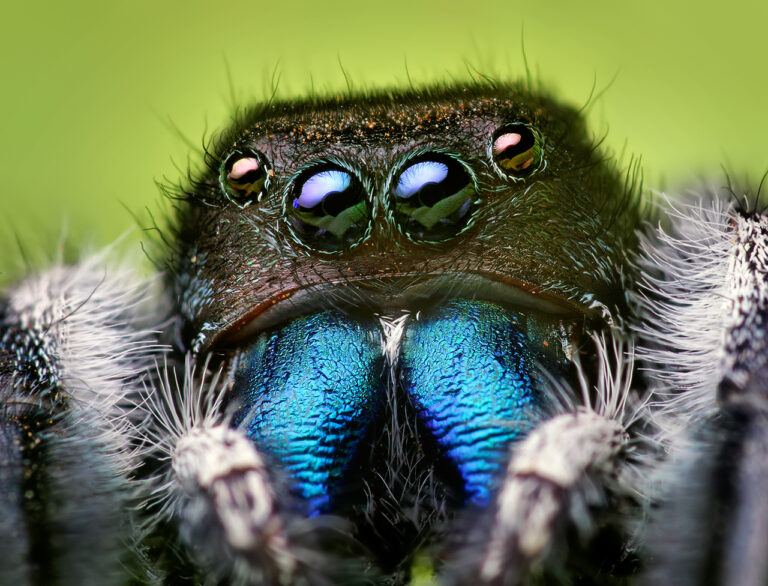
Some earwig species, notably those in the genus Doru, also use their forceps to help capture and hold small prey like caterpillars and aphids, making them useful, if underappreciated, predators of other garden pests that might otherwise damage nearby plants. This predatory role means earwigs, much like a jumping spider or house centipede, can actually work quietly in a gardener’s favor even while looking unsettling up close to anyone unfamiliar with their actual behavior.
Why Are Earwigs in My House?
Earwigs seek out moist, dark environments, and homes offer plenty of appealing options: mulch beds near the foundation, damp basements, crawl spaces, and cracks around doors and windows all provide the humidity and cover these insects favor. They’re most likely to wander indoors as outdoor conditions cool or dry out, seeking a more stable environment than whatever the season outside currently offers.
Reducing excess moisture around the foundation, sealing obvious entry points, and clearing mulch or organic debris away from exterior walls all help make a home considerably less inviting. Because earwigs often follow the same general damp, dark conditions that attract other unwelcome insects like a potato bug or grass spider, addressing moisture issues tends to reduce several nuisance pests at once rather than just one, making it a genuinely efficient use of a homeowner’s prevention effort.
Earwig Reproduction and Maternal Care
Earwigs stand out among insects for a genuinely unusual trait: real maternal care that goes well beyond simply laying eggs and moving on to other things. Female earwigs lay their eggs in soil burrows and then stay with the clutch, cleaning the eggs to prevent fungal growth and defending them against predators until the young hatch, a level of parental investment most insects simply don’t display and one more commonly associated with birds or mammals than with something as small as an earwig.
After hatching, young earwigs, called nymphs, resemble smaller, paler versions of the adults and continue to benefit from their mother’s presence during their earliest and most vulnerable stage. Most earwig species overwinter as adults rather than eggs, re-emerging with the arrival of warmer spring weather to begin the reproductive cycle again, often in the very same sheltered soil pockets used the previous season.
Related reading: Baby Earwig.
Related reading: Bot Fly Bite.
Related reading: do sugar ants bite.
Frequently Asked Questions
Do earwigs bite humans?
No, earwigs don’t have biting mouthparts. What people call a “bite” is actually a defensive pinch from their forceps-like cerci, and it’s rare, mild, and not venomous.
Can earwigs crawl into your ear and lay eggs in your brain?
No, this is a centuries-old myth with no factual basis whatsoever. Earwigs have no drive to seek out human ears and cannot lay eggs in or feed on brain tissue.
What should I do if an earwig pinches me?
Wash the area with soap and water, and if the skin happens to break, apply a basic antibiotic ointment and monitor it closely for a day or two, the same care you’d give any minor skin scrape.
How can you tell a male earwig from a female?
Check the shape of the forceps: males have strongly curved, more robust pincers, while females have straighter, more slender ones by comparison in nearly every species.
Are earwig pinches dangerous or venomous?
No, earwigs are not venomous, and a pinch typically causes only mild, brief discomfort with no lasting effects on the skin or surrounding tissue.
Why do earwigs end up in my house?
They’re drawn to moist, dark spaces like mulch beds, basements, and cracks around doors and windows, often wandering indoors as outdoor conditions become less favorable for them to stay outside comfortably.
Do earwigs use their pincers to hunt?
Some species do use their forceps to help capture and hold small prey like aphids and caterpillars, making them incidentally helpful predators of other common garden pests too.