Seeing a Brown Butterfly Meaning: What It’s Telling You
A brown butterfly symbolically points to grounded change. What the sighting tells you depends on where you are in life, whether you are grieving, starting over or stuck, and on where the butterfly appeared.
Spiritually, seeing a brown butterfly is a grounding message. Slow down, tend to home and health, and trust a quiet change that is already underway. In grief it offers comfort and rest. At a fresh start it gives permission to settle in slowly. The place you see it shapes the details.
What Does Seeing a Brown Butterfly Mean Spiritually?
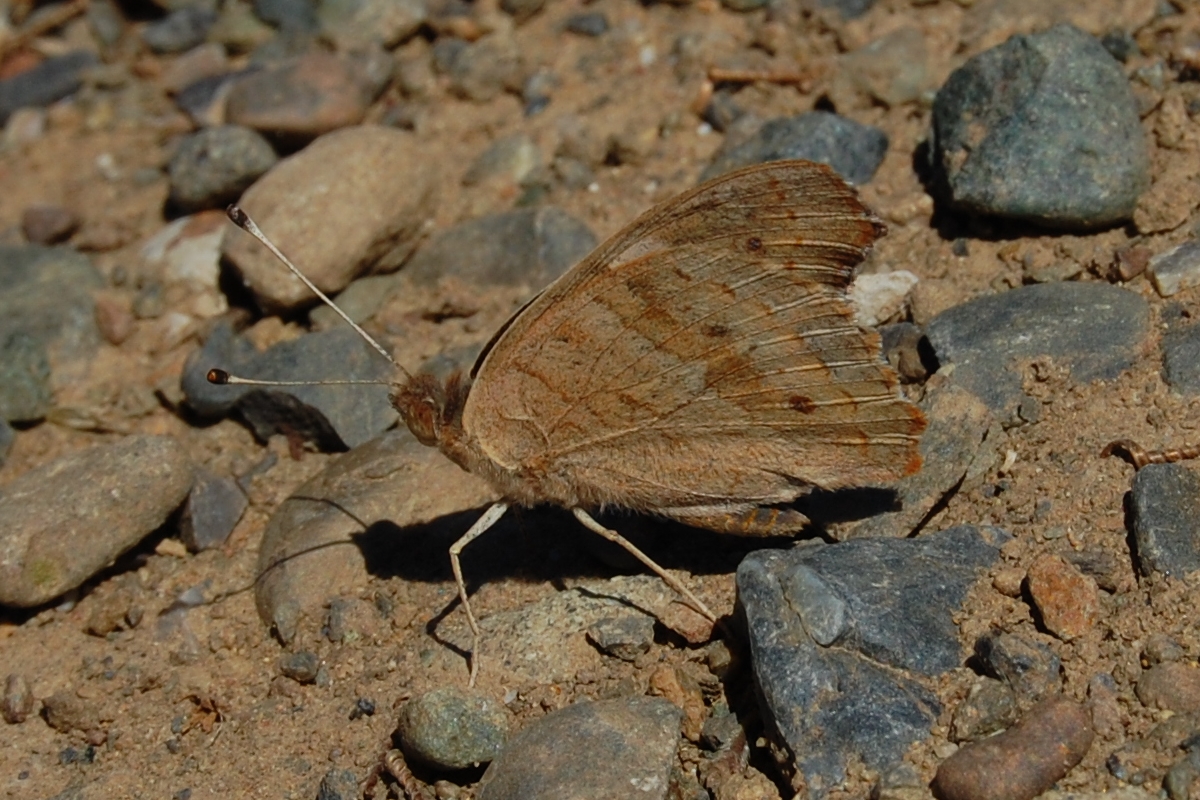
Seeing a brown butterfly points to steady, rooted change. Brown is the color of earth, wood and seed husks. It stands for stability, home and practical security. The butterfly adds transformation. Put together, the message is a slow change built on firm ground, not a sudden upheaval.
A butterfly crossing your path carries the broad theme of change. Brown narrows it. The shift ahead is practical. It touches your rent, your routine, your sleep and the people at your table.
The plain coloring matters too. A brown butterfly points to everyday blessings you stop seeing because they are always there. Build your next change on what already holds you up, not on impulse.
What a Brown Butterfly Is Telling You Right Now
A brown butterfly tells you to meet your current situation with patience. The exact message depends on what you are living through.
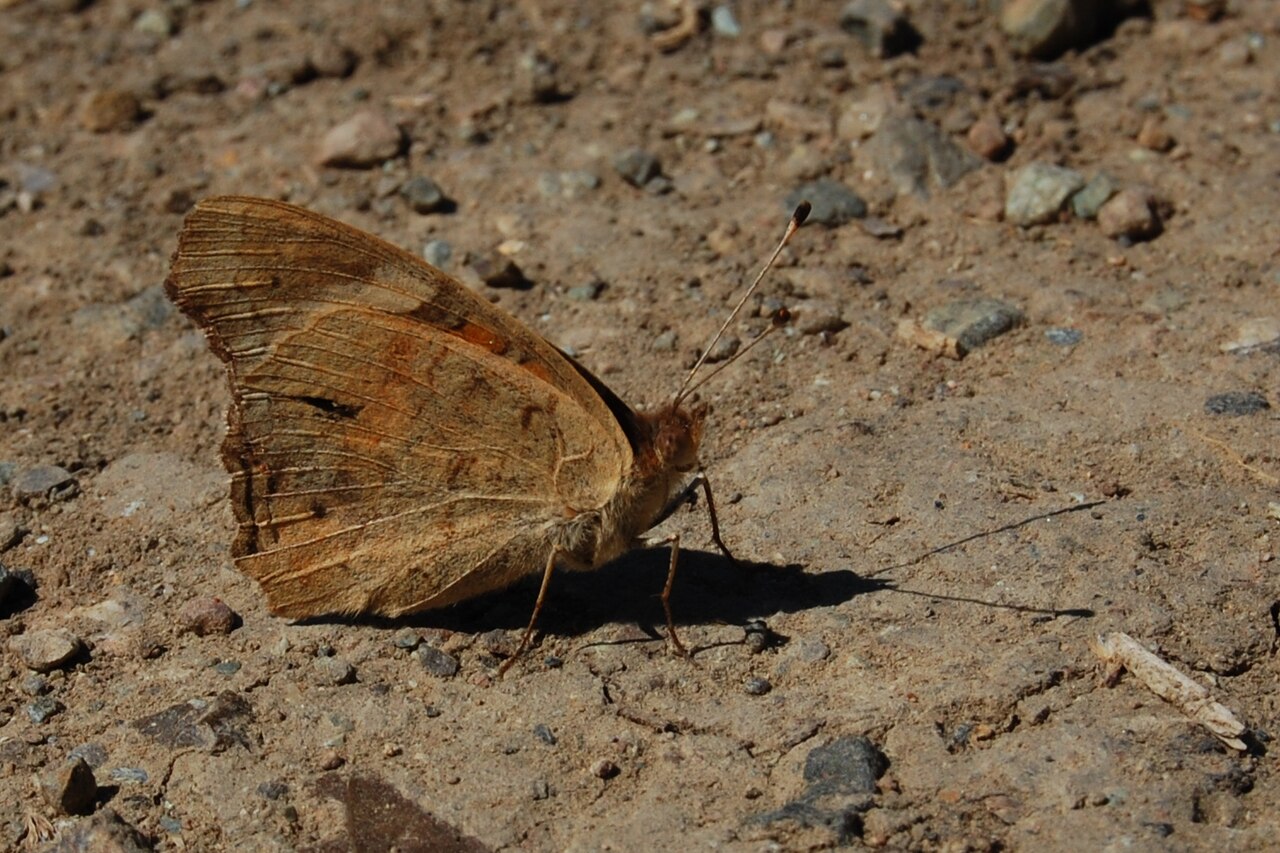
In grief, the sighting is a comfort. In Christian art the butterfly stands for the resurrection, with the chrysalis read as the tomb, so a butterfly at a graveside is taken as a sign that death is not the end. A small brown wing at a graveside or on a hard morning reminds you to rest, eat and let people help. The common buckeye (Junonia coenia), brown with bold eyespots, visits gardens and roadsides across much of the US, so it shows up in exactly those ordinary moments.
At a new start, such as a move or a new job, the butterfly gives permission to settle in slowly. You do not need everything sorted by Friday. When you feel stuck, the next step is small and practical. Send one email. Clear one shelf. During illness or recovery, the message points to the body first. Sleep, meals and routine come before big plans.
Ask yourself one question. What was I thinking about the moment it appeared?
Where You See a Brown Butterfly Changes the Message
Where a brown butterfly appears sets the part of life the message touches.
In Your House: A brown butterfly inside your house concerns family and the household: domestic stability, a home that needs care, or a relative who needs steady attention. In the bedroom the reading narrows to rest and to the person you share the room with. To let it out, cover it with a glass, slide a card underneath and release it outdoors.
At Your Window: A brown butterfly at the window points to news or change approaching from outside. Expect something practical, like an offer, a visit or a letter, rather than a dramatic turn.
Landing on You: A brown butterfly on your hand or shoulder makes the message personal and direct. A butterfly landing on you is often drinking salt from your sweat, the same mineral hunt that draws butterflies to damp mud.
In a Dream: A brown butterfly in a dream points to an inner change that is still forming. Let it take shape before you act.
At Night: A brown winged insect at night is probably a moth. Butterflies are mostly active by day and most moths fly at night, a split the USDA Forest Service describes in its butterfly and moth guides.
Brown and White Butterfly Meaning
A brown and white butterfly joins grounding with protection. The silver-spotted skipper (Epargyreus clarus), brown with a bright white patch under each hindwing, is one of the most common brown and white butterflies in US yards. Brown keeps the message practical, and white adds purity and a sense of being looked after. The combined meaning is balance between daily life and inner life.
This pairing appears when a hard phase is resolving. Bills, care duties or a long recovery start to ease, and the inner strain eases with them. Take it as reassurance, not as a call to change course.
A pure white butterfly carries a different message, centered on spirit and purity. The brown in a two-toned wing keeps your feet on the ground.
| Butterfly color | Spiritual reading | How it differs from brown |
|---|---|---|
| White | Purity, spiritual protection | More inward, less practical |
| Black | Endings, transformation, shadow work | Heavier and more abrupt |
| Blue | Joy, calm communication, wishes | Focused on mood and words |
| Orange | Energy, creativity, passion | Faster and more outgoing |
| Yellow | Prosperity, hope, new ideas | Gains rather than stability |
| Purple | Spiritual insight, dignity | Less tied to daily life |
| Brown | Grounding, home, slow change | Reference point |
Is a Brown Butterfly Good Luck or a Warning?
A brown butterfly is a good omen, but a quiet one. Its luck means steadiness and security, not a windfall.
Biologically, bright wings are warning signs to birds: the monarch’s orange advertises toxins it stores from milkweed, while brown wings work as camouflage. The omen reading belongs to a moth often mistaken for a big brown butterfly. In Mexican folklore the black witch moth (Ascalapha odorata), dark brown and one of the largest moths in the US, is la mariposa de la muerte, a death omen when it enters a house with someone sick inside. In the Bahamas the same moth is the money bat, and one that lands on you means money is coming.
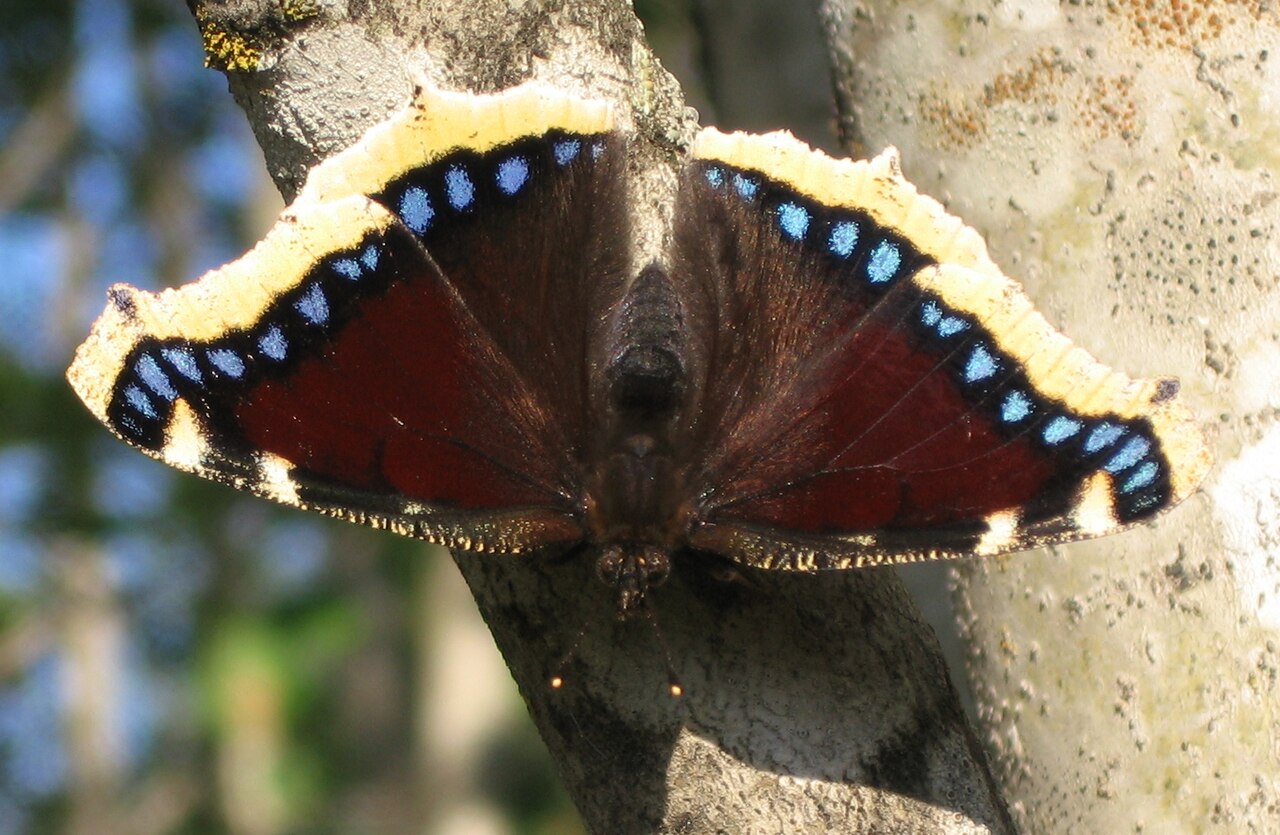
A black butterfly carries the heavier themes of endings and shadow work. The mourning cloak (Nymphalis antiopa) sits close to that line. Its wings are dark maroon-brown with pale yellow borders, which fade toward cream on worn spring adults. Adults overwinter, so it is one of the first butterflies to fly in early spring. That early flight stands for getting through a hard season.
If a brown butterfly feels like a warning to you, take it as a nudge to pause. It does not signal a threat. Check what you were rushing, and give it another day.
Brown Butterfly as a Spirit Animal and Totem
As a spirit animal, the brown butterfly stands for patience, humility and endurance. It does not need bright colors to do its work. People drawn to it are comfortable being unnoticed and get things done without applause.
The clearest sign that it is your spirit animal is repetition during life transitions. You see brown butterflies around a move, a breakup or a new role, and again when the dust settles.
As a totem, it guides grounded, step-by-step growth. Change one habit, hold it, then change the next.
Brown Butterfly Meaning for Money, Home and Work
For money, a brown butterfly points to income that arrives through steady effort and stays.
At work, it signals reward for consistent effort. Progress is slow but reliable, and recognition comes from work you have already done.
A yellow butterfly is the one tied to prosperity and abundance.
What to Do After You See a Brown Butterfly
After you see a brown butterfly, write down the date, the place and what you were thinking. Those three details carry more meaning than the sighting alone.
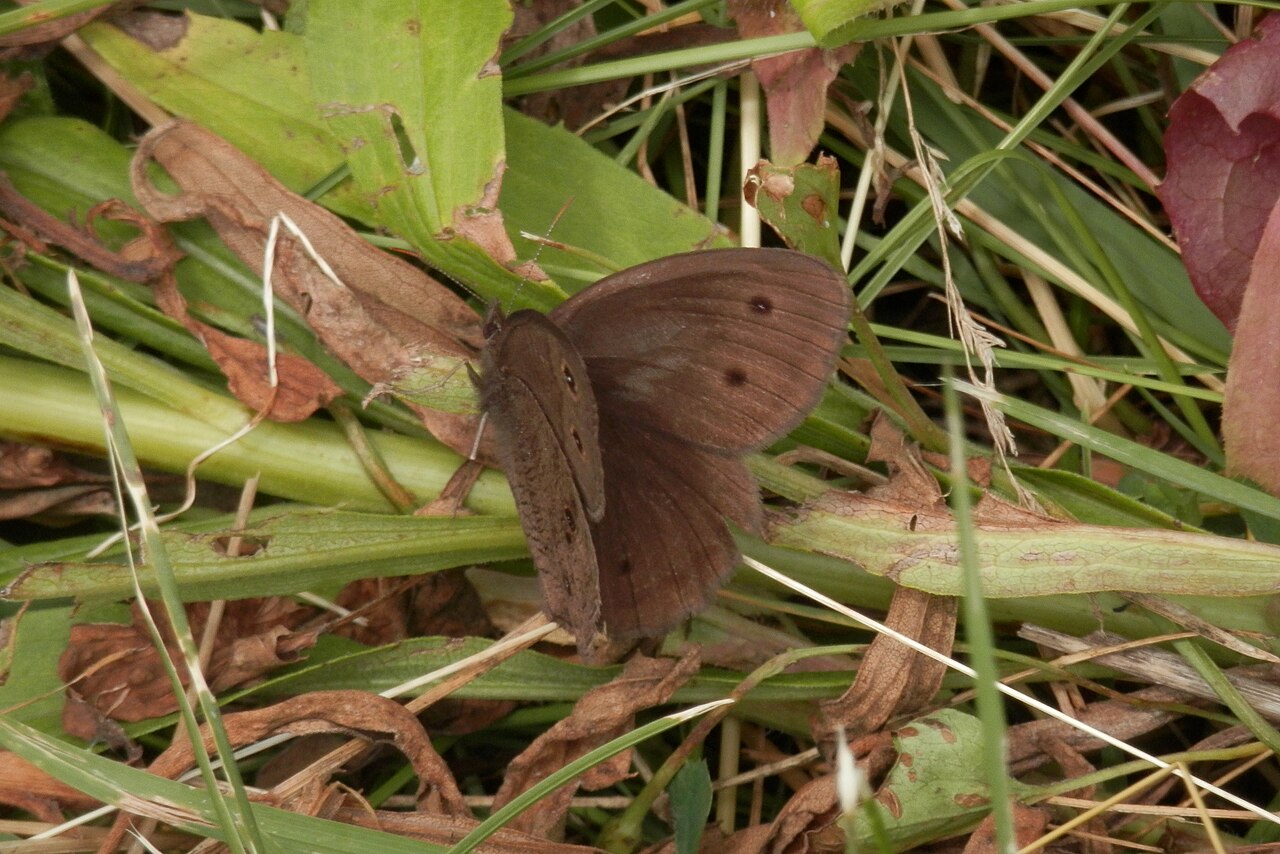
Watch for repeats over the following days before you draw a conclusion. The common wood-nymph (Cercyonis pegala) lives in meadows and grassy fields across much of the US, so one sighting in summer grass is ordinary. Several, in places that matter to you, are worth noting.
Use the sighting as a cue for one grounding action today. Go to bed on time, cook at home, call a parent.
Frequently Asked Questions
How rare is a brown butterfly?
Brown is one of the most common butterfly colors. Satyrs, wood-nymphs, skippers and the common buckeye all wear brown, and many of them live in ordinary yards and fields. A brown butterfly is not rare at all.
What is the rarest color of a butterfly?
Blue and green made by pigment are the rarest butterfly colors. Most blue wings get their color from scales that reflect light rather than from pigment, and many green wings mix yellow pigment with structural color. Brown, black, orange and yellow pigments are far more common, so brown sits at the opposite end of rarity.
Is a brown butterfly actually a moth?
No, most brown butterflies are true butterflies, though some brown fliers are moths. Check the antennae: a thin stalk with a club at the tip means butterfly. Moths often have feathery or tapered antennae and rest with their wings spread flat.
Should you touch a brown butterfly?
No. Touching the wings rubs off the tiny scales that cover them, and lost scales do not grow back. If a butterfly lands on you, stay still and let it leave on its own.
What does seeing many brown butterflies at once mean?
Several brown butterflies at once amplify the grounding message and point to support from your household or community. A group on a muddy path is usually puddling, mostly males drawing salts from damp soil.
Sources
- USDA Forest Service, Butterflies and Moths
- Smithsonian Institution, Butterflies and Moths
- University of Florida EDIS IN801, Common Buckeye
- Butterflies and Moths of North America, Mourning Cloak
Explore more: Insect Spiritual Meanings: 15 Bugs and What They Signal