Katydid Spiritual Meaning: What It Means When One Visits
The katydid spiritual meaning centers on voice and timing. This insect fills summer nights with song yet hides in plain sight among the leaves, so meeting one face to face feels like a message meant for you.
A katydid is a sign to trust your voice and your timing. Seeing one, especially at night or at your door, means a truth you have held back is ready to be spoken. The place, the hour and your current situation sharpen the message, and the tone is encouraging rather than ominous.
What Does a Katydid Mean Spiritually?
A katydid means it is time to use your voice. Its song carries through the dark on summer nights, steady and unmistakable, and that night chorus stands for speaking a truth you have kept quiet.
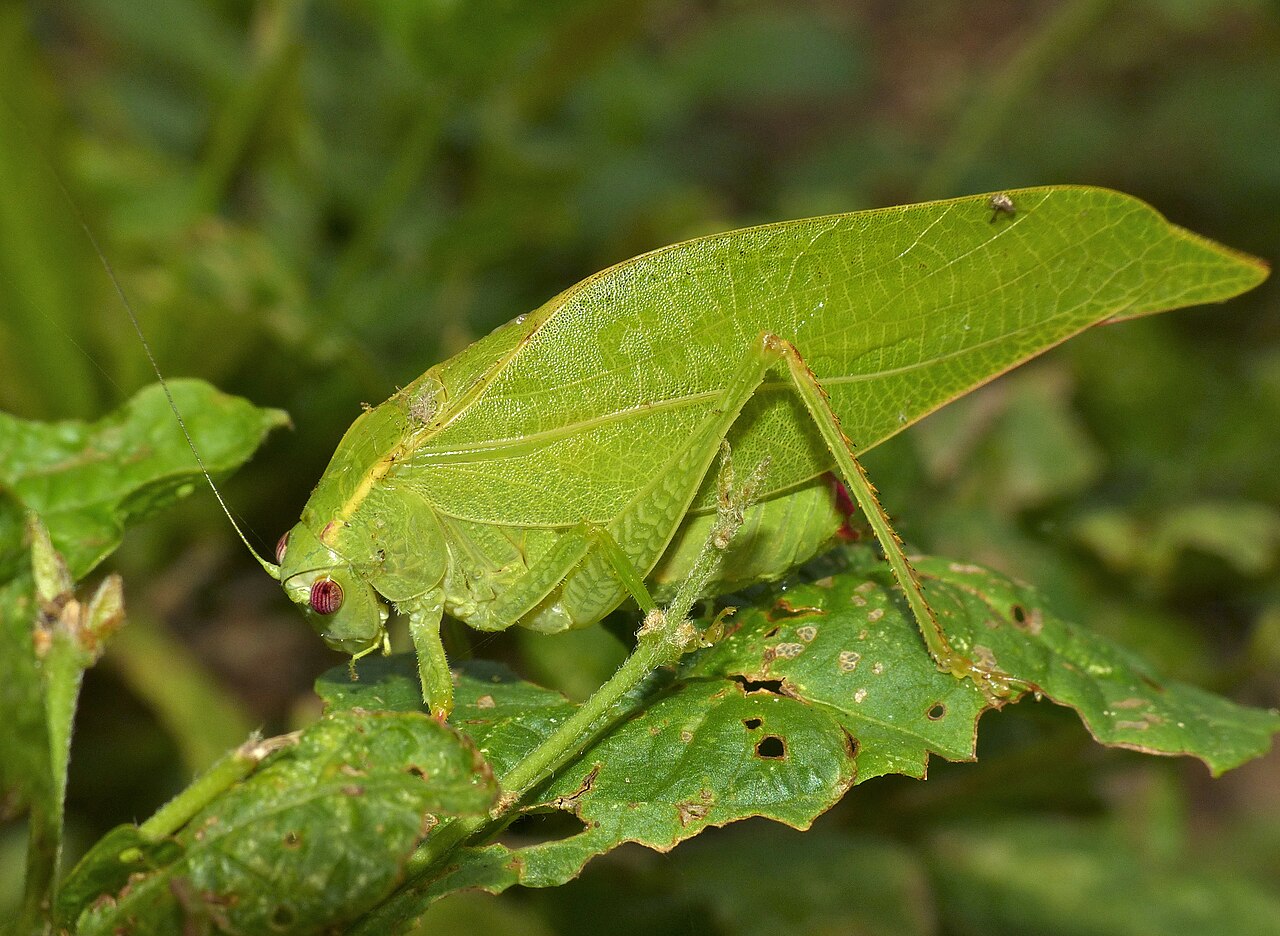
Its wings carry the second lesson. They look like leaves, veins and all, so a katydid rests in full view and stays unseen. That camouflage is the wisdom of staying hidden until the moment is right, out of patience rather than fear. The late-summer chorus adds a third layer, the sense that a season or a chapter of life is turning.
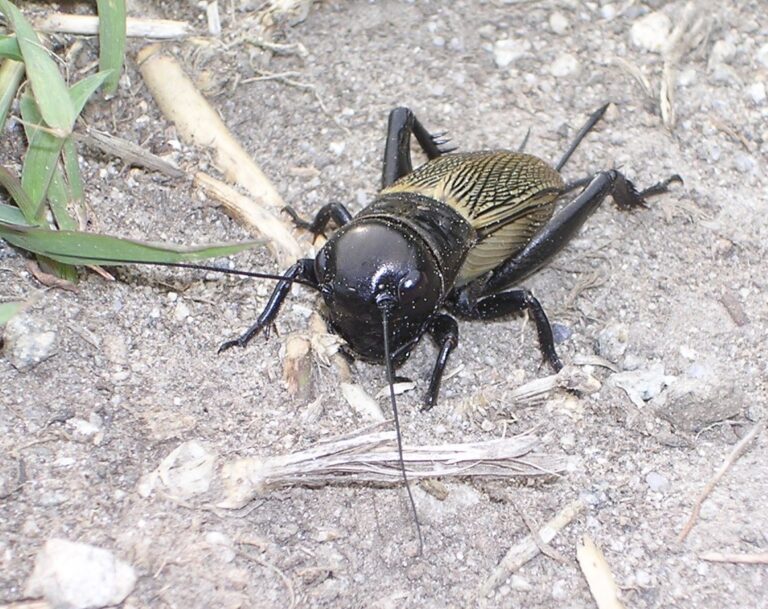
Cricket symbolism centers on hearth luck and home, while the katydid stands for voice.
What It Means When a Katydid Visits You
A katydid visit means an answer you already hold is ready to come out. During a decision, its arrival says the choice is made inside you and only needs saying aloud. If you are waiting on news, the visit asks for patience, because the reply comes with the season and not before.
After a loss, a katydid is quiet presence, not a warning. It sits close, it sings at night, and it asks nothing of you. When one stays still on your sleeve or near your chair, take the cue to slow down and listen before you speak.
Repeated visits within one week point to an unfinished conversation. Someone is waiting to hear from you, or you are waiting to hear yourself say it. Send the message or make the call this week. Once the words are out, the visits have done their work.
Katydid in the House, on a Window, in the Yard and at Night
Where a katydid appears tells you which part of your life the message concerns. Indoors points to family and private life. Thresholds point to opportunity, and the garden points to slow growth.
What does a katydid in your house mean? A katydid in your house means a private truth wants to reach family life. Something you think about alone belongs at the kitchen table. A katydid that flies into the house brings the message with urgency, so raise the topic within days. The practical reason is light, since katydids are drawn to porch and window lights at night and slip in through open doors and torn screens.
What does a katydid on a window or door mean? A katydid on a window or door marks a threshold. An opportunity is knocking, and the insect at the glass asks you to open up rather than watch from inside.
What does a katydid in your yard mean? A katydid in your yard stands for quiet growth you have tended that will soon show. Katydids nibble leaves and a few rarely do serious harm to a garden. Large numbers can damage fruit and foliage, so check the plants if you see heavy chewing.
What does a katydid singing at night mean? A katydid singing outside your window at night is a nudge to speak before the season ends. Katydid sounds carry far on warm nights. The common true katydid makes its call by rubbing its forewings together.
Is a Katydid Good Luck? Positive and Negative Meaning
Yes, in most modern readings a katydid is good luck, and that luck is tied to voice, right timing and summer abundance. In modern symbolism, seeing one is read as a sign that your words may land well if you speak them now. It also marks a full season, the stretch of the year when gardens are heavy and nights are warm.
The negative meaning is about hiding. A katydid can mirror a habit of staying silent out of fear of being heard or judged. It can point to a talent you keep covered, or an opinion you swallow in meetings.
The negative reading is a prompt to act, never an omen of harm. Bee symbolism rewards steady work, while katydid luck rewards the right words at the right time.
Katydid Spirit Animal, Totem and Power Animal
The katydid spirit animal belongs to people who listen first and speak at the right hour. They hear the whole room before they add a word, and when they do speak, people stop to listen. If this sounds like you, the katydid is your mirror.

As a totem, the katydid gives a lifelong gift of reading a room and blending in safely. You adapt to new groups without losing yourself. As a power animal, call on it before an interview or a performance, when you need calm and a clear voice at the same moment.
What Does the Bible Say About Katydids?
The Bible does not name katydids in common English translations. Grasshoppers, relatives in the same insect order, are where readers turn for scripture on katydids. Verse 22 of Leviticus 11 (KJV) lists the grasshopper among the few insects the Law of Moses allows as food, so the family counts as clean in scripture.
Isaiah 40:22 (KJV) describes God as the one who “sitteth upon the circle of the earth, and the inhabitants thereof are as grasshoppers.” The image puts human life in perspective. It is small next to the Creator, and it is still seen and held.
Numbers 13:33 (KJV) has the spies say “we were in our own sight as grasshoppers.” They felt small before the giants of Canaan. A Christian reading of the katydid draws on both verses. Small voices still matter, and humility pairs with trust in God’s timing for every season.
How Rare Is It to See a Katydid?
Seeing a katydid is uncommon even where they are plentiful, because most are active at night and sit motionless by day. Green is by far the most common color, so the rarity lies in spotting one, not in the color. Their leaf-shaped wings hide them in plain sight. You can hear dozens on a summer evening and never spot one.

Spotting the hidden one signals heightened intuition right now. You noticed what others miss, and that sharp eye extends to people and situations. Trust the hunch you have been second-guessing.
Pink katydids owe their color to erythrism, a genetic trait that makes them stand out to birds, so few reach adulthood and each sighting carries extra weight. Cicada symbolism centers on rebirth, because periodical cicadas spend 13 or 17 years underground before they emerge.
| Color or form | Spiritual reading | How often seen |
|---|---|---|
| Green | Voice and right timing, the classic message | Most common color |
| Brown | Grounding, a truth rooted in experience | Less common than green |
| Pink | Permission to stand out and be noticed | Rare |
| Yellow | Joy and optimism in what you say next | Very rare |
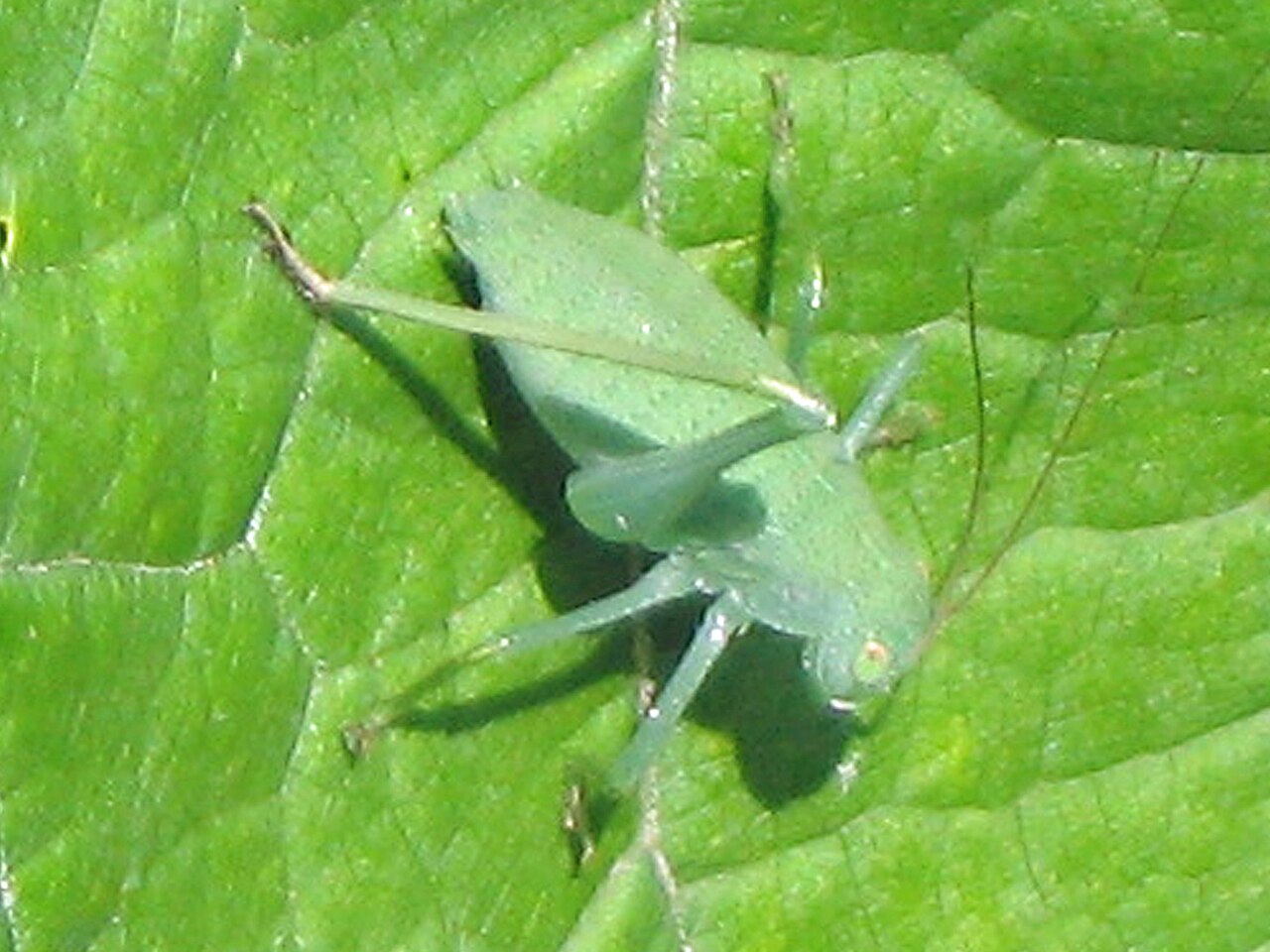
| Nymph (young, wing buds only) | A new voice still finding its words | Common in spring and early summer |
Frequently Asked Questions
What does a dead katydid mean?
A dead katydid marks the end of a cycle. Adults die off once autumn frosts arrive, so finding one points to a chapter that has closed in its own time. Let the old conversation rest, keep what you learned from it and make room for the next season of your life.
What does it mean to find a katydid in your car?
A katydid in your car points to a trip or a career move you are about to make. Katydids ride in through open windows or on cut flowers and garden plants, so the visitor joins you on a road you are already taking. Read it as a nod to keep going on that route.
Do katydids bite or sting?
No, katydids do not sting and carry no venom. A large katydid held roughly can give a pinch with its jaws that rarely breaks the skin, so letting one walk onto your hand is safe.
Is seeing a katydid good luck?
Yes, a katydid is commonly read as good luck. The luck is tied to your voice and timing, a sign that words you speak now will land well.
What does it mean when a katydid still sings in fall?
A katydid singing in fall marks the countdown to frost. American folk weather lore, repeated in almanacs, holds that the first frost arrives about three months after the first katydid song of summer. The song also slows as nights cool, because the call rate follows the air temperature.
Explore more: Insect Spiritual Meanings: 15 Bugs and What They Signal