Panda Symbolism: Spiritual Meaning, Totem and Dreams
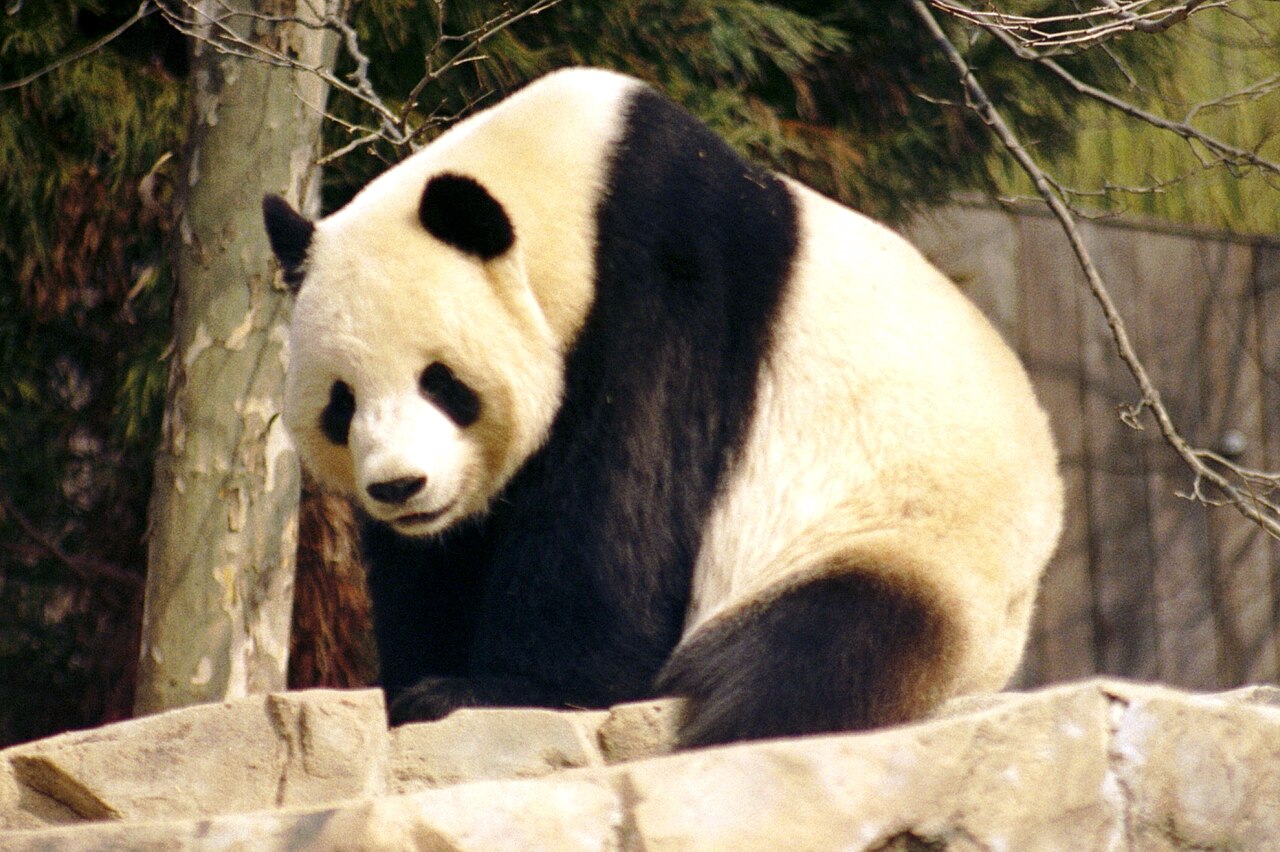
Symbolically, the giant panda stands for calm strength, a powerful bear that chooses peace over conflict. Panda symbolism builds on what the animal actually does. It eats, rests, keeps to itself and walks away from fights it does not need. Its black and white coat puts that balance on display, two opposite colors held in one body.
A panda has jaws strong enough to crush bamboo stalks, yet it spends its day feeding and resting. Strength held in reserve, softness without weakness and a firm line around its own space are what the panda brings to you.
Spiritually, the panda stands for peace, gentleness and balance. Its black and white coat mirrors yin and yang, opposites held in calm harmony. The panda also signals quiet strength, healthy solitude and firm boundaries. A panda dream or sighting points to rest, softness toward yourself and a slower, steadier pace.
What Does a Panda Symbolize?
A panda symbolizes peace, gentleness and balance. The giant panda (Ailuropoda melanoleuca) is a true bear with the teeth and jaws of a meat eater, yet it lives on bamboo. That gap between power and behavior is the whole symbol. The panda shows that strength does not need to prove itself.
The black and white coat turns that balance into a picture. Its scientific name means “black and white cat-foot,” and the two colors sit side by side without blending. Dark ears, eye patches, legs and a shoulder band frame a white face and body. As an image, the coat pairs opposites that coexist, rest and effort, solitude and connection, softness and power.
Bears stand for raw power and protection. The panda keeps that strength but turns down the volume.
Panda Meanings: Peace, Strength, Solitude and Boundaries
Peace and gentleness are the panda’s first meanings, and nurturing comes right behind them. A panda spends most of its waking hours feeding and moves slowly between meals. A mother raises her cub alone and keeps the tiny newborn close against her body. That constant, quiet care makes the panda a symbol of protective love.
Strength without aggression is the second theme. Adult giant pandas live alone and communicate through scent marks, but their home ranges can overlap. That makes the panda a symbol of solitude chosen, not imposed, and of boundaries set without a fight. The message is simple. Protect your space, and it seldom needs a defense.
Wisdom and luck are softer meanings. The wisdom comes from patience, an animal that saves energy and does not rush. A concrete setting for luck symbolism is Beijing 2008: Jingjing the panda belonged to the Fuwa, whose collective name the Olympic Studies Centre translates as “good-luck dolls.” Jingjing’s specific wish was happiness. Badgers, also black and white animals, stand for grit and a fierce defense.
| Meaning | Panda trait behind it | What it asks of you |
|---|---|---|
| Peace | Avoids fights it does not need | Drop battles that cost more than they give |
| Gentleness | Slow, unhurried movement | Handle yourself and others with softer hands |
| Balance | Black and white coat | Hold rest and effort in the same week |
| Strength | Bear jaws that crush bamboo | Keep power in reserve, not on display |
| Solitude | Adults live alone | Take time alone without guilt |
| Boundaries | Scent marks its range | Name your limits before someone crosses them |
| Nurturing | Mother raises the cub alone | Protect what is small and new in your life |
Panda Spirit Animal and Totem
People drawn to the panda as a spirit animal are calm, loyal to a small circle and protective of their own time. They do not chase attention. They work steadily, rest without guilt and stay kind to others while holding firm limits. Friends come to them when they need a steady presence.
The panda’s shadow side is withdrawal. A panda can rest so well that rest turns into avoidance, and solitude can harden into isolation. Low energy and a narrow routine keep you comfortable but stuck. When the panda shows up as your spirit animal, it asks whether your quiet is recovery or hiding.
A totem in this sense is a personal emblem, an animal you keep close as a reminder, not an inherited clan sign. The panda totem reminds its keeper to protect energy, eat and sleep well and say no without apology. The koala spirit animal carries a similar call to rest, though the koala is a marsupial and not a bear.
Panda Dream Meaning
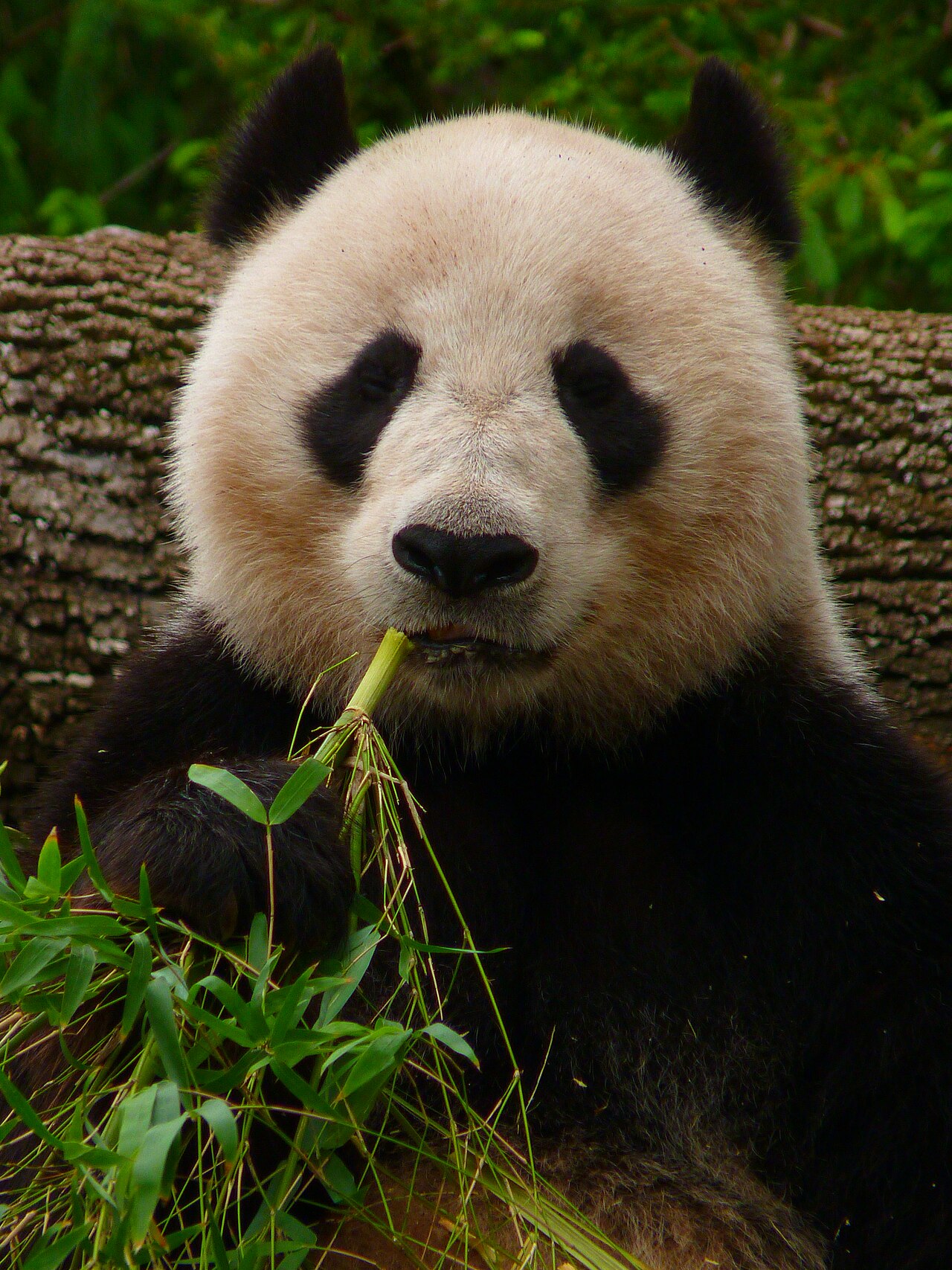
A panda in a dream points to a need for rest, gentleness or balance in waking life. A calm panda eating bamboo reflects contentment, or a wish for it. A sleeping panda tells you to slow down before your body forces the issue. The dream asks where you are pushing too hard.
A baby panda in a dream reflects something new and fragile that needs care. It can be a project, a relationship or a part of yourself you are only starting to trust. Holding a cub points to a nurturing role you have taken on. A lost or crying cub signals worry that you cannot protect what matters.
An attacking panda turns the symbol upside down. It shows a gentle part of your life that has started to fight back, a boundary you ignored too long. An injured or trapped panda points to peace under threat, your own or that of someone close to you.
Seeing a Panda: Omens and Signs
Seeing a panda, in a zoo, on a screen or on a poster, signals a call to slow down and protect your peace. Giant pandas live wild only in the mountains of central China, so a sighting in the US happens at a zoo or through an image. Timing carries the meaning. A panda that keeps showing up during a stressful week points to rest you are postponing.
After a sighting, take one concrete step toward rest. Cancel one task, take a walk or set one limit you have been avoiding. Animal spiritual meanings for other sightings work the same way, a trait of the animal turned into a question for you.
Panda in Tarot
The Rider-Waite-Smith tarot has no named Panda card, so matching a panda with one of its cards is a modern interpretation. The closest match is Temperance, the card of balance, patience and blending opposites, which fits the black and white coat. The Hermit fits the solitary side. Strength, with its calm figure closing a lion’s jaws, fits power held gently.
Panda in Chinese Culture, Taoism and Buddhism
In China, the giant panda is a national treasure and the country’s best known living symbol, but that status is modern. Its Chinese name, dàxióngmāo, means “giant bear cat.” China sent a pair of pandas to New York’s Bronx Zoo as a diplomatic gift in 1941, and the People’s Republic continued panda diplomacy in the 1950s. In 1972, after President Nixon’s visit, China gave the pair Ling-Ling and Hsing-Hsing to the Smithsonian’s National Zoo in Washington.
The panda’s black and white coat offers a modern visual analogy for yin and yang, the complementary forces associated with Taoist thought. Dark and light coexist in one animal, each framing the other.
In Jon J Muth’s Zen Shorts, the panda Stillwater shares stories that introduce children to ideas from Zen Buddhism. His patience and gentle guidance connect the panda with wisdom, compassion and reflection in this work of modern literature.
Panda in Myth, Art, Pop Culture and Tattoos
Historian Donald Harper identifies the mo in early Chinese texts with the giant panda, distinguishing those descriptions from the composite creature described by the poet Bo Juyi. Panda folklore also includes a story explaining the black markings. In the tale set in a Chinese forest and summarized by Smithsonian folklorist James Deutsch, a shepherdess dies saving a white bear cub from a leopard. The mourning bears darken their paws with dust or ash, then stain their faces and bodies while wiping their tears and hugging one another, and the black markings remain.
Pop culture made the panda a symbol of gentle strength. The WWF has used a panda logo since its founding in 1961, inspired by Chi Chi, a panda at London Zoo. DreamWorks’ Kung Fu Panda (2008) turned the idea into a hero who wins through patience and self-acceptance. Animal symbols connect visible traits with ideas such as balance, protection and strength.
A panda tattoo stands for calm, balance and protection of loved ones. A mother and cub design honors family, a panda in bamboo points to contentment and a yin and yang panda puts the black and white theme front and center. A sleeping panda suits someone who has finally learned to rest.
Real Panda Facts and Personality
Real giant pandas are solitary and playful when young, while individual temperaments vary. Adults spend most of the day eating bamboo and resting, and they seek each other out mainly in the spring breeding season. Cubs climb, tumble and wrestle, and that gives the panda its clownish image. The Smithsonian’s National Zoo describes giant pandas as solitary animals that keep in touch through scent marks and calls.
The original literal meaning of “panda” is uncertain, as is its ultimate origin. It first named the red panda (Ailurus fulgens), a separate species, and the giant panda borrowed it later. The word reached English through French. Most proposals trace it to a Nepali word, but the exact source word is disputed.
The sad fact is how small the wild population is. China’s 2014 national survey counted 1,864 giant pandas in the wild, and the IUCN Red List has listed the species as Vulnerable since 2016, a step down from Endangered. The funny fact is the newborn. A cub weighs about 1/900 of its mother’s weight, one of the smallest newborns relative to its mother among placental mammals.
Frequently Asked Questions
Do pandas symbolize good luck?
Yes, the panda appears in modern Chinese good-luck imagery. Jingjing, the panda mascot of Beijing 2008, belonged to the Fuwa, whose collective name the Olympic Studies Centre translates as “good-luck dolls.” Jingjing’s own wish was happiness.
What is a group of pandas called?
A group of pandas is called an embarrassment. The name is a word game, because giant pandas live alone in the wild and seldom gather. Adults meet in spring to breed, and a mother stays with her cub for well over a year before it leaves to find its own range.
What are baby pandas called?
Baby pandas are called cubs. A newborn weighs about 3 to 5 oz (85 to 140 g), is pink, nearly hairless and blind, and depends on its mother completely. The black and white markings appear within the first weeks, and the eyes open at about six to eight weeks old.
Where do pandas sleep?
Pandas rest between meals on the ground or in trees and may shelter in hollow trees or rock crevices. Mothers use dens to give birth and care for their cubs. Giant pandas do not hibernate and continue feeding during winter.
What do pandas eat?
Giant pandas eat bamboo for almost all of their diet. The WWF puts the daily amount at 26 to 84 lb (12 to 38 kg) per panda. They feed for many hours a day because bamboo offers little nutrition, and they occasionally eat small animals or carrion as well.
Are giant pandas and red pandas related?
No, not closely. The giant panda is a true bear in the family Ursidae. The red panda belongs to its own family, Ailuridae, and sits nearer to raccoons, skunks and weasels in the family tree. The two share a name, a bamboo diet and mountain forests in Asia.
Sources
- World Wildlife Fund, Giant Panda
- Smithsonian’s National Zoo and Conservation Biology Institute, Giant Panda
- IUCN Red List, Ailuropoda melanoleuca (Giant Panda)
- World Wildlife Fund, History of WWF’s Panda Logo
- James Deutsch, Smithsonian Center for Folklife and Cultural Heritage, Where’d You Get Those Eyes? The Folklore of Pandas
- Donald Harper, The Cultural History of the Giant Panda (Ailuropoda melanoleuca) in Early China, Early China