Horse Symbolism: Spiritual Meaning, Colors and Dark Horse
Few animals have worked as closely with people as the horse (Equus ferus caballus), so its place in animal symbolism is layered: a core reading most cultures share, plus colors, scripture and myth on top, all of them interpretations rather than facts about the animal.
Across spiritual traditions the horse symbolizes freedom, strength, endurance and forward drive, so seeing one is a call to move ahead on your own terms with energy and confidence. A dark horse, by contrast, is an idiom from racing: a little-known contender who wins against expectation.
What Does a Horse Symbolize?
A horse symbolizes freedom first, and the picture behind that reading is the running, unfenced animal that nobody has caught. Power comes next, and the word horsepower, still used to rate engines, keeps the old measure of a horse’s work alive in everyday language.
Endurance comes from the animal’s history as a long-distance carrier that keeps going when the destination is still out of sight. Nobility and status come from the saddle. A rider on horseback signals authority in equestrian statues, heraldry and royal portraits.
Two quieter meanings sit beneath these. A horse works with people only after it accepts them, so it stands for earned trust and loyalty rather than instant obedience. Because horses carried people between places, they are also tied to travel and change, a theme shared with migrating geese and other animals on the move.
Horse Spirit Animal, Totem and Omen Meaning
A horse spirit animal appears when you need independence or have felt held back, and its message is to break the fence instead of waiting for someone to open the gate. In spirit animal practice the horse arrives at the start of a long push: a new job, a move, a recovery. It brings stamina for the effort, not a quick fix.

People with a horse totem are described as restless, loyal, energetic and uneasy with confinement. As a power animal it is called on for stamina during a long effort.
Two traits add depth. Horses are prey animals that read body language closely, so the spirit animal also carries sensitivity and intuition. The horse has a shadow side too: impatience, bolting from commitments and trouble staying still.
What It Means When You See a Horse
Seeing a horse means a push toward motion, but, as with a deer crossing your path, the animal’s behavior and your own situation at that moment carry more weight than the sighting itself. A horse grazing calmly while you agonize over a decision says something different from a horse galloping past while you sit idle.
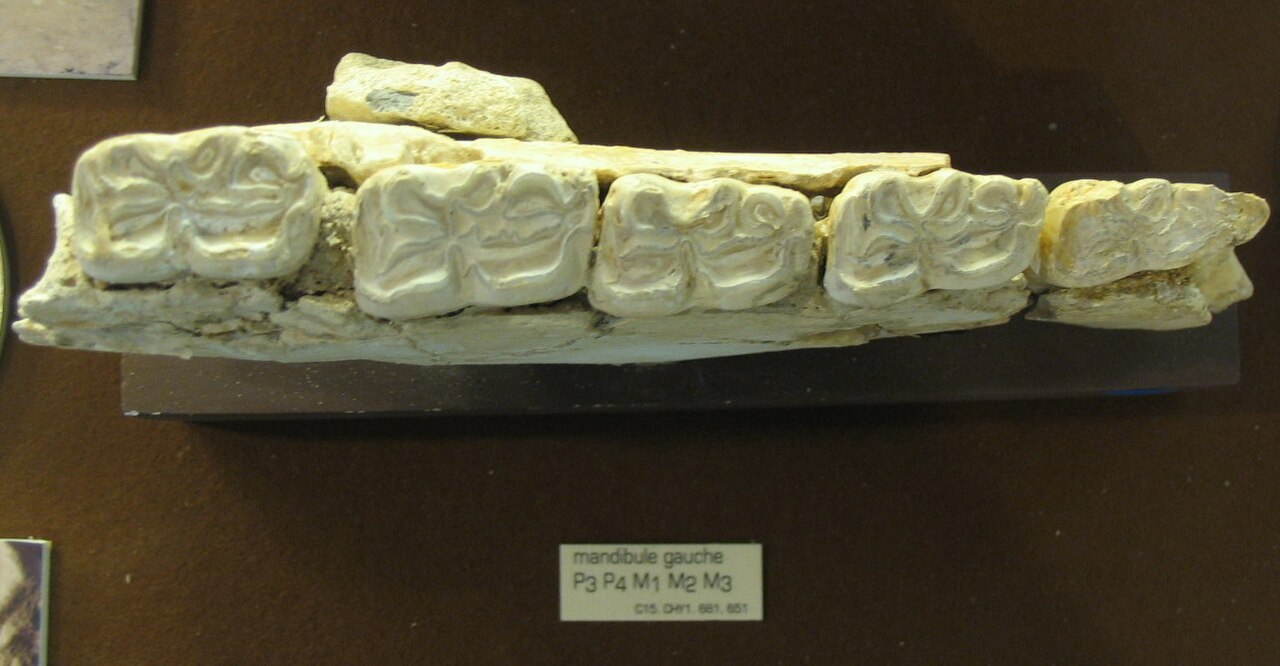
Repeated sightings turn the push into a nudge. Seeing horses three times in a few days, on a drive, in a photo, in a conversation, points to a move or decision you have been delaying. Finding a dead horse marks the end of a phase or a warning of burnout. On the shadow side, a runaway horse reads as loss of control, and the Trojan horse stands for hidden danger.
| Situation | Common spiritual reading | Question to ask yourself |
|---|---|---|
| Horse crossing your path | A journey or decision is about to cut across your routine | What have I been putting off that would change my direction? |
| Horse running toward you | Energy and opportunity arriving fast, with little time to prepare | Am I ready to say yes when the chance comes this week? |
| Horse running away from you | Something you chased is leaving on its own, and chasing harder will not work | Which goal am I gripping too tightly? |
| Wild horse herd | Belonging without losing freedom, a community that moves together | Which group gives me room, and which one fences me in? |
| Horse seen at night | Hidden strength or an unresolved fear surfacing while defenses are down | What am I carrying that I only feel after dark? |
White, Black and Brown Horse Meaning
A white horse means victory, purity and a clean start, a black horse means mystery, raw power and mourning, and a brown horse means grounded, practical energy. The white horse takes its reading from the rider of Revelation 19, covered below, and from the pale white horse of the Welsh figure Rhiannon, which no rider can catch even though it seems to move at an easy pace.
Black horses pulled funeral carriages, which tied the color to mourning in Victorian Britain and America, and in American military tradition a riderless black horse has walked behind the casket at state funerals. In the Bible the black horse brings famine, see below.
A brown horse is read as the grounded, working animal: dependable and steady rather than an omen.
What Does the Bible Say About a Black Horse?
The Bible says a black horse brings famine, because in Revelation 6 the third of the Four Horsemen rides a black horse and holds a pair of scales, a sign of food sold by weight and rationed. The other three riders fill out the set: a white horse for conquest, a red horse for war and a pale horse carrying Death. Those four colors shape much of the Christian reading of horse color since.

In Revelation 19 the white horse returns under a rider called Faithful and True, so in Christian reading it stands for victory rather than conquest alone. Psalm 20:7, “some trust in chariots and some in horses,” sets military horse power against trust in God.
Elsewhere in scripture the horse is the army’s animal. Pharaoh’s horses and chariots drown in the sea in Exodus 14, and Deuteronomy 17 tells Israel’s kings not to multiply horses, a warning against relying on force.
Horse Symbolism in Native American, Celtic and East Asian Traditions
In Plains Native American traditions the horse stands for wealth, honor and sacred power, even though horses only arrived with Spanish colonists and let hunters follow the bison herds farther than before. The Lakota term sunka wakan is commonly glossed as “sacred dog” or “holy dog”, though Lakota elders note that both words carry a broader sense than the English, so the name marks the horse as a powerful, spiritually charged animal. The number of horses a family owned signaled standing.
Celtic tradition gives the horse a goddess. Epona was honored as protector of horses, and Roman cavalry later carried her worship across the empire. In the Welsh Mabinogion, Rhiannon rides a pale white horse that no pursuer can catch however hard he spurs his own mount.
In East Asia the horse is a calendar animal. The Chinese zodiac Horse sign stands for energy and independence, and 2026 is a Fire Horse year.
Horses in Norse Mythology
The best-known horses of Norse myth and saga include Sleipnir, Skinfaxi, Hrimfaxi, Arvakr, Alsvidr, Gullfaxi, Grani and Freyfaxi, and the greatest of them is Sleipnir, Odin’s eight-legged mount. In the Prose Edda, Sleipnir is born to Loki, who had taken the form of a mare, and the stallion Svadilfari, the horse of the giant who built the wall of Asgard.
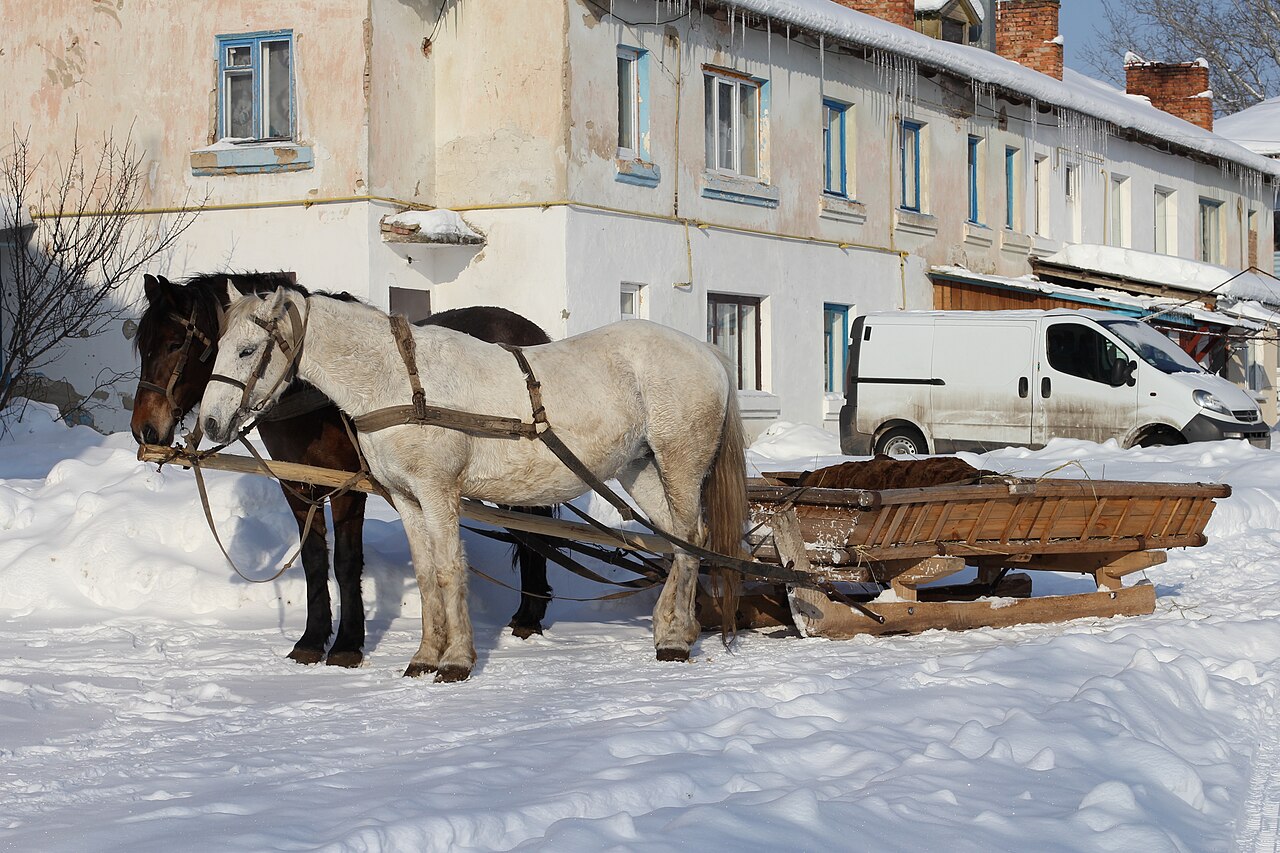
The sky itself runs on horses. Skinfaxi pulls the day across the heavens and Hrimfaxi pulls the night. Arvakr and Alsvidr draw the chariot of the sun.
Grani, the horse of the hero Sigurd, is descended from Sleipnir in the Volsunga saga. In Hrafnkels saga a stallion called Freyfaxi is dedicated to the god Freyr, and riding it brings disaster. Sleipnir also carries Hermod to Hel in the Prose Edda.
Dark Horse Meaning: The Idiom, the Theory and the Racism Question
A dark horse is a little-known contender who wins or performs far better than anyone expected. The phrase comes from horse racing, where a “dark” horse was one whose form bettors knew nothing about, so bettors could not judge its chances. Benjamin Disraeli’s novel The Young Duke is cited as an early printed use, with a dark horse sweeping past the grandstand to win.

The dark horse theory gives the idiom a second life. Todd Rose and Ogi Ogas of the Harvard Dark Horse Project studied people who succeeded through individual, fulfillment-first paths instead of standard career ladders, and named them dark horses.
No, dark horse is not a racist term. “Dark” here means unknown or untried, the racing sense recorded by Merriam-Webster, and no racial origin is documented. Some listeners still hear a racial meaning because “dark” refers to skin color in other contexts, so writers who want to avoid any doubt often choose “underdog” or “surprise contender” instead.
Frequently Asked Questions
What does the proverb “Horses which go to war never dance at weddings” mean?
The proverb means that someone shaped by hardship or serious duty seldom returns to a carefree role. Its origin is not reliably documented, so no single culture or author can be credited.
What do dark horses mean in sports and politics?
In sports and politics a dark horse is a team or candidate that few expected to win. James K. Polk, who took the Democratic nomination in 1844 after the favorites deadlocked, is called the first dark horse presidential candidate.
What does a horseshoe symbolize?
A horseshoe symbolizes good luck. In folk belief a horseshoe hung with the open end up holds the luck inside like a cup, while one hung open end down pours it over everyone who walks beneath. Its iron was traditionally thought to ward off evil spirits, so shoes were nailed above doorways.
What does a horse mean in feng shui?
In feng shui a horse means career momentum, recognition and fame. Feng shui guides recommend a galloping horse figure in the fame area of a room to draw promotions and recognition.
What does it mean when a horse appears in your yard?
A loose horse in your yard is someone’s lost animal rather than an omen. Call local animal control or the nearest stable, keep dogs and children inside, and keep your distance until the owner or a handler arrives.
Sources
- Bible Gateway, Revelation 6 (NIV)
- Merriam-Webster, Dark horse definition
- Encyclopaedia Britannica, Sleipnir
- CDC, Farm Animals and Your Health
Explore more: Insect Spiritual Meanings: 15 Bugs and What They Signal