House Cat Spirit Animal: What It Means Across Cultures
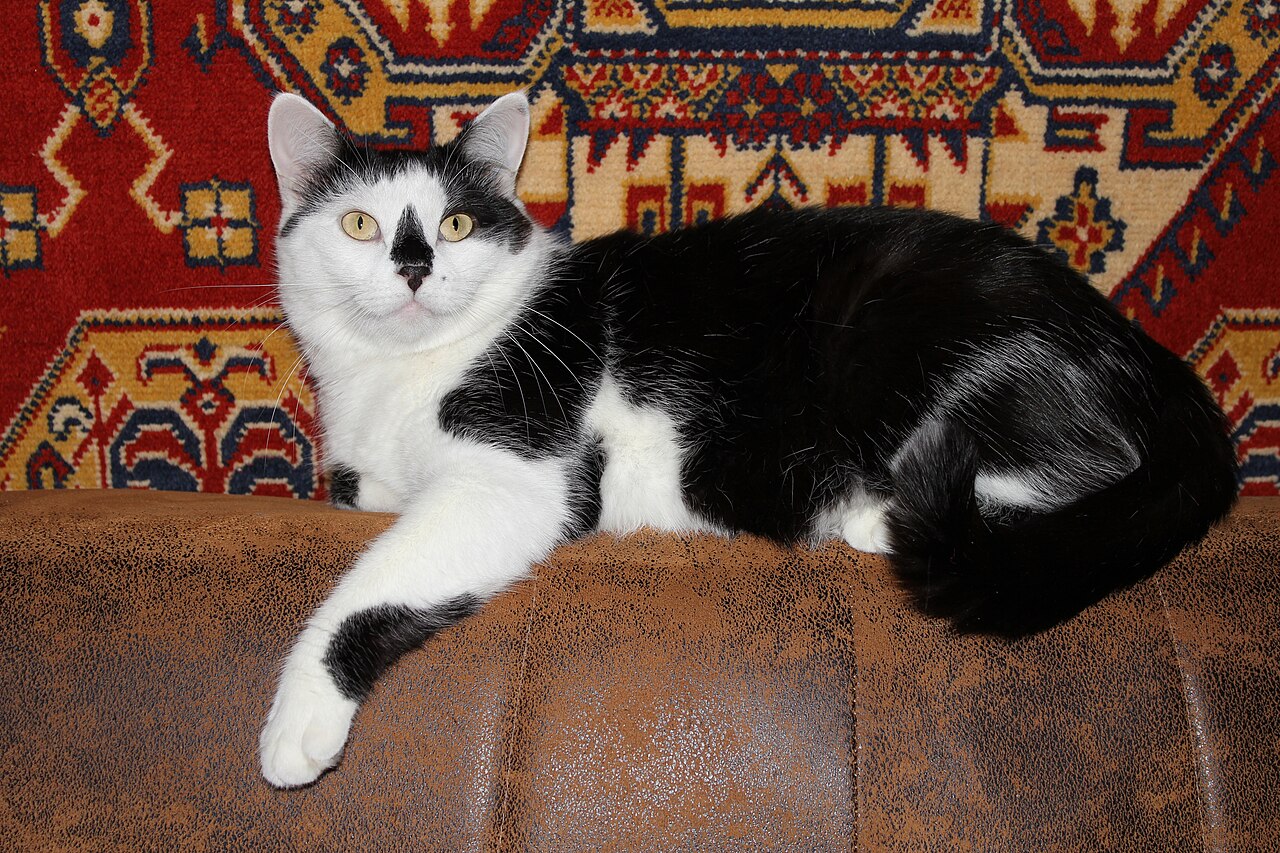
The house cat spirit animal stands for independence and intuition that live inside a safe home. When the domestic cat (Felis catus) shows up as your guide, it asks you to keep your freedom without giving up the comfort of belonging somewhere.
Independence, intuition and a safe home: the house cat spirit animal asks you to trust your instincts, guard your boundaries and act when the moment is right. The cat guards the home, as Bastet did in Egypt and the maneki-neko does in Japanese shops, and walks between worlds as the witch’s familiar of European folklore.
What the House Cat Spirit Animal Means
The house cat spirit animal means independence and intuition held together with a deep love of home comfort. The cat keeps its own schedule, follows its own judgment and still returns to the warm spot by the radiator every evening. You do not need to choose between freedom and belonging.
The house cat differs from its wild cousins in one key way. It chooses closeness and never accepts it by force.
Cats are most active at dawn and dusk, so the guide also stands for balance between light and dark, the known and the hidden. Its curiosity works the same way. A cat explores a new room one careful step at a time, whiskers first. Cat symbolism in general spans luck and mystery, and the house cat narrows it to home and self-trust.
Cat Totem: Traits of People Who Share It
People with the cat as totem are self-reliant, observant and need time alone to recharge. They notice small shifts in a room before anyone else does. They warm up slowly, and once they trust you, the bond holds.
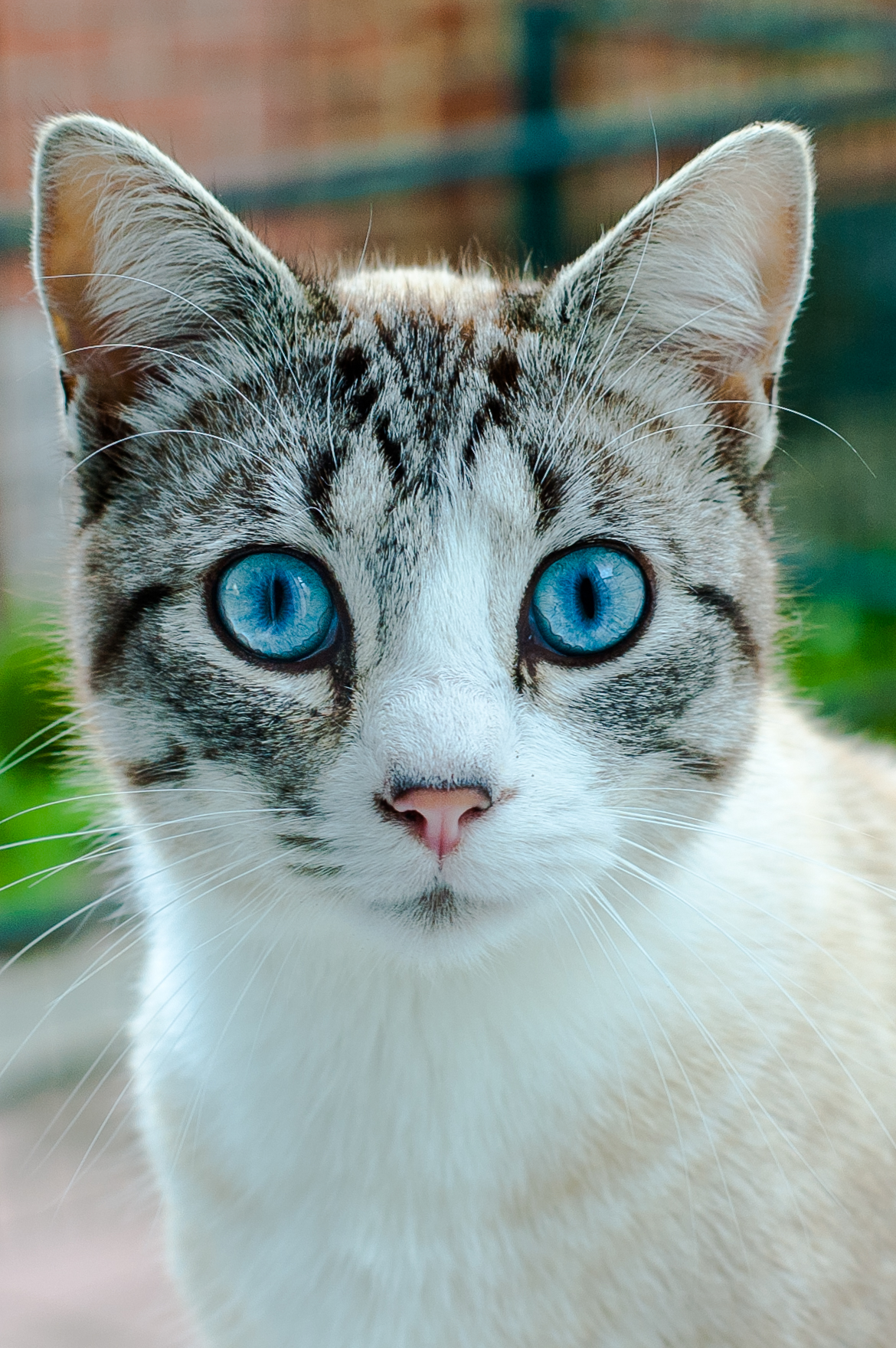
Their strengths are intuition and adaptability. Like a cat that lands on its feet, they recover from setbacks without much fuss and adjust to new homes, jobs and cities faster than most. They read people well because they watch before they speak.
The shadow side is aloofness. Cat people are hard to read and come across as moody when they simply need space. Partners and friends do best when they let them come and go. Coat color shifts the reading as well.
| Coat color | Traditional spiritual reading | Message if this cat appears |
|---|---|---|
| Black | Protection, mystery, the unseen | Trust what you sense but cannot prove yet |
| White | Purity and new beginnings | Start the project you keep postponing |
| Orange | Warmth, confidence, playfulness | Let more joy and humor into daily life |
| Tabby | Grounding and everyday wisdom | Small routines will steady you now |
| Calico | Luck and abundance | Expect a lucky turn and stay open to it |
| Gray | Calm, neutrality, quiet reflection | Step back and weigh both sides before deciding |
Breed adds a second layer. Thailand’s Tamra Maew, the cat-book poems of the Ayutthaya era, name the Wichienmaat, today’s Siamese, and the Si-Sawat, today’s Korat, among the cats that bring luck to a household. Thai couples still receive a Korat as a wedding gift for good fortune.
What the Cat Teaches: Timing, Rest and Boundaries
The cat teaches you to act at the right moment, not the first moment. A hunting cat sits motionless, then moves once and with full commitment. Apply that to big decisions. Gather what you need, wait, and then go.
Rest is the second lesson. A cat naps many times a day and never apologizes for it. Recovery is part of its work, not a break from it. Treat your own sleep the same way.
Boundaries come third. When a cat is done, it gets up and walks away without a long speech, and you are allowed to say no just as briefly. Curiosity with caution rounds out the lessons. Explore freely, but always know where the exit is.
How to Connect With Your Cat Spirit Guide
You connect with a cat spirit guide by watching a real cat closely. Note when it seeks you out, when it rests and when it withdraws to a high shelf. Those three moments map onto your own needs for contact, recovery and distance.
Meditation is the second route. Sit quietly, picture a cat in detail, ask one clear question and note the first image that comes back.
Keep a sign journal for about a month. Record every cat encounter, the time, the place and what was on your mind. Patterns show up faster on paper than in memory.
Cats at Your Door, Window and Path
A cat that crosses into your daily space wants attention for something you have been ignoring.
A stray cat comes to your house. A stray cat that comes to your house is an invitation to claim more independence. The animal chose you without being asked, and it points to the places in your life where you wait for permission you do not need.
A cat stares at you. A cat that stares at you is curious about you or comfortable with you. Spiritually, the stare means you are being truly seen, past the role you play for others. Look back softly and blink slowly.
A cat at your window or door. A cat at your window or door is a threshold sign. Something new is waiting to come in, a message, an offer or a change of view. Open the door in your life that you keep half closed.
A black cat crosses your path. A black cat crossing your path marks a turning point rather than a curse in many modern spiritual readings. The reading differs by place: bad luck in the United States, good luck in Britain.
Cats in Dreams: What They Mean
A cat in a dream stands for your intuition and your independent side. A calm cat says your instincts are sound right now. A hissing or scratching cat points to a hidden conflict, often with someone close to you. A kitten marks a new idea or relationship that still needs care.
A black cat in a dream asks you to face a fear you keep avoiding, and a white cat signals clarity after a confusing stretch. A dead cat marks the end of a phase in which you lost touch with your instincts. Many cats at once point to too many demands pulling at you, and a cat that follows you through the dream is the guide asking you to trust yourself.
Cats in Folklore: Egypt, Norse Myth, Japan and Scotland
In many traditions the cat plays one of two roles, guardian of the home or go-between with the otherworld. In ancient Egypt, cats were linked to Bastet, the goddess who protected home and family. Cats kept rodents out of grain stores, and that usefulness is often cited as one reason the animal became linked with a protective goddess.
Norse myth gives the cat a place among the gods. Freyja, goddess of love and fertility, rides in a chariot pulled by two cats. In Japan, the maneki-neko, the beckoning cat figurine with one raised paw, stands in shops and homes to invite luck and customers through the door.
The Scottish Highlands tell a darker story. The Cat Sìth is a large black fairy cat with a white spot on its chest, and Highland families feared it would steal a soul before burial, so they kept watch over the body at wakes. Together, these traditions explain why a house cat feels like both a protector and a messenger from somewhere else.
Witches, Familiars and the Cat’s Magical Reputation
In early modern Europe, cats became the classic witch’s familiar, the animal helper that trial records placed beside accused women. The pamphlet on the 1566 Chelmsford trial describes Elizabeth Francis and her white spotted cat named Sathan, which she said carried out her wishes.
The familiar belief explains why the cat still stands for a guide between worlds. An animal that walks at night, sees in the dark and keeps its own counsel made an easy suspect. Black cat symbolism took the hardest hit and turned into the bad luck omen that persists in the United States.
Contemporary pagans reclaim the cat as a magical ally. They keep cats close during ritual and treat them as partners in quiet work.
Do Cats Spiritually Protect You?
Yes. Cats protect the home in spiritual belief, a role that goes back to ancient Egypt, where cat amulets of Bastet guarded households against illness and evil spirits. The belief holds that cats deflect or absorb negative energy before it reaches the people inside. A cat that sleeps by your bed at night takes the watch position.
Believers cite warning signs too. A cat hissing at empty space or refusing to enter one room points to energy that needs clearing.
Can Cats Sense Spirits? Cats, Death and the Other Side
Yes, in British and Irish folk belief cats see spirits that people cannot, which is why owners read a cat staring at an empty corner as a sign of a presence. A cat tracks something across the ceiling, flattens its ears and leaves the room. Biology offers a plainer answer, since cats see far better than people in low light and catch motion we miss.
Grieving owners ask whether cat spirits stay with them. Many report a felt presence after a cat dies, a weight settling on the bed or a soft sound at the usual hour. They do, and a beloved cat’s spirit lingers near its favorite places for a time after death.
Some believers also turn the question around. Many modern believers read a relaxed cat that sleeps in every room as a sign of a spiritually clear house. A cat that avoids one corner for weeks marks a place worth airing out, cleaning and resetting.
House Cat vs. Wild Cat Spirit Animals
Wild cats carry their power out in the open. Lion symbolism centers on leadership and public courage.
The tiger stands for raw willpower, the lynx for secrets and the bobcat for solitude outdoors. The house cat is the only feline guide that chooses human company. The European wildcat (Felis silvestris) looks much like a tabby, yet it keeps away from people.
Pick the house cat if you crave freedom yet value a safe base to come back to. Pick a wild cat if your path calls for open confrontation or long stretches alone.
Frequently Asked Questions
What are the signs a cat trusts you?
Slow blinks, a belly shown and kneading on your lap are the clearest signs a cat trusts you. A trusting cat also sleeps in your presence and turns its back to you, since it no longer feels the need to watch you. Rubbing its cheeks on you marks you as family.
What are signs that a cat misses you?
Greeting you at the door, extra meowing when you return and sleeping on your clothes while you are away are signs a cat misses you. Some cats follow you from room to room after a trip. Others act cool at first and then settle on your lap once they forgive the absence.
Can cats be your guardian angel?
Yes. In modern angel lore, a cat that arrives right after a loss or stays close through an illness is read as a guardian sent to watch over you. Islamic tradition gives cats a related status as ritually clean animals that may enter homes and mosques.
Do cats warn you of danger?
Yes. Sailors in British folklore read a restless, frisky cat as the warning of a coming storm. At home a cat warns with a puffed tail, flattened ears, a low growl or by refusing to enter a room.
Does the maneki-neko’s raised paw mean something?
Yes. In Japanese shop tradition a raised left paw beckons customers and a raised right paw beckons money. A calico maneki-neko counts as the luckiest color.
Do cats sense when someone is about to die?
Yes, in European folk belief a cat that settles beside a sick person and will not leave announces a coming death, a reading that ties the cat to its role as guide between worlds.
Sources