Are Squirrels Nocturnal? No, So What Is in Your Attic?
Squirrels are not nocturnal. The tree squirrels you see in American yards, gray squirrels and fox squirrels, are diurnal, and they do almost all of their feeding, caching and chasing between sunrise and sunset. If you are asking “are squirrels nocturnal” because something is thumping overhead after dark, the animal making that noise is usually not a gray squirrel.
There is one real exception, and it explains most of the confusion. Flying squirrels are genuinely nocturnal, they are common across the United States, and most people never see one. Knowing which squirrel is which tells you what the noise overhead actually is.
Squirrels are diurnal, not nocturnal. Gray and fox squirrels are most active for two to three hours after sunrise and again in late afternoon, and they sleep through the night in a nest. The only truly nocturnal squirrels in North America are flying squirrels, which feed and glide from dusk until dawn.
| Squirrel | Activity pattern | Peak hours | Active at night? |
|---|---|---|---|
| Eastern gray squirrel (Sciurus carolinensis) | Diurnal | Dawn plus late afternoon | No |
| Fox squirrel (Sciurus niger) | Diurnal | Mid morning to midday | No |
| Red squirrel (Tamiasciurus hudsonicus) | Diurnal | Early morning | No |
| Southern flying squirrel (Glaucomys volans) | Nocturnal | 1 to 2 hours after dusk | Yes |
| Northern flying squirrel (Glaucomys sabrinus) | Nocturnal | Dusk and pre dawn | Yes |
| Eastern chipmunk (Tamias striatus) | Diurnal | Morning and late afternoon | No |
Are Squirrels Nocturnal or Diurnal?
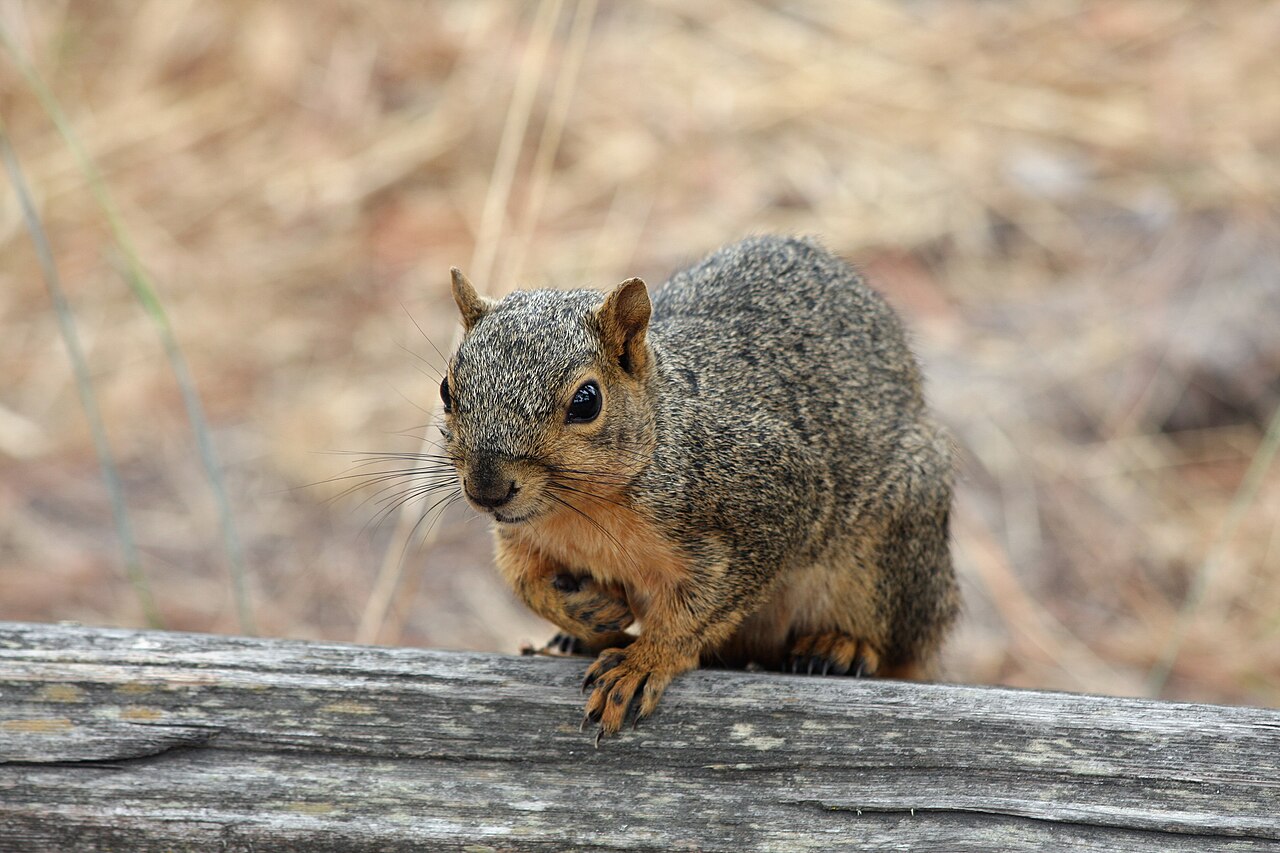
Tree squirrels are diurnal, which means their internal clock is tied to daylight. Gray squirrels leave the nest within about half an hour of sunrise, forage hard for two to three hours, rest through the hottest part of the day, then feed again in the two hours before dark. Fox squirrels shift later and are often the squirrel you still see at noon in July.
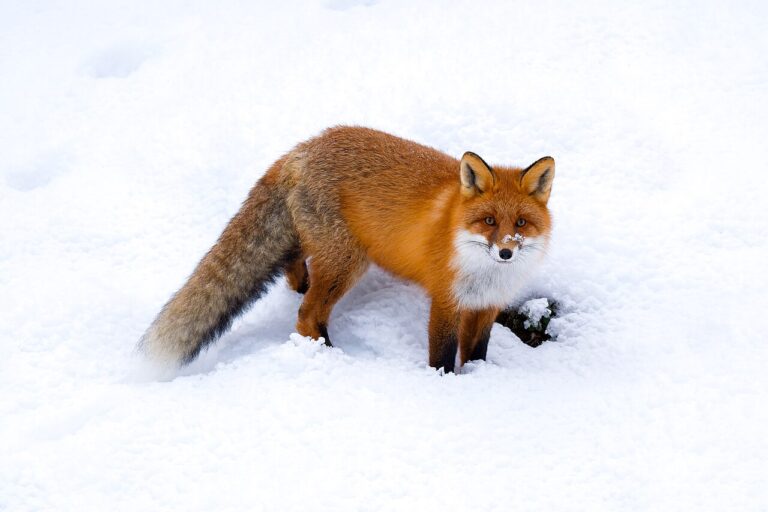
That pattern is a survival strategy. Squirrels rely on sharp daylight vision and color contrast to judge branch gaps, spot hawks and relocate buried nuts, and none of that works in the dark. The same rule holds for chipmunks, while foxes run the opposite schedule and hunt the same yards after the squirrels have gone to bed.
Why Would a Squirrel Be Out at Night?
A diurnal animal breaking its own schedule usually has a reason. The most common one is disturbance: a predator at the nest, a felled tree, a storm or a cat can push a gray squirrel out of its drey after dark, and it will move only as far as the next safe cavity. Artificial light matters too, and squirrels near street lamps run later into the evening than woodland squirrels.
The other reasons are seasonal. In late winter, males tracking a female in estrus extend activity into dusk and beyond, and injured or sick squirrels lose their rhythm entirely. A single squirrel out at night is not alarming. One that is out repeatedly, moving slowly and showing no fear, is worth reporting to a wildlife rehabilitator.
Flying Squirrels Are the Squirrel That Really Is Nocturnal
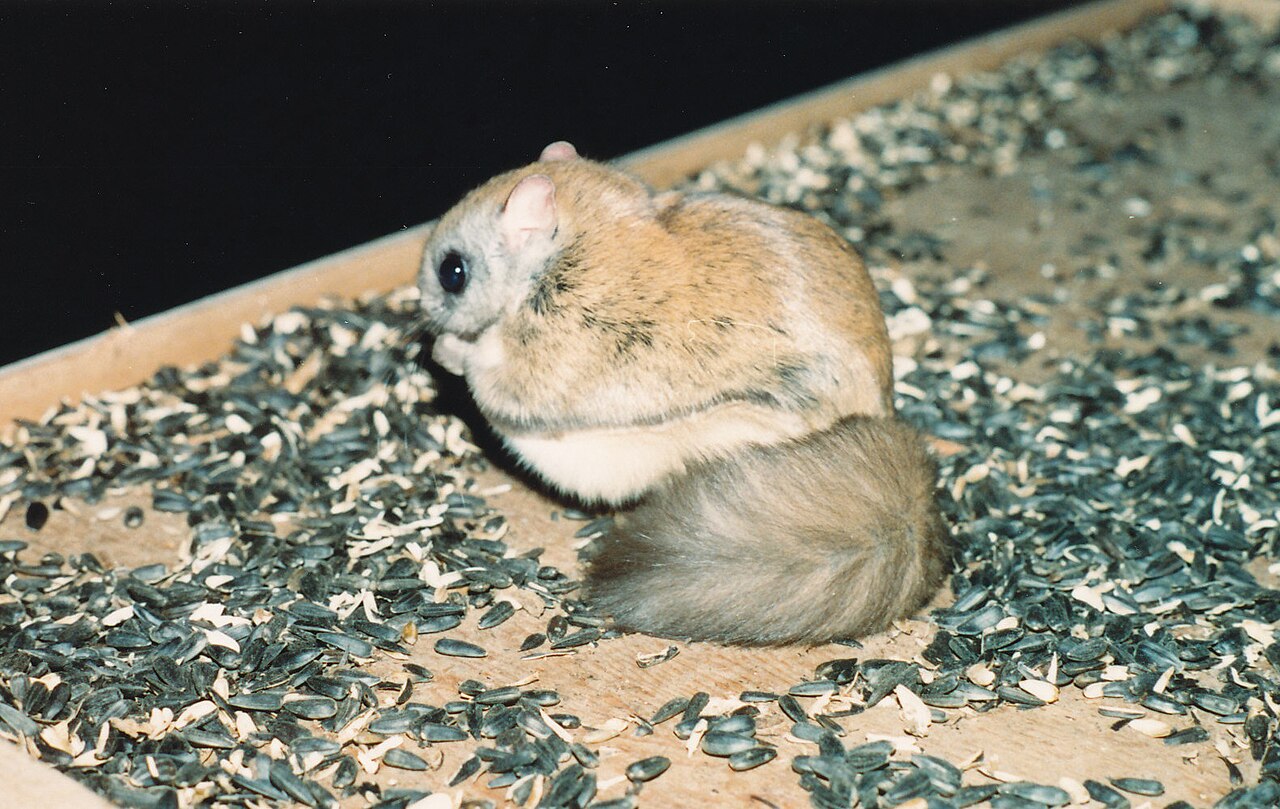
Southern and northern flying squirrels are strictly nocturnal and far more common than most homeowners realize. A southern flying squirrel runs 9 to 10 in (23 to 25 cm) nose to tail tip, weighs 2 to 3 oz (57 to 85 g), and has huge black eyes built for low light. It does not fly; it glides on a membrane called the patagium, covering 20 to 60 ft (6 to 18 m) between trunks.
They emerge about an hour after full dark, feed on nuts, seeds, fungi and insects, and return before first light. Because they are quiet, small and airborne, sightings stay rare even where populations are dense. The Smithsonian’s National Zoo animal guide compares the two North American species side by side.
Are Squirrels Active at Night in Attics?
This is where the question usually comes from, and the timing of the noise is the best clue you have. Scratching and scampering that starts at dawn and stops mid morning points to gray squirrels. Soft, light skittering that begins an hour after dark and comes in bursts until the early hours points to flying squirrels. Heavy, slow dragging at night is more often a raccoon.
Rats and mice also run at night, but their movement is faster and more constant, and they leave different droppings. Comparing squirrel droppings against rat droppings in the insulation settles it faster than listening does, and squirrel calls are distinctive in a way rodent noise is not.
What Animal Are Squirrels Most Afraid Of?
Squirrels react most sharply to aerial predators. Red tailed and Cooper’s hawks take adult squirrels in daylight, and a single hawk silhouette will freeze a whole yard of squirrels against a trunk. On the ground, cats, foxes, coyotes and rat snakes are the main threats, and raccoons take nestlings.
At night the pressure shifts to owls. Great horned and barred owls hunt exactly the hours a squirrel cannot see well, which is much of why tree squirrels stay in the nest from dusk to dawn. Flying squirrels pay that price, and their gliding escape is a direct response to it. Deer face a similar timing trade off in the same woodlots.
Where Squirrels Sleep at Night
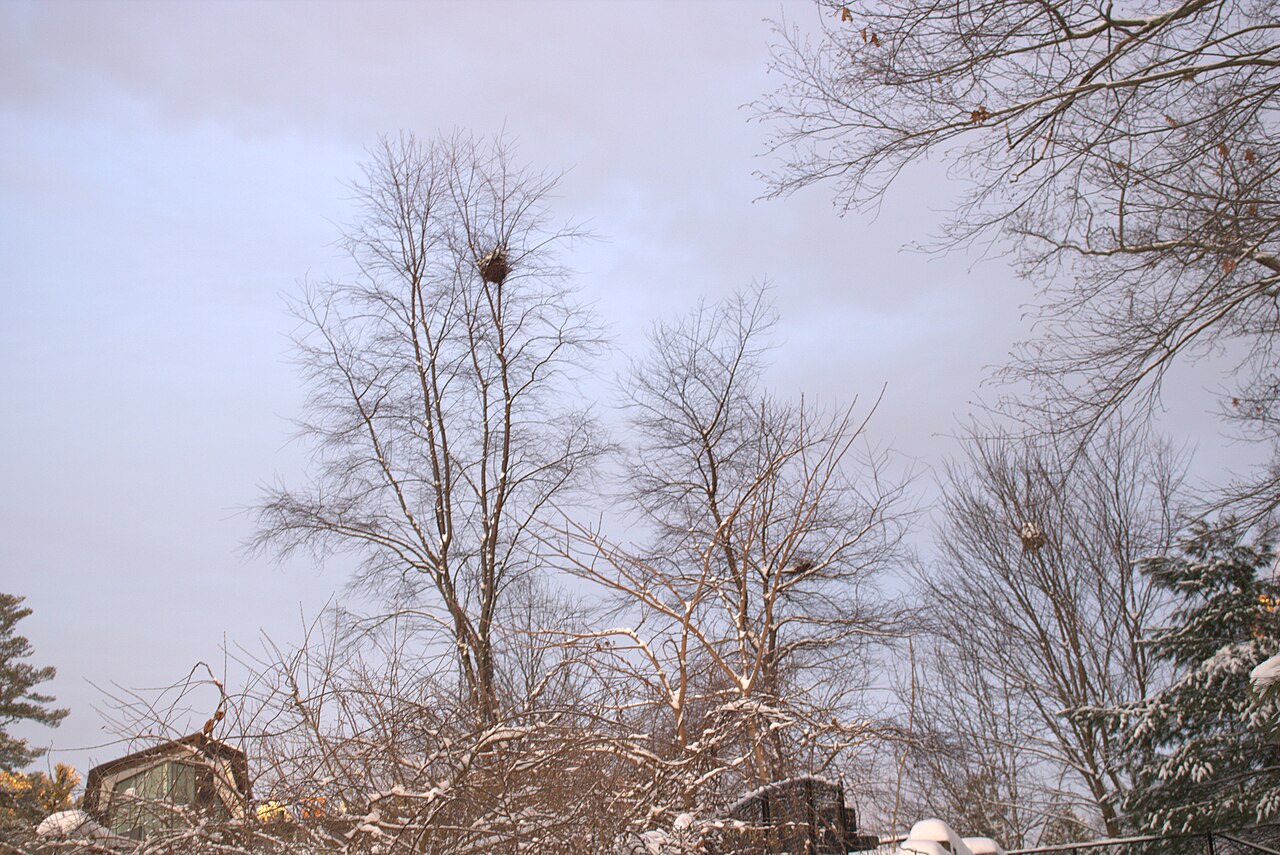
Gray and fox squirrels sleep in one of two places. The first is a drey, a ball of leaves and twigs 20 to 45 ft (6 to 14 m) up in a fork and lined with shredded bark and moss. The second is a tree cavity, usually an old woodpecker hole, which is warmer and far safer in winter. Most squirrels keep several of both.
In hard cold they share dens to conserve heat and can stay inside for two or three days during a storm, though they do not hibernate. Females raise young in cavities wherever they can find one, which is why baby squirrels are almost never seen until they are nearly adult sized.
Frequently Asked Questions
Are grey squirrels nocturnal?
No. Grey squirrels, spelled gray squirrels in the United States, are strictly diurnal. They leave the nest near sunrise, peak in the first two to three hours of daylight, feed again before dusk, and sleep through the night. A grey squirrel moving after dark has usually been disturbed by a predator, a storm or tree work.
Why do you rarely see baby squirrels?
Young squirrels stay inside a cavity or drey for about 10 to 12 weeks before they first come out. By the time they leave the nest they are close to adult size, so most of the small squirrels people assume are babies are simply young adults. A baby squirrel found on the ground has almost always fallen.
What is the 5 7 9 rule for squirrels?
It is a bird feeder placement guideline: mount the feeder at least 5 ft (1.5 m) off the ground, 7 ft (2.1 m) away from any launch point such as a fence or roof, and 9 ft (2.7 m) below overhanging branches. Those distances exceed a squirrel’s jump. Pairing it with a squirrel proof feeder works better than either alone.
Can squirrels recognize people?
Yes, to a useful degree. Urban squirrels learn to distinguish individual humans by gait, clothing and routine, and they adjust their flight distance accordingly. Squirrels fed regularly by one person will approach that person and keep a wider distance from strangers. This is learned tolerance rather than affection.
What smells do squirrels absolutely hate?
Capsaicin is the only deterrent with consistent results, which is why pepper treated birdseed works. Peppermint oil, garlic, vinegar and predator urine are widely recommended and fade within days of rain. No smell keeps a determined squirrel out of an attic; sealing the entry point does.
Are chipmunks nocturnal?
No. Eastern chipmunks are diurnal and follow much the same schedule as gray squirrels, with a morning peak and a second burst in late afternoon. They spend nights in an underground burrow system and go into long periods of torpor through winter, emerging only to eat from their stores.