Komodo Dragon Speed: 12 mph, and Why That Is Enough
A Komodo dragon can run about 11 to 13 mph (18 to 21 km/h), and it can only hold that pace for a few seconds before it has to stop and cool down. That is fast enough to catch a water buffalo standing in mud and fast enough to close a 20 ft gap before a person reacts, but it is nowhere near the 30 mph figure that circulates on video clips and forums. Komodo dragon speed is a short, violent burst bolted onto a body built for patience.
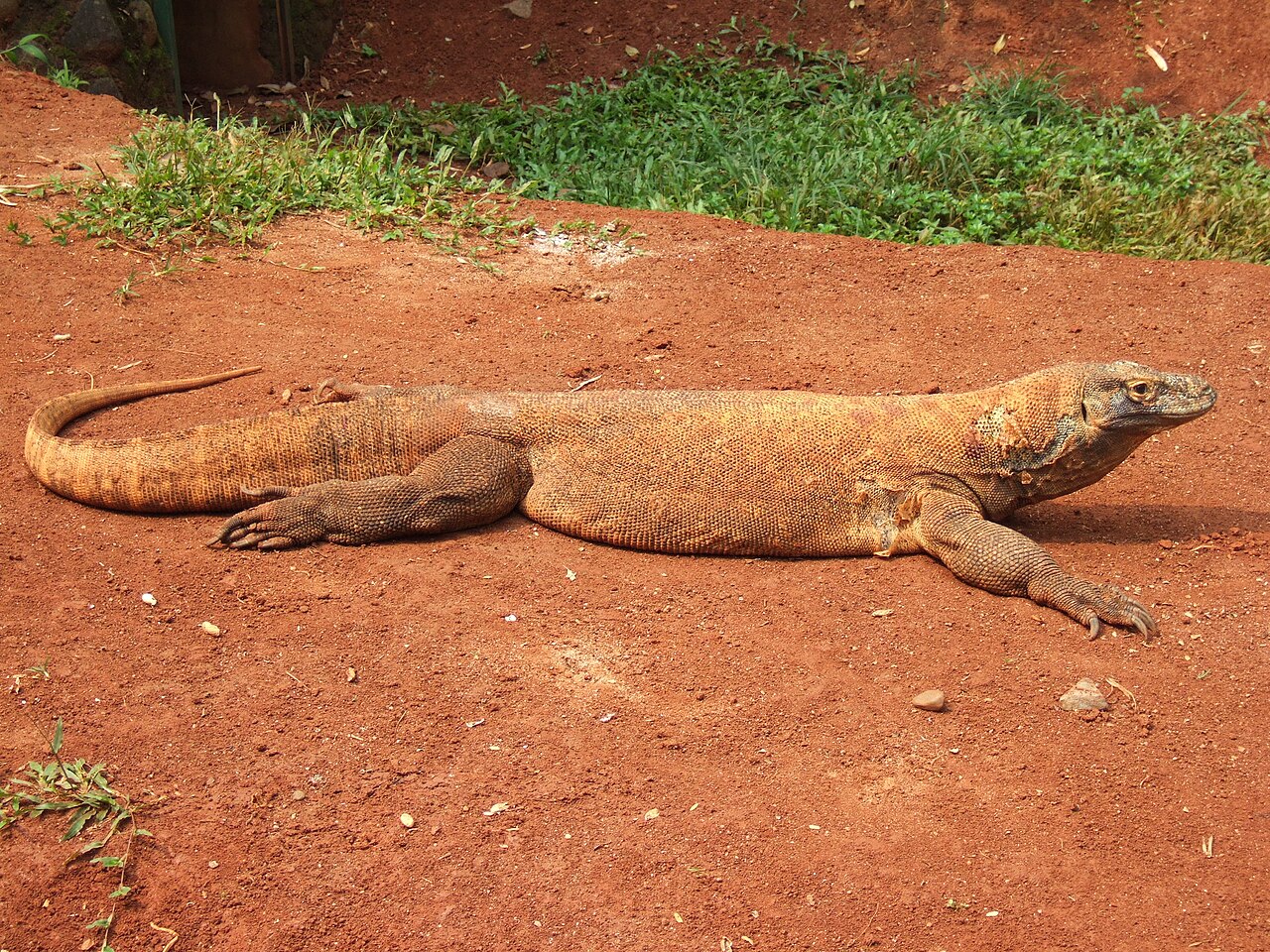
The world’s largest lizard (Varanus komodoensis) weighs up to 150 lb (68 kg) and hunts by ambush, not by pursuit. Understanding how fast it actually moves, how long it can keep moving, and what happens in the seconds after it reaches you matters more than any single top speed number. Here is what the measurements from Komodo National Park and zoo studies actually show.
Komodo dragons sprint at roughly 11 to 13 mph (18 to 21 km/h) in short bursts of 20 to 30 seconds. An average adult human sprints at about 15 mph, so a fit person can outrun a Komodo dragon over open ground. The lizard’s real weapon is a venomous bite that causes rapid blood loss, not foot speed.
| Question | Answer |
|---|---|
| Top running speed | 11 to 13 mph (18 to 21 km/h) |
| How long it lasts | 20 to 30 seconds, then overheating |
| Swimming speed | Roughly 3 mph (5 km/h), sustained for hours |
| Average human sprint | About 15 mph (24 km/h) |
| Adult weight | 150 to 200 lb (68 to 91 kg) |
| Adult length | 8 to 10 ft (2.4 to 3 m) |
| Hunting method | Ambush from cover, not pursuit |
How Fast Can a Komodo Dragon Run?
A healthy adult Komodo dragon tops out between 11 and 13 mph (18 to 21 km/h). Field observers in Komodo National Park and keepers at the Smithsonian’s National Zoo both land in that range, and Earth Rangers cites 18 km/h, which sits exactly in the middle of it. The number describes a flat-out charge over level ground, not a cruising pace.
Most of the time a Komodo dragon moves at a slow, swinging walk of 2 to 3 mph. That gait is what people see in documentaries, and it is why the animal reads as lazy. The sprint appears only in two situations: a strike on prey within roughly 30 ft, and a rush at a rival over a carcass.
Juveniles are quicker off the mark in relative terms but slower in absolute speed, because a 5 lb yearling simply covers less ground per stride. If you want the full picture of how the animal changes as it grows, the differences start at hatching, as our guide to the young Komodo dragon lays out.
Can a Komodo Dragon Run 30 mph?
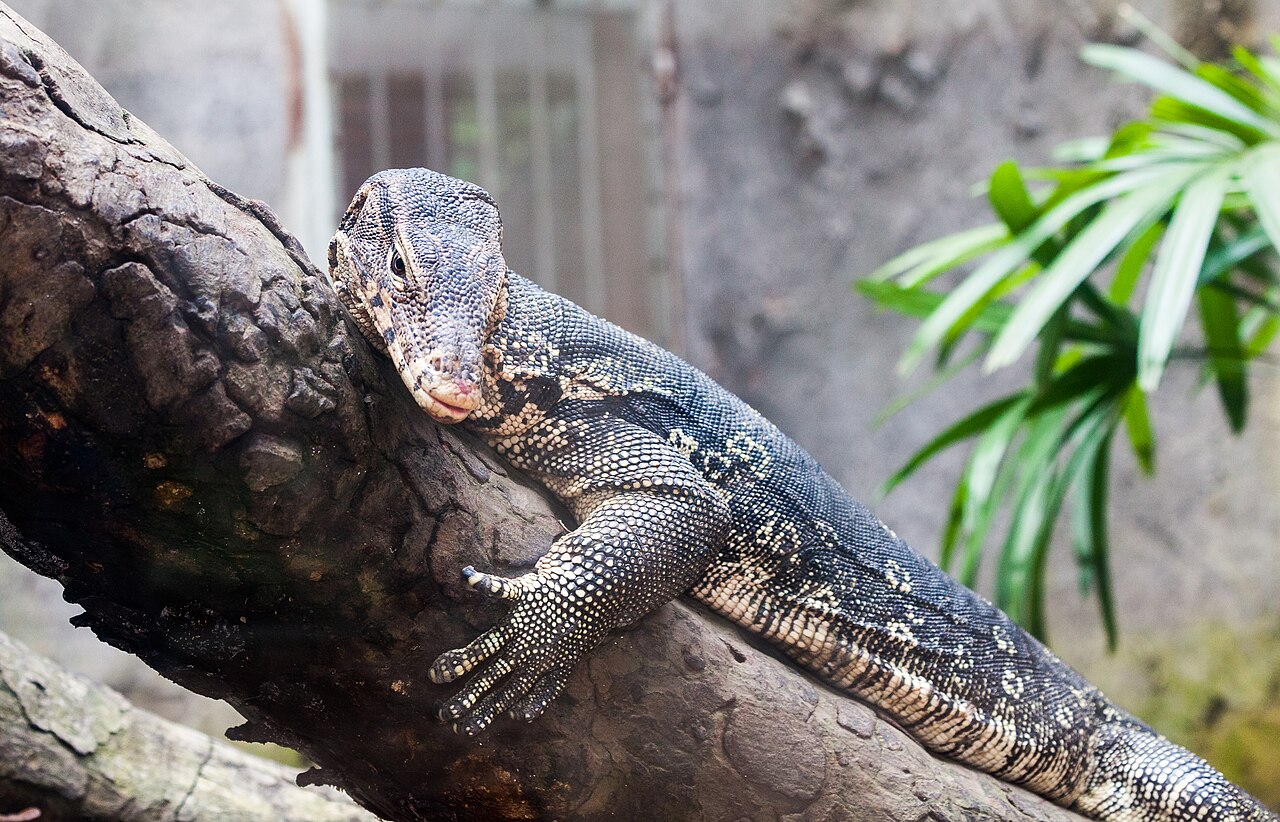
No. A Komodo dragon cannot run 30 mph, and no measured observation has ever come close to that figure. The 30 mph claim traces back to a mistranslation of “30 km/h” that spread through aggregator sites and short video captions, and 30 km/h is itself about 50 percent above the reliable field numbers.
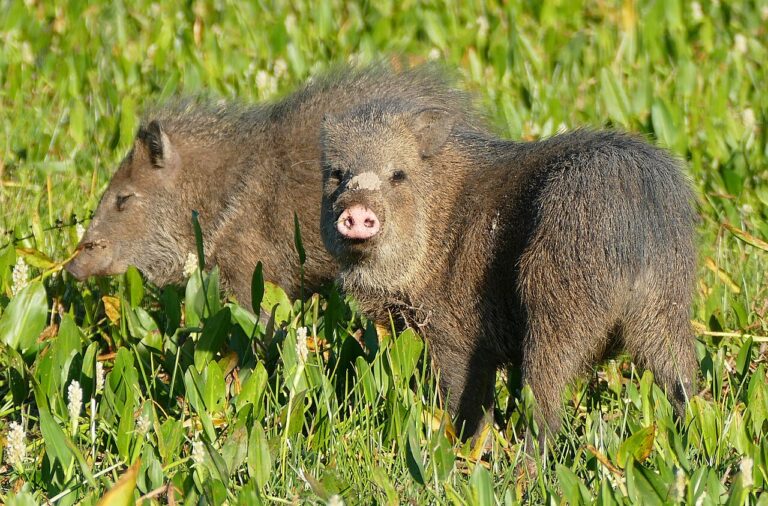
The physics argue against it. A sprawling lizard swings its limbs out to the side rather than underneath the body, which costs energy on every stride and caps stride frequency. Mammals of similar mass that genuinely reach 30 mph, such as a wild boar, carry their legs under a vertical shoulder joint.
Treat any source citing 20 mph or higher as unverified. Where careful sources disagree, the spread is narrow: the honest range is 10 to 13 mph, with 13 as a generous ceiling for a large, cool, motivated animal.
Can a Komodo Dragon Outrun a Human?
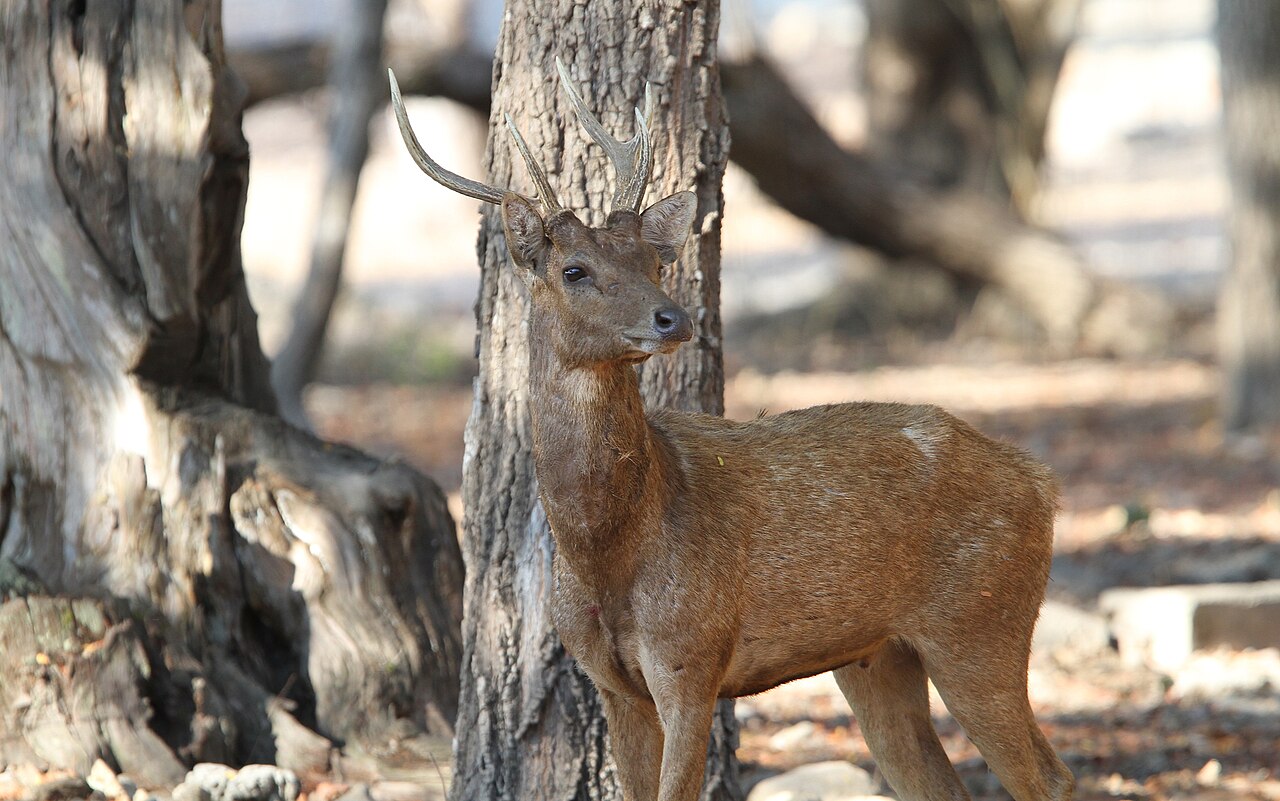
Over open ground, a healthy adult human outruns a Komodo dragon. An untrained adult sprints at roughly 15 mph for a few seconds, and even a moderate jogger holds 8 to 9 mph far longer than the lizard can hold 12. Distance is the human advantage, and it widens every second.
The dangerous scenario is the first 20 ft. Komodo dragons ambush from tall grass and strike before the target registers movement, so the contest is usually decided before anyone starts running. A person caught inside that radius does not get to use their top speed.
Terrain flips the math too. On loose volcanic scree, through scrub, or uphill, the dragon’s low center of gravity and clawed feet hold up better than human footing. Park guides on Komodo and Rinca carry forked sticks for exactly that reason, not because they expect to lose a footrace.
How Long Can a Komodo Dragon Sprint?
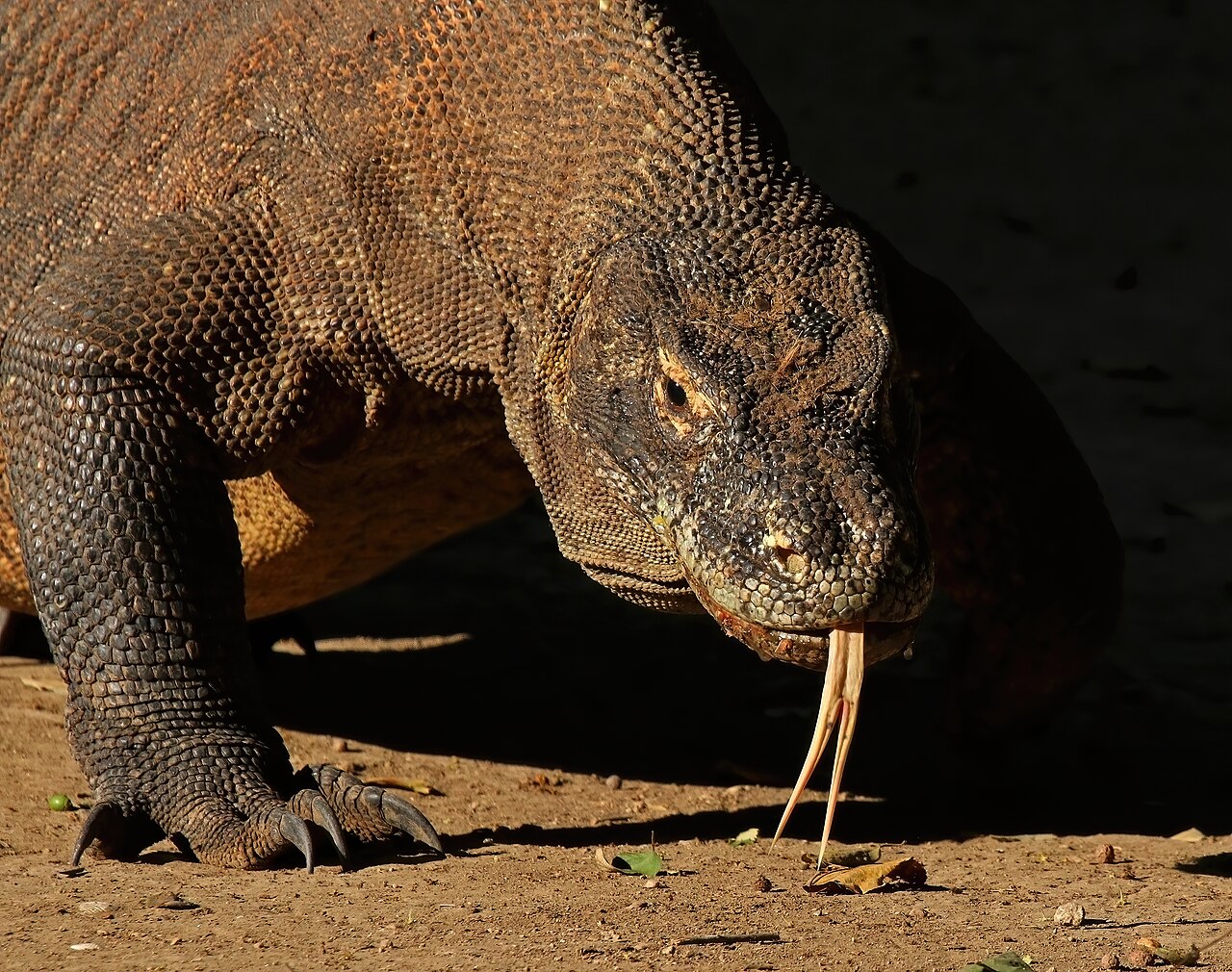
Twenty to thirty seconds is the realistic ceiling, and many charges end in under ten. Like most large reptiles, Komodo dragons rely heavily on anaerobic metabolism during exertion, which floods the muscles with lactic acid within seconds and forces a stop.
Recovery is slow. After a hard sprint the animal may stand with its mouth open for many minutes, panting through the throat to shed heat, because it cannot sweat. That single limitation explains the entire hunting strategy: a predator with a 20 second engine has to make the first strike count.
Ambient temperature moves the number. A dragon that has been basking at 95 F (35 C) tires faster than one working in the cooler morning, so the fastest, most persistent charges happen early in the day.
Komodo Dragon Speed in Water
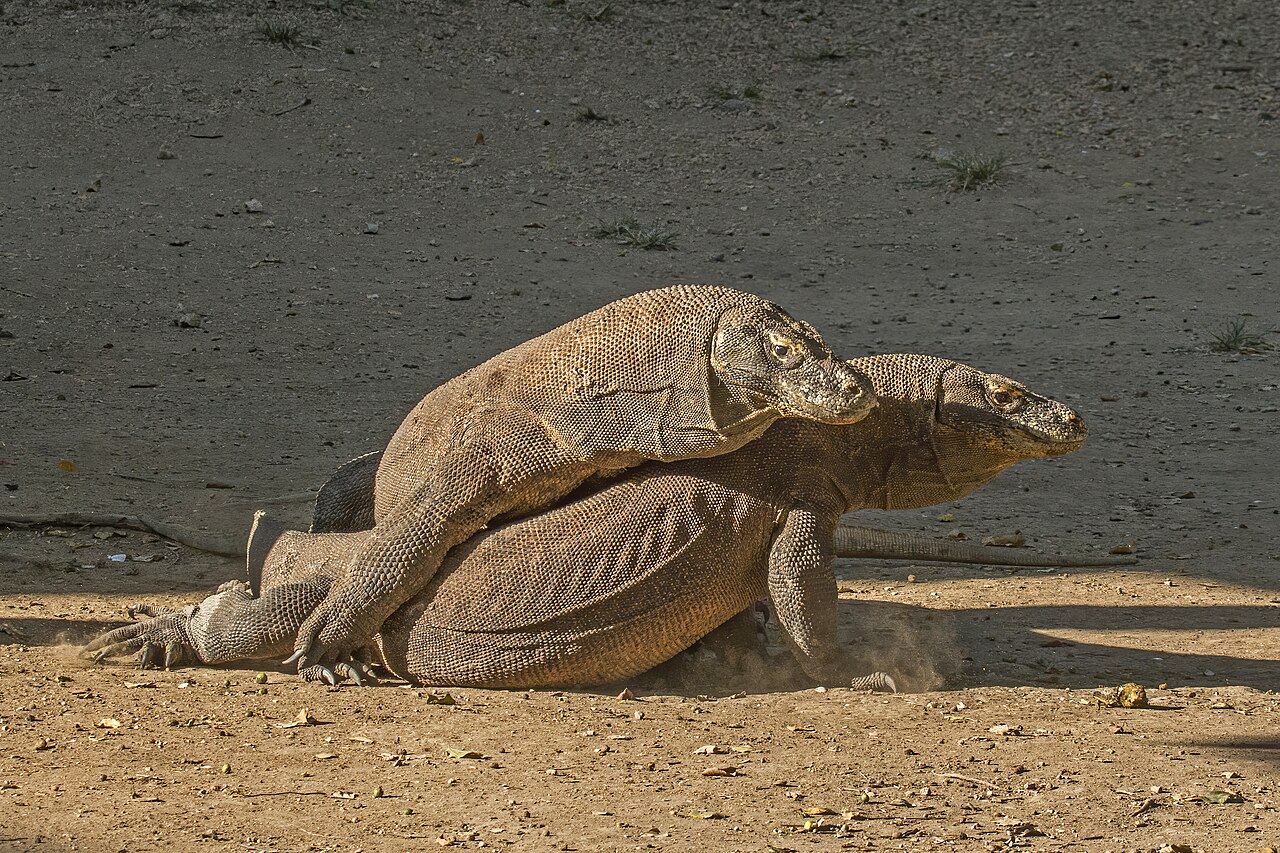
In water a Komodo dragon swims at roughly 3 mph (5 km/h), slower than it runs but vastly more durable. Individuals have been recorded crossing channels of several hundred yards between islands in the Lesser Sunda chain, using a lateral tail stroke with the legs held against the body.
Swimming is also how the species reached its scattered island range. Genetic work shows limited but real movement between Komodo, Rinca, Gili Motang and Flores, which only happens if adults occasionally swim open water. Strong currents, not stamina, are the practical limit.
Young dragons are the better swimmers relative to size, and they are also the better climbers. Both skills serve the same purpose: staying away from adults that will happily eat them.
Can Komodo Dragons Run on Two Legs?
Komodo dragons do not run on two legs. They rear onto the hind limbs and brace with the tail in a tripod stance, usually to reach carrion hanging in a tree, to scan over grass, or to grapple with a rival during the mating season. It is a standing posture, not a gait.
Photos of a dragon apparently running upright almost always catch this tripod stance mid-rise, or show a smaller monitor species. Some lizards do sprint bipedally, most famously the basilisk, but those animals weigh ounces rather than pounds.
At 150 lb, the spine and hip geometry of an adult Komodo dragon simply will not support bipedal running. The rear-up itself is impressive enough: a full-grown male standing on his tail reaches roughly 5 ft (1.5 m).
How Body Size Changes Komodo Dragon Speed
Bigger dragons are not faster dragons. The largest males, at 200 lb (91 kg), sprint at the low end of the range and tire fastest, while a lean 90 lb animal turns and accelerates noticeably better. Mass helps in a fight over a carcass, not in a chase.
Hatchlings live in a different world entirely. At 16 in (40 cm) and a few ounces, they spend their first year in trees, where agility beats raw speed, and they eat insects, geckos and eggs. Their adult-sized appetite arrives long before adult-sized speed does.
That trade between bulk and agility runs through the whole lizard family. A constrictor takes it to the opposite extreme, trading speed for grip entirely, which is why the ball python relies on a single explosive coil rather than a chase.
Speed Is the Backup Plan, Not the Hunt
Komodo dragons hunt by waiting. An adult will lie motionless beside a game trail for hours, often partly buried in leaf litter, and strike a deer or pig that walks within a body length. The sprint is what happens after the ambush fails, and it usually fails quickly.
When the strike lands but the prey escapes, the dragon switches from pursuit to tracking. It follows the wounded animal by scent for hours or even days, using the forked tongue and the Jacobson’s organ to read airborne particles, and arrives when the prey collapses.
That is why speed matters so little to the outcome. The bite does the work and the nose finishes the job, which makes a Komodo dragon closer to a slow bleeder of an ambush predator than to a cheetah.
Komodo Dragon Speed Compared With Other Monitor Lizards
Among monitors the Komodo dragon is the biggest and one of the slowest. The Asian water monitor (Varanus salvator), at a third of the weight, runs comparably fast on land and swims far better, and the smaller spiny-tailed monitors are quicker still over short distances.
The perentie (Varanus giganteus) of Australia, the second largest monitor, is widely described as the fastest of the group, sprinting with the body held clear of the ground. Weight, again, is the deciding variable across the genus.
Compared with other reptiles, 12 mph is respectable but unremarkable. A black mamba manages about the same, an American alligator lunges faster over 10 ft, and most speed records in the reptile world belong to small, light-bodied animals like the corn snake rather than heavyweights.
What Happens If a Komodo Dragon Bites You
A Komodo dragon bite tears rather than crushes. The teeth are serrated, curved and about 1 in (2.5 cm) long, and the animal pulls backwards while biting, opening long lacerations. On top of that, glands in the lower jaw deliver a venom containing anticoagulants and proteins that drop blood pressure.
The older story about lethal mouth bacteria has largely been replaced. Research led by Bryan Fry in 2009 identified true venom glands, and follow-up work found Komodo dragon saliva no dirtier than that of many carnivores. The practical effect is the same: a wound that keeps bleeding.
What if a Komodo dragon licks you? Nothing happens. Tongue contact carries no venom and no meaningful infection risk, since the venom is delivered by grooved teeth during a bite. A lick is the animal sampling your scent, which in a wild dragon is a reason to leave, not to panic.
How Long Can a Human Survive a Komodo Dragon Bite?
With modern medical care, a bitten person usually survives, and the danger window is measured in hours rather than minutes. The combination of anticoagulant venom and deep lacerations produces steady blood loss and shock, so the outcome depends almost entirely on how fast bleeding is controlled.
Untreated, a severe bite to a limb artery can become life-threatening within a few hours. The 2001 case of a zoo visitor bitten on the foot in Los Angeles required surgery but healed, while fatal wild attacks have generally involved multiple bites or remote locations with no access to care.
Standard treatment is direct pressure, aggressive wound irrigation, tetanus prophylaxis and antibiotics as a precaution. The venom itself has no antivenom, and none is considered necessary; stopping the bleeding is the whole of the emergency. The Smithsonian’s National Zoo keeps a detailed species profile for anyone who wants the clinical background.
What Animal Kills a Komodo Dragon?
Adult Komodo dragons have no natural predators except other Komodo dragons. Cannibalism is a routine part of the species’ ecology, and roughly one in ten dragon meals is another dragon, which is precisely why hatchlings live in trees and roll in feces to mask their scent.
Juveniles are also taken by large birds of prey, feral dogs and wild boar. Humans remain the largest long-term threat through habitat loss and prey depletion, with fewer than 1,400 breeding adults left across the range and an endangered listing to match.
What is a Komodo dragon afraid of? Larger dragons, mainly. Adults defer to bigger individuals at a carcass, and they avoid humans in most encounters. Loud noise, sticks and a confident upright posture are usually enough to turn one away, the same principle that makes a startled African bullfrog bluff rather than fight.
Related reading: Komodo Dragon Venom.
Related reading: Komodo Dragon Teeth.
Related reading: Komodo Dragon Lifespan.
Frequently Asked Questions
Can a Komodo dragon outrun a human?
Not over any real distance. A Komodo dragon peaks near 12 mph for under 30 seconds, while an average adult sprints around 15 mph and a jogger sustains 8 mph for miles. The risk is being ambushed inside 20 ft, where top speed never comes into play for either side.
Can a Komodo dragon run 30 mph?
No. The 30 mph claim comes from a garbled conversion of 30 km/h and is roughly triple the measured speed. Field and zoo observations consistently put the sprint at 11 to 13 mph, and the sprawling limb posture of a 150 lb lizard makes anything faster mechanically implausible.
How fast can a Komodo dragon swim?
About 3 mph (5 km/h), using the tail for propulsion with the limbs tucked in. Unlike running, swimming can go on for hours, and adults have crossed channels several hundred yards wide between islands. Currents limit these crossings far more than stamina does.
Has a Komodo dragon ever killed a human?
Yes, though fatal attacks are rare. Fewer than a dozen deaths have been documented in the last century across the species’ range, including an eight-year-old boy on Komodo Island in 2007. Most attacks involve people who approached, fed or surprised a dragon at close range.
What if a Komodo dragon licks you?
Nothing harmful happens. Venom sits in glands that empty along the teeth, so it is delivered by a bite, not by the tongue. A flicking tongue means the animal is collecting scent particles to identify you, which is a good moment to back away calmly and put distance between you.
What is a Komodo dragon afraid of?
Mostly larger Komodo dragons. Adults yield to bigger rivals at carcasses, and cannibalism keeps young dragons in the trees for their first year. Toward people they are wary rather than bold, and park rangers turn them away with a forked stick and noise rather than force. Pet reptiles show a similar retreat-first instinct, which is why a calm approach works better than a fast one whether you keep bearded dragons or watch wild monitors.