Monitor Lizard as a Pet: 7 Species Ranked by Difficulty
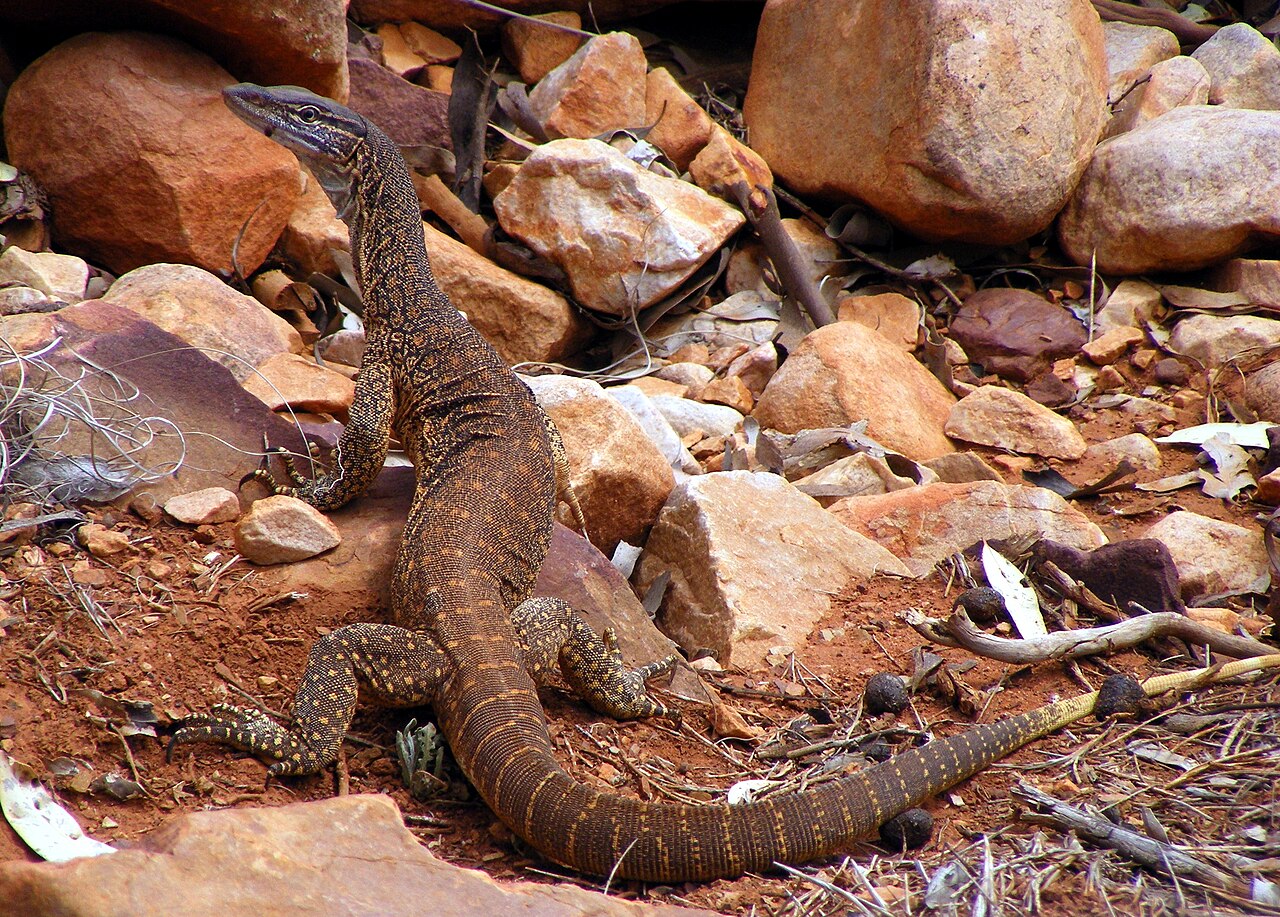
A monitor lizard can be kept as a pet, but only two of the species sold in US stores are realistic for a private keeper: the ackie monitor (Varanus acanthurus) and, with real effort, the savannah monitor (Varanus exanthematicus). Everything larger needs a custom built room, a keeper who can handle a defensive animal with a serious bite, and a 15 year commitment. Most monitors sold cheaply at reptile expos end up rehomed within two years.
That is the honest version. Monitors are the most intelligent lizards commonly available, they recognize their keepers, they solve problems, and a well kept ackie is one of the most rewarding reptiles in the hobby. The failures are almost never about the animal being difficult; they come from a 4 ft (1.2 m) lizard bought for a 40 gallon tank. This guide ranks seven species by difficulty and gives the enclosure, diet, and heat numbers that decide whether it works.
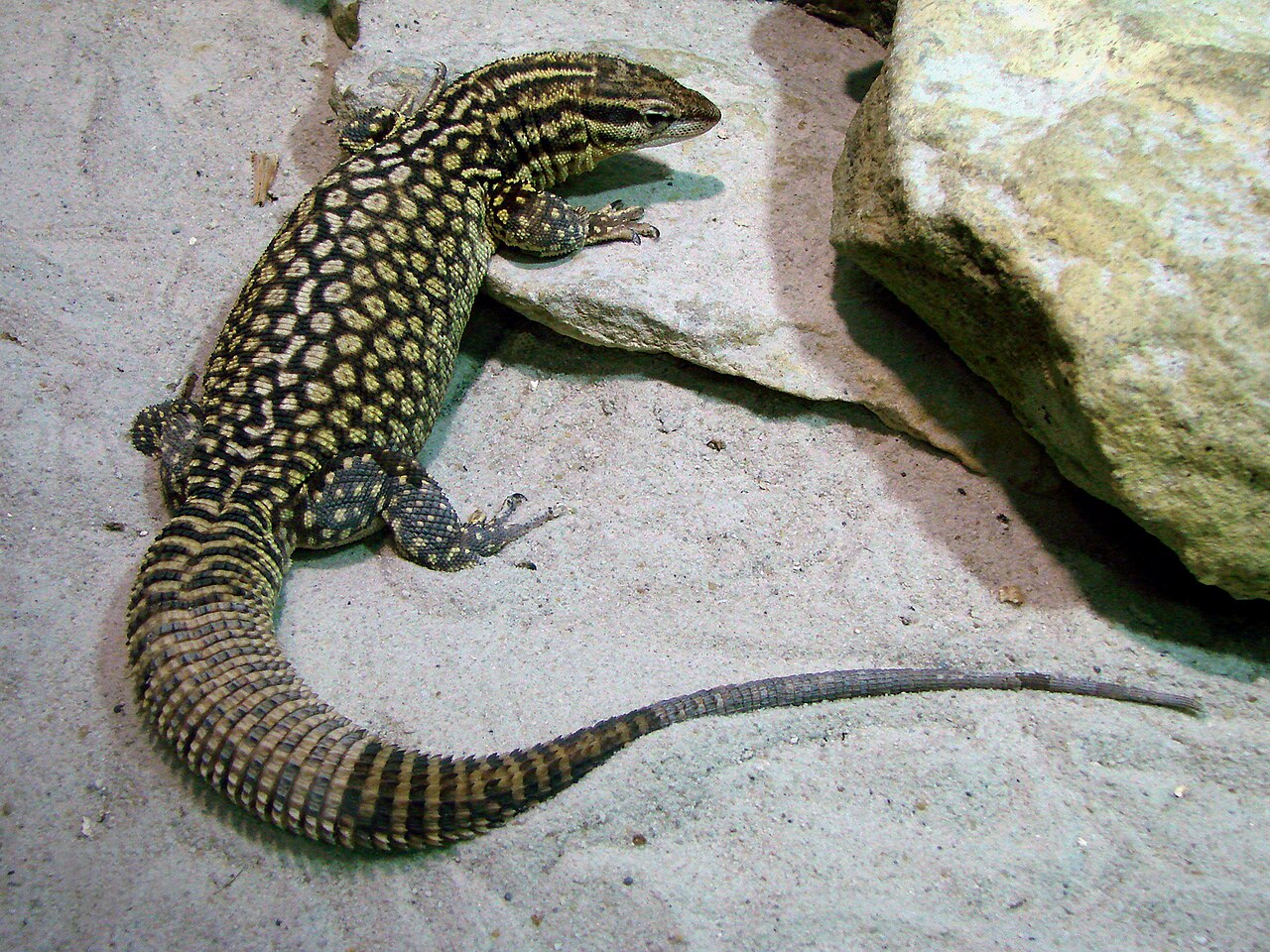
The ackie monitor is the best pet monitor lizard for most keepers: it reaches 24 to 28 in (60 to 70 cm), needs an 8 by 4 by 4 ft enclosure at minimum, eats insects and rodents, and tolerates handling well. Nile, water, and crocodile monitors are not suitable as pets for private keepers.
| Species | Adult length | Minimum enclosure | Temperament | Difficulty |
|---|---|---|---|---|
| Ackie monitor | 24 to 28 in | 8 x 4 x 4 ft | Curious, tames readily | Beginner to monitors |
| Timor monitor | 20 to 24 in | 6 x 3 x 4 ft | Nervous, arboreal | Intermediate |
| Peach throat monitor | 3 to 4 ft | 8 x 4 x 6 ft | Calm, food driven | Intermediate |
| Savannah monitor | 3 to 4 ft | 8 x 4 x 4 ft | Variable, often obese | Intermediate |
| Black throat monitor | 5 to 6 ft | Dedicated room | Often docile, enormous | Advanced |
| Water monitor | 5 to 7 ft | Dedicated room plus pool | Powerful, needs routine | Expert only |
| Nile monitor | 4 to 6 ft | Dedicated room | Defensive, rarely tames | Not recommended |
Can You Keep a Monitor Lizard as a Pet?
Yes, legally in most US states and practically for a small number of species. The genus Varanus contains around 80 species spread across Africa, Asia, and Australia, and they range from the 8 in (20 cm) Dampier Peninsula monitor to the Komodo dragon. Captive bred ackies and Timors are produced in numbers in the United States and are the sensible entry point.
The deciding factor is space, not skill. A monitor that cannot thermoregulate across a wide gradient, cannot dig, and cannot walk more than a body length will develop obesity, gout, and stress behaviors within its first two years. That is the pattern behind most of the surrendered savannah monitors filling reptile rescues.
Anyone who has kept a monitor lizard in the wild sense in mind as a large, active predator has the right mental model. These are not display animals that sit on a branch; they forage, dig, climb, and swim for hours a day.
Ackie Monitor: The One Most Keepers Should Start With
The ackie, or spiny tailed monitor, is the species that made monitor keeping accessible. Adults reach 24 to 28 in (60 to 70 cm) including a spined tail that makes up half that length, so the body is roughly the size of a bearded dragon with far more personality. Captive bred animals are widely available and cost 250 to 500 USD.
Ackies dig extensively, so the enclosure needs 12 to 18 in (30 to 45 cm) of packed soil and sand that holds a tunnel. They bask hard, using surface temperatures far above what most reptiles tolerate, and they will spend the morning at the hot end and the afternoon underground. Give them that and they thrive.
Temperament is the selling point. A regularly handled ackie tames quickly, learns feeding routines, and will climb onto a keeper’s arm voluntarily. Bites happen almost exclusively during food response confusion, which is solved with tongs.
Savannah Monitor: Common, Cheap, and Frequently Failed
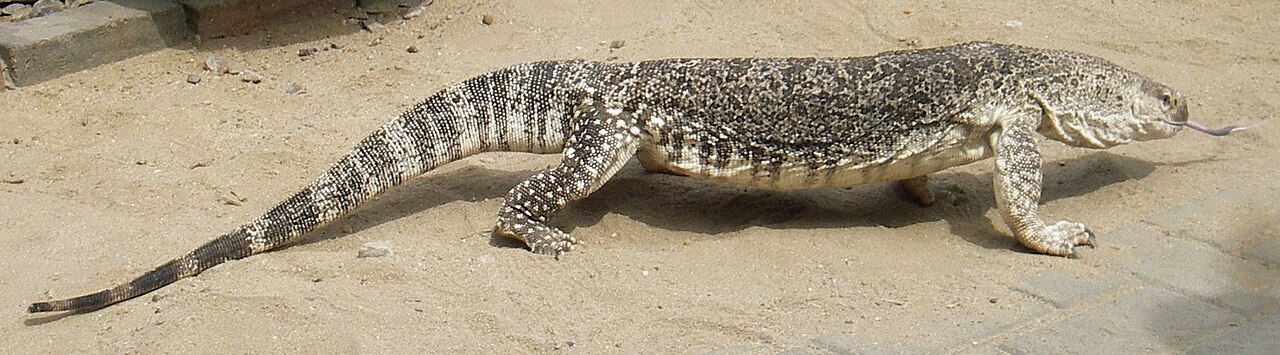
Savannah monitors are the monitor most Americans meet, sold for 50 to 100 USD as hatchlings from wild caught imports out of West Africa. They reach 3 to 4 ft (90 to 120 cm) and can become genuinely tame. They also have the worst outcomes of any monitor in the hobby.
The reasons are consistent. Wild caught imports arrive dehydrated and carrying parasites, so a vet visit and a fecal screen are mandatory, not optional. Then they are fed a rodent heavy diet in a small tank, which produces obese, gouty animals that die at four or five years instead of the 12 to 15 they should reach.
A savannah monitor done right eats mostly insects, especially roaches and snails, lives in a deep dug enclosure with high ambient humidity, and stays lean enough to run. That combination is demanding, which is why this species sits at intermediate rather than beginner.
Nile Monitor: Why Experts Say No
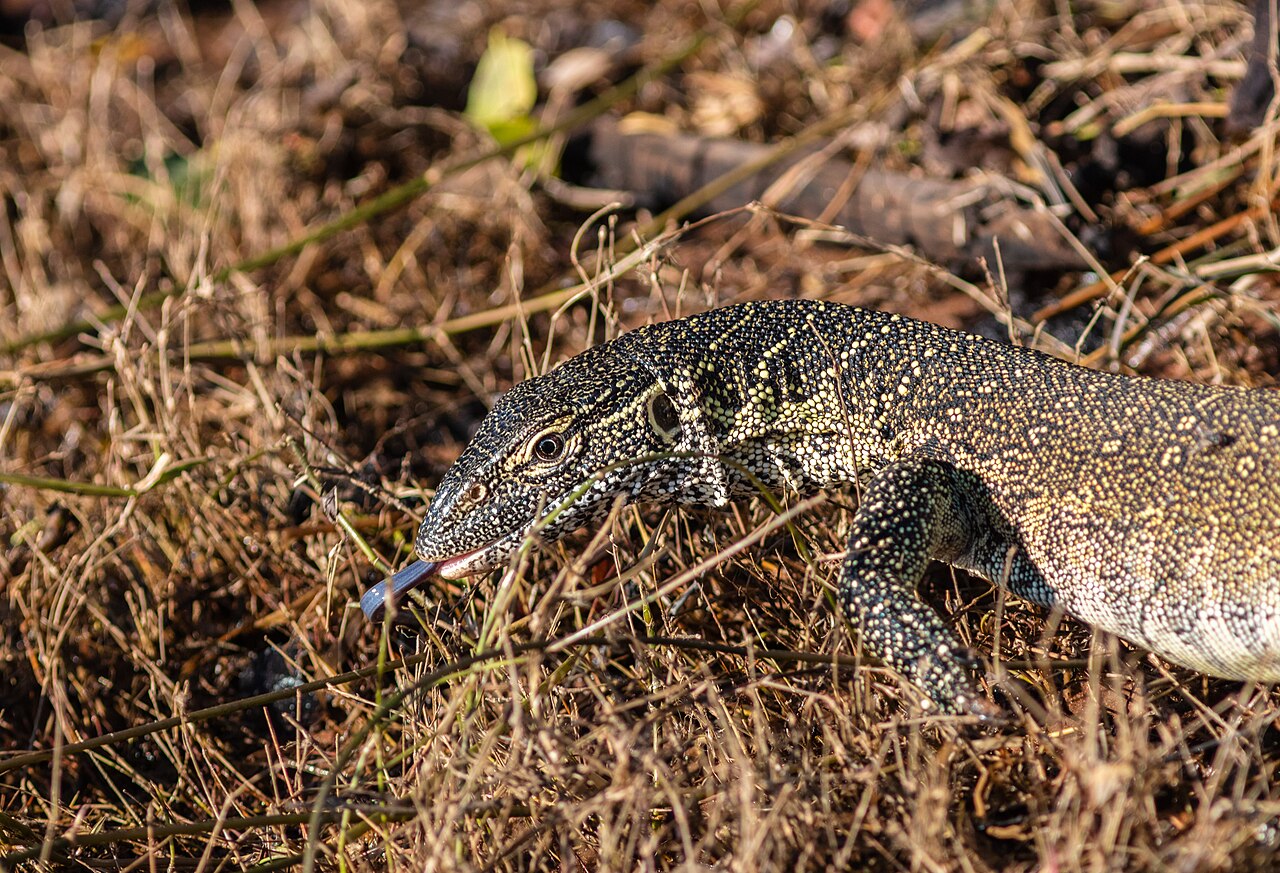
Nile monitors (Varanus niloticus) grow to 4 to 6 ft (1.2 to 1.8 m), are exceptionally fast, and defend themselves with a tail whip, claws, and a bite that requires stitches. Very few individuals tame down in the way an ackie does, and the ones that appear calm are often just heat stressed.
They are also an established invasive species in South Florida, descended largely from released pets, where they prey on native burrowing owls and crocodile nests. Several states restrict or ban them outright as a result, so legality must be checked before purchase rather than after.
The species is magnificent in a zoo setting with a large water body and trained staff. The Smithsonian’s National Zoo and similar institutions keep varanids in enclosures no private keeper can replicate. That gap is the point.
Black Throated and Water Monitors: Giants That Need a Room
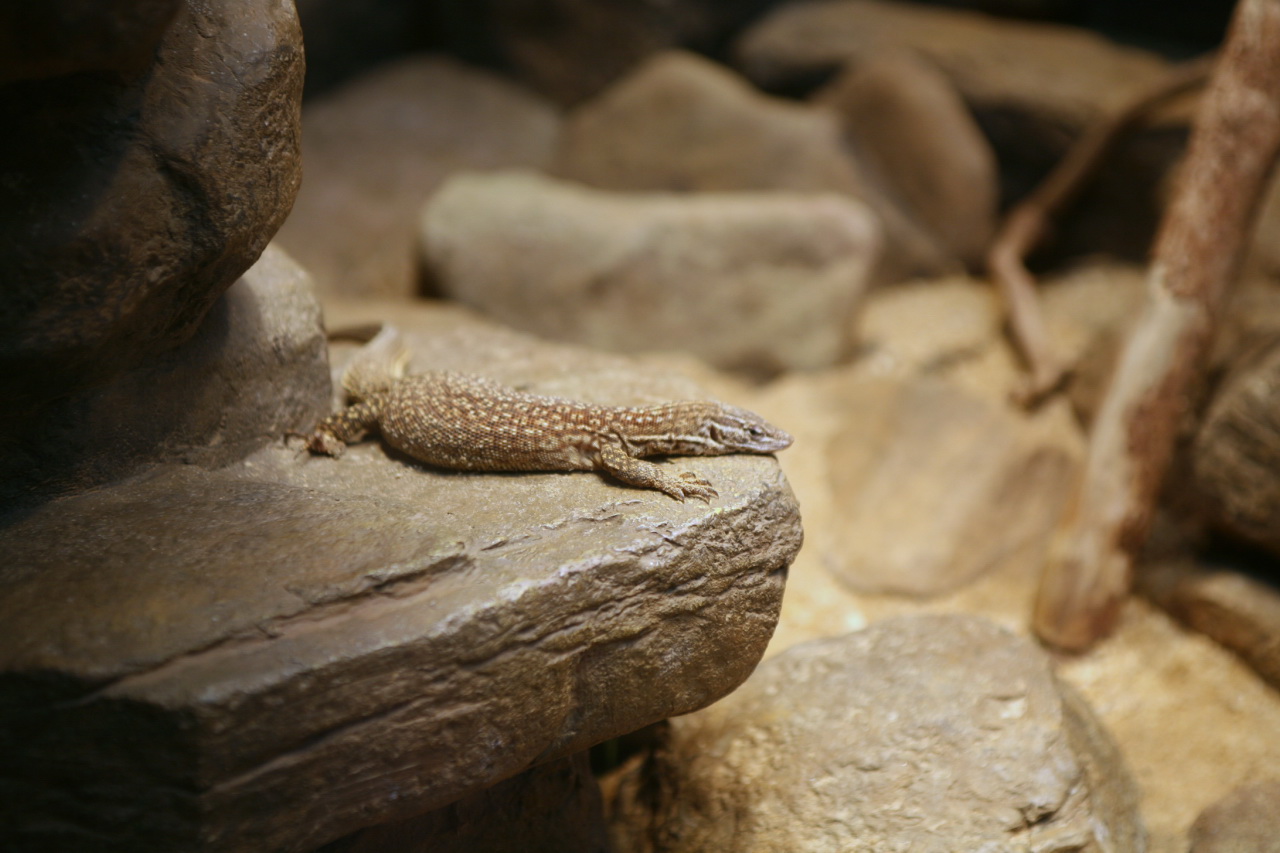
Black throat monitors (Varanus albigularis microstictus) are frequently described as the friendliest large monitor, and many individuals genuinely are calm with people. They also reach 5 to 6 ft (1.5 to 1.8 m) and 40 lb (18 kg), which means a converted bedroom rather than an enclosure.
Asian water monitors (Varanus salvator) are similar in scale with an added requirement: a pool large enough to submerge in, filtered and heated. They are strong swimmers and intelligent enough to become bored, which shows up as destructive behavior against the enclosure itself.
Both species live 15 to 20 years. Anyone considering one should visit an adult in person before buying a hatchling, because the 12 in (30 cm) baby sold at an expo bears no relation to what arrives three years later.
Timor and Peach Throat Monitors: The Middle Ground
Timor monitors (Varanus timorensis) stay under 24 in (60 cm) and are arboreal, which means height matters more than floor space. They are notably more nervous than ackies and often stay flighty even with regular handling, so they suit a keeper who wants to observe rather than hold.
Peach throat monitors (Varanus jobiensis) reach 3 to 4 ft (90 to 120 cm), come from humid New Guinea forest, and need ambient humidity above 70 percent with a large water container. They are food driven and calm, and experienced keepers rate them highly.
Both are captive bred in smaller numbers than ackies, so expect to wait for availability and to pay 400 to 800 USD. Buying captive bred rather than imported changes the health outlook more than any other single decision.
How Big Do Pet Monitor Lizards Get?
Total length is misleading because monitors carry much of it in the tail. A 4 ft savannah monitor has a body roughly 20 in (50 cm) long, which still needs an enclosure many times that in every dimension. Use snout to vent length when comparing species and multiply by six for minimum enclosure length.
Growth is fast in the first two years. An ackie reaches adult size in about 18 months, a savannah monitor in two years, and a water monitor keeps growing slowly for five. Buying a hatchling means building the adult enclosure before the animal needs it, not after.
Sexual size differences are modest in most species, with males slightly larger and heavier headed. Sexing hatchlings reliably usually requires a vet, so anyone planning for a specific adult size should assume the larger figure.
Enclosure Size: The Number That Decides Everything
The working minimum for an ackie is 8 by 4 by 4 ft (2.4 by 1.2 by 1.2 m), and that is a floor rather than a target. Glass aquariums are unsuitable at every size: they lose heat, cannot hold deep substrate, and have no ventilation control. Custom built PVC or sealed plywood enclosures are the standard.
Deep substrate is not optional for burrowing species. Twelve to 18 in (30 to 45 cm) of a soil and sand mix that holds a tunnel gives the animal humidity, security, and its main natural behavior. Weight matters here: a filled enclosure of this size is heavy enough that the floor structure deserves a thought.
A monitor that digs and buries itself is not hiding from you. It is doing the thing it evolved to do, and foraging behavior above ground returns once the animal feels secure.
What Do Pet Monitor Lizards Eat?
Insects should form the base of the diet for ackies and savannah monitors: dubia roaches, crickets, superworms, and snails, dusted with calcium. Whole prey like mice and chicks belongs in the diet as an occasional item rather than a staple, roughly once every one to two weeks for an adult.
Larger species take a broader menu including whole fish, day old chicks, rats, and hard boiled eggs. Water monitors in particular do well with fish and crustaceans, which reflects their wild diet closely. Avoid dog food, ground meat, and anything processed.
Feeding frequency drops with age. Hatchlings eat daily, juveniles every other day, and adults two to three times a week. Monitoring output tells you whether the ratio is right, and what healthy lizard droppings look like is worth knowing before something goes wrong.
Heat, Humidity, and the Basking Surface Temperature
Monitors bask at temperatures that would harm most reptiles. The basking surface for an ackie should read 120 to 150 F (49 to 65 C) measured with an infrared thermometer on the rock or tile itself, with ambient air on the warm side around 90 F (32 C) and a cool end near 80 F (27 C).
That heat comes from a cluster of halogen flood bulbs over a stone slab, not from a single ceramic emitter. The animal heats its body quickly, retreats, digests, and returns. A weak basking spot produces a lizard that sits under the lamp all day, which looks like normal behavior and is actually failure to reach temperature.
UVB is strongly recommended across the genus, using a linear T5 fixture spanning part of the enclosure. Humidity requirements vary widely: ackies need a dry surface over a humid substrate layer, while peach throats need high ambient humidity throughout.
Are Monitor Lizards Dangerous to Keep?
A large monitor is a genuinely dangerous animal in the way a large dog is. The bite of a 5 ft water monitor causes deep lacerations, the claws tear skin, and the tail whip of a Nile monitor raises welts. Monitors also possess mild venom glands, though the practical risk in a bite is bacterial infection and tissue damage rather than envenomation.
Ackies are a different proposition entirely. A bite from a 26 in ackie is a scratch, and the species rarely bites outside feeding confusion. Using tongs for every feeding and never hand feeding removes almost all incidents across every species.
Salmonella risk applies to all reptiles, including snakes and lizards alike. Wash hands after every interaction, keep enclosures out of kitchens, and treat households with young children or immunocompromised members as a reason to reconsider.
Legality, Cost, and What a Monitor Really Costs Per Year
Several states and many cities restrict large monitors. Florida prohibits Nile, water, and several other species as conditional or prohibited reptiles; Hawaii bans them outright; and many rental agreements exclude reptiles over a certain size. Check state and local rules before buying, because rehoming a 5 ft lizard is very difficult.
The animal is the cheapest part. A proper 8 ft enclosure costs 1,000 to 2,500 USD to build or buy, lighting and thermostats add 300 to 600, and substrate for a deep build runs 100 to 200. Annual running costs for electricity, food, and bulb replacement land around 600 to 1,200 USD for a mid sized species.
Exotic vet access matters as much as money. Find a veterinarian who treats varanids before the animal arrives, not during an emergency. Unusual varanids such as the earless monitor lizard are protected and essentially unavailable legally, and anyone offering one is worth avoiding. For a lower commitment exotic, something like a flying squirrel sits in a very different care bracket.
Related reading: Tegu Lizard Pet.
Frequently Asked Questions
What is the best monitor lizard for a beginner?
The ackie monitor is the best first monitor. It reaches only 24 to 28 in (60 to 70 cm), is widely captive bred, tames readily with regular handling, and eats mostly insects. It still needs an 8 by 4 by 4 ft enclosure with deep substrate, so it is a beginner monitor rather than a beginner reptile.
Are monitor lizards legal to own in the US?
Ackie, Timor, and savannah monitors are legal in most states. Nile monitors, water monitors, and crocodile monitors are restricted or banned in Florida, Hawaii, and a growing number of municipalities. Check state wildlife agency rules and local ordinances before purchase, since restrictions often target species by name.
Do monitor lizards recognize their owners?
Monitors are among the most cognitively capable lizards and do learn to distinguish their keeper from strangers by sight, scent, and routine. They anticipate feeding times, respond to a familiar voice, and settle faster with a known handler. This is learned association rather than affection, but it is real and consistent.
How long do pet monitor lizards live?
Ackie monitors live 15 to 20 years in good conditions. Savannah monitors should reach 12 to 15 but frequently die at four to six from obesity and gout caused by rodent heavy diets in small enclosures. Large species such as black throats and water monitors commonly reach 15 to 20 years.
Do monitor lizards bite?
Yes, though most bites are feeding accidents rather than aggression. Small species deliver a scratch level wound, while a large monitor can cause deep lacerations requiring stitches. Feeding with long tongs, never hand feeding, and approaching from the side rather than overhead prevents nearly all incidents.
Can a monitor lizard live in a fish tank?
No. Glass aquariums cannot hold the 12 to 18 in of substrate a burrowing monitor needs, lose basking heat too quickly, and offer no way to control ventilation or humidity. Even hatchlings do better in a smaller PVC enclosure than in a tank, because the thermal gradient is controllable.