Nocturnal Animals List: 25 Night Animals and Where to Find Them
This nocturnal animals list covers 25 species that do most of their living after sunset, grouped by mammals, birds, reptiles, amphibians, and insects, with the North American ones first so you can match them to what is actually outside your window. Nocturnal simply means active at night and resting by day, and roughly a third of all mammal species qualify.
Night activity is not a quirk. It is a way to avoid daytime predators, skip the heat, and feed on prey that is itself only awake after dark. Some animals are strictly nocturnal, others are crepuscular, meaning they peak at dusk and dawn, and a few switch depending on the season or on how much human traffic they face.
Common nocturnal animals include owls, bats, raccoons, opossums, flying squirrels, skunks, coyotes, moths, fireflies, geckos, and most frogs and toads. Worldwide the list adds aye-ayes, tarsiers, sugar gliders, pangolins, kiwis, and hedgehogs. Roughly 30 percent of mammals and 60 percent of vertebrates overall are night active.
| Animal | Group | Where to look | Best time |
|---|---|---|---|
| Barn owl (Tyto alba) | Bird | Open fields, barns, hedgerows | Full dark |
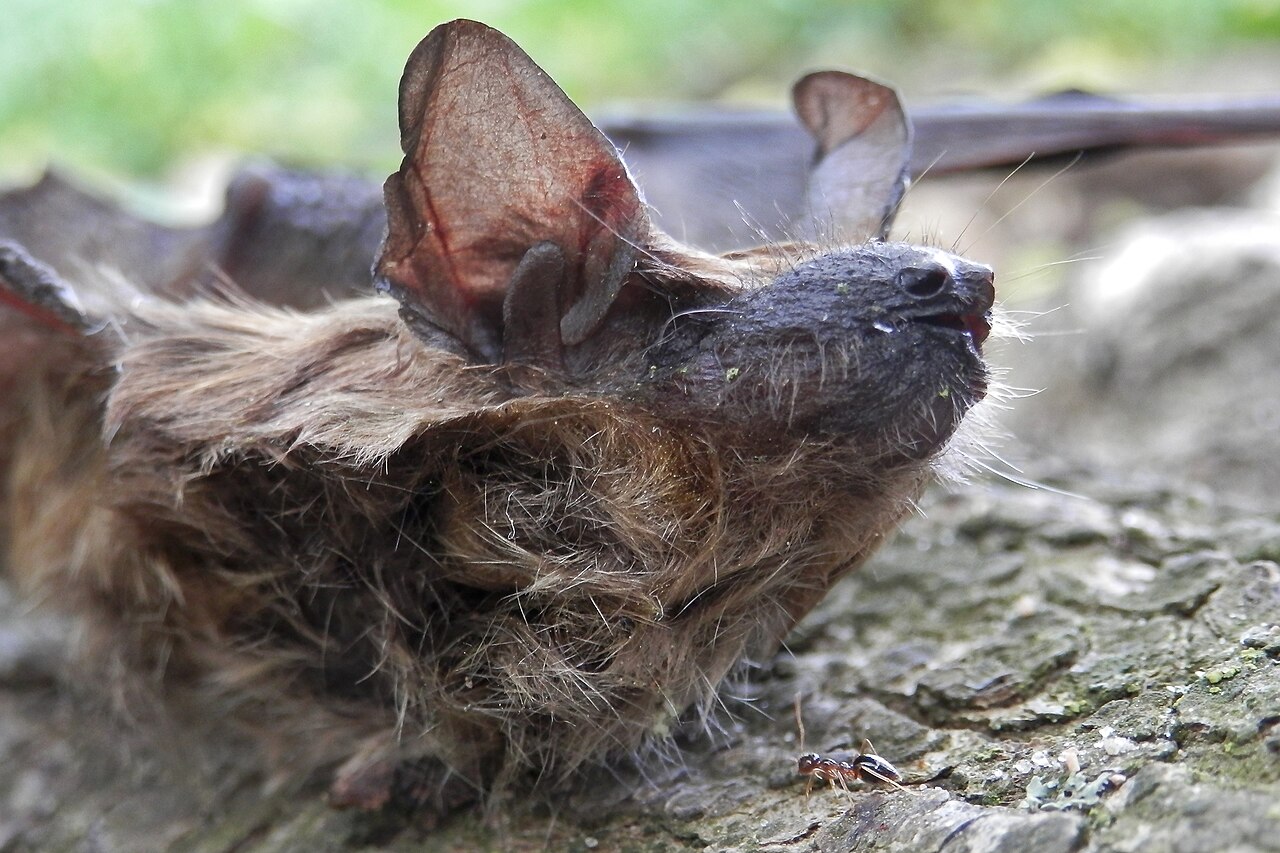
| Big brown bat (Eptesicus fuscus) | Mammal | Streetlights, ponds, attics | First hour after sunset |
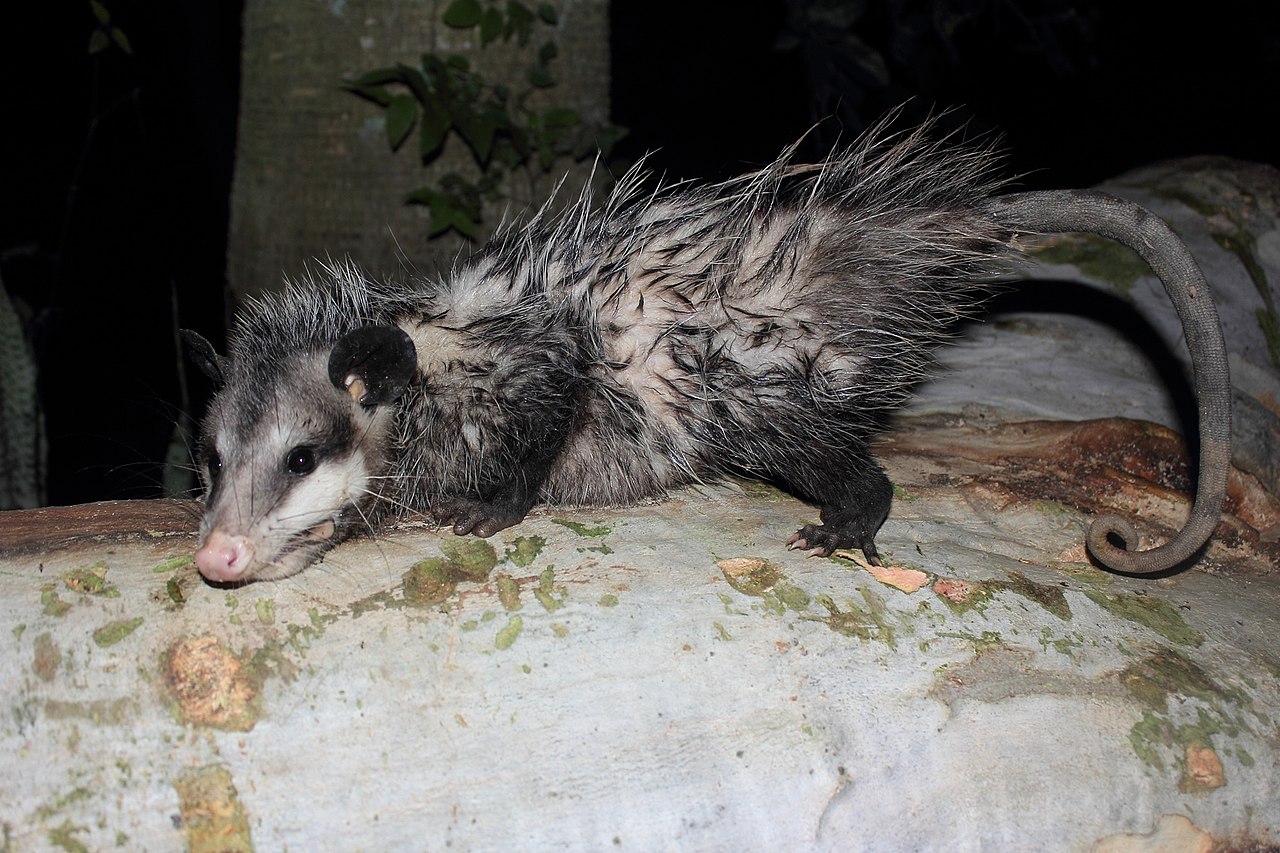
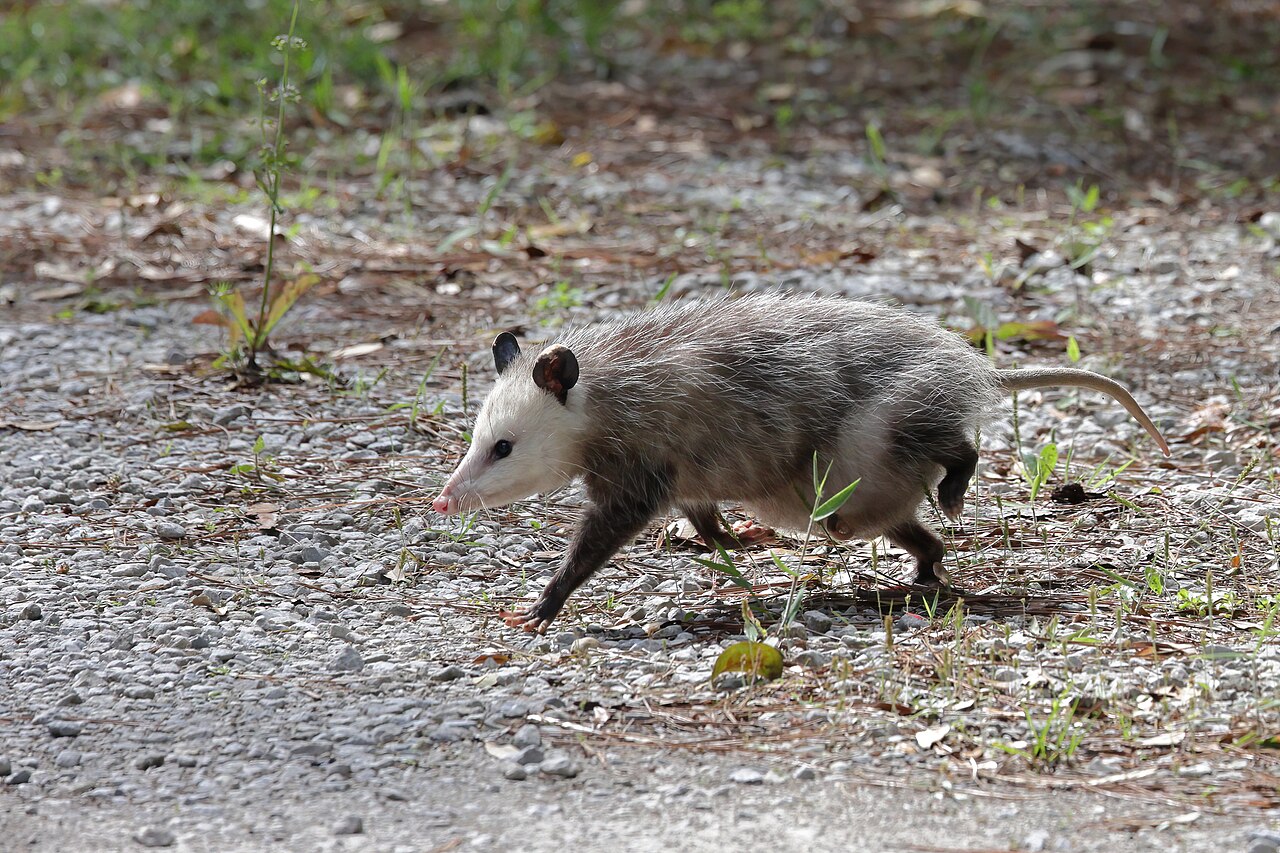
| Virginia opossum (Didelphis virginiana) | Mammal | Yards, trash areas, woodland edge | Late evening to midnight |
| Raccoon (Procyon lotor) | Mammal | Creeks, suburbs, culverts | Late evening |
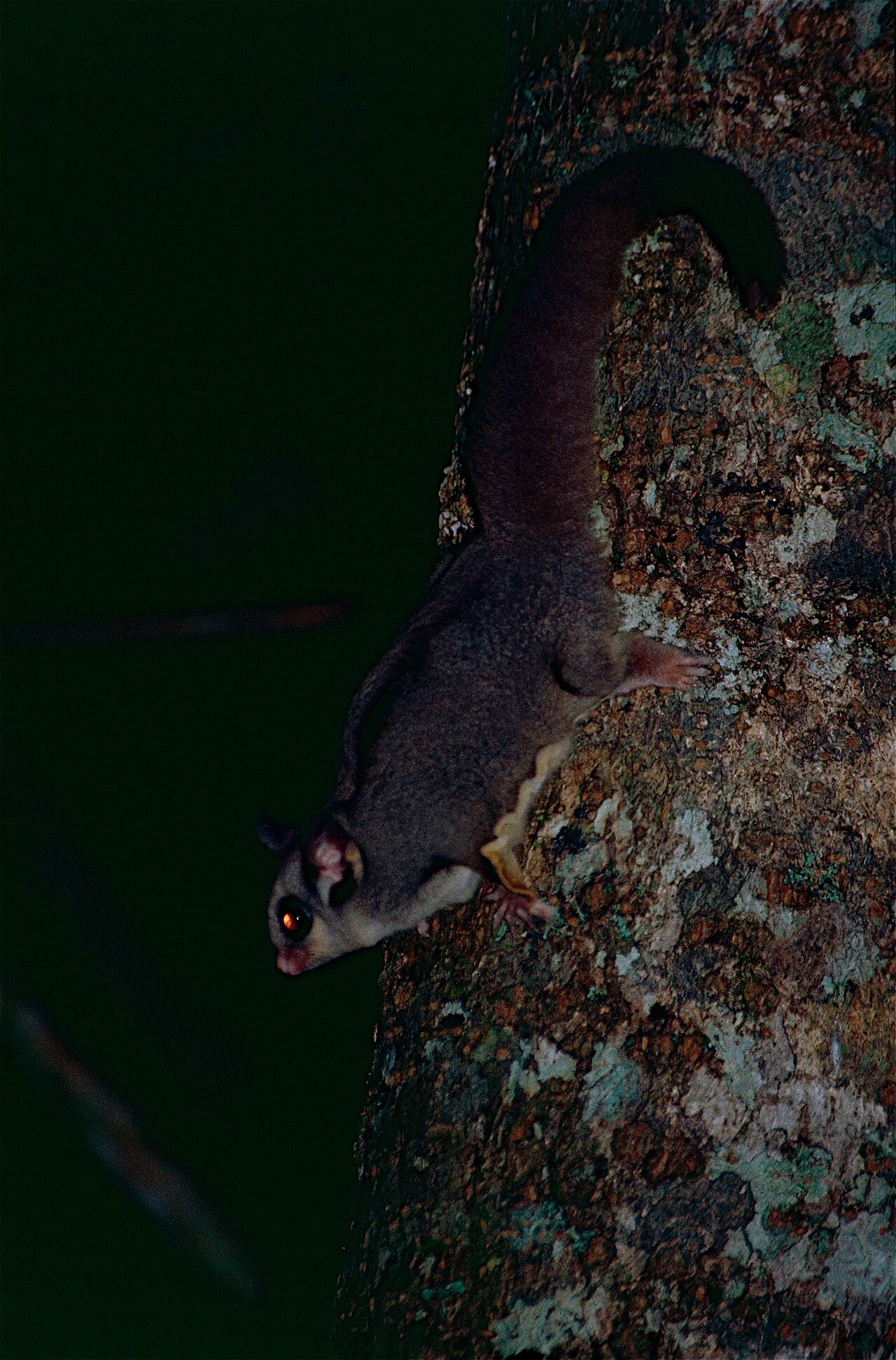
| Southern flying squirrel (Glaucomys volans) | Mammal | Mature oak and hickory, feeders | 1 to 2 hours after dark |
| Eastern whip-poor-will | Bird | Dry open woods | Dusk and moonlit nights |
| Luna moth (Actias luna) | Insect | Porch lights near hardwoods | Late night |
What Makes an Animal Nocturnal?
Nocturnal animals are built for low light. Most have oversized eyes relative to body size, a high share of rod cells for motion and contrast rather than color, and many carry a tapetum lucidum, the reflective layer behind the retina that throws your flashlight beam back as eyeshine. That layer is why a raccoon glows yellow green and a spider glows blue white at the same distance.
Hearing, smell, and touch carry the rest of the load. Owls hunt by ear alone in total darkness, bats replace vision with echolocation, and whiskers, antennae, and specialized nose tissue do the fine work. Being awake at night also solves competition: two species can share one food supply if one takes the day shift and the other the night shift.
Nocturnal Mammals of North America
The most reliable night mammals in the United States are the Virginia opossum, the raccoon, striped and spotted skunks, the big brown and little brown bats, the ringtail, the bobcat, and both native flying squirrels. Add the eastern woodrat, the white-footed mouse, the cottontail at dusk, and the armadillo across the South.
Several familiar animals are only partly night active and get listed wrongly. Coyotes and red foxes hunt heavily after dark near towns but stay out in daylight where they are left alone, and the same applies to deer, which is why the question of whether deer are truly nocturnal has a different answer in hunting season than it does in a suburb. The same flexibility shows up in fox activity patterns across rural and urban ground.
Nocturnal Birds: Owls, Nightjars, and Night Herons
Owls are the obvious entry, with the great horned owl, barred owl, barn owl, eastern screech-owl, and northern saw-whet owl all hunting after dark in North America. Their flight feathers carry a comb-like leading edge that breaks up turbulence, which is what makes an owl silent to the mouse it is dropping onto.
Nightjars are the group people hear but never see. Whip-poor-wills, chuck-will’s-widows, and common nighthawks catch insects on the wing in low light and spend the day sitting motionless on a branch or on bare ground. Black-crowned night-herons round out the group, feeding in marshes at night on fish and crustaceans that daytime herons already worked over. The National Park Service night skies program tracks how artificial light disrupts exactly these species.
Nocturnal Reptiles and Amphibians
Most geckos are nocturnal, including the Mediterranean house gecko now established across the southern United States, and so are many snakes in warm months. Copperheads, rattlesnakes, and kingsnakes shift to night hunting in summer heat, and several popular pet snakes such as the albino corn snake keep the same schedule in captivity, moving after the lights go out.
Amphibians are almost all night animals, because thin skin loses water fast in the sun. American toads, gray treefrogs, spring peepers, bullfrogs, and tiger salamanders all feed and breed after dark, and the chorus you hear in April is a night event by design. Species like the African bullfrog follow the same rule in a very different climate, waiting out the heat and emerging with the rains.
Nocturnal Insects and Spiders
Moths outnumber butterflies by roughly nine to one, and most are nocturnal, including the luna moth, the polyphemus moth, and the io moth. Fireflies are beetles signaling in the first hour of darkness, each species with its own flash pattern, and most crickets and katydids call at night for the same reason: fewer visual predators.
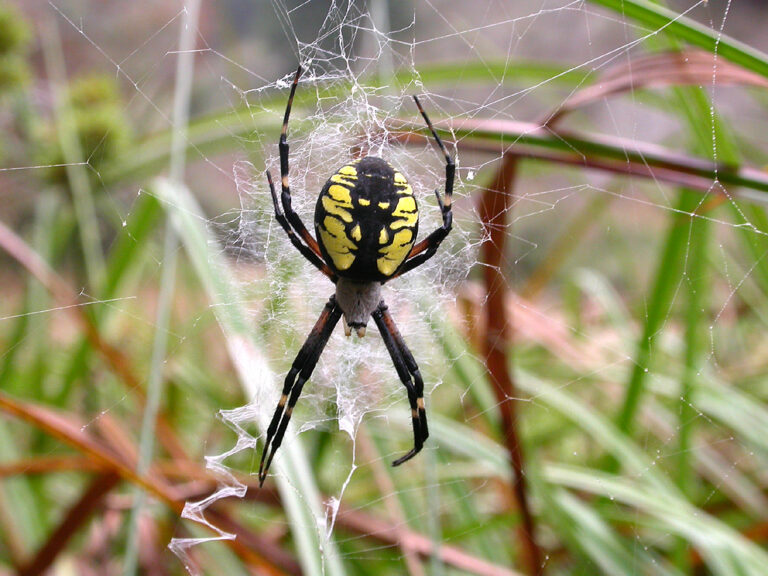
Among arachnids, wolf spiders hunt on the ground after dark and are easy to find with a headlamp held at eye level, since their eyeshine looks like scattered green sparks. Orb weavers rebuild their webs at dusk and eat the old silk. Cockroaches, earwigs, and most centipedes complete the list of household species you only notice when you turn on a light at 2 a.m.
Nocturnal Animals Around the World
Beyond North America the list gets stranger. The aye-aye of Madagascar taps trees and fishes grubs out with a long thin middle finger. Tarsiers in Southeast Asia have eyes larger than their brains. Sugar gliders in Australia and New Guinea glide between trees at night, and pangolins across Africa and Asia walk their nightly routes eating ants and termites.
New Zealand’s kiwi feeds by smell with nostrils at the tip of its bill, European hedgehogs patrol gardens after dark, and the Siberian flying squirrel does the same job in Eurasian forests that our flying squirrels do here. If you want one species in depth, the Siberian flying squirrel is the best documented of them, largely because Finland maps its population every year.
What Are Some Cute Nocturnal Animals?
If cuteness is the sorting criterion, flying squirrels usually win: large dark eyes, soft fur, and a body small enough to sit in a cupped hand. Sugar gliders, slow lorises, tarsiers, and the northern saw-whet owl, which is about 8 in (20 cm) tall, are the other names that come up most often.
Appeal and suitability are different things. Slow lorises are venomous and are traded illegally, sugar gliders are highly social and legal only in some states, and native flying squirrels are protected wildlife in much of the country. Watching them at a feeder after dark is legal everywhere and costs nothing, while keeping one rarely ends well for the animal.
What Is the Rarest Nocturnal Animal?
The strongest candidate is the kakapo, a flightless nocturnal parrot from New Zealand with a population counted in the low hundreds, every individual named and tracked. The northern hairy-nosed wombat and the Javan and Sunda pangolins are in similar territory, the pangolins largely because they are the most trafficked mammals on earth.
Several nocturnal species are rare mainly because nobody looks for them at the right hour. Bat surveys regularly turn up populations that were assumed gone, and the same has happened with small nocturnal primates. Rarity in night active animals is often a measurement problem layered on top of a real decline.
How to Watch Nocturnal Animals Without Disturbing Them
Use a red filter or a red headlamp. Red light preserves your own night vision and bothers most mammals far less than white light, and it will not blow out an owl’s eyes or send a fox 200 yards downhill. Sit still for 20 minutes before expecting anything, because your arrival is the loudest thing in the woods.
Ears beat eyes at night. Learn three or four calls, a barred owl, a gray treefrog, a whip-poor-will, and you will identify more species in an hour than a flashlight ever shows. In your own yard, a feeder left stocked after dark brings in flying squirrels within a week or two, and their daytime relatives will not compete for it at that hour.
Frequently Asked Questions
What are common nocturnal animals?
In most of the United States, the common ones are raccoons, opossums, skunks, bats, flying squirrels, owls, moths, fireflies, and frogs. Coyotes, foxes, deer, and bobcats are frequently active at night but not strictly nocturnal, since they also move in daylight where human pressure is low.
What are 30 types of nocturnal animals?
Barn owl, great horned owl, barred owl, screech-owl, saw-whet owl, whip-poor-will, nighthawk, night-heron, kiwi, kakapo, big brown bat, little brown bat, raccoon, opossum, striped skunk, ringtail, bobcat, coyote, red fox, flying squirrel, woodrat, hedgehog, aye-aye, tarsier, slow loris, sugar glider, pangolin, house gecko, luna moth, and firefly.
What is the coolest nocturnal animal?
The aye-aye is hard to beat. It is a lemur that finds grubs by tapping wood and listening for hollow spots, a form of echolocation done with a finger, then chews a hole and extracts the larva with an elongated middle digit. No other primate feeds this way.
Which animal doesn’t fear humans?
Among nocturnal species, the honey badger is the standard answer, and it will stand its ground against animals many times its size. Closer to home, opossums and raccoons habituated to suburbs show very little avoidance, though that is learned tolerance around a food source rather than an absence of fear.
Are nocturnal and crepuscular the same thing?
No. Nocturnal animals are active through the dark hours, while crepuscular animals peak in the low light of dusk and dawn and rest during full night and full day. Deer, rabbits, and many rodents are crepuscular, which is why dawn and the hour after sunset produce the most wildlife sightings.
Do nocturnal animals see in complete darkness?
No animal sees with zero light. Nocturnal eyes gather and reuse what little light exists, often amplified by a reflective tapetum lucidum, and they perform far better than ours at low levels. In true darkness, such as a sealed cave, hunting shifts entirely to hearing, echolocation, smell, or touch.