Goldfish: How Long They Live, How Big They Get, and What They Really Need
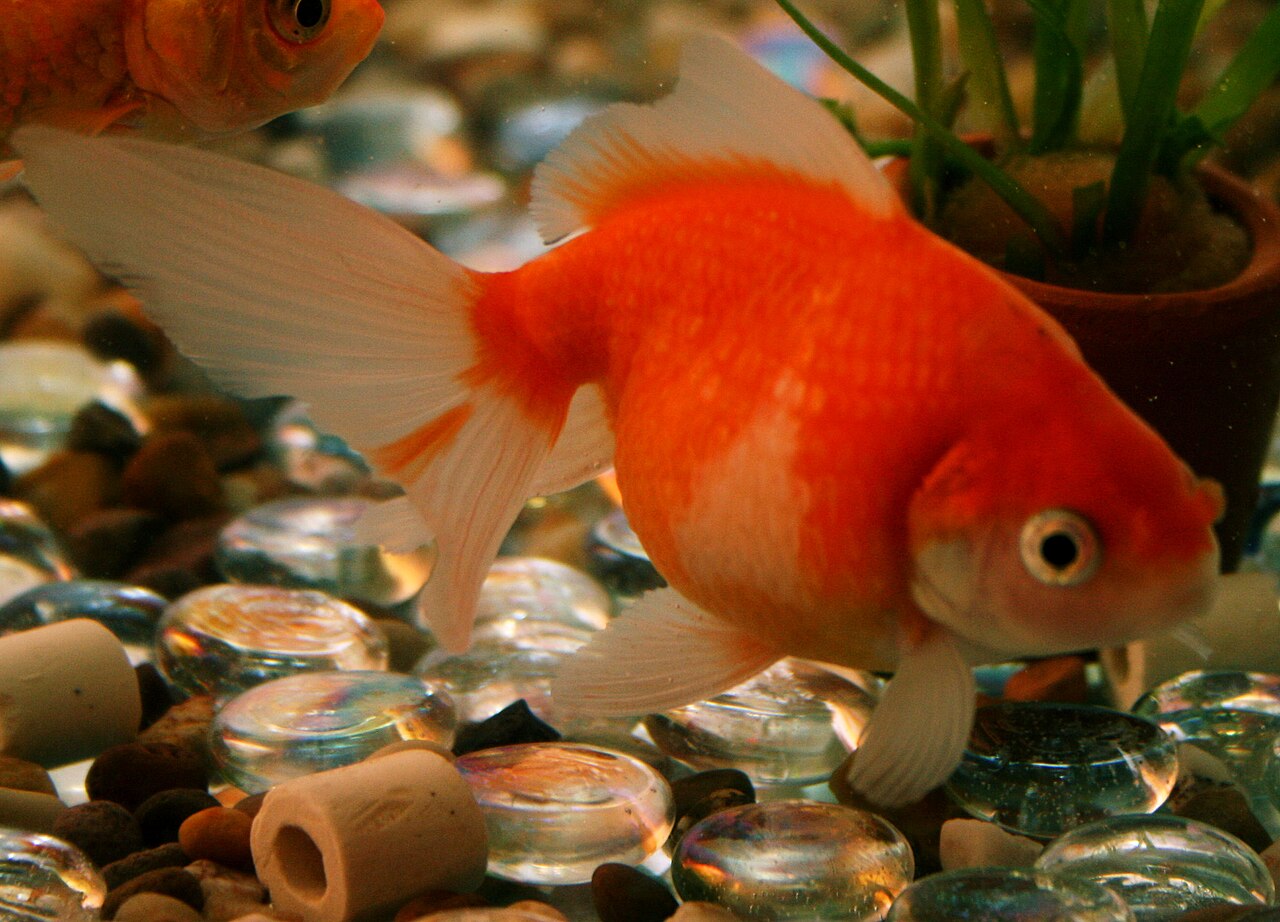
A goldfish (Carassius auratus) lives 10 to 15 years and grows to 6 to 8 inches (15 to 20 cm) when it is kept properly, which is far more fish than the bowl most new owners buy. The goldfish sold for a few dollars at a pet counter is the same domesticated carp that Chinese breeders selected in palace ponds more than a thousand years ago, and it never stops growing on its own schedule.
That gap between what people expect and what the animal actually is explains nearly every goldfish failure: cloudy water after a week, clamped fins, a fish dead in six months. Volume, filtration and feeding are the three things that decide whether you get half a year or fifteen.
Goldfish are cold water carp that live 10 to 15 years, reach 6 to 8 inches (15 to 20 cm) in a tank and over 12 inches (30 cm) in a pond. They need 20 gallons (75 liters) for the first fish plus 10 gallons (38 liters) for each additional one, strong filtration, and no heater.
| Quick Fact | Goldfish |
|---|---|
| Scientific name | Carassius auratus |
| Typical lifespan | 10 to 15 years, 20 plus in ponds |
| Adult size | 6 to 8 in (15 to 20 cm) indoors, 12 in (30 cm) plus outdoors |
| Water temperature | 65 to 72 F (18 to 22 C), no heater needed |
| Minimum tank | 20 gal (75 L) for one, plus 10 gal (38 L) per extra fish |
| Diet | Omnivore: sinking pellets, blanched greens, occasional frozen food |
How Long Does a Goldfish Live?
A well kept goldfish lives 10 to 15 years, and pond fish regularly pass 20. The record holder, a fair prize named Tish from Yorkshire, died at 43. Those numbers are not exotic outliers; they are what the species does when water quality holds steady.
The six month goldfish is the norm only because the bowl is the norm. A bowl has no filter, little surface area for gas exchange and no stable volume to dilute ammonia, so the fish spends its short life in a slow chemical burn. Ammonia damage to the gills is invisible until the fish is already failing.
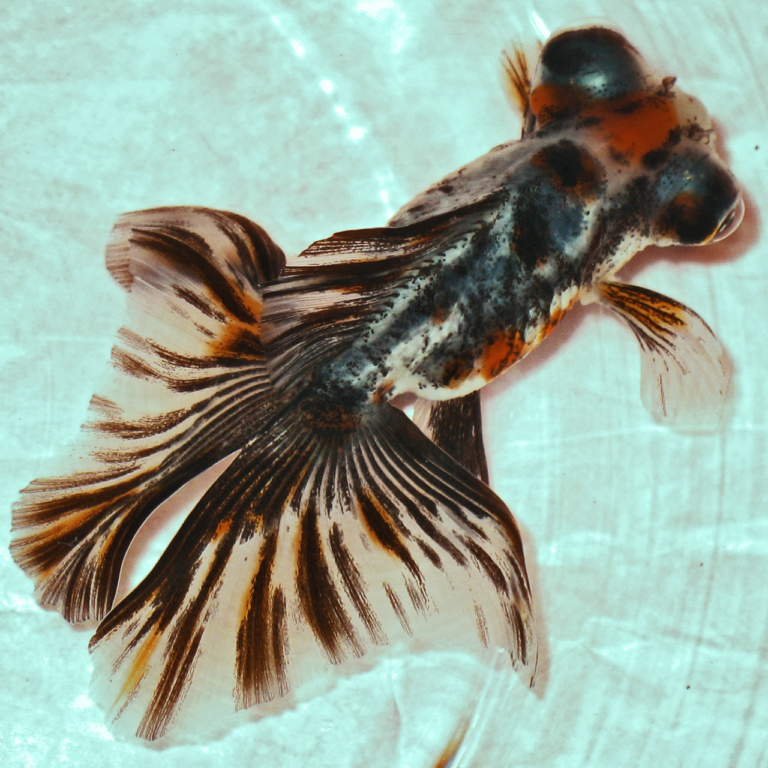
Body shape matters too. Slim bodied varieties such as comet goldfish are the hardiest and live longest, while the round bodied fancy goldfish carry compressed organs and swim bladder problems that shorten the average.
How Big Do Goldfish Get?
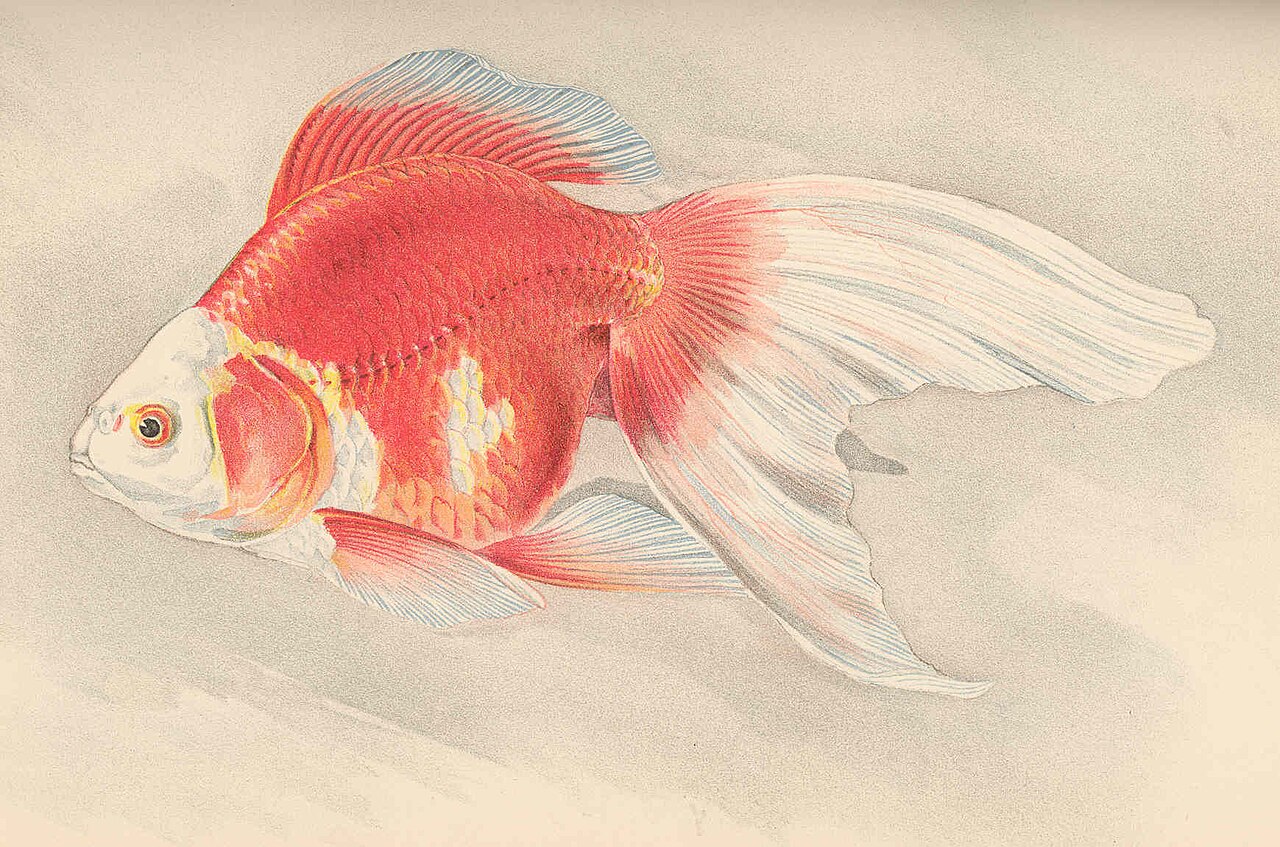
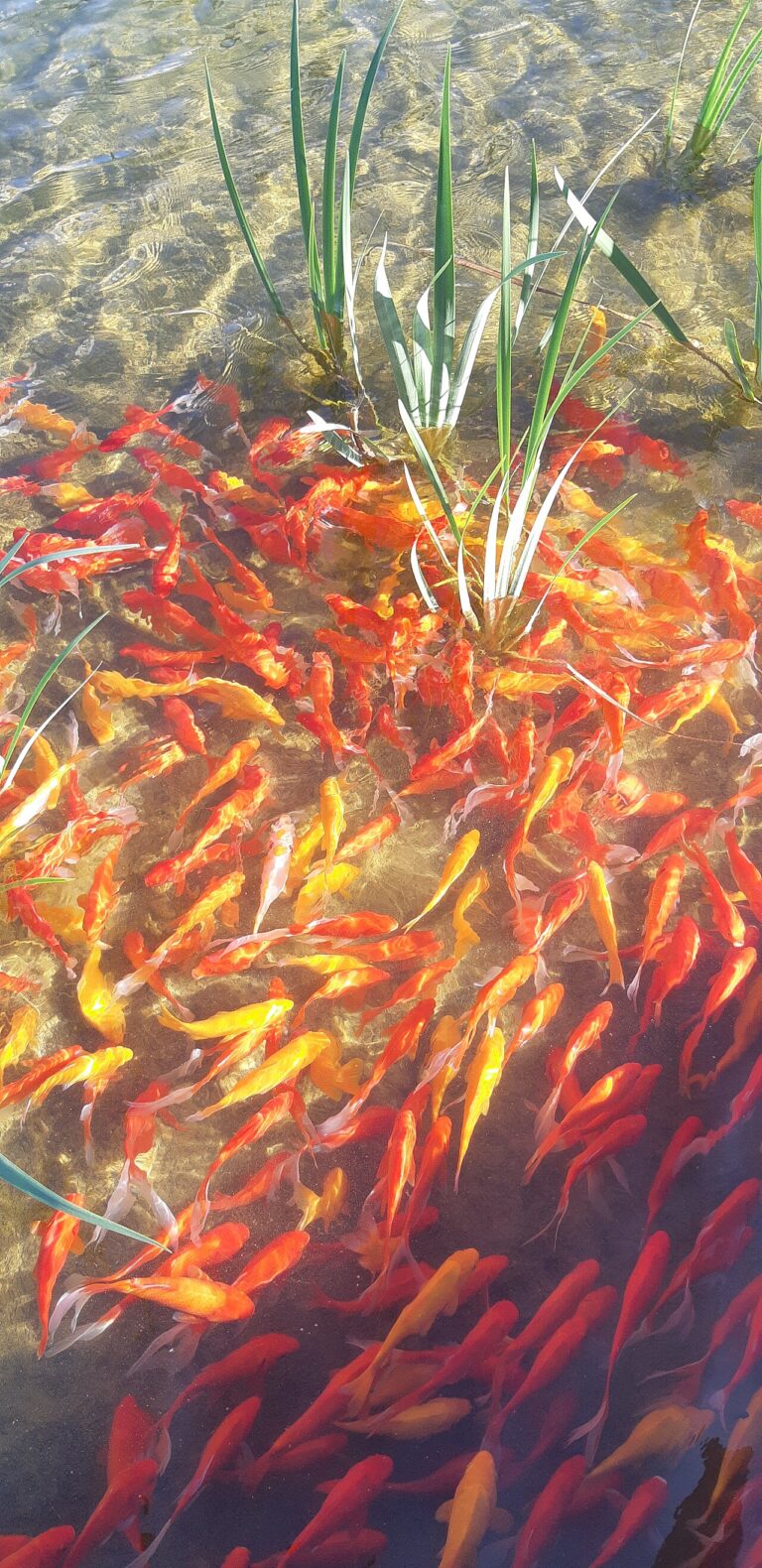
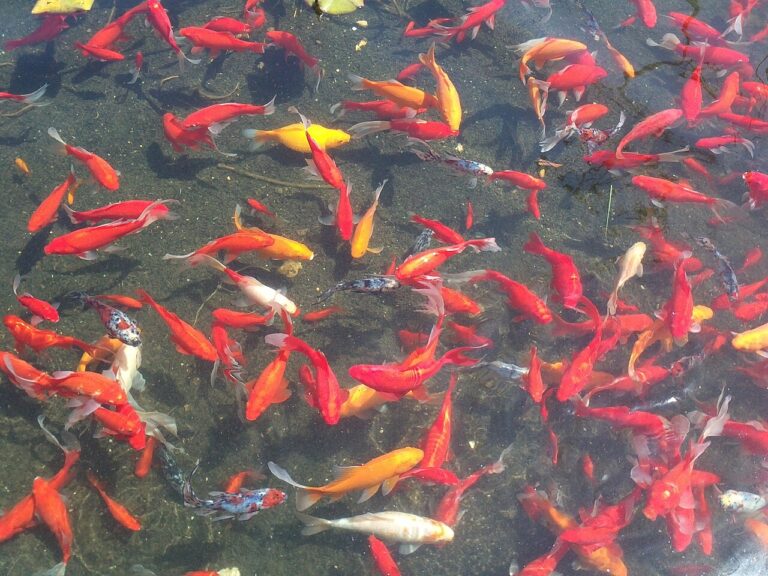
Most tank goldfish finish at 6 to 8 inches (15 to 20 cm) including the tail, and pond fish commonly reach 12 to 14 inches (30 to 36 cm). The claim that a goldfish only grows to the size of its container is half true and entirely misleading: stunted growth happens because dissolved waste suppresses development, not because the fish politely adapts.
A stunted goldfish still has internal organs on the normal growth curve, which is why undersized fish die young with spinal curvature and organ failure. If you want to see what the species really does, look at the giant goldfish pulled out of American lakes after being released by owners who ran out of tank.
Plan for the adult from day one. Twenty gallons (75 liters) is the floor for a single fish, and long tanks beat tall ones because surface area drives oxygen exchange.
Should I Have 1 or 2 Goldfish?
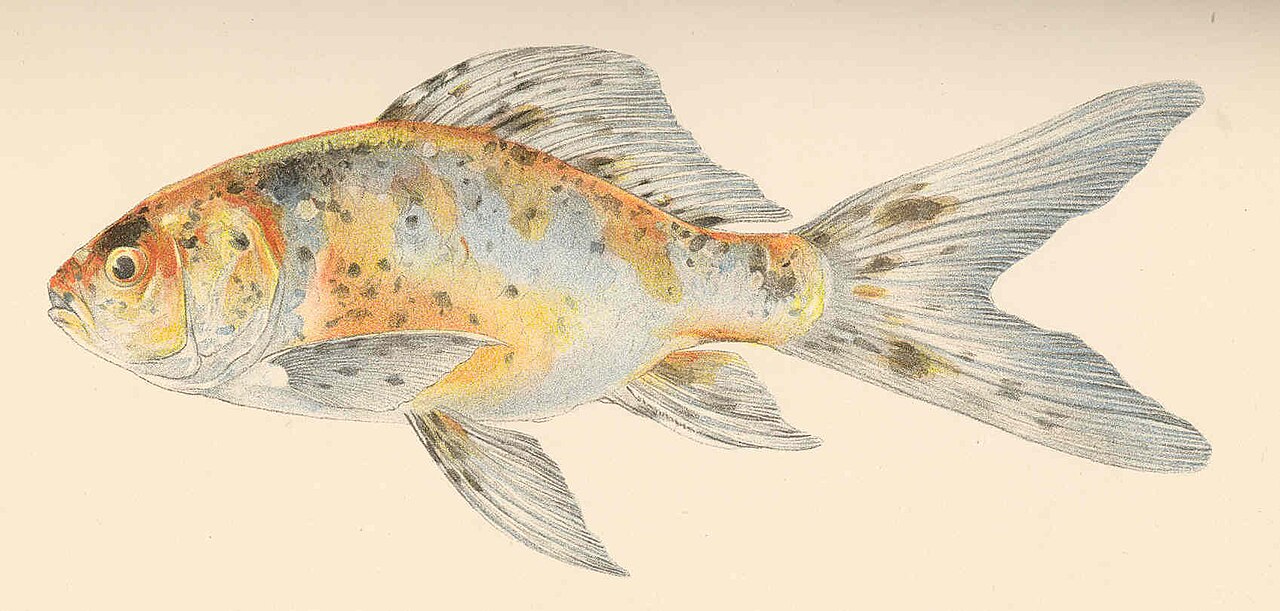
Two goldfish are better than one if you have the volume, because they are a shoaling species and forage more confidently in company. A single fish will not die of loneliness, but it tends to be less active and spends more time hanging near the glass.
The honest constraint is waste. Goldfish produce more ammonia per inch of body than almost any common aquarium fish, so a second fish is a real filtration cost, not a free companion. Add 10 gallons (38 liters) and match your filter turnover to the new load before you buy.
Keep body types together. A fast slim bodied fish will outcompete a bubble eye or an oranda at feeding time, and the slower fish quietly starves while the owner sees a full tank.
What Goldfish Eat and How Often to Feed
Goldfish are omnivores that do best on a sinking pellet base with vegetables two or three times a week. Blanched peas with the skin removed, spinach and shelled zucchini all work, and the fiber does more for digestion than any commercial treat. Details on brands and portions are in our guide to goldfish food.
Feed once or twice a day, only what the fish clears in about 30 seconds. Overfeeding is the second most common killer after undersized tanks, because uneaten food rots into the same ammonia that filtration is already fighting.
Skip floating flakes if your fish gulps at the surface. Swallowed air is a direct cause of swim bladder trouble in round bodied varieties, and sinking pellets remove the problem entirely.
Do Goldfish Recognize Their Owners?
Goldfish do recognize the people who feed them. Laboratory work has shown they distinguish human faces, learn to press levers for food at set times of day and retain trained tasks for months, which retires the three second memory myth for good.
What you see at home is that learning at work. The fish gathers at the front glass when a familiar person enters the room and ignores a stranger doing the same thing. That is conditioning rather than affection, but it is genuine individual recognition.
Color perception is part of it. Goldfish see into the ultraviolet range and tell colored targets apart easily, which also explains why the goldfish colors used in selective breeding respond so strongly to diet and light.
Frequently Asked Questions
Is goldfish good for pets?
Goldfish make good pets for people who want a low maintenance animal with a long life and no allergies. They are undemanding once the tank is sized and cycled, cost little to feed and are hardy across normal room temperatures. They are a poor choice for anyone expecting a fish that fits in a small bowl on a desk.
How can you tell a goldfish is happy?
A healthy goldfish swims actively through all levels of the tank, holds its dorsal fin upright rather than clamped against the body, eats readily and shows bright unmarked color. Sitting on the bottom, gasping at the surface, hiding or trailing stringy waste all point to water quality problems, not mood.
Why do goldfish stare at you?
Goldfish have no eyelids and cannot look away, so the stare is partly anatomy. The rest is learning: the fish has associated a person standing at the glass with food and is watching for the next feeding. Eyes on the sides of the head give it a near panoramic view, so it tracks you without turning.
Is goldfish good to eat?
Goldfish are technically edible, being a carp, but they are bony, muddy tasting and often carry ornamental fish medications, so nobody farms them for food. Most searches for this question are really about the cracker snack, which is a baked cheese product and unrelated to the animal. Released pet goldfish are tracked as an invasive species by the USGS Nonindigenous Aquatic Species database, so never put one in a local pond.