Sulcata Tortoise Diet: What to Feed and What to Avoid
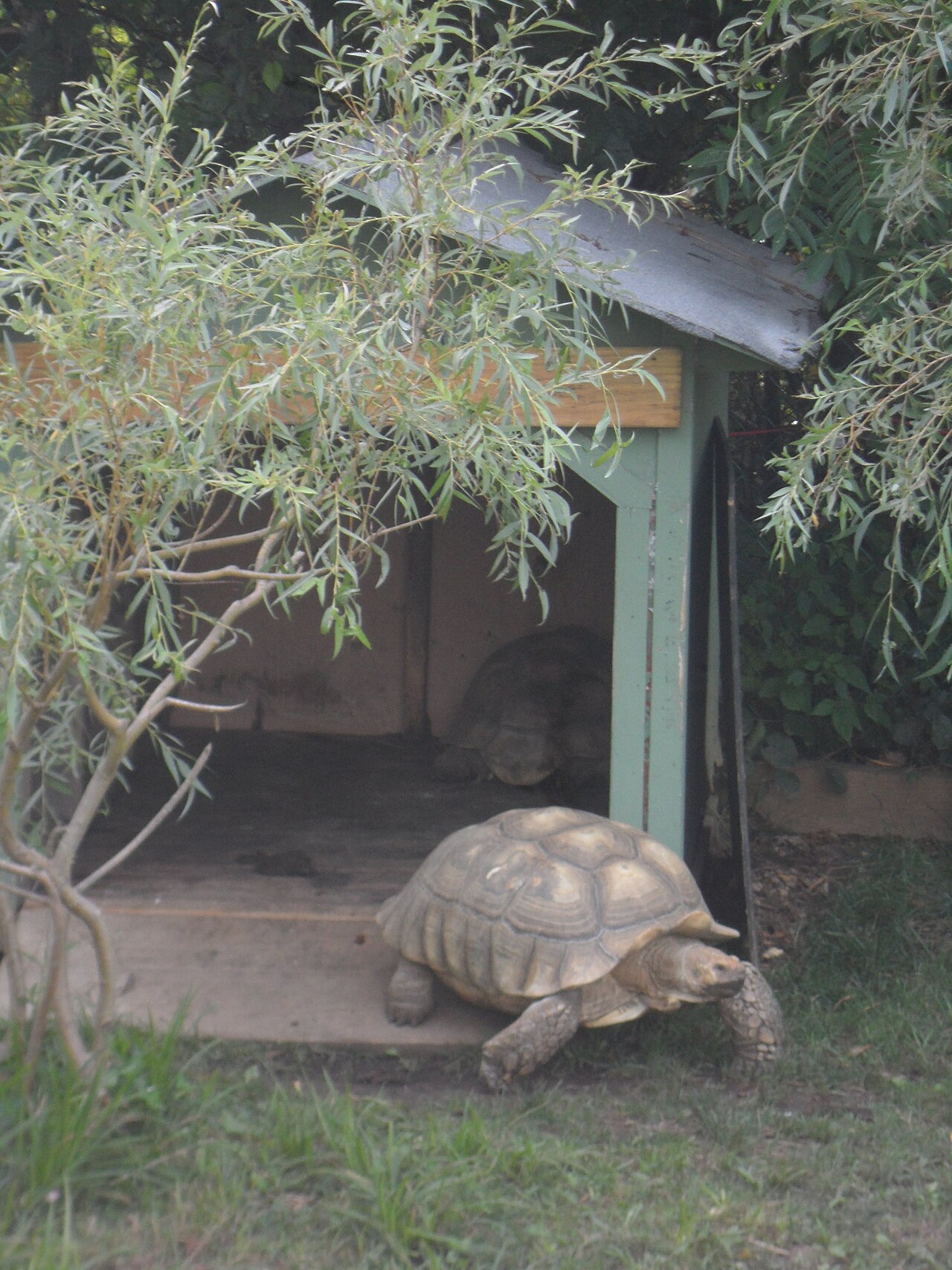
A sulcata tortoise (Centrochelys sulcata) is a grazing animal, and the diet that keeps one healthy for 70 years is almost boring: grass, hay, and broadleaf weeds in bulk, with fruit and protein off the menu entirely. Most health problems in this species, from shell pyramiding to bladder stones, trace back to feeding it like a pet rather than like a small, slow cow.
Here is the working ratio, the safe plant list, the foods that cause real harm, and how often to feed at each age.
A sulcata tortoise should eat 80 to 90 percent grasses and grass hay, with the rest made up of broadleaf weeds and leafy greens. Feed high fiber, low protein, and almost no fruit. Adults graze daily; hatchlings eat daily plus weekly soaks. Calcium supplementation is needed indoors.
| Food Group | Share of Diet | Examples |
|---|---|---|
| Grasses and hay | 80 to 90 percent | Bermuda, orchard grass, timothy, fescue |
| Broadleaf weeds | 10 to 15 percent | Dandelion, plantain, clover in small amounts, mallow |
| Leafy greens | Occasional | Endive, escarole, turnip and collard greens |
| Flowers and pads | Treat | Hibiscus, rose petals, prickly pear pads with spines removed |
| Fruit | Rare or never | A thumbnail of melon at most, monthly |
| Animal protein | Never | Dog food, cat food, insects, eggs |
What Is the Best Diet for a Sulcata Tortoise?
The best diet is grass the tortoise grazes itself. Sulcatas evolved in the Sahel, where food is coarse, fibrous, and low in protein and sugar. Their gut ferments that material slowly, and a diet that matches it produces smooth shell growth and normal kidney function.
In practice that means a secure outdoor pen planted with safe grasses, plus grass hay available at all times. Bermuda, orchard grass, timothy, and fescue all work. Hay is not filler here; it is the base of the diet, and a healthy adult eats it every day.
Commercial pellets can supplement grazing, but pick a grass-based, high-fiber formula and soak it first. They should never replace fresh forage, since chewing coarse plant material also keeps the beak worn down, a point covered further in our sulcata tortoise care guide.
Safe Grasses, Weeds, and Greens
Beyond grass and hay, the best additions are weeds. Dandelion, broadleaf plantain, mallow, sow thistle, chickweed, and hibiscus leaves and blooms are all excellent and usually free if you have an untreated yard. Mulberry and grape leaves are eaten readily too.
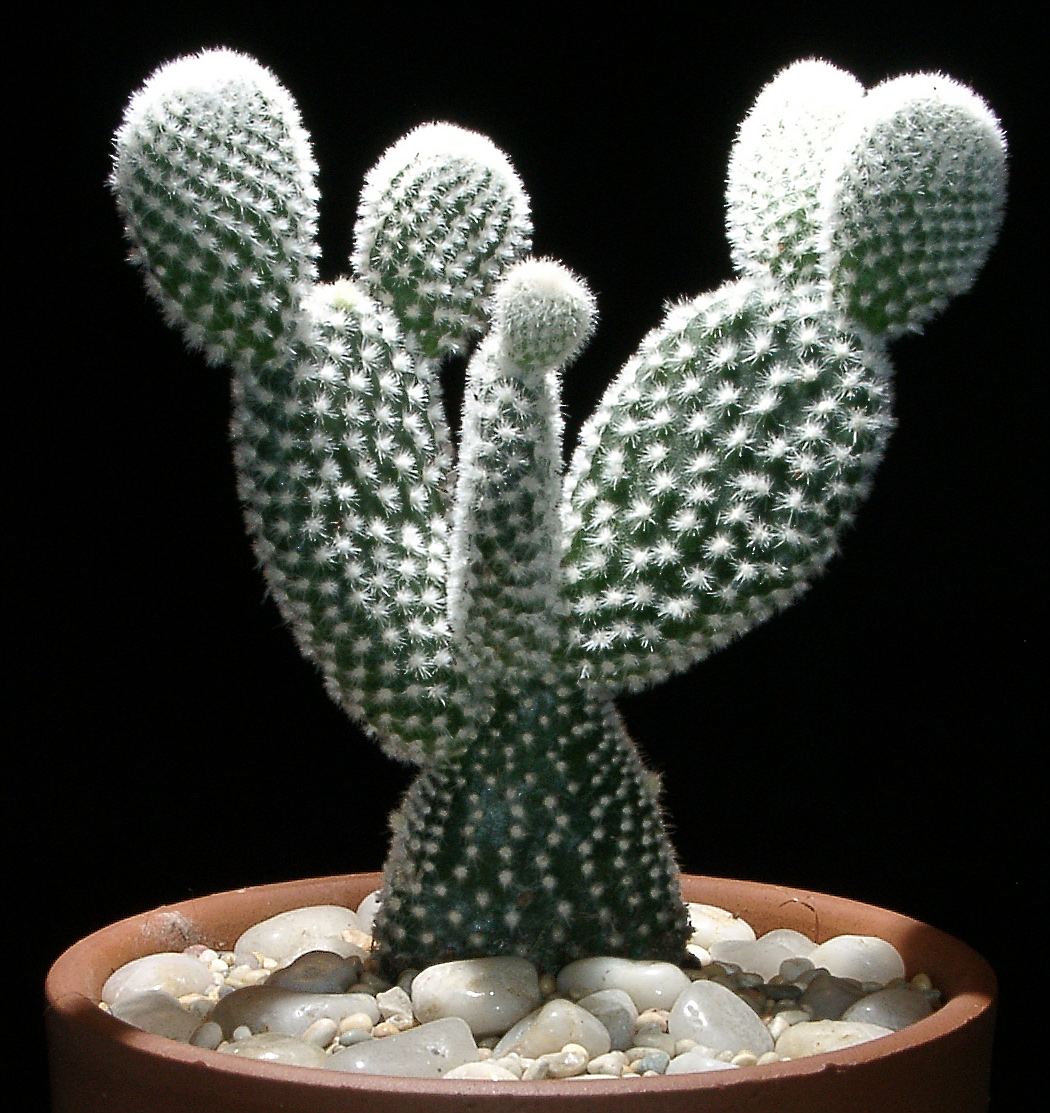
Grocery greens work as a winter supplement. Endive, escarole, turnip greens, collard greens, and dandelion greens all have reasonable calcium to phosphorus ratios. Prickly pear pads (Opuntia) with the spines scraped off are a favorite and add moisture.
Two cautions. Never collect from a roadside or a treated lawn, and keep clover and alfalfa to small amounts because both are high in protein. Variety across the year beats any single perfect plant, the same principle behind a good crested gecko diet.
What Can Sulcatas Not Eat?
No animal protein, ever. Dog food, cat food, and high-protein pellets cause rapid, uneven shell growth called pyramiding, and over years they contribute to kidney failure and bladder stones. A sulcata that grew up on dog food will show it in its shell for the rest of its life.
Fruit is the second problem. Sugar disrupts the gut flora these tortoises rely on to ferment fiber and often causes diarrhea and parasite blooms. Iceberg lettuce is nutritionally empty, and spinach and beet greens bind calcium through their oxalate content.
Toxic plants belong nowhere near the pen: azalea, oleander, daffodil, foxglove, buttercup, avocado, nightshade foliage, and rhubarb. Check any ornamental before you plant it in a grazing area, because a tortoise tests almost anything growing in its enclosure.
Do Sulcata Tortoises Need to Be Fed Daily?
Grazing tortoises eat every day, and that is exactly what you want. An adult with access to a grassed pen and free-choice hay feeds itself continuously, which is healthier than one large meal because the gut is designed to process a steady flow of fiber.
If you feed cut food instead, offer a portion roughly the size of the tortoise’s shell once a day and adjust to growth and body condition. Hatchlings and juveniles are fed daily without exception, and they need a shallow soak in lukewarm water two or three times a week.
Adults can skip a day without harm. Slow growth and a soft shell in a young tortoise usually mean too little calcium or UVB rather than too little food, the same pairing that decides the sulcata tortoise lifespan.
Supplements, Water, and the Mistakes That Cause Pyramiding
Calcium is the one supplement most sulcatas need. Dust food lightly with plain calcium carbonate two or three times a week, or leave a cuttlebone in the pen. Indoor tortoises also need a vitamin D3 source and a proper UVB lamp so that calcium can be used.
Provide a shallow water dish the animal can climb into and out of, and refill it daily. Humidity matters too: dry heat plus a high-protein diet is the recipe that produces pyramided shells, while grazing and adequate moisture produce smooth ones.
The Smithsonian’s National Zoo keeps its African spurred tortoises on a grass and hay base for the same reason. If your tortoise is growing fast and its scutes are rising into bumps, the diet is too rich, not too small, which is a useful contrast with a grazing species like the Indian star tortoise that shares the same fiber requirement.
Related reading: Russian Tortoise Diet.
Related reading: Sulcata Tortoise Care.
Frequently Asked Questions
How long can a Sulcata tortoise go without eating?
A healthy adult can go a week or more without food, since these tortoises are adapted to dry seasons with little forage. That is a survival capacity, not a care plan. Any tortoise refusing food for several days needs a check for low temperatures, illness, or dehydration.
Can I leave my tortoise alone for 3 days?
An adult sulcata is fine for a long weekend with free-choice grass hay, a full water dish, and stable temperatures. Hatchlings and juveniles should not be left that long, because they need daily feeding and regular soaks. Have someone check heating and water if you are away longer.
Can sulcata tortoises eat carrots?
Occasionally and in small amounts. Carrots are high in sugar and low in fiber, so they work as an infrequent treat rather than a staple. Carrot tops are the better part of the plant and can be fed more freely alongside other leafy greens.
Can Sulcata tortoises eat tomatoes?
Ripe tomato flesh is not toxic, but it is sugary and acidic, so treat it like fruit and offer it rarely if at all. The leaves, stems, and green unripe fruit contain solanine and are genuinely toxic. Keep tomato plants out of any grazing pen, much as you would keep a mud turtle out of a planted ornamental pond.