Rabbit Symbolism: Spiritual Meaning, Omens and What It Means to See One
Rabbit symbolism is one of the oldest and most consistent animal signs in folklore: across North America, Europe and East Asia, seeing a rabbit is read as a message about fertility, luck, intuition and the need to move before an opportunity closes. The rabbit is a prey animal, and prey survives by alertness rather than force, so most traditions that give the rabbit a meaning give it a version of the same one. Watch closely, trust the instinct, then act quickly.
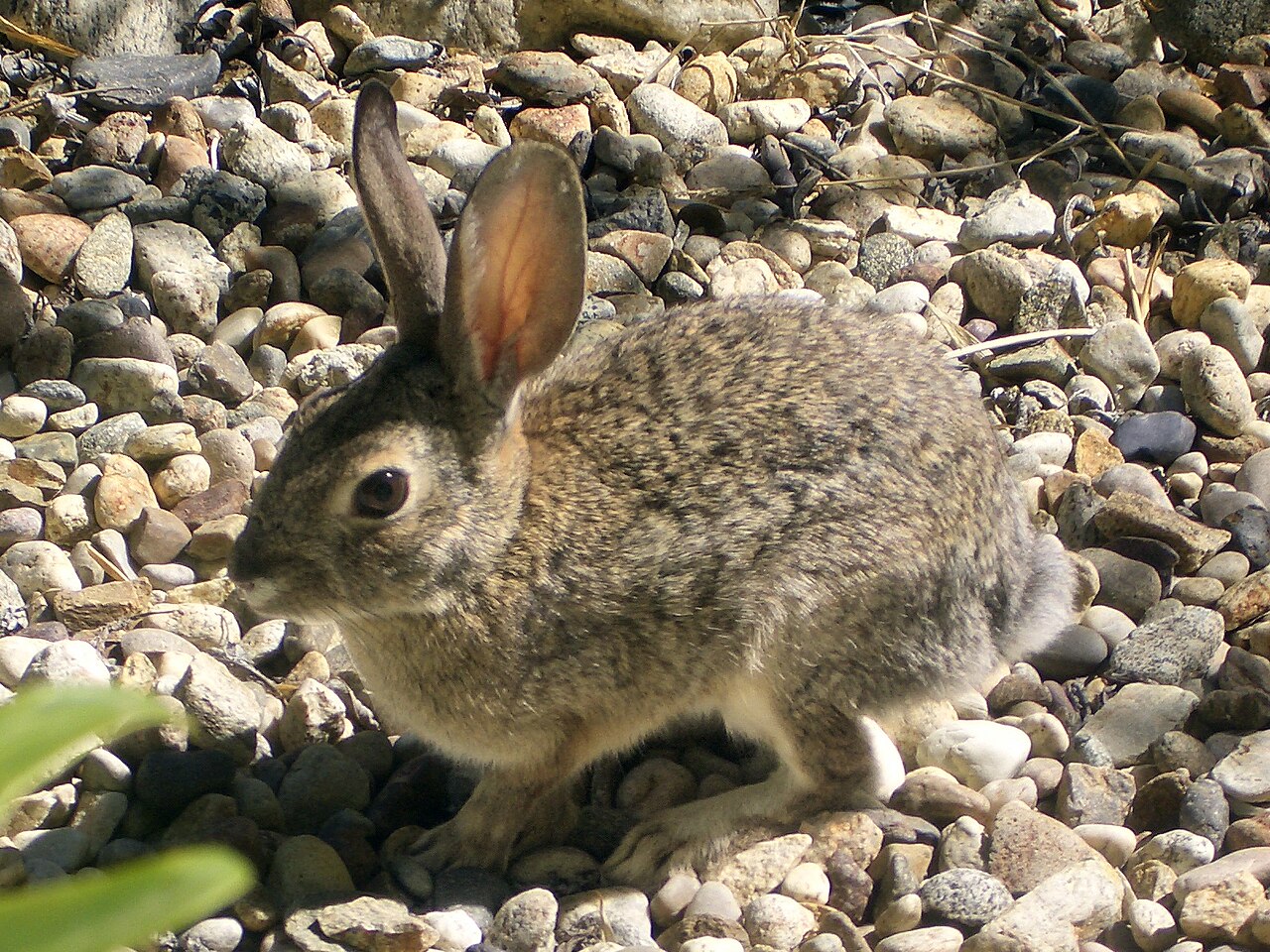
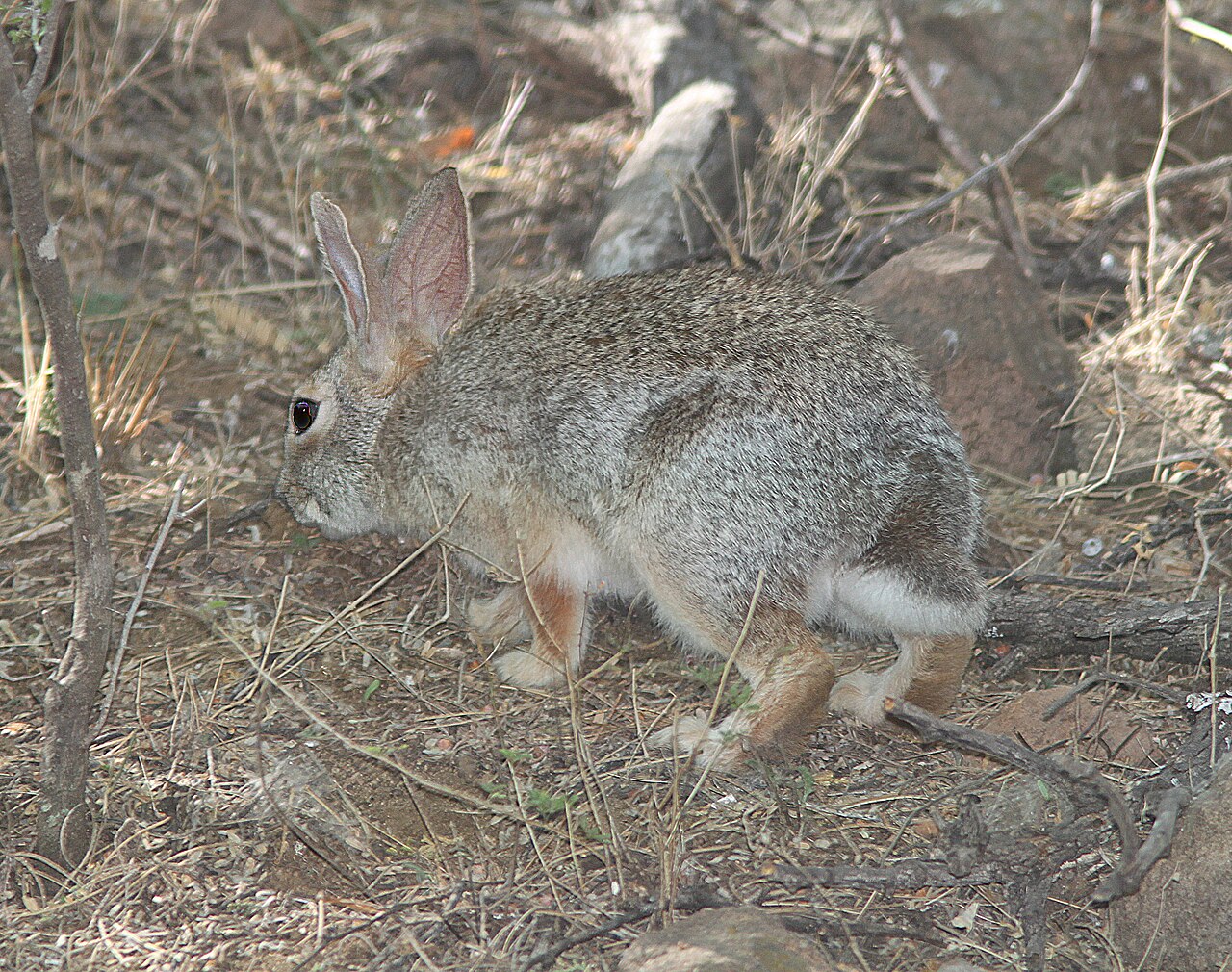
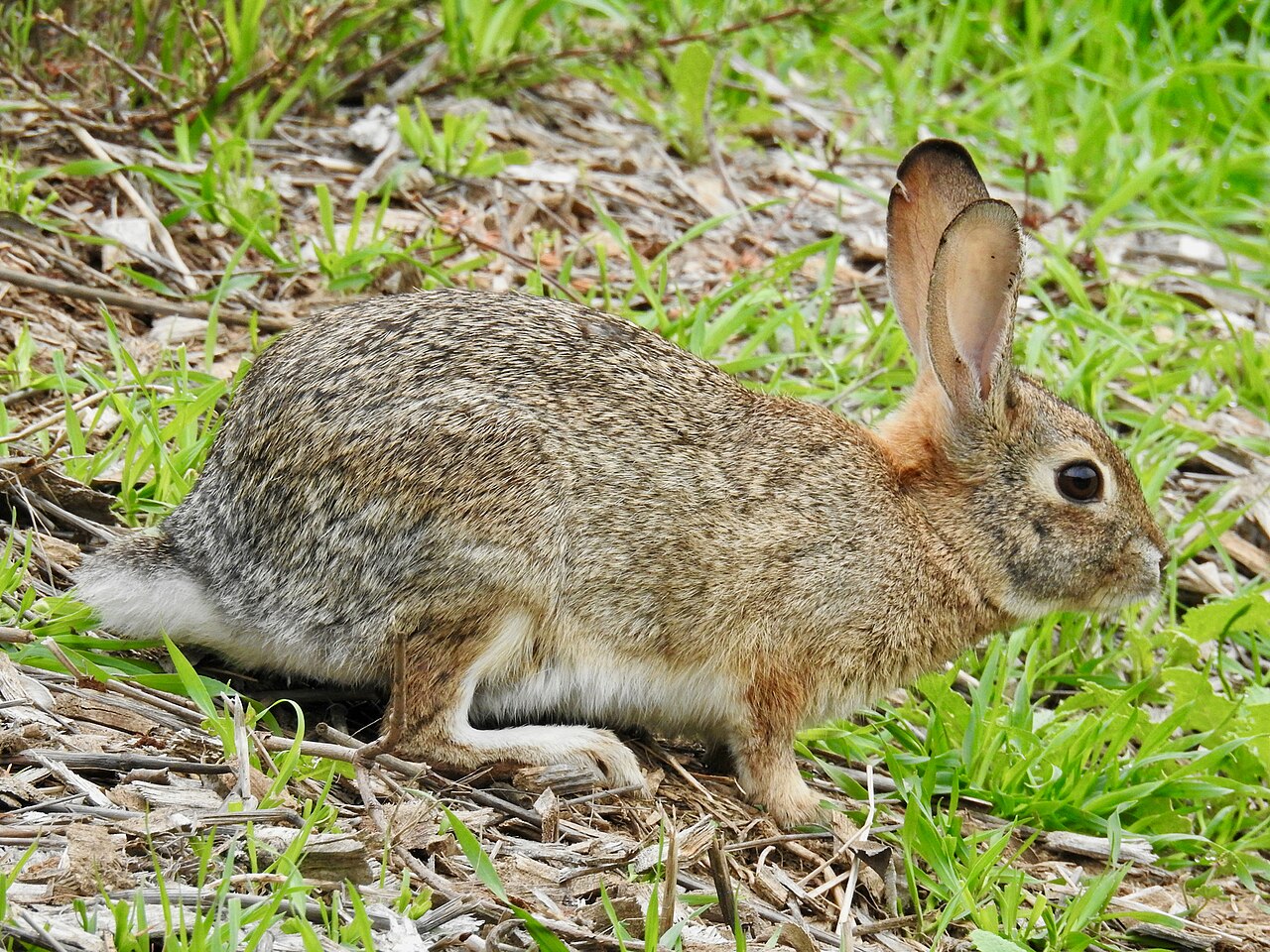
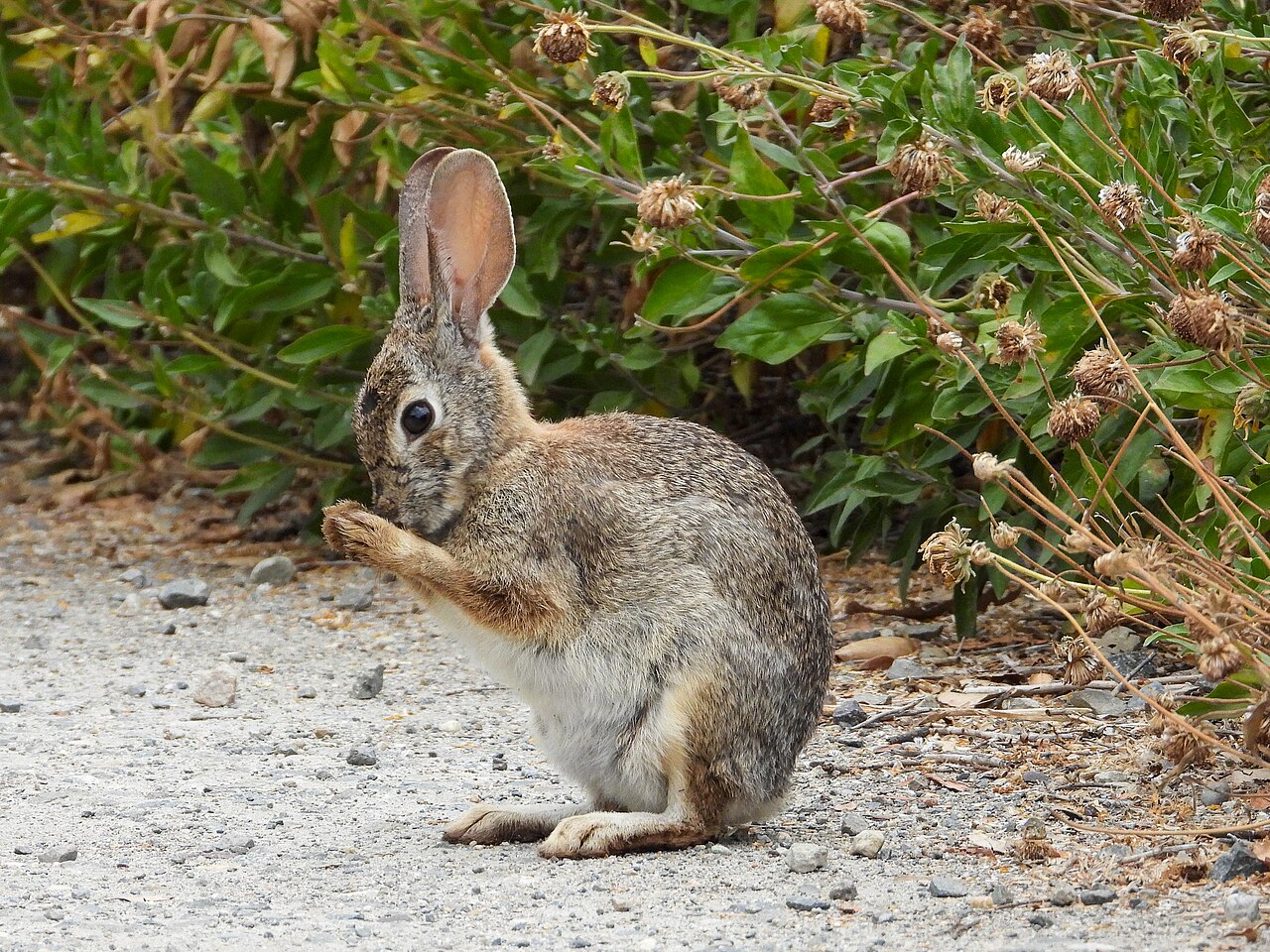
What a sighting means in detail depends on where you saw the animal, when, and what it did. An eastern cottontail (Sylvilagus floridanus) grazing on your lawn at dusk is ordinary behavior and carries a gentle reading. A rabbit that sits motionless at your door, returns three evenings in a row, or appears black and alone after dark has been treated very differently by the people who kept these beliefs. The traditions are separated below, then the common situations one by one.
Seeing a rabbit usually symbolizes fertility, abundance, intuition and fast, well timed action. Native American, Christian, Celtic and East Asian sources all tie the rabbit to new life and to the moon. A calm sighting is read as encouragement, while a startled or repeated one is read as a warning to move now.
| Situation | Common symbolic reading |
|---|---|
| Rabbit in your garden or yard | Abundance arriving, but a reminder to protect what you are growing |
| Rabbit at a window or door | News or a visitor; a message waiting to be noticed |
| Rabbit crossing your path | A choice ahead that rewards speed over deliberation |
| Rabbit seen at night | Moon symbolism, dreams and hidden fertility |
| Same rabbit seen repeatedly | A message not yet acted on |
| Black rabbit | Shadow work, grief, or a secret coming to light |
| Dead rabbit | The end of a cycle rather than bad luck |
What Is the Spiritual Significance of Seeing a Rabbit?
The spiritual significance of seeing a rabbit is almost always growth that is already underway. Because a single pair of cottontails can produce three or four litters in a season, the rabbit became shorthand for increase in almost every farming culture that lived alongside one. People who report a meaningful sighting most often describe a project, a pregnancy, a move or a relationship that was about to expand anyway, and read the rabbit as confirmation rather than instruction.
The second layer is timing. A rabbit does not fight and does not freeze for long; it holds still, judges the threat, and then runs along a route it already knows. Traditional readings take that behavior as the lesson: prepare the escape before you need it, and do not confuse hesitation with patience. Compared with the warning readings attached to the coyote as a trickster figure, rabbit meanings are gentle. They point to opportunity and to speed, rarely to danger.
Hare Versus Rabbit Symbolism
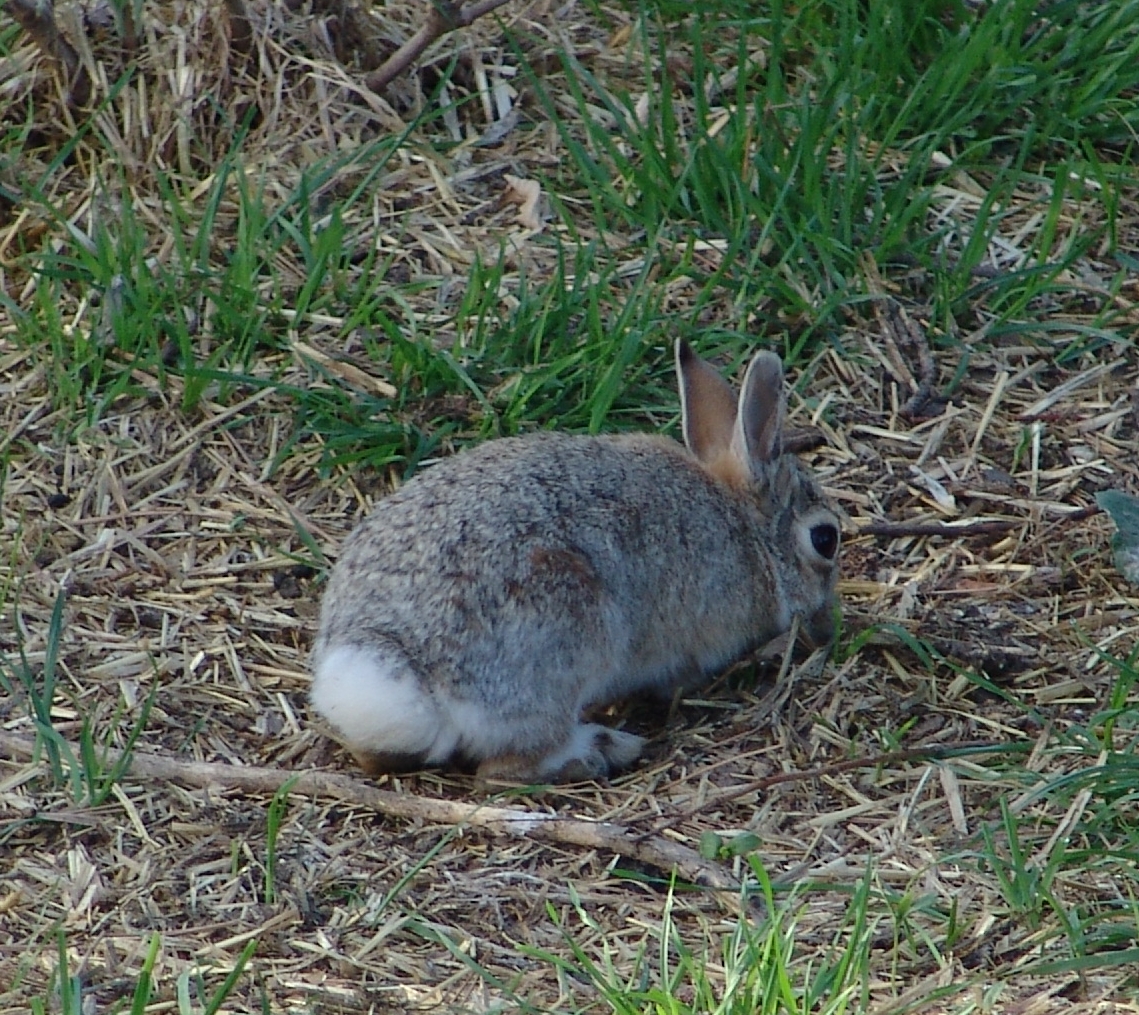
Most of the old European material is about hares, and the two animals are not interchangeable. Rabbits are born naked and blind in a burrow, live in groups and bolt for a hole when frightened. Hares are born furred with open eyes in a shallow scrape, live alone and outrun trouble in the open. Folk symbolism followed that biology: hares got madness, witchcraft and the moon, while rabbits got the household, fertility and luck.
American usage blurred the line, partly because the animals people call jackrabbits, such as the black-tailed jackrabbit (Lepus californicus), are hares, and partly because the cottontail took over the storytelling role the hare held in Europe. The boxing and leaping of hares in late winter produced the mad March hare, which is breeding behavior rather than any kind of omen. When a source says hare, keep the word, because the meaning attached to it is usually sharper than the rabbit version.
Rabbit Symbolism in Native American Traditions
There is no single Native American meaning for the rabbit, because the hundreds of nations in North America are not one tradition. In Algonquian accounts from the Great Lakes and the Northeast, the culture hero Nanabozho appears as a Great Hare and is credited with shaping parts of the world and bringing fire to people. In Cherokee storytelling, the rabbit, Jistu, is a trickster who wins by wit and sometimes loses to his own cleverness, a role that other regions assign to the coyote or the raven.
Plains traditions, including Lakota accounts, preserve stories of a rabbit who raises an abandoned child, and several tellers have used the rabbit to teach about fear: the animal that watches for danger constantly tends to meet it. That teaching is widely repeated in modern books as “rabbit attracts what it fears,” which is a compressed version of a longer story rather than a doctrine. When citing any of this, name the nation and the storyteller if you can, because the versions differ in meaning as well as detail.
Rabbit Symbolism in Christianity and the Bible
What does God say about bunnies? The Bible mentions the hare twice and both times in dietary law. Leviticus 11:6 and Deuteronomy 14:7 list the hare among animals the Israelites were not to eat, because it chews its food yet does not have a split hoof. Proverbs 30:26 praises the rock badger, often grouped with rabbits by early translators, as small but wise enough to make its home in the cliffs. There is no verse that assigns the rabbit a blessing or a curse.
The resurrection symbolism came later and came from art. Medieval and Renaissance painters placed white rabbits at the feet of the Virgin Mary as a sign of purity, and the three hares motif in church windows and ceilings across Europe has been read as an image of the Trinity. The Easter bunny itself is traceable to German folklore, where the Osterhase brought eggs to well behaved children, a custom carried to Pennsylvania in the 1700s. A similar layering of older symbols onto church imagery shows up in the meanings attached to birds.
Rabbits and Hares in Celtic Lore
Celtic sources treat the hare, not the rabbit, as the sacred animal, and the distinction matters: rabbits were introduced to Britain and Ireland by the Romans and Normans, while the hare was already there. Hares were widely believed to be shapeshifters, and into the 1800s rural accounts in Ireland, Scotland and Cornwall described witches taking the form of a hare to steal milk or spy on neighbors. Killing one was considered risky for that reason.
The best known classical reference comes from Dio Cassius, who wrote that Boudica released a hare from her cloak before battle and read the direction it ran as an omen from the goddess Andraste. Modern writers often connect hares to a spring goddess named Eostre, named once by the monk Bede in the 700s, but the hare link to her is a nineteenth century addition and not recorded in any early source. Say so when you repeat it.
The Moon Rabbit in East Asian Symbolism
In China, Japan, Korea and Vietnam the rabbit belongs to the moon. Chinese tradition places the Jade Rabbit, Yutu, beside the moon goddess Chang’e, grinding the elixir of immortality, and the name was given to the lunar rover China landed in 2013. Japanese tellings see the same shadows on the moon as a rabbit pounding rice into mochi, and the mid autumn moon viewing festivals still use rabbit imagery heavily.
The rabbit is also the fourth sign of the Chinese zodiac, covering years such as 1963, 1975, 1987, 1999, 2011 and 2023, and people born in those years are described as diplomatic, cautious and lucky with money. Vietnamese astrology replaces the rabbit with the cat in the same slot. Across all of these, the symbolism is calm rather than dramatic: longevity, modesty, and quiet good fortune.
The Rabbit in Buddhist and Hindu Stories
South Asian tradition gives the rabbit the strongest moral role it has anywhere. In the Sasa Jataka, a tale of one of the Buddha’s earlier lives, a hare pledges to feed any beggar who comes and, having nothing else, offers its own body by leaping into a fire. The god Sakka, who had come disguised to test the pledge, draws the hare’s figure on the face of the moon so the act would be remembered. That story is the origin of the moon hare image that spread through Asia.
Sanskrit keeps the same picture in its vocabulary: one of the common words for the moon, sasin, means the one that carries the hare. Hindu texts use the rabbit mainly in that lunar sense rather than as an omen animal, which is why a sighting carries no fixed meaning in those traditions. Where it does appear, generosity and self sacrifice are the themes, not luck or warning.
Rabbit as a Spirit Animal, Totem and Omen
The three terms are used loosely and do not mean the same thing. A totem, in the anthropological sense, is an animal tied to a clan or lineage and inherited, not chosen. A spirit animal in modern usage is an animal whose traits a person identifies with or feels guided by. An omen is a single event read as a sign about the near future, which is what most people mean when they ask what a rabbit sighting meant.
As a modern spirit animal, rabbit is associated with fertility, sensitivity to atmosphere, nimble decisions and a tendency toward anxiety that needs managing rather than ignoring. The lucky rabbit’s foot charm is a separate and much more recent folk item, documented in the United States from the late 1800s. If you want the contrast, bear symbolism runs the other direction entirely, toward endurance and confrontation rather than evasion.
What Does a Black Rabbit Symbolize?
A black rabbit symbolizes the part of a situation that has not been looked at yet: grief that was postponed, a secret held too long, or a decision made in the dark. Folk readings pair black animals with the moon’s hidden face rather than with evil, so a black rabbit is normally interpreted as an invitation to deal with something, not as a threat. Is a black rabbit a good omen? In most tellings yes, on the condition that you act on what it points at.
What does it mean to see a wild black rabbit? Biologically it means you have probably seen a melanistic individual or an escaped domestic rabbit, and the second is far more likely in a suburb. Is it rare to see a black rabbit? Genuinely wild melanistic cottontails are uncommon, which is exactly why sightings get remembered and retold. Dark plumage carries a similar double meaning in blackbird symbolism.
White, Brown and Gray Rabbits
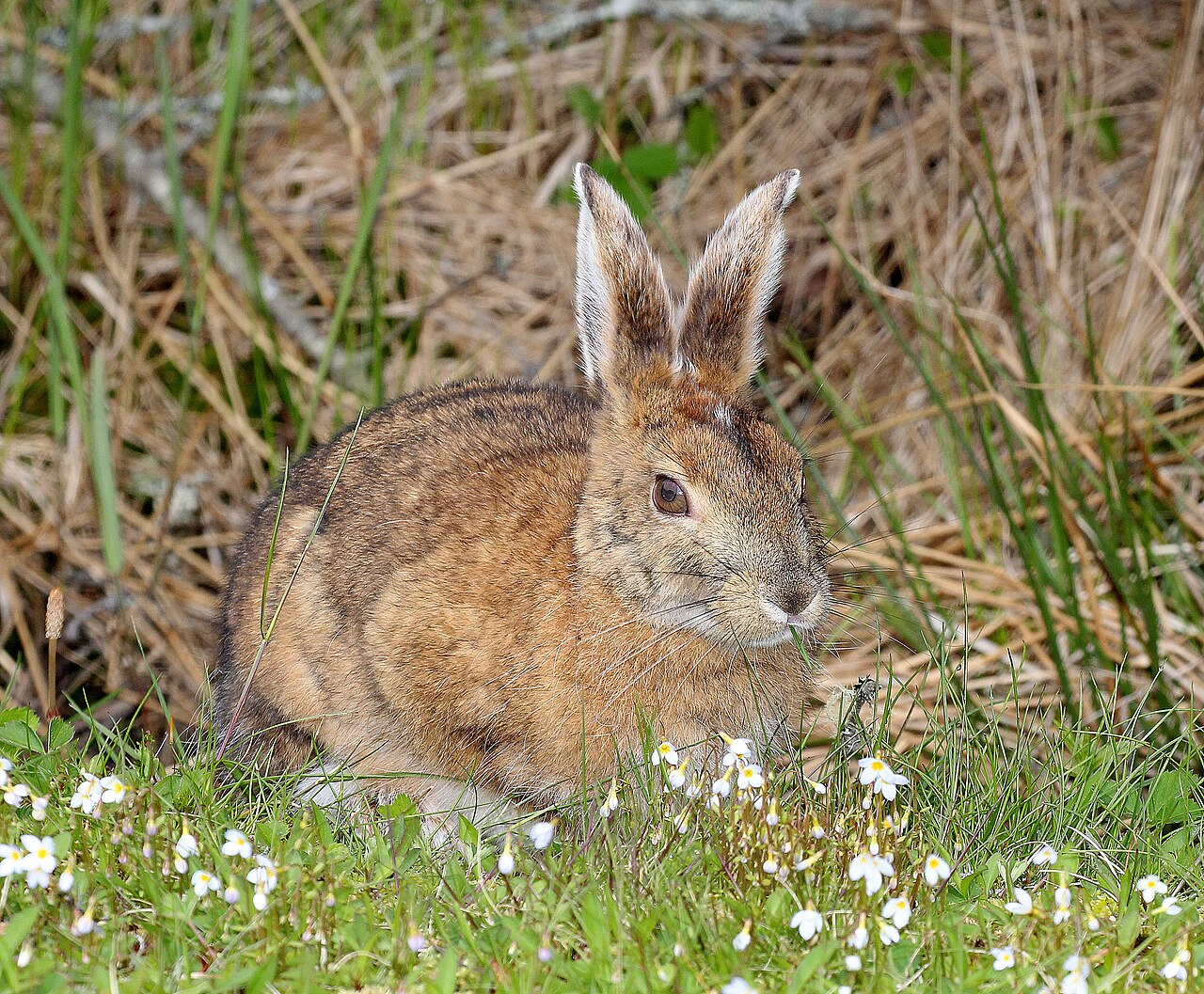
Color readings follow the animal’s own biology more closely than people expect. A white rabbit is read as purity, clarity and messages from dreams, which fits the snowshoe hare (Lepus americanus), an animal that turns white in winter and is genuinely hard to see against snow. White rabbits in art mark innocence, and in Lewis Carroll’s hands the white rabbit became a symbol of urgency and curiosity instead.
Brown and gray rabbits, which is what almost every wild sighting in the lower 48 states actually is, carry the grounded meanings: household stability, modest growth, food on the table. Spotted or piebald rabbits are nearly always domestic breeds that have been released or have escaped, and folk readings treat them as signs about the home rather than the wild. A red tinged coat is usually just wet fur or evening light.
A Rabbit in Your Garden or at Your Window
A rabbit in the garden is the most common sighting of all and the most practical to interpret. Traditional readings call it abundance arriving with a condition attached: something you are growing is now worth protecting. That is literally true, since cottontails clip beans, lettuce and young perennials at a clean 45 degree angle and will return nightly once they find them.
A rabbit at a window, a door or on a porch is treated as a message rather than a harvest sign, in the same family as a bird tapping the glass. Folk readings say news is coming or a visitor is on the way. In practice, rabbits press against buildings for shelter from wind and predators, and a doe may be drawn to a shallow nest hidden in the lawn nearby. Both things can be true at once: the cardinal at the window has the same double explanation.
Seeing a Rabbit at Night or Crossing Your Path
A rabbit seen at night belongs to the moon side of rabbit symbolism, which is where the dream, fertility and intuition meanings cluster. Sightings after full dark were read as signs about something hidden and about to surface, and in several European traditions a hare crossing a road at night was a warning to travelers to turn back or slow down. Headlights make this common now in a way it never was before.
A rabbit crossing your path in daylight is the classic decision omen. The usual reading is that a choice is in front of you, the window is narrow, and the rabbit’s own behavior is the advice: pick a direction and commit to it. If it runs to your left, some tellings read a change in the home, and to the right a change in work, though this split varies by region and should be presented as one version among several.
Seeing the Same Rabbit Repeatedly: What Is the Rabbit Trying to Tell Me?
What is the rabbit trying to tell you? When a sighting repeats, the standard answer in every tradition that reads omens is the same: the message landed but nothing was done about it. Three sightings in short succession is the number that recurs in folk accounts, and the prescribed response is to name the decision you have been avoiding and take the smallest concrete step on it that same day.
The ordinary explanation is just as useful. Cottontails have home ranges of roughly 1 to 10 acres and follow habitual routes between cover and feeding areas, so the rabbit on your path three evenings in a row is very likely the same individual doing its normal circuit. Identify it by a notched ear or a scar and you can test that, which is the kind of observation the repeat sighting readings for bats also deserve.
A Dead Rabbit and Rabbits in Dreams
Finding a dead rabbit is read as the close of a cycle, not as a curse. Folk interpretations treat it as a sign that something fertile has run its course and that holding on is the real risk. A rabbit killed by a cat or hawk in your yard carries no additional meaning in most traditions; predation is simply what the animal is for in the food web, and the Smithsonian Institution notes that cottontail populations are built around heavy annual losses, which you can read more about through the Smithsonian.
In dreams, a rabbit is usually read by situation rather than species. Catching one points to a goal within reach, chasing one to a goal that keeps moving, and a burrow or warren to family matters and the home. Multiplying rabbits in a dream almost always maps to something in the dreamer’s life that is growing faster than expected, which is a reading old enough to appear in nineteenth century dream books.
Frequently Asked Questions
What is the 3-3-3 rule for bunnies?
The 3-3-3 rule is an adoption guideline, not a symbolic one. A newly adopted rabbit needs about 3 days to stop hiding, 3 weeks to learn the household routine, and 3 months to behave like itself. It is borrowed from dog rescue and is useful for setting expectations with a frightened animal.
Do rabbits dream?
Yes. Rabbits enter REM sleep, and owners regularly see twitching noses, flicking ears and paddling feet in a sleeping rabbit. Studies of sleep in rabbits date back decades and confirm the REM stage. That physiology is part of why the rabbit sits so comfortably in dream and moon symbolism across different cultures.
Is it rare to see a black rabbit?
In the wild, yes. Melanistic eastern cottontails occur but are uncommon, so most black rabbits seen in American yards are escaped or released domestic animals. In Britain, black wild rabbits appear more often because the local population descends from introduced stock that carried the color variant.
Does a rabbit sighting mean pregnancy?
Fertility is the oldest rabbit meaning, so many traditions connect a sighting to pregnancy or to a new family member. Treat it as symbolism rather than information. The association is strong enough that rabbits were used in an early twentieth century pregnancy test, which is where the phrase about the rabbit died comes from.
Is it bad luck to kill a rabbit?
Several European folk traditions said yes, particularly for hares, which were believed to be transformed people. American folklore is more divided, since rabbit hunting has always been common. The consistent thread is that killing a rabbit without using it was considered unlucky, while hunting for food was not.
Which animals carry similar luck meanings?
Rabbits sit in a cluster of small, quick, moon linked animals credited with luck and fertility, alongside frogs, cranes and certain fish. Larger predators get strength and authority meanings instead. Within a single culture the small animal usually represents the household and the predator the wider world.