Elephant Symbolism: Luck, Wisdom and the White Elephant
Elephant symbolism reaches from Hindu temples and Thai royal courts to feng shui living rooms, and many spiritual writers read an elephant sighting as a call to slow down and act from inner strength. The white elephant, sacred in Buddhism and Thai royal tradition, carries the most distinctive meaning of all.
Elephants symbolize wisdom, strength, memory, loyalty to family and good luck. In Buddhist and Thai tradition a white elephant is a sign of purity, royal blessing and spiritual awakening. A figurine with its trunk raised celebrates good fortune, and a pair placed inside the entrance and facing into the home welcomes luck.
| Situation | Common meaning | Tradition or source of the belief |
|---|---|---|
| Elephant seen in the wild | Slow down, lead from steadiness | Modern spirituality |
| White elephant | Purity, a sacred birth, a just ruler | Buddhist and Thai royal tradition |
| Statue with trunk up | Good fortune showered on the room | Feng shui and gift-shop custom |
| Statue with trunk down | Energy stored, fertility, grounded strength | Feng shui |
| Pair at the entrance, facing inward | Luck welcomed in | Feng shui and Vastu guides |
| Dream of a calm elephant or herd | Support and stability | Dream lore |
What Does an Elephant Symbolize?
The elephant’s reputation rests on four traits people observe in herds: deliberate movement, long memory, power held in reserve and close family bonds. The folk saying that an elephant never forgets made memory part of the symbol, and the herd’s slow, deliberate pace made it the emblem of the considered decision rather than the quick one.
Strength is the third pillar, and it is strength held in check. People picture the elephant using its power to shield rather than to attack. Herds are led by older females, and the matriarch’s role made the elephant a symbol of motherhood and loyalty. When a herd meets a threat, the adults close ranks around the calves, and that single image of a wall of bodies protecting the young did more for the symbol than any myth. The wider map of animal symbolism places the elephant among the guardian animals.
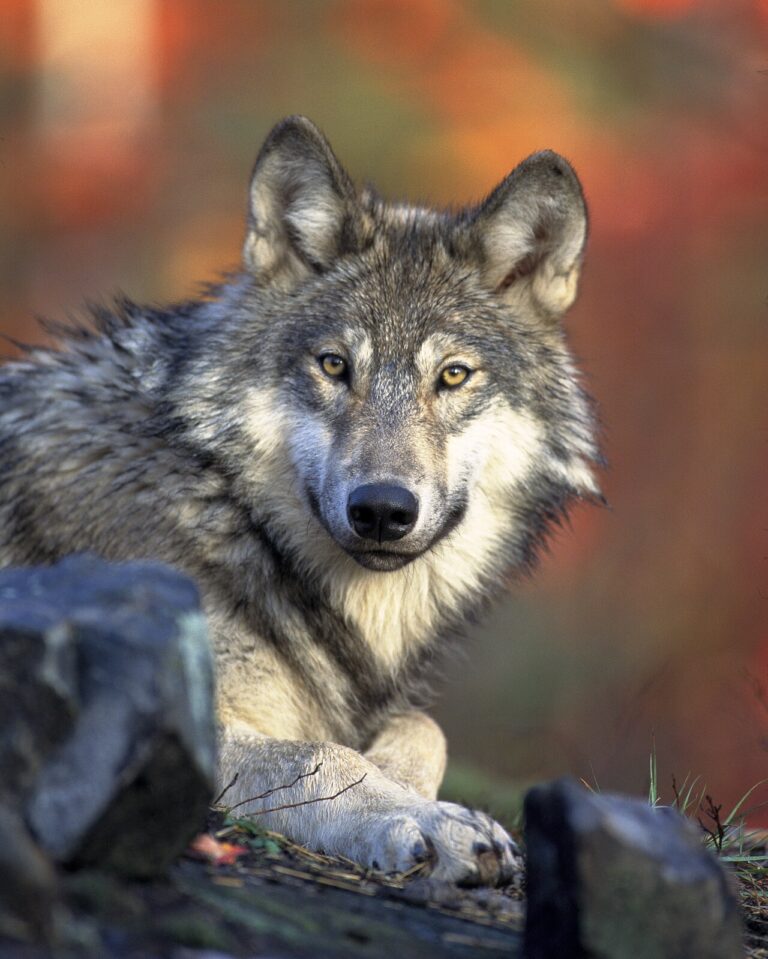
The wolf is the other animal whose symbolism rests on a group led by its elders; more in our guide to wolf symbolism.
Spiritual Meaning of Seeing an Elephant
Spiritual writers commonly read seeing an elephant as a call to slow down and act from inner strength rather than from urgency. The elephant gets where it is going without hurry, and the person who meets it on safari or in a sanctuary is asked to do the same.
When elephants keep turning up away from the wild, in images, gifts or conversations within a short span, the sign shifts toward family. The message is to call an elder, mend a bond or take up a duty of care that has been left waiting.
As an omen the elephant is read as positive: protection and a cleared obstacle. More in our guide to bear symbolism, another animal of guarded strength.
White Elephant Symbolism: Purity, Royalty and Awakening
A white elephant symbolizes purity, royal blessing and spiritual awakening, and the meaning begins with a dream. In Buddhist tradition Queen Maya is said to have dreamed of a white elephant entering her right side on the night she conceived the Buddha, so the animal marks a sacred birth.

Hindu mythology adds kingship and rain. Airavata, the white elephant ridden by the god Indra, stands for royal power and for the monsoon that Indra commands. In Thailand and the old kingdom of Siam, white elephants were treated as royal property and as a sign that the reigning king ruled justly. Siam’s flag showed a white elephant on a red field until 1917, and the animal remains tied to the Thai monarchy today.
The animals called white are rare pale or pinkish elephants with light patches, not snow white ones, and the paleness itself counted as the blessing. This sacred meaning has nothing to do with the English idiom, covered in the FAQ below.
Are Elephants Good Luck? Trunk Up vs. Trunk Down
Yes, elephants are considered good luck in feng shui and in Western gift-shop custom, and the trunk position shows which kind of luck a figurine brings. A raised trunk is the celebratory form. It showers good fortune on the room and marks success, so it is the figure people buy for a new home or a new job.

A lowered trunk brings no misfortune. In feng shui it stores energy, stands for fertility and gives steady, grounded strength rather than a burst of it.
Which Direction Should an Elephant Statue Face?
An elephant statue should face inward when you want to welcome good fortune and outward when you want it to guard the door, according to feng shui practice. A pair inside the entrance, facing inward toward the living space, draws luck in with every guest. Facing outward toward the street, the same pair guards the house.
The bedroom gets its own placement. Feng shui writers recommend a pair of elephants there to strengthen a relationship and to support couples hoping for a child.
Near the desk it is said to support steady decisions. Vastu guides, drawing on the Indian tradition of placement, commonly place elephants near the entrance as well. Feng shui gives the turtle a similar guardian role at the back of the home; more in our guide to turtle symbolism.
Elephant Meaning in Hinduism and Buddhism
In Hinduism the elephant means the removal of obstacles, because Ganesha, the elephant-headed god, is honored as the patron of beginnings, wisdom and learning. Hindus traditionally invoke him at the start of a wedding, a journey or a new business.

Buddhist teaching turns the elephant inward. The untamed elephant is the restless mind, trampling from one craving to the next. The tamed elephant, calm under its rider, is the trained mind that meditation produces.
Elephant Symbolism in African, Chinese and Western Traditions
Outside South Asia the elephant stands for leadership in Africa, for good fortune in China and for virtue and conquest in the West. In the Grassfields kingdoms of Cameroon, beaded elephant masks were reserved for royal societies, and in the Kingdom of Benin the elephant appeared on the brass plaques and carved tusks of the royal court.
In China the word for elephant, xiang, sounds like the word for auspiciousness, so the elephant became a sign of peace and prosperity in Chinese art.
Medieval Western bestiaries described the elephant as chaste and patient, a model of Christian virtue. Roman generals such as Pompey paraded elephants in their triumphs as a display of power and conquest. In the United States the elephant is the symbol of the Republican Party, popularized by cartoonist Thomas Nast in 1874. More in our guide to bison symbolism, the other large animal of American emblems.
Elephant Spirit Animal, Totem and Dream Meaning
The elephant as a spirit animal belongs to people who are loyal and protective, and who carry responsibility without complaint. As a totem it is a reminder to honor ancestors and elders and to lead by quiet example rather than by command.

Dream lore sorts elephant dreams by the animal’s mood. A calm elephant or a whole herd brings support, stability and family bonds. An elephant that chases the dreamer points to an issue too big to keep ignoring.
Frequently Asked Questions
What does the idiom “a white elephant” mean?
It means a possession that costs more to keep than it is worth. A white elephant, in English, is a property that requires much care and expense and yields little profit, as Merriam-Webster defines it, or an object its owner no longer values. A popular legend traces the phrase to Siamese kings who gave the sacred animals to rivals to ruin them with the upkeep.
What does it mean to give someone a white elephant gift?
No, it has nothing to do with real elephants: a white elephant gift is a humorous or impractical present swapped at a party game, where guests draw numbers, pick a wrapped gift and may steal one already opened. The game carries no spiritual meaning.
Do elephants really never forget?
No, not literally, but their long-term memory is exceptional. The elephant has the largest brain of any land animal, roughly 11 lb, and older matriarchs lead their herds to water holes they remember from earlier droughts.
What does an elephant tattoo mean?
It usually honors motherhood or family: a mother with a calf stands for motherhood and protection, a raised trunk adds the wish for luck, and a lotus or mandala frame brings in the Buddhist meaning of awakening.
Is the elephant a national symbol anywhere?
Yes. The elephant is the national animal of Thailand, and an elephant head appears on the coat of arms of Côte d’Ivoire, whose name means Ivory Coast.
Sources
- Encyclopaedia Britannica, Ganesha
- Encyclopaedia Britannica, Elephant
- Merriam-Webster, White elephant
- Wikipedia, Queen Maya’s Dream
- History.com, Roman triumphs