Types of Woodpeckers: A Complete Guide
North America is home to more than twenty species of woodpeckers, from the tiny downy woodpecker to the crow-sized pileated woodpecker, plus sapsuckers, flickers, and more. These distinctive birds are built for clinging to trees and drilling into wood, and many readily visit backyard feeders. This guide covers how many types of woodpeckers there are, common species you can see, how to tell them apart, where they live, and how to attract them to your yard.
| Woodpecker | Key Features |
|---|---|
| Downy Woodpecker | Tiny, small bill, common |
| Hairy Woodpecker | Like downy but larger, long bill |
| Red-bellied Woodpecker | Barred back, red cap |
| Red-headed Woodpecker | Fully red head, bold pattern |
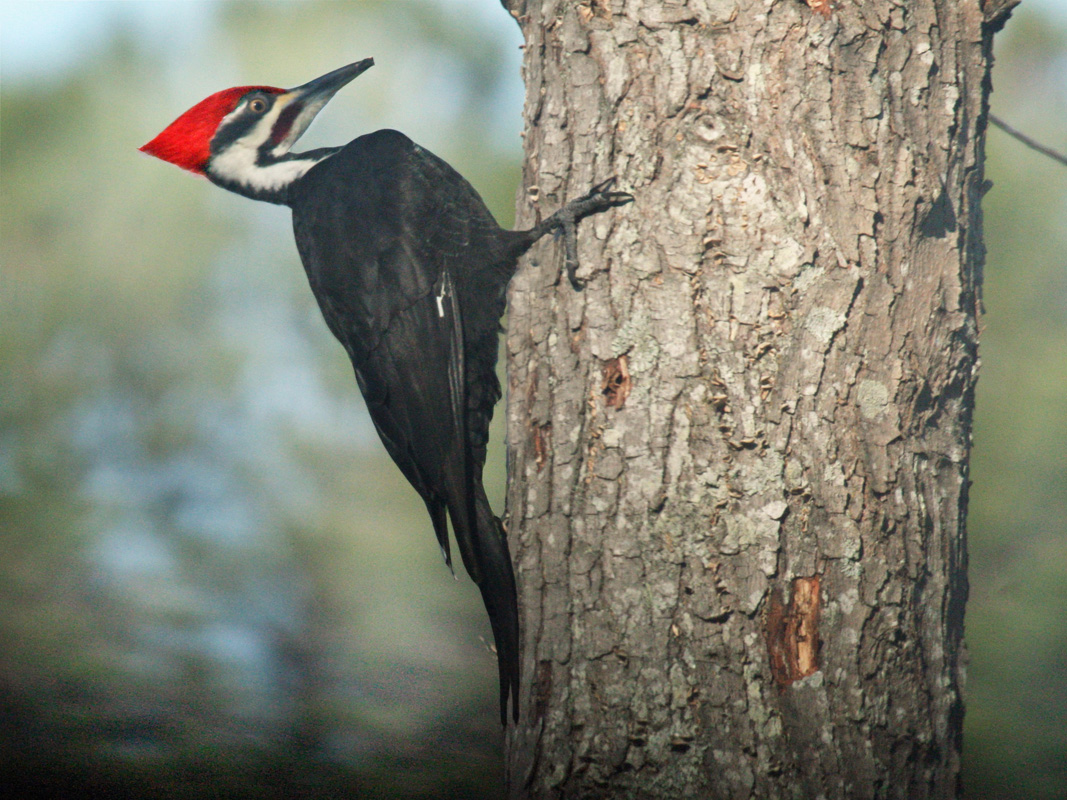
| Pileated Woodpecker | Very large, red crest |
| Northern Flicker | Brown, spotted, ground-feeding |
| Yellow-bellied Sapsucker | Drills sap wells in rows |
| Acorn Woodpecker | Stores acorns, clownish face |
How Many Types of Woodpeckers Are There?
There are more than twenty species of woodpeckers in North America, part of a worldwide family of over two hundred species. They range in size from the tiny downy woodpecker, one of the smallest, up to the striking, crow-sized pileated woodpecker. This group includes not only the classic woodpeckers but also related birds such as the sapsuckers, which drill neat rows of holes to feed on sap, and the flickers, which often feed on the ground. Woodpeckers share a suite of special adaptations for their tree-climbing, wood-drilling lifestyle, including strong, chisel-like bills, stiff tail feathers that prop them against tree trunks, and long, barbed tongues for extracting insects. Most have a characteristic undulating flight and a habit of drumming on wood to communicate. This diversity means woodpeckers come in many sizes and patterns, and several are common backyard visitors, as covered in our guide to what woodpeckers eat.
Common Types of Woodpeckers
Several types of woodpeckers are especially common and worth knowing. The downy woodpecker is the smallest and one of the most familiar, a black-and-white bird with a small bill that readily visits feeders. The hairy woodpecker looks almost identical but is noticeably larger with a longer bill, a classic identification challenge covered in our guide to the downy vs hairy woodpecker. The red-bellied woodpecker has a boldly barred back and a red cap, and despite its name shows only a faint reddish belly. The red-headed woodpecker is unmistakable, with a fully red head and a bold black-and-white body. The pileated woodpecker is very large, nearly the size of a crow, with a flaming red crest. The northern flicker is a brown, spotted woodpecker often seen feeding on the ground for ants, while the yellow-bellied sapsucker drills orderly rows of sap wells, and the acorn woodpecker famously stores acorns in tree holes and has a clownish face pattern.
How to Tell Woodpeckers Apart
Telling woodpeckers apart is easier when you focus on size, pattern, and a few key marks. Size is often the first clue, since woodpeckers range from the tiny downy to the huge pileated, and it is the main way to separate look-alikes like the downy and hairy woodpeckers, with the hairy being larger and longer-billed. Head and face pattern is very helpful, such as the red-headed woodpecker’s fully red head, the red-bellied woodpecker’s red cap, or the flicker’s spotted, brown look. Note the pattern on the back and wings, whether barred, spotted, or boldly marked, and watch the bird’s behavior, since flickers often feed on the ground and sapsuckers drill neat rows of holes. In many species males and females differ slightly, often in the amount of red on the head. By combining size, head and back pattern, and behavior, you can identify most woodpeckers, a satisfying skill for backyard birders who enjoy attracting them, as in our guide to attracting birds.
Where Woodpeckers Live
Woodpeckers live wherever there are trees or wood, occupying a wide range of habitats across North America. Most species inhabit forests and woodlands, from deciduous and mixed woods to pine forests, and many have adapted well to wooded suburbs, parks, and backyards with mature trees. The pileated woodpecker favors large tracts of mature forest with big dead trees for excavating its sizable nest holes, while the downy and red-bellied woodpeckers are common in smaller woodlots and residential neighborhoods. The northern flicker is often found in open areas with scattered trees, feeding on the ground, and the acorn woodpecker lives in oak woodlands of the West. Some woodpeckers of the arid Southwest even nest in cactus. Because woodpeckers depend on trees for food, nesting, and drumming, they are most abundant where wood is plentiful, but many will happily visit yards with trees and feeders, making them accessible and popular birds, as reflected in the wide appeal of the birds in our guide to bird symbolism.
How to Attract Woodpeckers
Attracting woodpeckers to your yard is very achievable with the right food and habitat. The top attractant is suet, a high-fat food that woodpeckers love, so hanging a suet feeder is often enough to bring in downy, hairy, red-bellied, and other woodpeckers, especially in colder months. Woodpeckers also eat nuts, seeds such as black oil sunflower and peanuts, and fruit, so offering these can help too. Leaving dead trees or large branches standing when it is safe to do so provides natural feeding and nesting sites, since woodpeckers excavate insects and nest holes in dead wood. Planting native trees and shrubs that produce nuts, berries, and insects supports them as well, and a water source is always welcome. Putting up a suitable nest box may attract cavity-nesting species. With suet, the right plantings, and some dead wood, you can enjoy a variety of woodpeckers up close, a rewarding way to appreciate these remarkable birds.
How Woodpeckers Are Built for Trees
Woodpeckers are superbly adapted for a life of clinging to trees and drilling into wood. According to the Cornell Lab of Ornithology, woodpeckers have strong, chisel-tipped bills for excavating wood, stiff tail feathers that act as a prop against tree trunks, and specialized feet, with two toes forward and two back in most species, that grip bark securely. They also have remarkably long tongues, often barbed and sticky, that can reach deep into crevices to extract insects and larvae. To absorb the shock of repeated hammering, woodpeckers have skulls specially built to protect the brain. These adaptations let woodpeckers exploit food sources and nesting sites that few other birds can access, drilling into trunks for insects and excavating cavities for their nests. Understanding this specialized anatomy explains why woodpeckers behave and look the way they do, and why the downy woodpecker and its relatives are such successful and distinctive birds, well worth attracting as covered in our guide to the female downy woodpecker.
Why Woodpeckers Drum
One of the most recognizable woodpecker behaviors is drumming, the rapid hammering on a resonant surface. Unlike the slower tapping used to excavate food or nest holes, drumming is a fast, rhythmic burst that serves as communication, much as songbirds use song. Woodpeckers drum to defend their territory and to attract mates, and they often choose surfaces that amplify the sound, which is why they sometimes hammer on metal gutters, chimneys, or siding, to the surprise of homeowners. Each species has a somewhat distinctive drumming pattern in terms of speed and length, which can even help with identification. Drumming is most frequent in late winter and spring, the start of the breeding season. Recognizing drumming as communication, rather than feeding or nesting, helps make sense of this striking behavior and adds to the enjoyment of observing these remarkable birds.
Related reading: female pileated woodpecker identification.
Related reading: types of woodpeckers in Michigan.
Related reading: types of woodpeckers in Ohio.
Related reading: types of woodpeckers in Florida.
Related reading: types of woodpeckers in Georgia.
Related reading: types of woodpeckers in North Carolina, types of woodpeckers in Virginia.
Related reading: types of woodpeckers in Tennessee.
Related reading: types of woodpeckers in Alabama.
Related reading: types of woodpeckers in Texas.
Related reading: types of woodpeckers in California, types of woodpeckers in South Carolina.
Related reading: types of woodpeckers in Illinois, types of woodpeckers in New York.
Related reading: types of birds of prey.
Frequently Asked Questions
How many types of woodpeckers are there?
There are more than twenty woodpecker species in North America and over two hundred worldwide, ranging from the tiny downy woodpecker to the crow-sized pileated woodpecker.
What is the most common woodpecker?
The downy woodpecker is the smallest and one of the most common and widespread woodpeckers, a black-and-white bird that readily visits backyard feeders.
What is the largest woodpecker?
The pileated woodpecker is the largest woodpecker in North America, nearly the size of a crow, with a striking flaming red crest and powerful bill.
How do you tell a downy from a hairy woodpecker?
They look nearly identical, but the hairy woodpecker is larger with a longer bill, while the downy is smaller with a short, stubby bill. Size and bill length are the keys.
How do you identify woodpeckers?
Focus on size, head and face pattern, back and wing markings, and behavior, such as flickers feeding on the ground or sapsuckers drilling rows of sap wells.
How do you attract woodpeckers?
Suet is the best attractant. Offer suet, nuts, peanuts, and sunflower seeds, leave dead wood standing when safe, plant native trees, and provide water.
Where do woodpeckers live?
Woodpeckers live in forests, woodlands, and wooded suburbs across North America, wherever there are trees for feeding, nesting, and drumming, including many backyards.