Female Wood Duck: Identification Guide
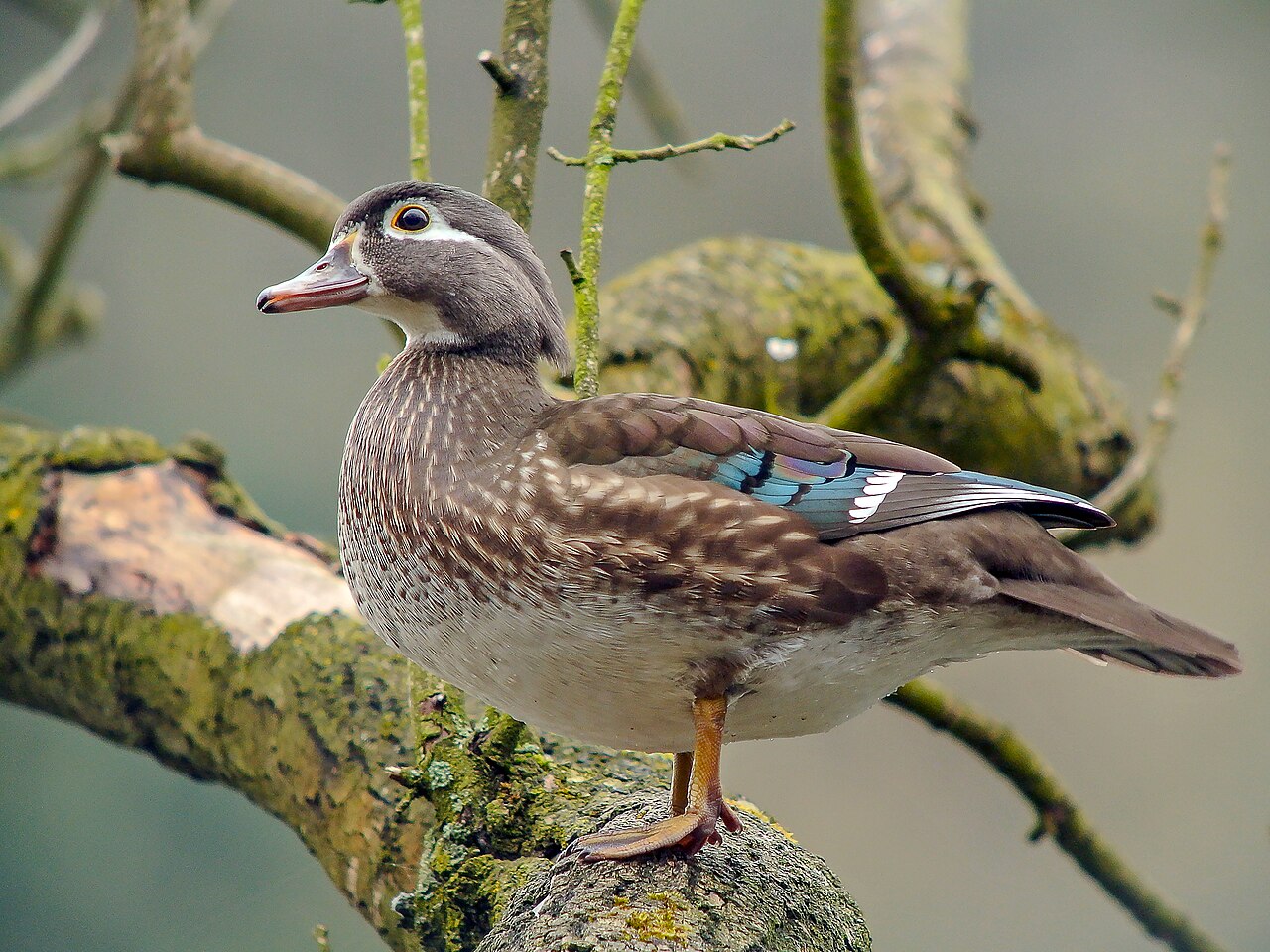
The female wood duck is a soft gray-brown duck with a distinctive white teardrop-shaped patch around the eye and a shaggy crest, quite different from the spectacularly colorful male. That white eye ring is her signature field mark and makes her one of the more recognizable female ducks. This guide covers what a female wood duck looks like, how she differs from the male, how to identify her, her behavior and nesting, and where and when to see her.
| Feature | Female Wood Duck |
|---|---|
| Color | Gray-brown, speckled sides |
| Eye | White teardrop patch |
| Head | Shaggy crest |
| Throat | White |
| Nesting | Tree cavities and boxes |
What Does a Female Wood Duck Look Like?
A female wood duck is a subtly beautiful duck, far more muted than the dazzling male but with her own distinctive features. She is generally gray-brown, with a grayish head, a brownish body, and pale, speckled or spotted flanks. Her most important field mark is the bold white patch around the eye, shaped like a teardrop that extends back to a point, which stands out clearly against her gray head. She also has a small crest that gives her head a slightly shaggy, angular look, along with a white throat and a dark bill. In flight she shows a blue speculum, the iridescent wing patch. Overall she has an elegant, understated appearance, and the white teardrop eye patch combined with the crested head makes her one of the easier female ducks to identify, quite distinct from the birds in our guide to types of ducks.
Female vs Male Wood Duck
The difference between female and male wood ducks is dramatic, as the male is one of the most spectacular ducks in North America. The breeding male wood duck is ornately patterned, with an iridescent green and purple head marked with bold white stripes, a red eye and reddish bill, a chestnut breast, and intricate patterning, along with a sweeping crest. The female, by contrast, is a soft gray-brown with the distinctive white teardrop eye patch and a more modest crest. This makes the sexes very easy to tell apart when the male is in breeding plumage. Like many ducks, the male molts into a drabber eclipse plumage for part of the year, when he looks more female-like, though he keeps his red bill and eye. The female’s muted coloring provides camouflage, which is especially important given her nesting habits, while the male’s showy plumage is used in courtship.
How to Identify a Female Wood Duck
Identifying a female wood duck comes down to spotting her signature features and ruling out similar ducks. Look for the gray-brown coloring, the shaggy crest, and above all the bold white teardrop patch around the eye, which is her most reliable field mark. Her speckled flanks and white throat help confirm the identification. Be aware of a few possible mix-ups: the female hooded merganser also has a crest but is shaped differently, with a thinner bill and a warmer crest, and lacks the white eye teardrop. The female mandarin duck, a related species sometimes seen as an escapee, is very similar but has a slightly different face pattern. Other female dabbling ducks lack the crest and white eye patch entirely. Focusing on the white teardrop eye patch and crested head makes the female wood duck reliably identifiable, a rewarding skill for anyone watching wooded ponds and swamps, as covered in our guide to what ducks eat.
Female Wood Duck Behavior and Nesting
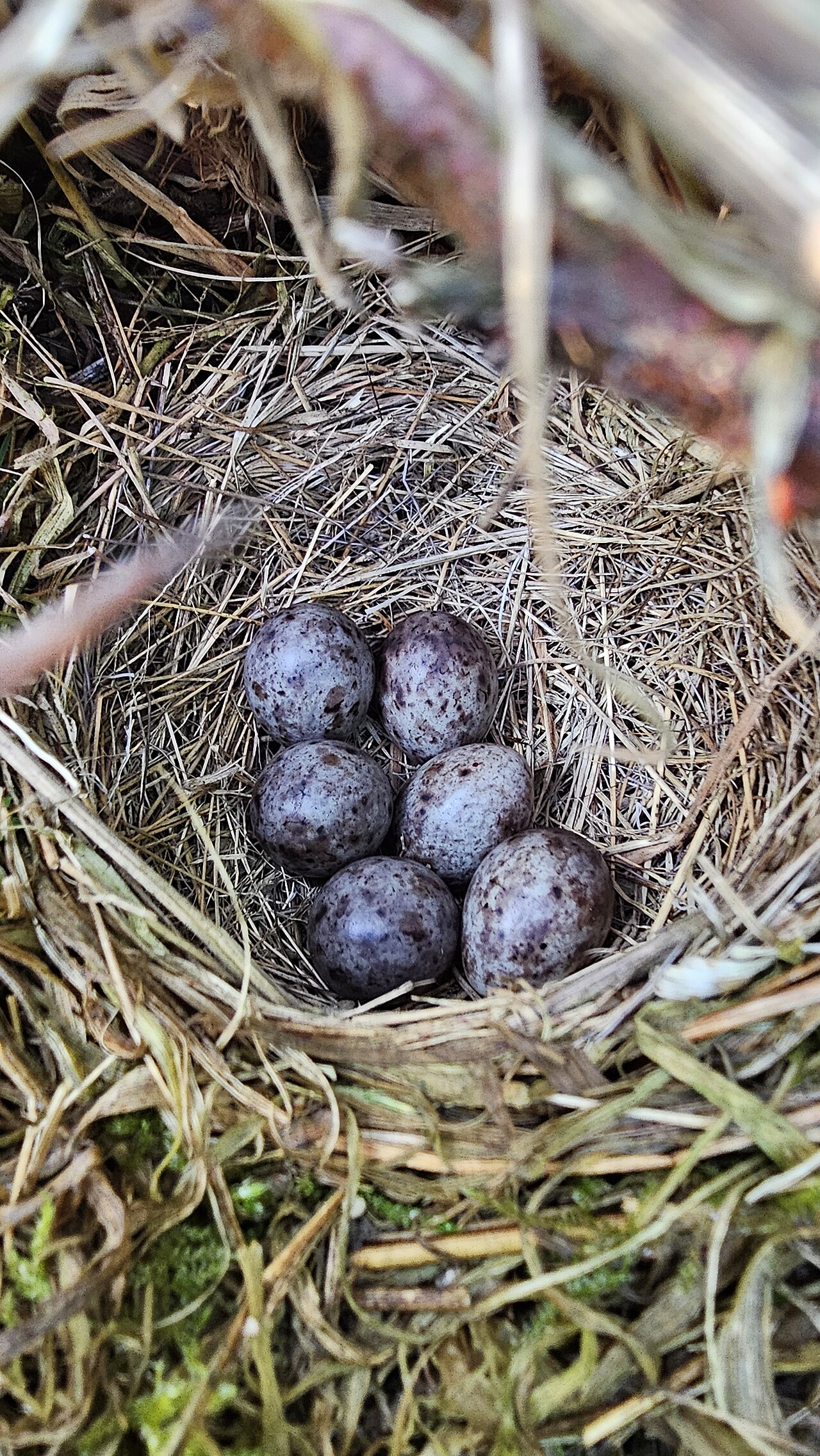
The female wood duck has fascinating nesting habits that set wood ducks apart from most other ducks. Wood ducks are cavity nesters, meaning the female nests in holes in trees rather than on the ground, often high above the water, and she readily uses artificial nest boxes provided for them. She lines the cavity with down and lays her eggs there, incubating them herself. One of the most remarkable events in the bird world follows the hatch: the tiny ducklings, only a day old, leap from the nest cavity, sometimes from great heights, tumbling to the ground or water below, and then follow their mother to feeding areas. The female leads and watches over her brood as they grow. This cavity-nesting habit and the dramatic leap of the ducklings make wood ducks especially interesting, and the availability of nest boxes has helped their populations, as reflected in our guide to attracting birds.
Where and When to See Female Wood Ducks
Female wood ducks are found in wooded wetlands across much of North America, alongside the males. Look for them in quiet, tree-lined habitats such as wooded swamps, ponds, marshes, slow streams, and beaver wetlands, since wood ducks favor areas with both water and trees, which provide the cavities they need for nesting. They are dabbling ducks that also perch readily in trees, unusual among ducks, and they feed on seeds, aquatic plants, insects, and acorns. Wood ducks are present year round in parts of their range, especially the South, while more northern birds migrate, so timing varies by region. Spring and summer are excellent times to see females, particularly when they are leading broods of ducklings on secluded ponds. Because wood ducks rely on wooded wetlands and nest boxes, providing or protecting such habitat helps them, and patient watching of quiet, tree-lined water is the best way to enjoy these elegant ducks, as explored in our guide to the female mallard.
Female Wood Duck Plumage Explained
The distinctive look of a female wood duck is well documented by ornithologists. According to the Cornell Lab of Ornithology, female wood ducks have a distinctive white teardrop-shaped patch around the eye and, unusually for ducks, nest in tree cavities. This white eye marking is her most reliable field mark, setting her apart from other female dabbling ducks, while her overall gray-brown, crested appearance provides camouflage. The cavity-nesting habit is remarkable, since most ducks nest on the ground, and it ties wood ducks closely to wooded wetlands where suitable tree holes are available. It is also why nest boxes have been so valuable for the species, giving females safe places to raise their broods. Understanding these features makes the female wood duck easier to identify and reveals the biology behind her appearance and behavior, quite different from the ground-nesting bird in our guide to the female mallard.
Wood Ducks and Nest Boxes
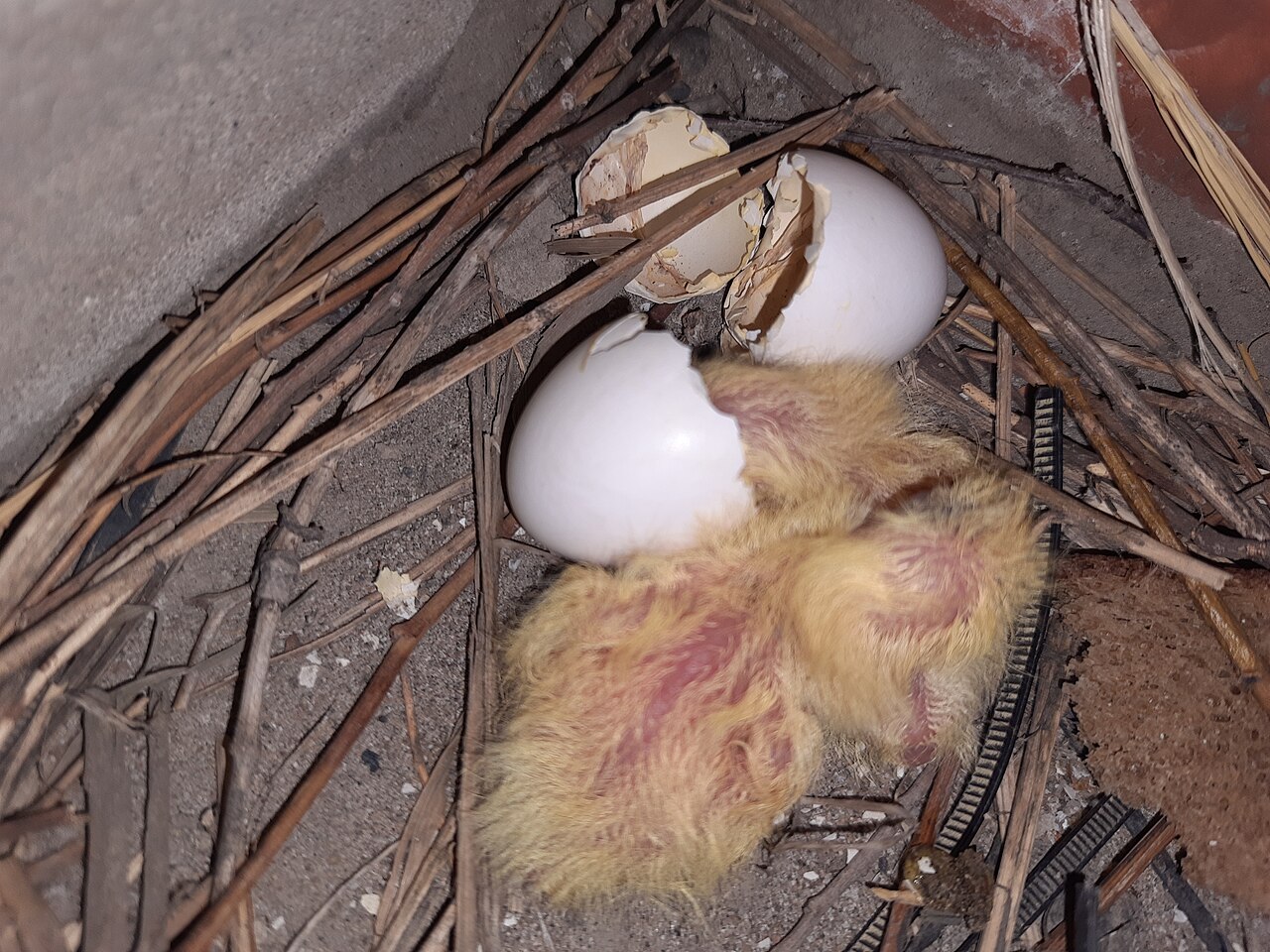
The story of wood ducks and nest boxes is one of conservation’s success stories, and it centers on the female’s nesting needs. Wood ducks were once heavily reduced in number, and the loss of large trees with suitable nesting cavities was part of the problem. Because female wood ducks readily accept artificial nest boxes, people began putting up boxes in wooded wetlands, providing the safe cavities the ducks needed, and wood duck populations recovered strongly. Today, well-placed and properly maintained nest boxes continue to help wood ducks, giving females secure places to lay their eggs above predator-rich ground. Boxes should be sited over or near water with appropriate protection, and they can host successful broods year after year. This close relationship between female wood ducks and nest boxes shows how a simple intervention can make a real difference for a species, a rewarding project for anyone interested in helping birds, as reflected in our guide to attracting birds.
Related reading: Pekin Duck.
Related reading: what is a male duck called.
Frequently Asked Questions
What does a female wood duck look like?
A female wood duck is a gray-brown duck with a shaggy crest and a distinctive white teardrop-shaped patch around the eye, along with speckled flanks and a white throat.
How can you tell a female wood duck from a male?
The male has an ornate iridescent green head with white stripes and a red eye, while the female is gray-brown with a white teardrop eye patch and a smaller crest.
What is the white marking around a female wood duck’s eye?
It is a bold white teardrop-shaped patch that surrounds the eye and extends back to a point. This distinctive marking is the female wood duck’s key field mark.
Do female wood ducks nest in trees?
Yes, wood ducks are cavity nesters. The female nests in tree holes or nest boxes, often high up, and the day-old ducklings leap from the nest to follow her to water.
How do you tell a female wood duck from a female hooded merganser?
Both are crested, but the female wood duck has a gray head with a white teardrop eye patch, while the hooded merganser has a warmer crest, a thinner bill, and no eye teardrop.
Do female wood ducks use nest boxes?
Yes, female wood ducks readily use artificial nest boxes, and providing boxes has helped wood duck populations recover in many areas with suitable wooded wetlands.
Where do female wood ducks live?
Female wood ducks live in wooded wetlands, such as swamps, ponds, and slow streams with trees, across much of North America, present year round in the South.