Pheasant Symbolism: What It Means When You See One
Pheasant symbolism is about being seen. Its meanings come straight from the way the real bird lives. A ring-necked pheasant (Phasianus colchicus) stays hidden on the ground in tall grass, then bursts out of a fencerow or ditch in a clatter of wings and copper feathers.
A pheasant symbolizes confidence, abundance and renewal. Seeing one cross your path is a cue to step out of cover and act. A pheasant in your yard points to abundance and a protected home, one that flushes in front of you signals a sudden opening, and a dead pheasant marks an ending.
What Does a Pheasant Symbolize?
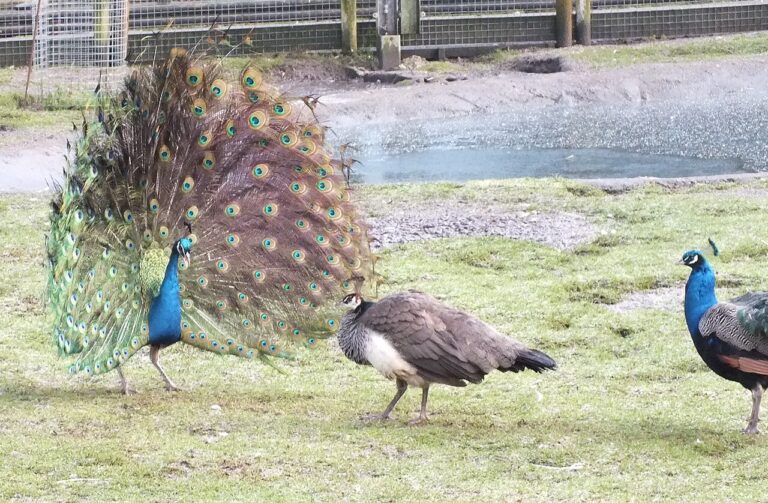
A pheasant symbolizes confidence, visibility, renewal and abundance. Renewal comes from spring, when roosters start crowing and displaying across farmland, one of the first loud signs of the breeding season. The rooster carries the loudest version of that message. His copper body, green head and red face patch are pure self-expression, a bird that refuses to blend in.
The hen tells the other half of the story. Her mottled brown feathers vanish into stubble and grass, so she stands for protection and the wisdom of staying hidden until the time is right.
Pheasants fly only in short bursts and spend most of their lives on foot. Their messages stay grounded and practical, about work, home and the next step, rather than lofty sky themes. Bird symbolism as a whole leans on flight and freedom, and the pheasant is its earthbound counterpart.
Is a Pheasant a Good Omen? Positive and Negative Meanings
Yes, a pheasant is a good omen in most modern readings. It stands for abundance, fertility and a good harvest. The link is practical as well as symbolic, because pheasants thrive where grain fields meet hedgerows, weedy ditches and other cover. A healthy flock signals working farmland with food to spare.
The bird has a shadow side too. The displaying rooster stands for vanity and overdisplay, the need for attention to feel worth something. The hen’s habit of freezing in cover until the last second points to a different trap, avoiding a decision until it is forced on you.
Pheasant as a Spirit Animal, Totem and Power Animal
The pheasant as a spirit animal belongs to people who want to express themselves and be seen without apology. If the bird keeps drawing you in, it pushes you to show your colors instead of muting them to fit a room. In this reading, confidence means letting your real work and taste show.
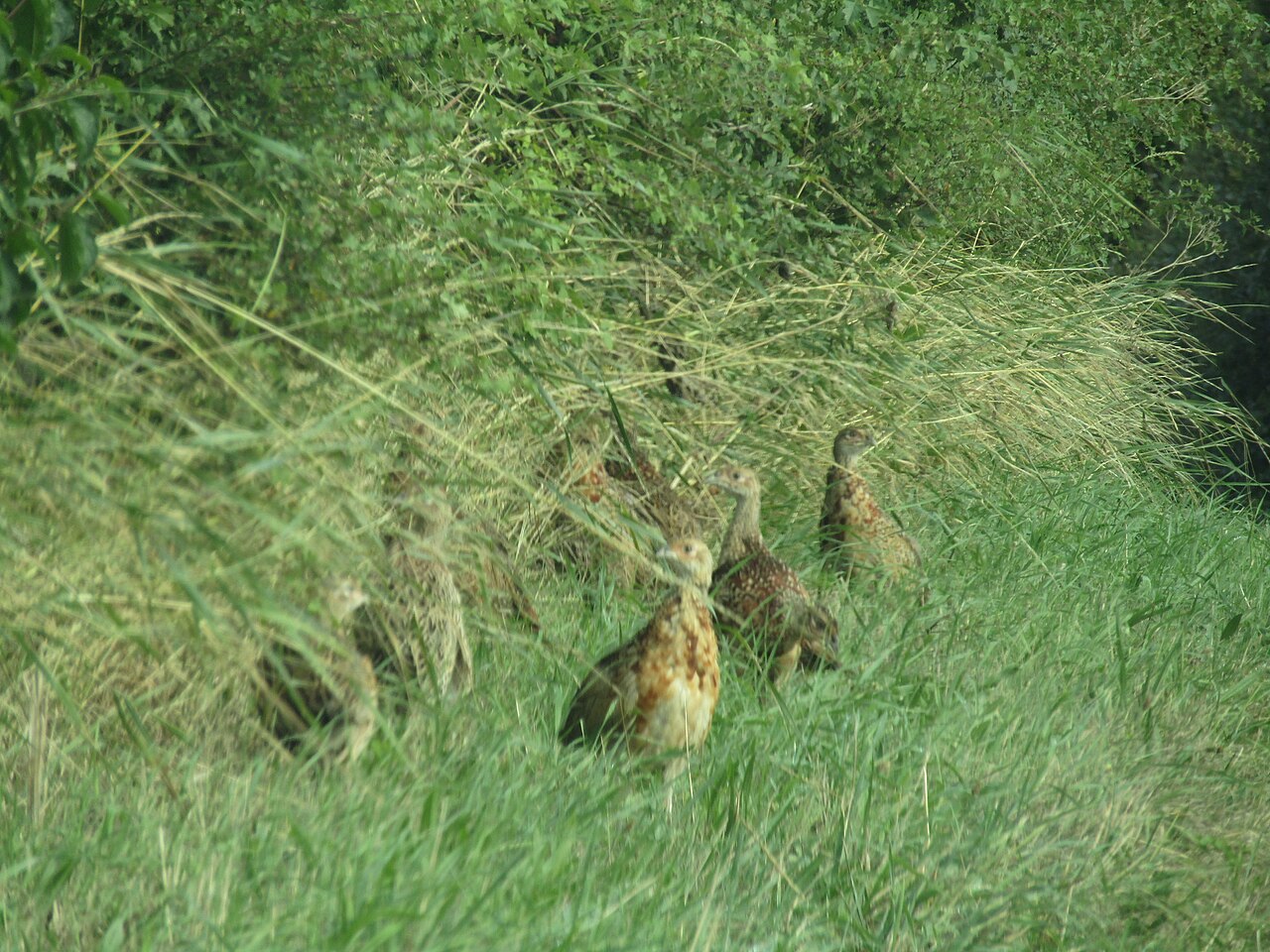
As a totem, the pheasant stands for a protective family instinct. The image comes from the hen guarding her brood, crouched over her chicks in the grass and trusting her camouflage to keep them safe.
As a power animal, call on the pheasant before you step into a spotlight or a new role, such as a first presentation, a launch or a promotion. Female pheasants carry most of the love and nurturing meaning tied to the species.
| Pheasant behavior | What it looks like in the field | Symbolic reading |
|---|---|---|
| Running instead of flying | Sprints through crop rows and stubble before it ever takes off | Choose the quiet exit before the dramatic one |
| Dust bathing | Rolls and flutters in a dry patch of soil, raising a small cloud | Shake off what weighs on you |
| Tree roosting | Flies up into trees or tall shrubs at dusk to sleep | Rest out of reach of trouble |
| Crowing and wing-whirring | The rooster stands tall, crows and beats his wings in quick bursts | Announce yourself and claim your ground |
| Harem groups | One rooster moves with several hens in spring | Lead and protect a small circle |
| Hen sitting tight | The hen stays on the nest until a person nearly steps on her | Hold your position under pressure |
What It Means When You See a Pheasant
Seeing a pheasant means the moment matters. Most sightings come in early morning and late afternoon, when pheasants leave cover to feed along field edges, ditches and road shoulders.

What It Means When a Pheasant Crosses Your Path A pheasant crossing your path is about timing. It walks out, crosses fast and disappears. The message is to move on an idea now instead of waiting for perfect conditions.
A Pheasant in Your Yard or Near Home A pheasant in your yard points to abundance and the protection of family. The bird chose your ground because it found food and safe cover there, and the sighting reflects a home that provides both.
A Pheasant Flushes Right in Front of You A pheasant exploding from the grass at your feet is a wake-up call. Pheasants often hold still until a person is a few steps away, so the bird was beside you the whole time, and the reading is a chance already within reach that you had not noticed.
Hearing a Pheasant Crow Hearing a rooster crow from a field is a call to speak up. Pheasant sounds include a harsh, loud crow that carries across open country.
Repeated Sightings Repeated sightings ask for attention. Note what you were thinking about each time a pheasant appeared. The pattern points to the decision that is waiting on you.
What It Means to Find a Dead Pheasant
A dead pheasant symbolizes an ending. It marks the close of a phase or the moment to drop a pretense you no longer need. The bird that lived for display is now still, and the message is to let go of the image and keep the substance.
The physical cause is plain. Pheasants feed along road shoulders and die in vehicle strikes, and fall hunting season leaves wounded birds behind. Pheasant species kept in aviaries, such as the golden and Lady Amherst’s pheasant, sometimes escape, so a dead one near a farm is more likely a lost aviary bird than a wild ring-neck.
Bird flu is the practical concern with any dead wild bird. The CDC reports avian influenza A viruses in more than 100 species of wild birds worldwide, and people rarely catch it, with no person-to-person spread identified in the United States so far. It is best not to touch a dead pheasant. If you must move it, wear disposable gloves and an N95 mask, do not stir up dry droppings, bag it without shaking it and wash your hands afterward.
Pheasant Dream Meaning
A pheasant in a dream points to how visible you feel. A male pheasant reflects a wish for recognition, especially at work, where you want your effort seen. A hen or a nest points to caring for your family or protecting a project that is still fragile.
A pheasant taking flight means leaving a hiding place, a breakthrough after a long wait. A hunted or shot pheasant reflects fear of exposure or of being targeted. Eating pheasant in a dream is about enjoying rewards you have earned and the abundance that follows hard work. Several pheasants in one dream point to abundance arriving from more than one source, and a golden pheasant points to a creative project that is ready to be shown.
Pheasant Symbolism in China, Japan and North America
The pheasant carries rank, national and regional pride in three very different cultures. At the Ming and Qing courts of China, a golden pheasant embroidered on a square badge marked a civil official of the second rank. The golden pheasant, Chrysolophus pictus, is native to the mountain forests of central China, and its red and gold plumage gave the badge its colors.
Japan made the green pheasant, Phasianus versicolor, its national bird. The bird also appears in the folktale of Momotaro, the Peach Boy, where a pheasant joins a dog and a monkey to defeat the ogres of Onigashima.
In North America, South Dakota named the ring-necked pheasant its state bird in 1943, a nod to the hunting tradition built around it. The species reached the United States in the early 1880s, when consul Owen Denny shipped birds from China to Oregon’s Willamette Valley, so its American meanings grew out of farm and hunting culture.
Frequently Asked Questions
What does a pheasant symbolize in the Bible?
Pheasants carry no biblical meaning of their own, because they are not named in standard English Bibles. The closest game bird in Scripture is the quail, which covered the camp of the Israelites in Exodus 16:13. Christian readers who see a pheasant borrow its general meanings of provision and abundance rather than a specific biblical teaching.
Which bird represents Jesus?
The pelican represents Christ himself in medieval art, shown feeding its young with its own blood as a picture of sacrifice. The dove, the most prominent bird in the Bible, stands for the Holy Spirit at the baptism of Jesus in Matthew 3:16 and brings Noah the olive leaf in Genesis 8:11.
Is the pheasant a Chinese zodiac animal?
No, the pheasant is not one of the twelve animals of the Chinese zodiac. The closest sign is the Rooster, the tenth animal in the cycle. Both birds belong to the same order, Galliformes, and share bright plumage and a loud crow, so the two are easy to confuse.
Is a pheasant feather good luck?
Yes, in modern spiritual readings a found pheasant feather is a token of luck and protection. The rooster’s barred tail feathers, up to about 20 inches long, have trimmed traditional Alpine hats in Bavaria and Austria for generations.
Is a pheasant a sign from a loved one who died?
Yes, many people read a pheasant that appears soon after a death as a visit from the person they lost, especially when that person farmed, hunted or fed birds.
Sources
- CDC, How Bird Flu Spreads
- SDPB, Chinese Ringneck Pheasant Becomes the South Dakota State Bird in 1943