Dead Dragonfly Meaning: Bad Omen or a Message?
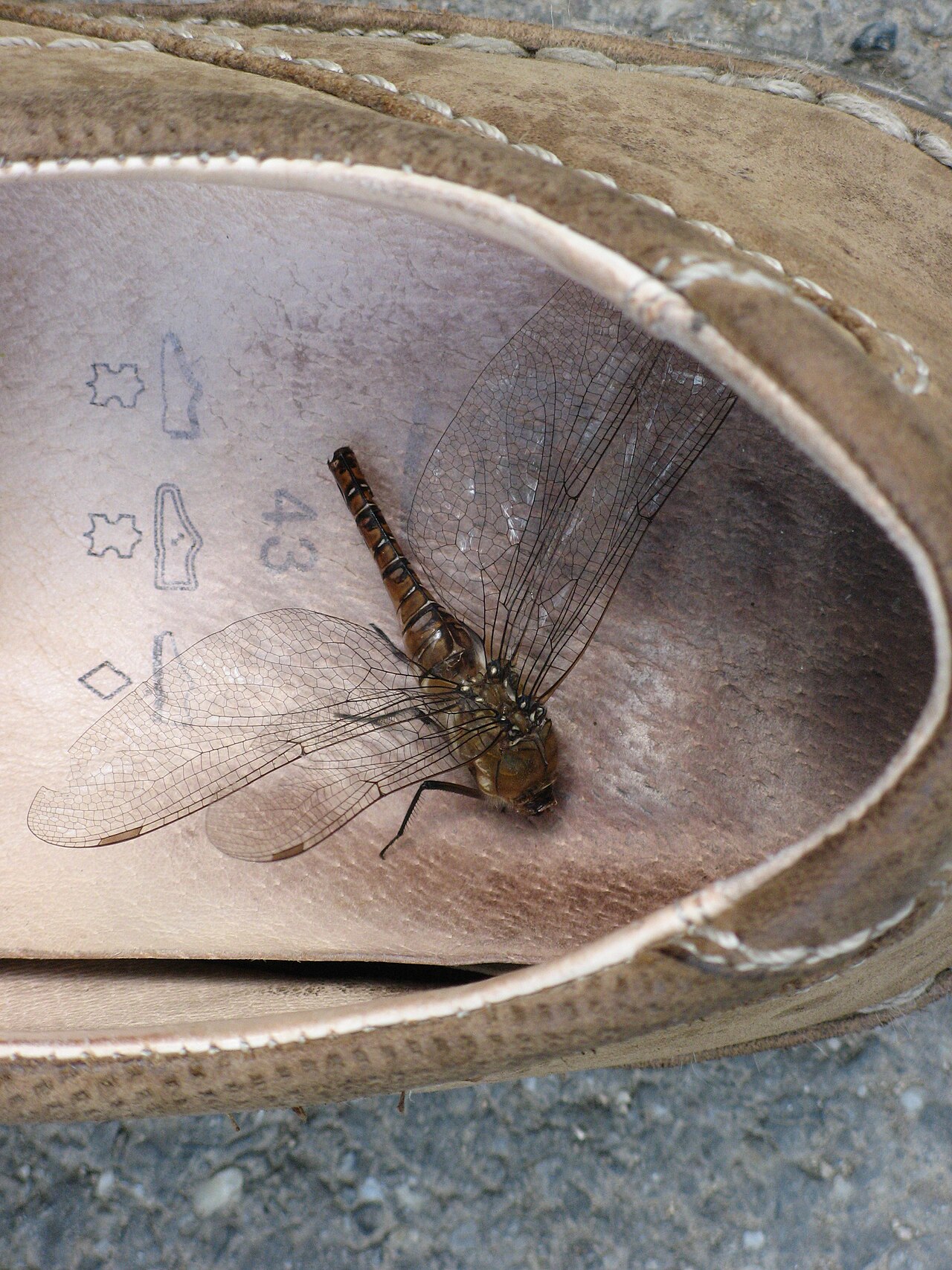
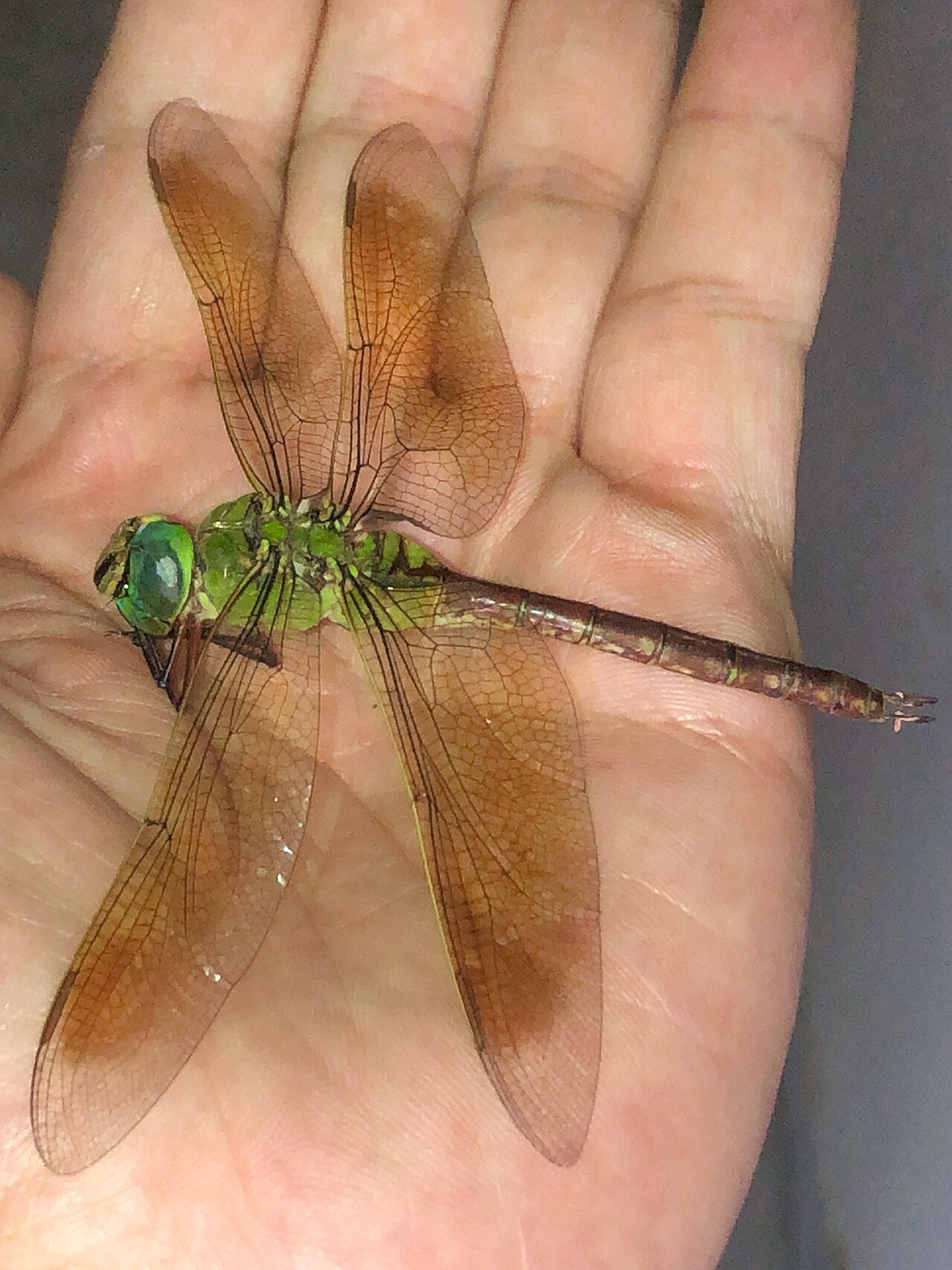
Dead dragonfly meaning usually comes down to one core idea, that a change in your life has run its course. Finding one feels personal, and the reading shifts with where you found it and the shape it is in.
A dead dragonfly is a sign that a period of change has finished. Most modern readings do not treat it as bad luck. Many grieving people take it as closure or as a loved one’s soul moving on, free of a body it has outgrown, the way a dragonfly leaves its water life behind.
What Does a Dead Dragonfly Mean Spiritually?
A dead dragonfly means a transformation is complete. The change you were living through, such as a move or a new job, has reached its end.
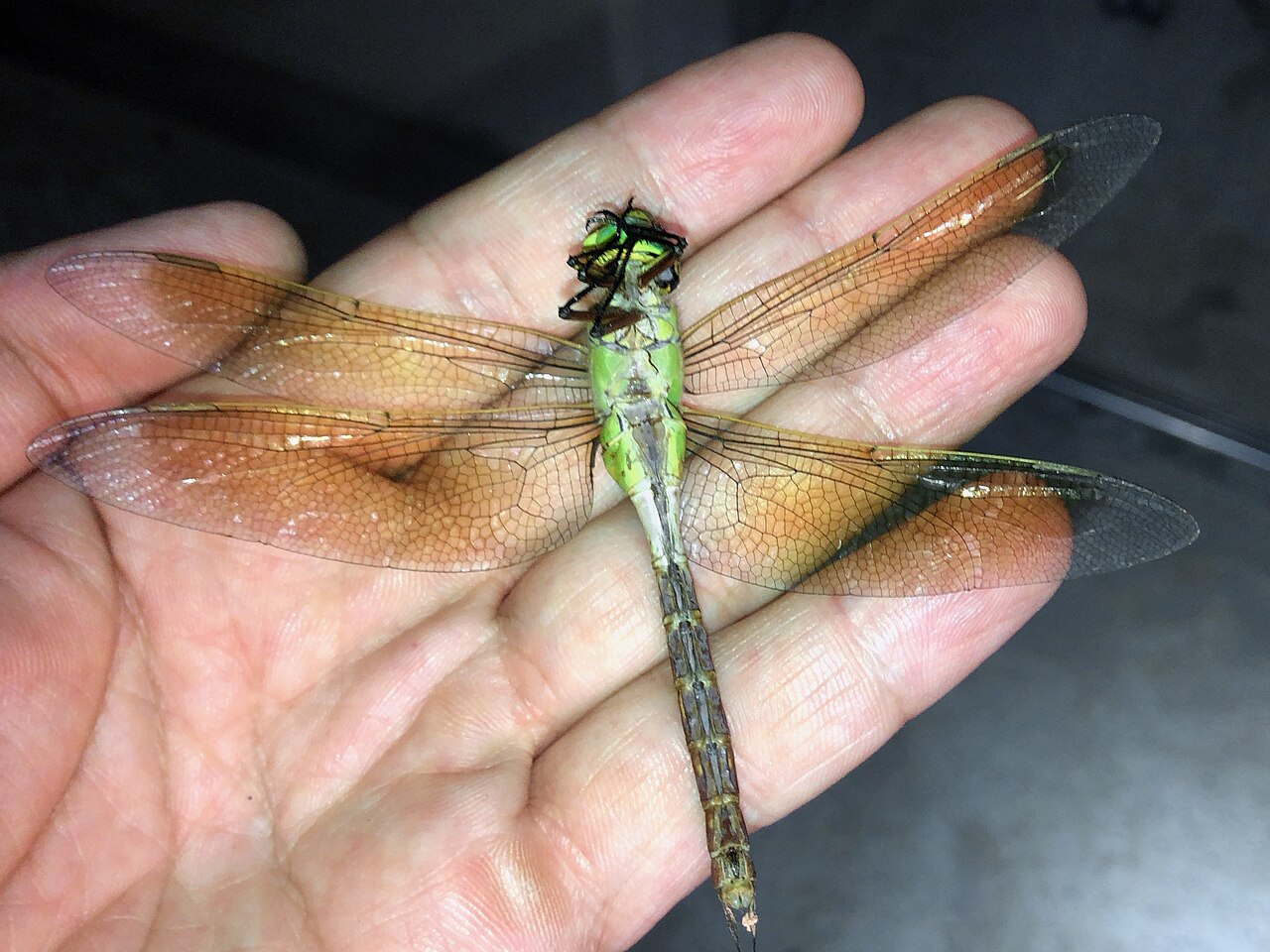
The second reading is release. A dragonfly spends its early life underwater and leaves that skin behind for good. Finding one dead asks you to drop an old habit or role that no longer fits.
A live dragonfly signals change arriving. A dead one signals change finished. Blue dragonfly symbolism adds calm and truth to the reading, and other body colors shift the nuance without changing the core.
Is Finding a Dead Dragonfly a Bad Omen?
No, finding a dead dragonfly is not a bad omen in present-day spiritual readings. It points to an ending, and endings make room. The darker ideas come from old folklore, not from the insect on your step.
An old wives’ tale from England and America calls dragonflies devil’s darning needles that sew shut the lips of liars and scolding children. In the American South, the folk name snake doctor holds that dragonflies tend injured snakes. Neither story ties a dead dragonfly to misfortune.
The plain cause matters too. Most adults live only a few weeks to a couple of months, so dead ones are a common summer find. Dragonfly symbolism as a whole leans toward change and light, not doom.
| Condition of the find | Common spiritual reading | Likely everyday cause |
|---|---|---|
| Intact, wings spread | A clean, completed ending | End of a short adult life |
| Torn or missing wings | A change that cost you something | Bird attack, spider web or rough weather |
| Partly eaten | Something taken before you were ready | A bird, spider or wasp fed on it |
| Covered in ants | An ending already feeding new life | Ants scavenging a fresh body |
The Dragonfly Story About Death
The dragonfly story about death is Doris Stickney’s fable Water Bugs and Dragonflies, written to explain death to young children. Parents and grief counselors still share it with children who have lost someone.
In the story, a colony of water bugs lives at the bottom of a pond. One bug climbs a lily stem, breaks the surface and turns into a dragonfly. It wants to go back and tell the others, but it can no longer enter the water.
The message is that the dead are changed and free, not gone. They cannot return to explain, and that silence is no sign that they have stopped existing. This one fable explains why so many grieving readers connect a dead dragonfly with a loved one’s passage.
Are Dragonflies a Message From Heaven or God?
Yes, many mourners read a dragonfly sighting as a sign that someone who died is at peace, and many Christian mourners read a dragonfly that lingers near them as a guardian angel or the departed watching over them. The insect appears on sympathy cards, memorial jewelry and funeral programs for that reason.
Christian readers use the dragonfly’s metamorphosis as a picture of resurrection, a body left behind and a new life above the water. This is a modern devotional image. The Bible does not name dragonflies, so the link rests on analogy with metamorphosis.
Believers who read a dragonfly as a sign from God usually take it as comfort. A dragonfly landing on you is read in the same memorial culture as a personal visit from someone who has died.
Where You Found It: House, Doorstep, Pool or Car
Where you found the dead dragonfly shapes the message, along with its condition.
House or Windowsill. A dead dragonfly indoors points to stalled change, a plan that never left the house. The plain cause is a trapped insect that flew toward window light until it ran out of strength. A live dragonfly in the house is read as change entering the home, the opposite of the stalled plan a dead one marks.
Doorstep or Porch. A doorstep is a threshold. A dead dragonfly there marks a transition that reaches your whole household, not only you, such as a move, a birth or a loss the family shares.
Pool or Pond. Water stands for emotion, so a dragonfly in water reflects feelings that have finally gone still. The National Wildlife Federation reports that dragonflies can be fooled by smooth, shiny surfaces that reflect polarized light like water, and some end up exhausted or drowned. Pools are a common place to find them.
Car Grille or Windshield. A dragonfly on a grille or windshield died in a collision at speed. Treat it as an accident of the road, not a personal message.
Dead Dragonfly Meaning in Japan and Native American Cultures
In Japan the living dragonfly stands for victory and ancestors; among the Hopi and Zuni it stands for water, rain and fertility. A dead one marks a season or a struggle that has closed.
Japan calls the dragonfly kachimushi, the victory insect. Samurai put it on helmets and sword fittings because kachimushi sounds like “winning insect” and, in their belief, it only ever flies forward. Red dragonflies, called akatombo, belong to autumn, and many families link them to ancestor spirits that return during the Obon festival.
What to Do When You Find a Dead Dragonfly
First make sure it is dead. Dragonflies sit stiff and motionless on cool mornings until the sun warms their flight muscles, so a still one at dawn may fly off by noon. Then bury it in garden soil or lay it near water, and say a word for whatever has ended in your life.
To keep it, let the body dry flat in a small closed box away from pets and children. The wings break at a touch, so lift it by the thorax. An indoor find calls for one practical check, an open window or a torn screen that lets insects in.
Frequently Asked Questions
Does a dead dragonfly mean a relationship is ending?
No. In love readings it points to one phase of the relationship closing, such as the early rush or an old pattern between you, not the bond itself. Couples who notice it can treat it as a cue to talk about what comes next together.
Do all dragonflies die in winter?
No. In cooler parts of the US, most adult dragonflies die off by late autumn. The next generation overwinters mostly as nymphs underwater, and in some species as eggs. A few species, such as the common green darner (Anax junius), migrate south instead.
Does a faded dead dragonfly change the meaning?
No. Many dragonfly colors, especially red and blue, typically fade after death, and a dried specimen often turns brown or gray. The faded body says nothing new about the meaning, only that it has been dead a while.
Is it safe to pick up a dead dragonfly?
Yes. Dragonflies have no stinger and no venom, so a dead one is safe to touch with bare hands. Wash your hands afterward, as with any dead insect found outdoors.
Is a dead dragonfly different from a dead butterfly?
Yes. Dragonflies skip the pupal stage and change from nymph to adult in one final molt, while butterflies rebuild themselves inside a chrysalis. A dead dragonfly therefore stresses gradual change completed, and a dead butterfly stresses sudden rebirth.
Explore more: Insect Spiritual Meanings: 15 Bugs and What They Signal