Hummingbird Moth Spiritual Meaning: Why It Visits You
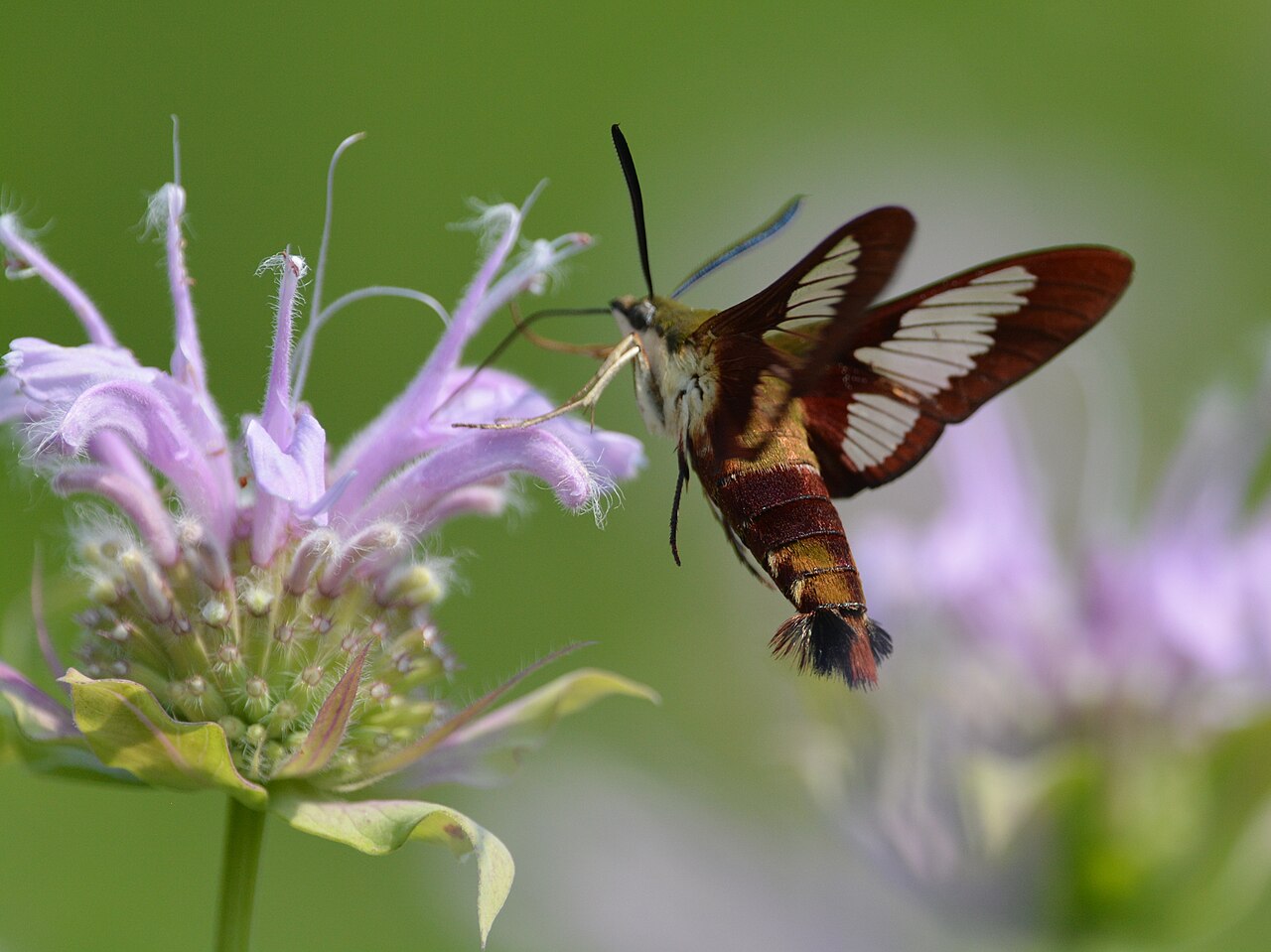
The hummingbird moth spiritual meaning is joy, lightness and change brought into the open. Most people mistake the insect for a tiny hummingbird at first. It hovers at a flower with its wings blurred and a long tongue reaching for nectar, and only a second look shows antennae and a moth’s body. That double nature is the reason it carries so much meaning.
One North American species, the hummingbird clearwing (Hemaris thysbe), even has clear, glassy panels in its wings, so the disguise holds until the moth lands.
A hummingbird moth is a good omen. As a moth that flies in daylight, it carries the old moth symbol of the soul seeking light into the open, a sign of clarity and transformation. Its visit asks you to savor the sweet moments in front of you before they pass.
What Does a Hummingbird Moth Symbolize?
A hummingbird moth symbolizes hidden things coming into the light. Moths belong to the night in the popular imagination, and this one is unusual among moths because it flies and feeds in daylight. That makes it a sign of clarity after confusion.
Its hovering adds a second meaning, presence. The moth hovers in front of a flower and drinks for a few seconds before it moves on. Take it as permission to enjoy what is sweet in your life slowly.
A hummingbird moth is widely read as a lucky sign. No folk tradition treats it as a bad sign. Hummingbird symbolism centers on joy and resilience in a bird. The moth adds transformation, a theme only an insect with a caterpillar past can carry.
| Trait | What it symbolizes | What it asks of you |
|---|---|---|
| Flies by day | Hidden things coming to light | Look at what you have avoided |
| Hovers while it feeds | Presence and patience | Finish one thing before the next |
| Feeds on nectar | Sweetness and reward | Accept the good without guilt |
| Looks like a hummingbird | More than meets the eye | Take a second look at people |
What It Means When a Hummingbird Moth Visits You
A hummingbird moth visiting you means your attention is in the right place. Hummingbird moths are day-flying sphinx moths that move fast and pass for birds, so most people walk right past them. Seeing one for what it is says you notice details others miss.
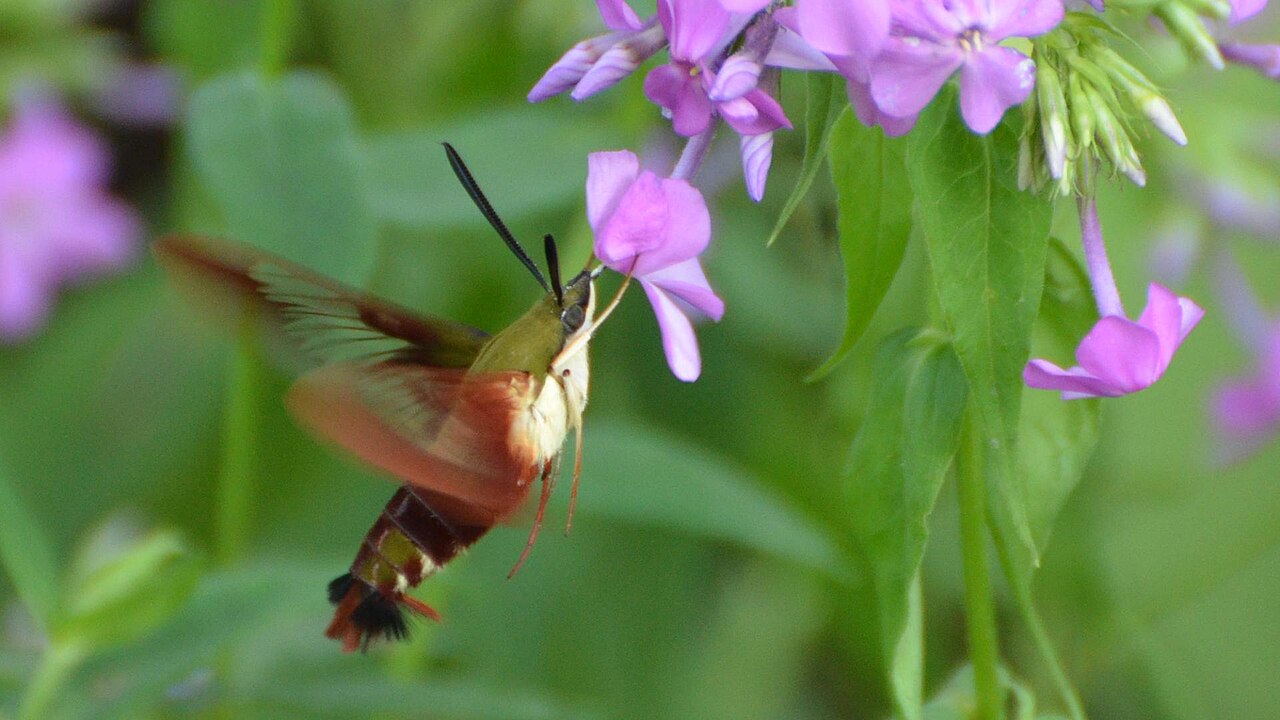
What Does It Mean in Your Garden? A hummingbird moth in your garden is a reward for tending something. The flowers you planted are doing their job, and so is the effort you put into a project, a relationship or your health. Growth you started is working.
What Does It Mean Near Your House or Window? At a window or by the door, the moth points to joy at home. It asks you to notice the small pleasures inside your own walls, the shared meal, the long talk, the quiet evening. Do not wait for a bigger event to enjoy them.
What Does It Mean at Dusk? At this hour, the visit marks a transition. The hour between day and night is a threshold, and a moth that belongs to both sides is at home in it. It signals readiness to close one chapter gently.
When and Where You Can See a Hummingbird Moth
Hummingbird moths are fairly common across most of the US, yet few people recognize one, so the rarity is in the noticing. Two species do most of the visiting. The hummingbird clearwing (Hemaris thysbe) flies in the East and North, and the snowberry clearwing (Hemaris diffinis) ranges across most of the country. They fly by day from late spring to early fall, with one brood a year in the North and two or more in the South. The Missouri Department of Conservation notes that the hummingbird clearwing is most often seen at dusk and dawn.
What Moths Symbolize Spiritually Across Cultures
Moths symbolize the soul drawn to divine light. In the Kitab al-Tawasin of the Sufi mystic al-Hallaj (10th century), a moth circles a candle until it burns in the flame, the picture of a soul lost in God. The hummingbird moth turns the picture around. It lives in daylight and needs no flame, so it stands for a soul that has already found its light. Moth tattoos often draw on the same image of the moth and the flame.
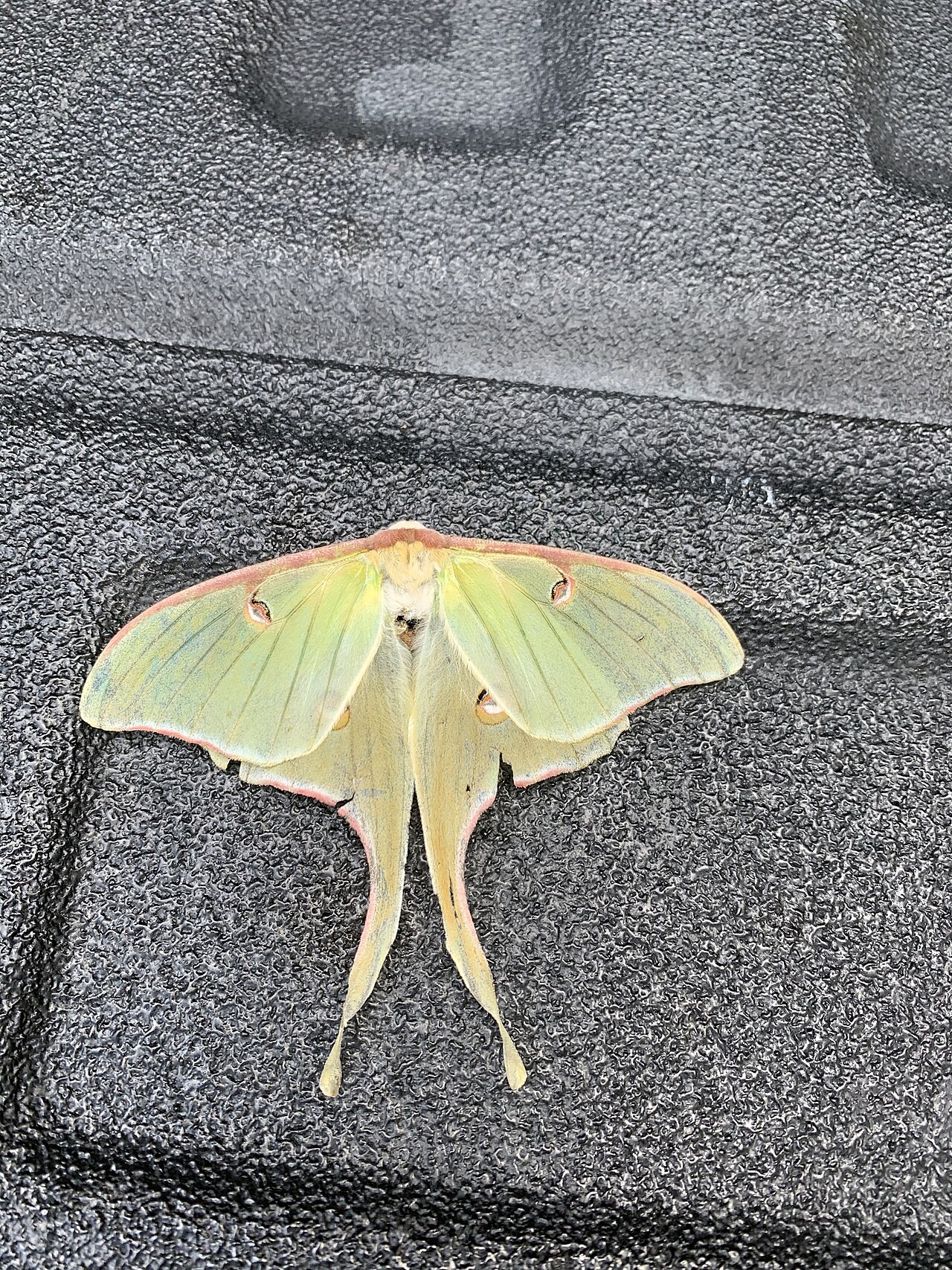
The second moth symbol is rebirth. Every moth begins as a caterpillar, rests in a hidden pupa and emerges changed. Ancient Greek used one word, psyche, for the soul and for the winged insect that leaves its pupa, and Aristotle uses it that way in his History of Animals. Moths share this meaning with butterflies, but the moth makes its change out of sight, which turns it into a symbol of inner work no one watches. The luna moth (Actias luna) carries this theme in its purest form.
The third symbol is the messenger. In Mexico, the black witch moth (Ascalapha odorata) is called mariposa de la muerte, the butterfly of death, and a visit from one is taken as a sign from someone who has died. White moths were called souls in Yorkshire folklore, as Radford records in his Encyclopaedia of Superstitions. The hummingbird moth carries the same bridge into the daytime, where the message turns to comfort.
Frequently Asked Questions
How long do hummingbird moths live?
An adult hummingbird moth lives only a short time, often one to two weeks, and spends most of its life cycle as caterpillar and pupa. The pupa spends the winter in leaf litter or soil near the ground, so leave fallen leaves under shrubs in autumn to protect next summer’s moths.
Are hummingbird moths harmful?
No. The adults pollinate garden flowers while they feed, have no stinger and no biting mouthparts. Their green caterpillars eat honeysuckle, viburnum and snowberry leaves and are not counted as garden pests. Watch the moth rather than try to catch it, because handling can damage its fragile wings and scales.
Sources
- Missouri Department of Conservation, Hummingbird Clearwing (Field Guide)
- Iowa State University Extension, Yard and Garden, Hummingbird Moths
Explore more: Insect Spiritual Meanings: 15 Bugs and What They Signal