Meaning of Snake in House: Good Omen or Bad Sign?
The most common meaning of snake in house encounters is change, not catastrophe. A snake indoors marks renewal, a skin being shed and a phase of life closing so another can open.
A snake in your house is most often read as a sign of change and renewal. Many traditions read it as protection, others as a warning. Bad-luck readings attach mostly to venomous snakes, bites and killing a snake indoors. Handle the real risk first and identify the snake before reading any message into it.
What Does a Snake in the House Mean Spiritually?
A snake in the house means transformation is underway in your life. Snakes shed their skin in one piece and leave the old layer behind, and that image sits at the center of the reading. Something you have outgrown is coming off, whether a job, a habit or an old version of yourself.
The setting narrows the message. Your home mirrors your inner self, so a snake indoors points the change at private and family life rather than at work or the wider world.
The snake is also a healer. Its arrival marks recovery after illness, burnout or a long stretch of stress. A second thread is exposure. A snake slides out of hidden places, and its appearance brings a secret, a buried feeling or an unspoken conflict at home into the open. Snake symbolism covers the spirit animal and totem meanings in full.
Is a Snake in the House Good or Bad Luck?
Many traditions, such as the Lithuanian belief in the žaltys as a guardian of the household, read a snake in the house as a sign of change or protection, and others read it as a warning. Bad-luck readings attach almost always to a venomous snake, a bite or a snake killed inside the home.
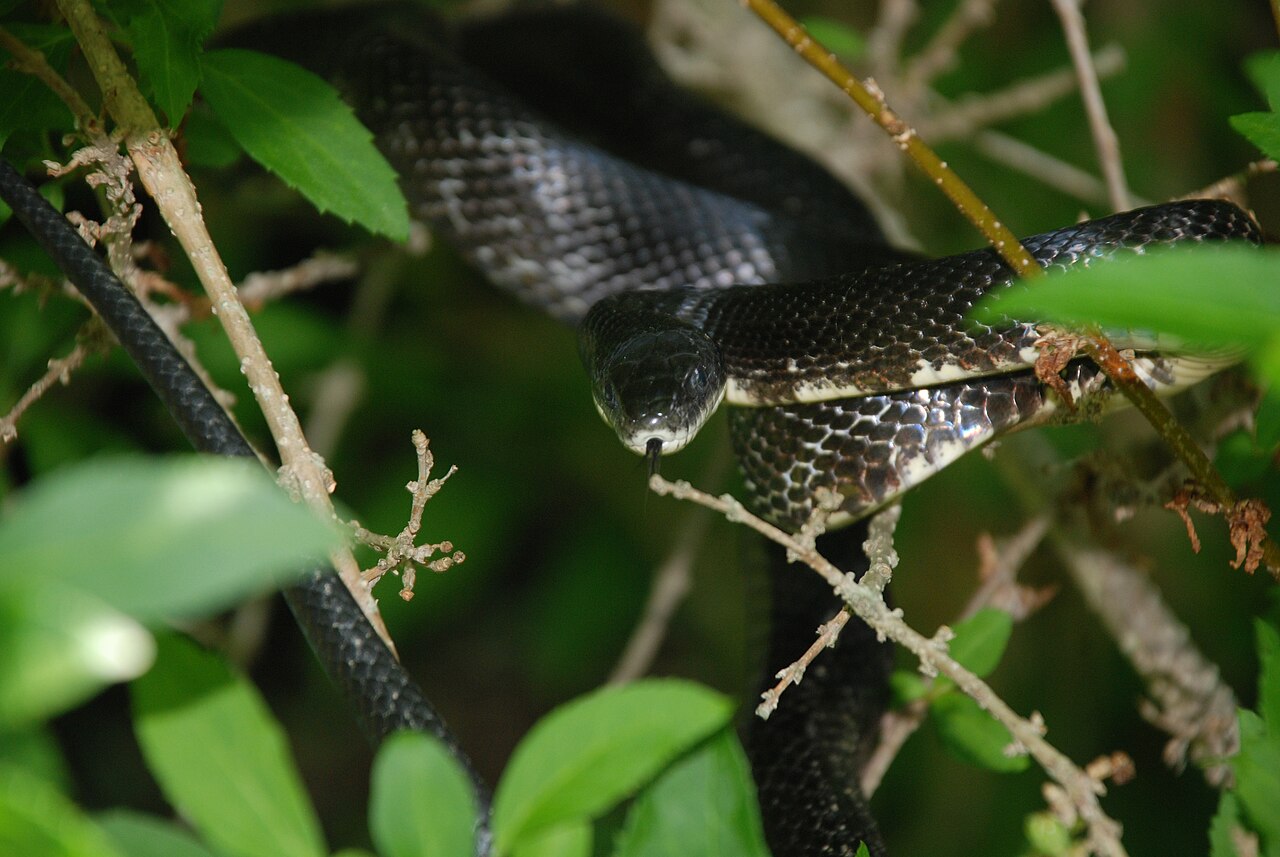
Handle the physical risk first and read the message second. A black rat snake hunting mice in your basement is not venomous and poses little danger if you leave it alone, but it can still bite if grabbed or cornered. A timber rattlesnake (Crotalus horridus) or a copperhead (Agkistrodon contortrix) in the garage is a job for a professional, and its meaning can wait until it is gone.
A bird in the house is the other classic house omen, and folklore reads it as news on the way. The table below maps six common snake situations to their reading and the first step to take.
| Situation | Common reading | First practical step |
|---|---|---|
| Snake at the doorway | A threshold moment, a new phase about to begin | Open the outside door wide and step back |
| Snake leaves on its own | A message delivered, a change that resolves without force | Find and seal the gap it used to get in |
| Snake stays for days | A lesson you keep avoiding | Call animal control or a wildlife removal service |
| Dead snake indoors | The end of a cycle, an old fear released | Lift it with a long-handled shovel, never by hand, then wash your hands |
| Escaped pet snake | Responsibility for what you keep and care for | Contain the room and contact a reptile rescue |
| Venomous snake | A real warning about danger close to home | Clear the room, close the door and call a pro |
How Does a Snake Warn You?
A snake warns you spiritually through a wake-up call and physically through clear body language. The spiritual warning concerns betrayal, a boundary someone has crossed or an intuition you keep ignoring. The idiom “snake in the grass” names a hidden enemy, and a snake indoors asks you to look hard at who has access to your life.
The physical warnings are easy to read. A threatened snake hisses, pulls its body into a raised coil and bends its neck into an S shape before a strike. A rattlesnake also buzzes the rattle at its tail tip, a sign you are too close.
Your response to any warning is the same. Back away slowly and give the snake a clear exit. Never corner it, because a snake with no way out defends itself.
Where You See It: Bedroom, Kitchen, Bathroom, Night and Dreams
Where the snake appears narrows the meaning to one area of your life.
Bedroom A snake in the bedroom points at rest, intimacy and the worries you carry to bed.
Kitchen A snake in the kitchen points at nourishment and money, from your budget to the way your family cares for each other.
Bathroom The bathroom stands for cleansing and release, and a snake here asks you to let go of something. On the practical side, check the gaps around pipes, drains and fixtures, because that is how a snake reaches the room.
At Night A snake at night carries messages from the subconscious, the part of you that speaks when the house is quiet.
Dream vs Real Life A real snake in the house adds a physical risk. Snake dreams are often read in dream interpretation as an inner process or a change you are working through.
Snake Color Meanings: Black, Green, Brown, White and Red
Color tells you nothing about venom. A harmless milk snake and a venomous eastern coral snake both show red, black and yellow or white bands, so never judge danger by color alone.
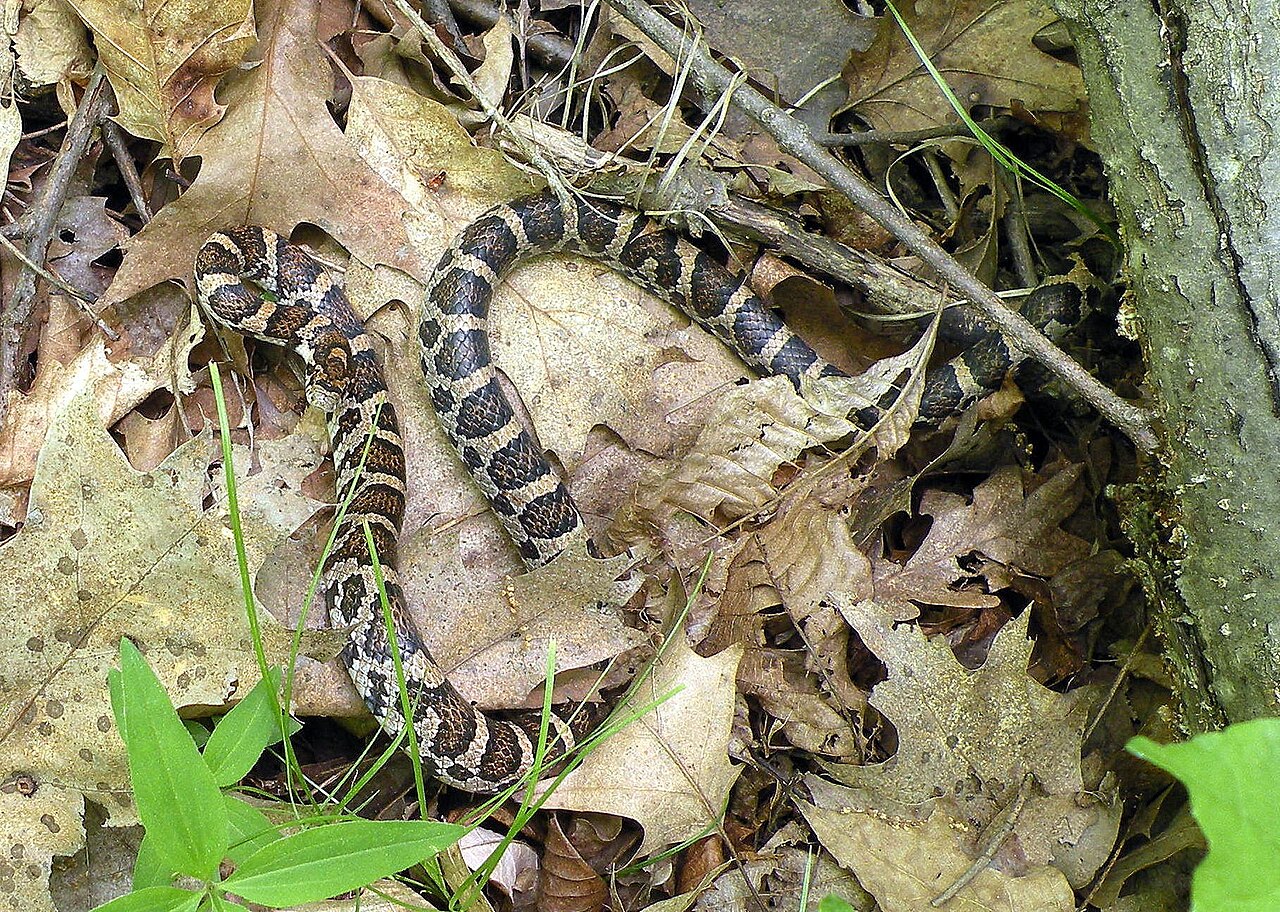
A black snake stands for protection and shadow work. It marks the end of an old phase and asks you to face what you have avoided. A green snake brings growth, healing and financial renewal. A brown snake is grounding, and it speaks to the stability of home and family.
A white or pale snake is rare and stands for purity and spiritual clarity. Red and yellow snakes carry energy and caution at once, a push to act combined with a reminder to look before you move.
Snake in the House in the Bible and Christianity
In the Bible the snake stands for deception and for healing, and Amos 5:19 uses a snake that bites a man inside his house as a picture of judgment no one escapes. Genesis 3 casts the serpent as the tempter who deceives Eve in the garden. Christians who read a snake indoors through that story take it as a prompt to check who or what is leading the household away from the truth.
Scripture also gives the snake a healing role. In Numbers 21, verses 8 and 9, Moses sets a bronze serpent on a pole, and the people bitten by snakes look at it and live. Jesus joins both sides in Matthew 10, verse 16, when he tells his disciples to be “wise as serpents, and harmless as doves.” That line is a call to discernment, not to fear.
Why Would a Snake Come Into My House?
A snake comes into your house for food, shelter or the right temperature. Mice, rats and insects living in or near the house pull snakes after them, and a black rat snake or a corn snake follows rodents through walls and crawl spaces.
Temperature is the second reason. Snakes cannot produce their own body heat, so they seek cool shade in summer and warm shelter as fall nights turn cold. They get in through gaps under doors, open vents, pipe openings, cracks in the foundation and garage doors that do not seal at the bottom.
Some indoor snakes are escaped pets. The spiritual question mirrors the practical one. Ask what your house is feeding, in pests and in habits.
Does One Snake in the House Mean More?
One snake in the house rarely means more. Most snakes hunt alone, so a single visitor is usually a lone animal that wandered in after prey or shelter. Removal plus a sealed entry point usually ends the problem.
The signs of more are physical. Look for shed skins, droppings, a musky smell and smooth trails in the dust along walls. Several of these signs in different rooms point to more than one snake or to a snake that has settled in.
The chances of finding a snake indoors are low for most homes, and they rise near woods, water and open fields and in older homes with cracked foundations. Several baby snakes in one season are a separate signal and point to a nest nearby, under the house or in the yard. One sighting is a message, and repeated sightings mean the message has not yet been acted on.
What to Do When You Find a Snake in Your House
When you find a snake in your house, keep your distance and call animal control or a wildlife removal service. If the snake is in a room you can close off, shut the door. If it is near an outside door, open that door and step back. Move children and pets to another part of the house.
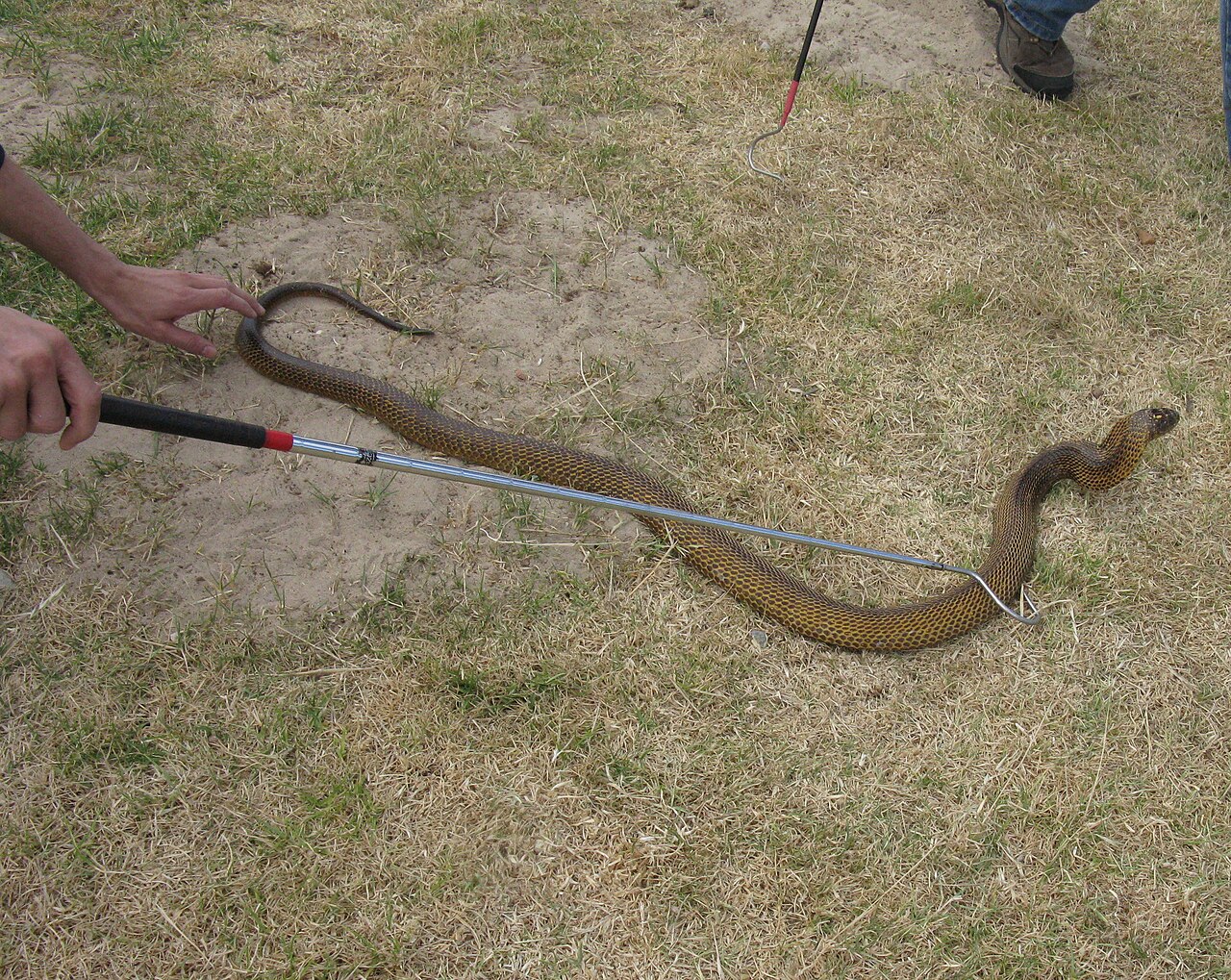
Never grab, corner or trap the snake yourself. Bites happen when people try to handle or kill snakes, and even a harmless species bites when it feels trapped. A professional uses a snake hook and a secure container, confirms the species and releases the animal away from your home.
Prevention keeps the next snake out. Seal gaps of 1/4 inch or more with hardware cloth or caulk, fit door sweeps and repair torn vent screens. Keep grass short, move woodpiles, rock piles and bird feeders away from the walls and trap the mice inside, because a house without rodents gives a snake no reason to stay.
Hygiene is the last step. After any contact with a snake, its shed skin or its droppings, wash your hands with soap and water. Children younger than 5 should not touch snakes or their enclosures, because they face a higher risk of serious illness from Salmonella.
Frequently Asked Questions
What month are snakes most active?
April, May and June are the peak months, after snakes leave their winter dens, with a second peak in September and October before they return. Indoor sightings follow the same pattern, so seal gaps before spring and again before fall.
Do snakes come back to the same house?
Yes, if the gap it used stays open and mice still live in the walls. Many snakes return to the same winter den every year, so a crawl space or foundation crack that sheltered a snake through one winter can draw it back each fall.
Is a snake bite in the house an emergency?
Yes. Treat every bite as venomous until a doctor rules it out and call 911 or Poison Control at 1-800-222-1222. Keep the bitten limb still, take off rings and watches before swelling starts and never cut, suck or ice the wound.
Can snake droppings in the house spread illness?
Yes. Snake droppings can carry Salmonella. Wear disposable gloves, bag the waste, disinfect the spot and keep children away from the area until it is clean.
Do mothballs keep snakes out of the house?
No. Tests with naphthalene found no reliable repellent effect on snakes, and mothballs are a registered pesticide that may only be used as the label directs, which does not include snakes. The fumes also irritate people and pets.
Does killing a snake in the house bring bad luck?
Yes, in several traditions. In Hindu tradition, killing a snake, especially a cobra, brings naga dosha, a curse believed to fall on the family line, and Thai and Baltic folk beliefs also treat killing a house snake as unlucky. Rat snakes also eat the mice that drew them inside, so call a removal service instead.
Sources
- CDC, Reptiles and Amphibians
- CDC, Salmonella
- New York State Department of Health, Salmonella Infection from Amphibians and Reptiles Questions and Answers