Crane Fly Spiritual Meaning: Symbolism and Signs
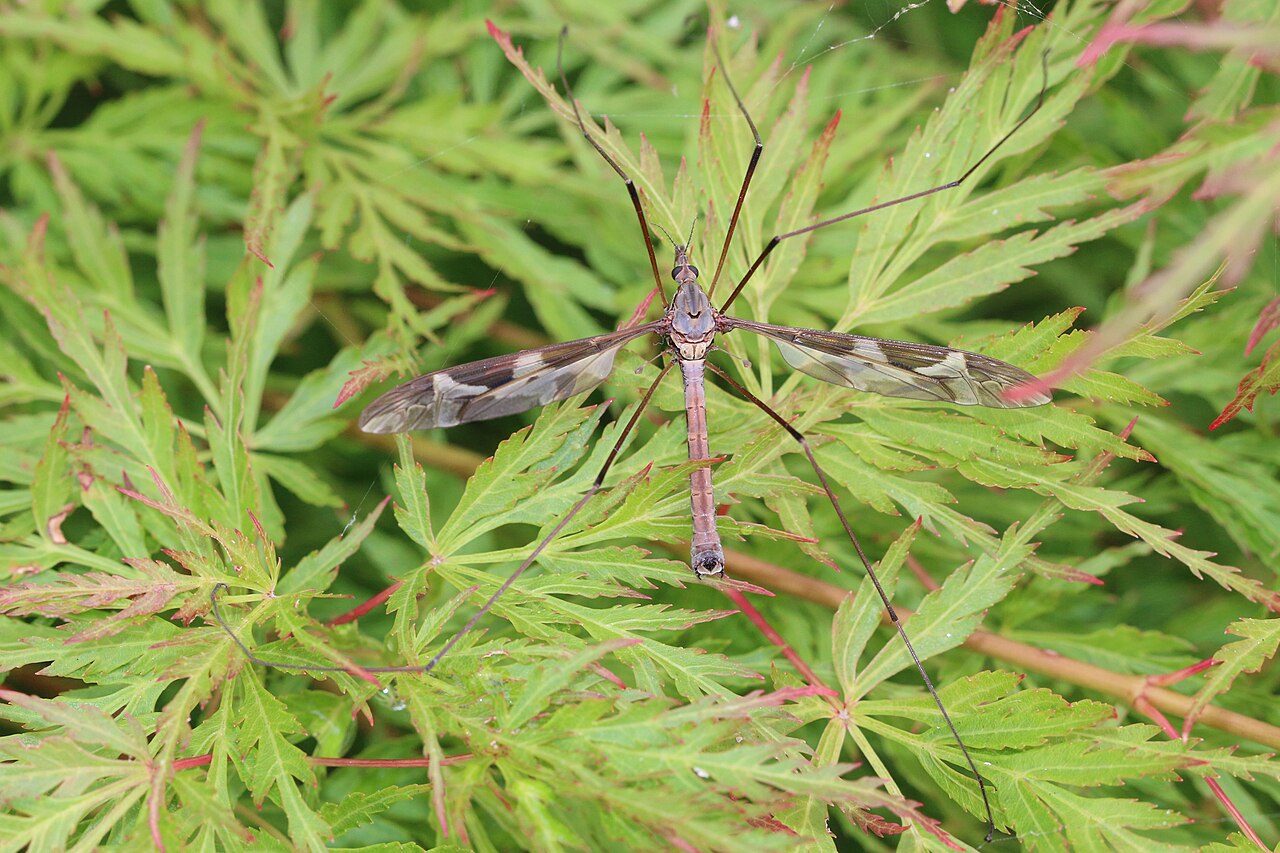
A crane fly spiritually stands for fragility and short, bright seasons of life. The crane fly spiritual meaning grows out of its body: legs that snap off at a touch, wings that barely hold it in the air, and an adult stage that ends within weeks. It drifts into porches and bedrooms each fall and bumps against lamps. That clumsy visit is the whole message, and nothing about it is a warning.
The insect also draws more fear than it earns. People call it a giant mosquito, a mosquito hawk or a daddy longlegs, and each name points the wrong way. It is not a mosquito, it hunts nothing, and it shares its nickname with two unrelated arachnids. Get the animal right and the meaning gets simpler.
Symbolically, a crane fly points to fragility, brief life and change, from a larva in the soil to a winged adult that lives only a few days. It carries no fixed omen tradition, the Bible never names it, and it cannot bite or sting, so a sighting is no threat.
What Is the Crane Fly Spiritual Meaning?
The crane fly spiritual meaning centers on fragility, impermanence and change, and it starts with a harmless animal. Crane flies belong to the family Tipulidae, a large group of true flies with long, thin legs. Adults have no stinging mouthparts and no venom. The crane fly does not eat mosquitoes either, despite the nickname mosquito hawk.
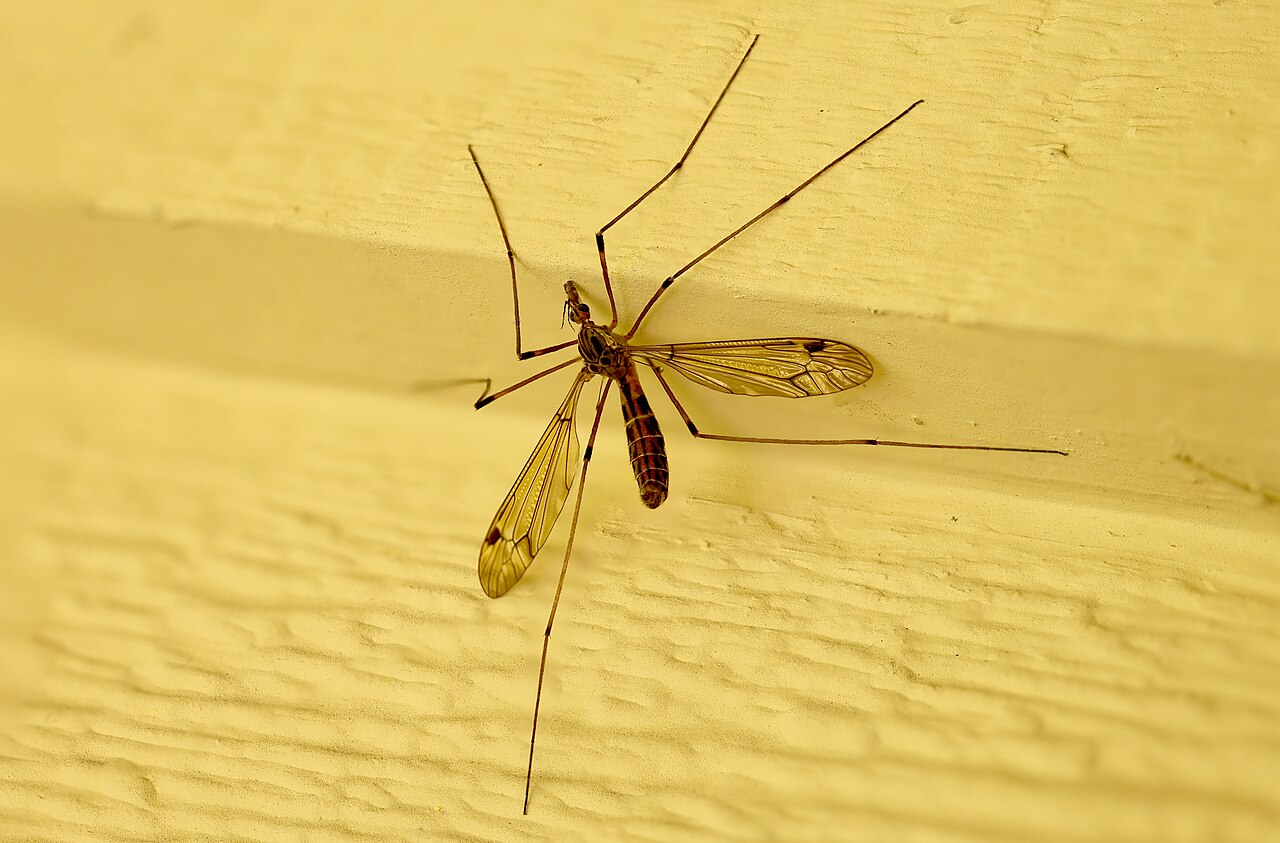
Fragility is the first theme. A crane fly loses legs at the lightest touch and keeps flying anyway. It looks built for one gust of wind to finish it. That body points to a life lived without armor, and to the strength of staying soft.
Impermanence is the second theme. The adult stage typically lasts only a few days, long enough to mate and lay eggs. Change is the third, because the winged adult is only the short last chapter of a much longer life underground. The UC Statewide IPM Program keeps a clear crane fly guide on the biology behind all three.
Crane Fly Signs at a Glance
Each common crane fly encounter has a plain biological cause and a symbolic reading that follows from it. The cause comes first. The meaning only holds if it fits the animal.
| Encounter | What is happening | Symbolic reading |
|---|---|---|
| Crane fly indoors at night | Drawn in by lamps and porch lights | Your home reads as warm and lit |
| Crane fly landing on you | Resting on a still, warm surface | Lightness and trust |
| Dead crane fly on a sill | End of an adult life of only a few days | Completion |
| Many crane flies in fall | Seasonal emergence of many species | A turn of the season |
| Leatherjacket larva in soil | Months underground before the winged stage | Hidden growth and patience |
| Crane fly mistaken for a giant mosquito | It has no bite and no sting | A fear with nothing behind it |
The Crane Fly Life Cycle as a Symbol of Change
The crane fly life cycle is a clear picture of transformation, because most of it happens out of sight. Larvae, called leatherjackets for their tough gray skin, live for months in soil, lawns and leaf litter. They feed on roots and decaying plant matter, then pupate and push up to the surface. The fly that emerges has only days left.
The pattern points to hidden growth. The long work happens in the dark, and the visible part is brief. A crane fly in your path is a reminder that a change you cannot see yet is still underway.
It also points to letting go of an old form. The leatherjacket has no wings and never sees the air it will fly through. The adult keeps neither the larva’s body nor its diet. Change here is total, and it is quiet.
Is a Crane Fly a Good or Bad Omen?
A crane fly is neither a good nor a bad omen, and its meaning leans gentle. The Bible never names it, so the reading follows from the animal itself: fragile, harmless and brief.
Flies as a group carry both sides. In ancient Egypt, gold fly pendants honored soldiers for courage, a nod to the insect’s persistence. Queen Ahhotep was buried with golden flies among her treasures.
The dark side comes from Beelzebub, the name of a Philistine god in 2 Kings 1 and of the prince of demons in the Gospels. Those associations belong to houseflies and swarms, not to the crane fly. Take a crane fly as itself, a gentle and short-lived visitor, and the omen leans neutral to good.
Daddy Longlegs: Which Animal Are You Looking At?
A crane fly is one of three unrelated animals called daddy longlegs in the US, and mixing them up muddles the symbolism. Harvestmen (order Opiliones) are arachnids with one compact body. Cellar spiders (family Pholcidae) are true spiders that build loose webs in corners. The crane fly is the only one with wings.
The wings settle it. If it flies, it is a crane fly. If it walks on eight legs, it is a harvestman or a cellar spider, and any meaning you look up should match that animal.
The myth that daddy longlegs carry deadly venom also gets pinned on crane flies. It is false for the crane fly, which has no venom at all. Fear built on that myth has nothing to stand on.
Crane Fly in the House
A crane fly in the house is following light, not delivering a message. Adults fly at night and head for porch lights and lamps, then slip in through open doors and torn screens. Once inside, they bounce along walls and ceilings looking for a way out.
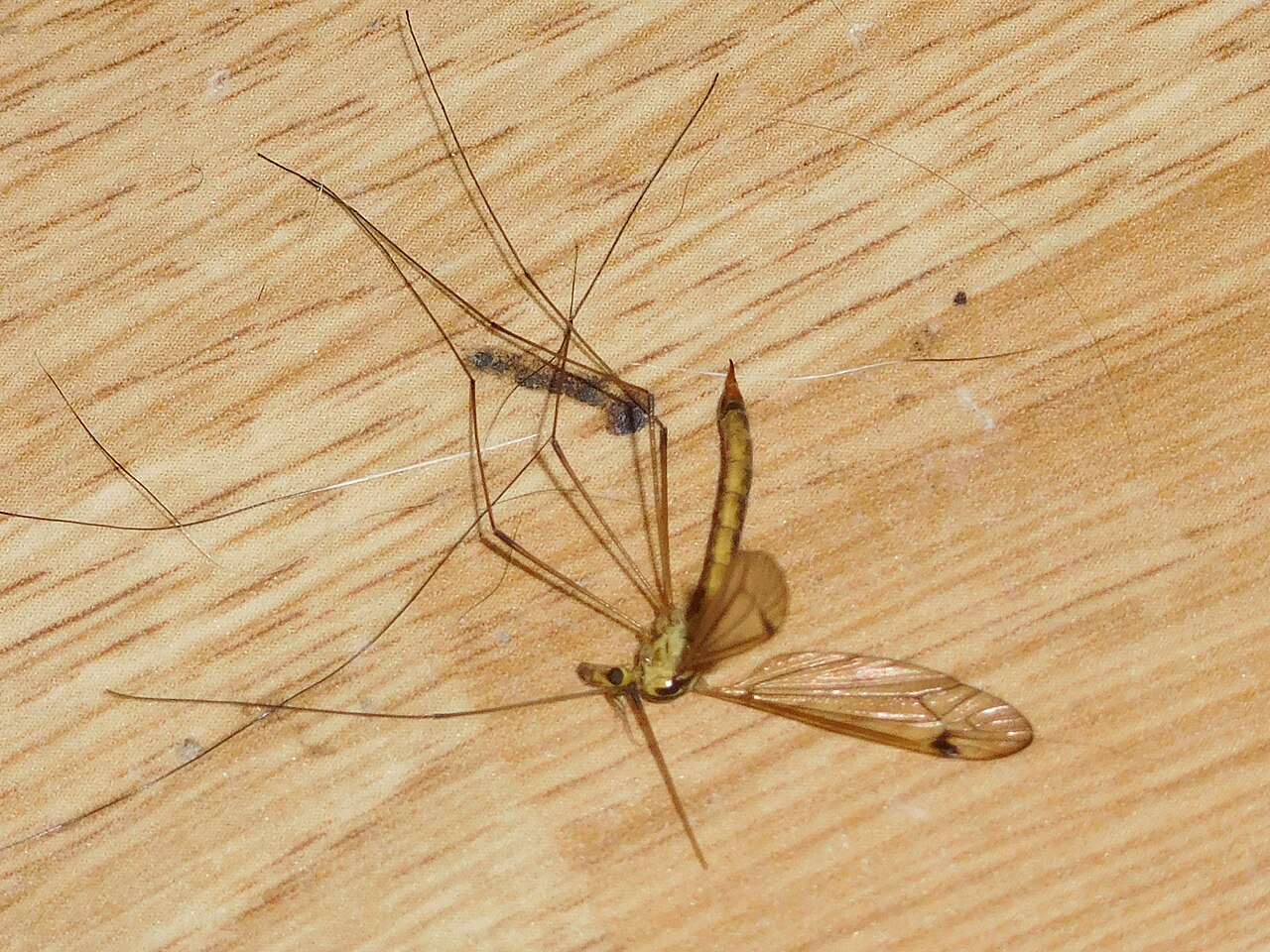
The symbolic layer sits on top of that biology. A crane fly drawn to your light reflects your home as a warm, lit place in a dark season. It points to being noticed for your warmth, not for any fault.
The spiritual meaning of flies in your house centers on houseflies, decay and cleanliness. The crane fly shares none of that. It came for the lamp, and it leaves when the lamp goes off.
Crane Fly Landing on You
A crane fly landing on you is a resting insect that chose a still, warm surface. It has no bite to fear, so the contact is harmless. The meaning attached to it comes from modern spirit animal readings.
In modern spirit animal readings, a crane fly on your arm stands for lightness. It asks you to hold a situation loosely, the way its legs barely grip your skin. Pressing harder breaks things, for the fly and for you.
The contact asks nothing else of you. It is not a test or a sign of a debt. Let the fly rest and it lifts off on its own.
Dead Crane Fly Meaning
A dead crane fly marks the natural end of a very short adult life, not a bad sign. Adults typically live only a few days, and many die indoors after a night trapped near a lamp. A body on the windowsill in fall is what crane fly season looks like in a lit house.
The symbolic reading follows from that. A dead crane fly points to completion. It did the one thing the adult stage exists for, and its body stays behind like a shed coat.
Dead flies in the house and their spiritual meaning raise questions about cleanliness and stagnant energy, and those belong to houseflies. A single crane fly on the sill is closure in miniature. Sweep it up or lay it in the garden soil where its kind began.
What the Bible Says About Flies and Crane Flies
The Bible never mentions the crane fly, so any biblical crane fly meaning is drawn from passages about flies in general. Flies appear in a handful of places. None of them is an omen in the modern sense.
Exodus 8 describes swarms of flies as the fourth plague on Egypt, with the land of Goshen spared. Ecclesiastes 10:1 says dead flies make the perfumer’s ointment stink, a proverb about how a little folly spoils a good name. Isaiah 7:18 pictures the Lord calling the fly from the rivers of Egypt, an image of an invading army.
2 Kings 1 tells of King Ahaziah, who sent messengers to ask Baal-zebub, the god of Ekron, whether he would recover from a fall. Elijah meets the messengers with a rebuke, and Ahaziah dies. The passage condemns seeking a foreign god, not flies themselves. Nothing in Scripture turns a crane fly at your window into a message.
Crane Fly Symbolism in Love and Twin Flame Readings
Crane fly symbolism in love and twin flame readings is a modern interpretation with no older tradition behind it. No scripture, folklore collection or named culture ties the insect to romance. The idea circulates in twin flame and spirit animal communities online.
In modern twin flame readings, a crane fly stands for a bond that needs a light touch. Its long, fragile legs fit a relationship that breaks under pressure and holds with patience. The short adult life adds urgency. Say what matters now.
A crane fly during a separation points to patience, not to a promised reunion. Its quiet arrival and quick exit fit a bond that moves on its own time. Use the image as a frame for gentleness, and let real conversations carry the rest.
Flies as Monitoring Spirits and Demons: What Holds Up
Flies are not monitoring spirits or demons in any biblical or historical source. The idea traces to modern deliverance ministry. It has no textual source and no evidence.
The link starts with a name. The Hebrew Baal-zebub in 2 Kings 1 translates as lord of the flies in the standard reading, and Matthew 12:24 uses Beelzebub for the prince of demons. That naming is the full extent of the biblical connection.
Monitoring spirits, pictured as spirits that watch and report on a person, come from modern deliverance teaching with no root in Scripture or early church writing. No verse says a fly, crane fly or any insect spies on people. A crane fly near you is an insect looking for light.
Crane Fly Versus Crane: Two Different Symbols
A crane fly and a crane are separate animals with separate symbols, and the bird’s meanings do not transfer to the insect. The fly takes its name from its long legs, which resemble a crane’s.
The crane stands for longevity in Japan, where folding a thousand paper cranes, senbazuru, carries a wish for long life and recovery. In China, the crane holds the same longevity theme and appears beside pine trees in painting.
The sandhill crane is the crane most Americans actually see, and its meanings rest on the bird, not the bug. Keep the two apart. The crane fly offers fragility and brevity, and the crane offers endurance.
Frequently Asked Questions
Do crane flies bite or sting?
Crane flies neither bite nor sting. Adults have no biting or stinging mouthparts and no venom, so they pose no threat to people or pets. Their mouthparts are made for sipping nectar or water, if they feed at all. The size and long legs look alarming, but the insect poses no physical risk to anyone.
What do flies represent spiritually?
Flies represent courage and persistence in ancient Egyptian tradition, where gold fly pendants rewarded soldiers for bravery. In the Bible, flies stand for plague and corruption, from the swarms of Exodus 8 to Beelzebub, the prince of demons in Matthew 12:24. A crane fly sits apart from both and points to fragility and brief life.
What does it mean when a fly visits you?
A visiting fly carries persistence as its oldest positive meaning. In ancient Egypt, a golden fly was worn as a decoration for bravery in battle. A crane fly visit adds lightness and patience to that theme, and neither one is a warning about your health or your home.
Why do crane flies appear in fall?
Many crane fly species emerge as adults in late summer and fall, after months as larvae in the soil. The exact timing depends on the species and the region. Porch lights pull the new adults toward houses at night, so a wave of them indoors in autumn is seasonal, not symbolic.
Are flies a good or bad omen?
Flies are neither a fixed good nor a fixed bad omen. The Bible uses swarms of flies as a plague in Exodus 8 and dead flies as a proverb about folly in Ecclesiastes 10:1. Ancient Egypt honored the fly as a sign of courage. The meaning depends on the source, not the insect.
What is the spiritual meaning of a crane?
The crane, a bird, stands for longevity in Japanese and Chinese tradition. In Japan, folding a thousand paper cranes expresses a wish for long life or healing. The crane fly shares only the name and the long legs, so the bird’s meaning of long life does not fit the short-lived insect.
Sources
- UC Statewide IPM Program, Crane Flies
- Bible Gateway, Exodus 8 (KJV)
- Bible Gateway, Ecclesiastes 10 (KJV)
- Bible Gateway, 2 Kings 1 (KJV)
- Encyclopaedia Britannica, Beelzebub
Explore more: Insect Spiritual Meanings: 15 Bugs and What They Signal